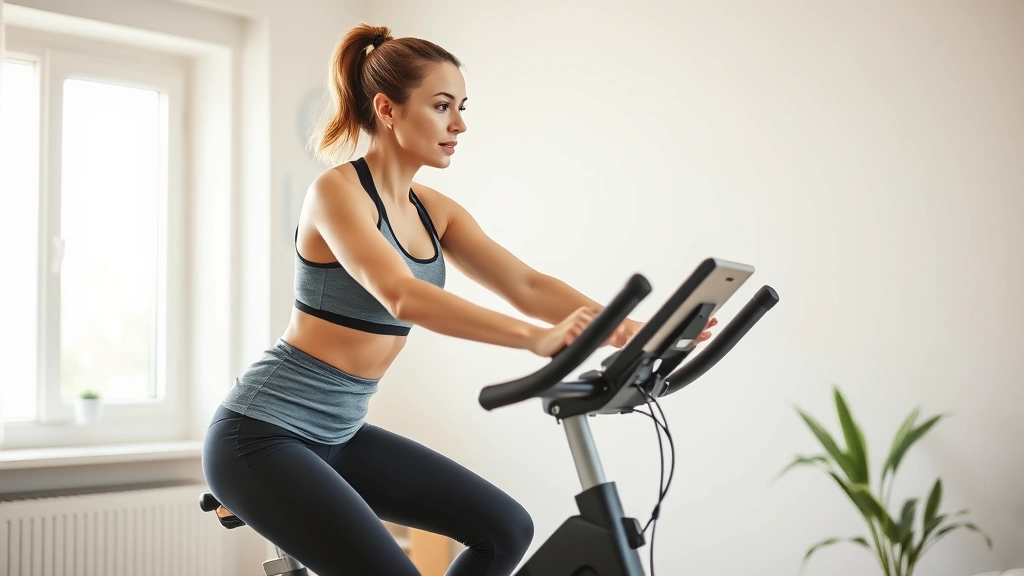
Exercise Bike Benefits? Trainer Insights on Weight Loss
An exercise bike is one of the most accessible and effective tools for weight loss, combining cardiovascular benefits with joint-friendly, low-impact movement. Whether you’re just starting your fitness journey or looking to intensify your routine, stationary cycling offers measurable results when paired with proper nutrition and consistency. Trainer insights reveal that exercise bikes work particularly well for sustainable weight loss because they’re convenient, adjustable to any fitness level, and scientifically proven to burn significant calories.
The beauty of indoor cycling lies in its versatility. You can cycle at your own pace during morning commutes on your schedule, adjust resistance to match your strength level, and track progress through built-in metrics. Many people find exercise bikes less intimidating than other gym equipment, making adherence easier—and adherence is the real secret to lasting weight loss success.
How Exercise Bikes Burn Calories for Weight Loss
Exercise bikes create a calorie deficit through sustained cardiovascular work, which is the fundamental requirement for weight loss. During a 30-minute moderate-intensity session, most people burn between 200-400 calories, depending on body weight, age, and effort level. A person weighing 185 pounds can expect to burn approximately 350-420 calories in 30 minutes at moderate intensity, while someone at 155 pounds might burn 280-340 calories in the same timeframe.
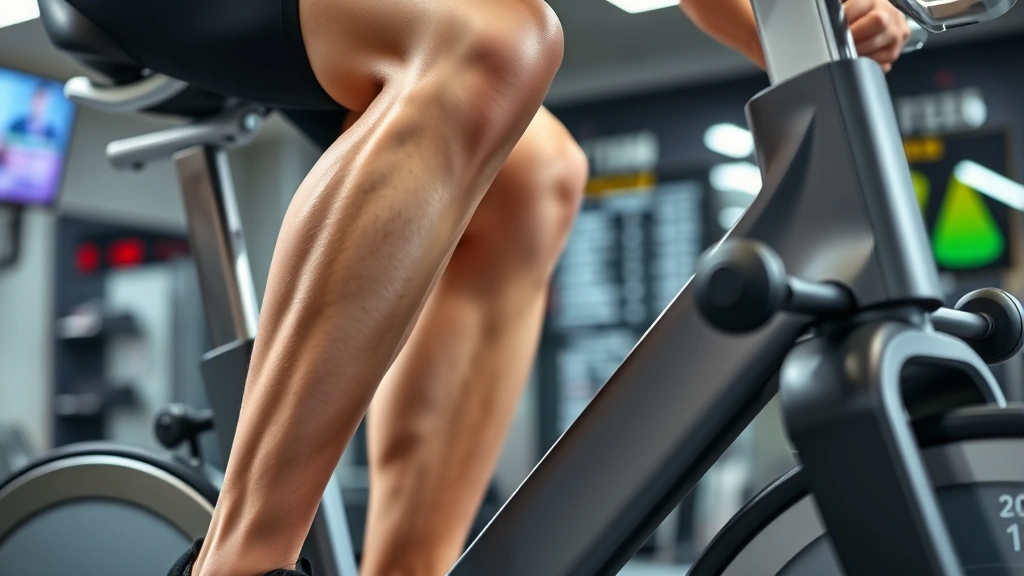
The key mechanism is metabolic demand. When you pedal, your legs engage the largest muscle groups in your body—quadriceps, hamstrings, glutes, and calves. These muscles require enormous amounts of energy. Your cardiovascular system must work harder to deliver oxygen and nutrients, elevating your heart rate and oxygen consumption. This elevated metabolic state can persist for hours post-exercise through excess post-exercise oxygen consumption (EPOC), sometimes called the afterburn effect.
Unlike some fad approaches, exercise bike weight loss works through proven physiology. Research published in fitness and metabolism journals consistently shows that regular cycling reduces body fat percentage while preserving lean muscle mass. The combination matters tremendously—you’re not just losing weight; you’re losing fat specifically.
High-intensity interval training (HIIT) on an exercise bike amplifies calorie burn. Alternating 30 seconds of maximum effort with 90 seconds of recovery can burn up to 500+ calories in just 20-25 minutes. This approach triggers greater EPOC and improves insulin sensitivity, making it particularly effective for people managing metabolic challenges. If you’re also managing conditions like PCOS, combining exercise bike sessions with targeted supplementation may enhance results—explore best supplements for PCOS weight loss for personalized guidance.
Cardiovascular Benefits Beyond the Scale
While weight loss grabs headlines, the cardiovascular improvements from regular exercise biking deserve equal attention. Your heart is a muscle, and like any muscle, it strengthens through consistent use. Research from the American Heart Association confirms that 150 minutes of moderate-intensity aerobic activity weekly reduces cardiovascular disease risk by up to 35 percent.
Exercise bikes specifically improve:
- Heart rate variability: The difference between your resting heart rate and exercise heart rate expands, indicating better cardiovascular efficiency
- Blood pressure: Regular cycling reduces both systolic and diastolic readings, decreasing stroke and heart attack risk
- Cholesterol profiles: HDL (good cholesterol) increases while LDL and triglycerides decrease
- Endothelial function: The inner lining of blood vessels becomes more flexible, improving blood flow and oxygen delivery throughout your body
These improvements often appear within 4-6 weeks of consistent exercise, sometimes before significant weight loss occurs. This means you’re gaining health benefits immediately, even if the scale moves slowly. Many trainers emphasize this point to clients who become discouraged by plateaus—your body is transforming internally even when external changes seem stalled.
Building Lean Muscle While Losing Fat
A common misconception is that exercise bikes only build leg muscle. In reality, the secondary stabilizer muscles throughout your core, lower back, and even upper body engage during cycling, particularly at higher resistance levels. This muscle-building aspect is crucial for sustainable weight loss.
Muscle tissue burns more calories at rest than fat tissue—approximately 6 calories per pound daily compared to 2 calories per pound for fat. Building muscle through cycling creates a higher baseline metabolic rate, making weight maintenance easier long-term. Additionally, muscle is denser than fat, so you may notice your body composition improving even if the scale doesn’t move dramatically.
To maximize muscle-building benefits, vary your workouts: incorporate compound exercises for weight loss on non-cycling days, use higher resistance on your bike at least twice weekly, and ensure adequate protein intake. Most research suggests 1.6-2.2 grams of protein per kilogram of body weight for people in calorie deficits who want to preserve muscle.
Combining exercise bike work with strength training yields superior results compared to either alone. Trainers typically recommend 3-4 cycling sessions weekly paired with 2-3 strength days, allowing adequate recovery. If you’re exploring pharmaceutical support for weight management, discuss how exercise impacts medication efficacy—see what is the best weight loss injection for information on combined approaches.
Optimal Workout Intensity and Duration
The ideal exercise bike workout depends on your starting fitness level, schedule, and goals. Trainers recommend a tiered approach:
Beginners (Weeks 1-4): Start with 20-30 minute sessions at a conversational intensity—you should be able to speak in short sentences but not sing. Aim for 3-4 sessions weekly with at least one rest day between rides. This builds aerobic base and allows joint and connective tissue adaptation.
Intermediate (Weeks 5-12): Increase to 30-45 minute steady-state rides at moderate intensity, plus one weekly HIIT session. Steady-state means maintaining a consistent heart rate zone (roughly 60-70% of max heart rate) where you’re breathing harder but can still hold a conversation.
Advanced: Combine multiple workout types weekly: two moderate 45-minute steady rides, one 20-30 minute HIIT session, and one long endurance ride of 60+ minutes at easy intensity. This variation prevents adaptation plateau and maintains calorie burn elevation.
Duration matters less than consistency and intensity combined. A 20-minute HIIT session burns similar total calories to a 45-minute moderate ride, but HIIT creates greater EPOC. However, most people find moderate-intensity work more sustainable long-term because it’s less taxing on the nervous system and allows for better recovery.
Your heart rate zones guide intensity appropriately. Calculate your max heart rate as 220 minus your age. Then:
- Zone 2 (Easy): 50-60% max heart rate—conversational, recovery pace
- Zone 3 (Moderate): 60-70% max heart rate—slightly harder breathing, can speak short sentences
- Zone 4 (Tempo): 70-80% max heart rate—breathing hard, can only speak a few words
- Zone 5 (High Intensity): 80-90%+ max heart rate—maximum effort, can’t speak
Most effective weight loss programs include primarily Zone 2-3 work (70-80% of weekly volume) with strategic Zone 4-5 sessions (20-30% of volume) to boost calorie burn and maintain cardiovascular improvements.
Nutrition Strategies to Maximize Results
Exercise bike weight loss requires alignment between training and nutrition. You cannot out-exercise a poor diet—if you burn 350 calories cycling then consume an extra 500 calories afterward, you’ve created a surplus instead of deficit.
Successful nutrition strategies include:
- Calorie awareness without obsession: Use a tracking app for 2-3 weeks to understand your baseline intake. Most people underestimate calories by 20-30 percent. Aim for a 500-calorie daily deficit, creating roughly 1 pound of weight loss weekly.
- Protein prioritization: Consume protein at every meal—aim for 25-35 grams per meal. Protein increases satiety, preserves muscle during weight loss, and has higher thermic effect (your body burns calories digesting it). Explore best smoothies for weight loss for convenient protein options.
- Whole food emphasis: Prioritize unprocessed foods—vegetables, fruits, whole grains, lean proteins, healthy fats. These foods are nutrient-dense and more satiating than processed alternatives.
- Strategic timing: Eat a small meal or snack 1-2 hours before cycling to provide energy without gastric distress. Post-workout, consume protein and carbs within 30-60 minutes to support recovery and replenish glycogen.
- Hydration: Drink half your body weight in ounces daily as a baseline, plus additional water during and after exercise. Proper hydration supports metabolism and reduces false hunger signals.
For people managing hormonal factors affecting weight, nutrition becomes even more critical. Women experiencing menopausal changes may benefit from reviewing best weight loss pills for menopause alongside dietary adjustments and consistent exercise.
Real Results: What Trainers See in Clients
Experienced trainers consistently report that exercise bike users achieve measurable results within 8-12 weeks of consistent effort. The typical progression looks like this:
Weeks 1-4: Energy levels increase, clothes fit slightly looser, cardiovascular fitness improves noticeably (climbing stairs becomes easier). Scale weight may decrease 2-4 pounds due to water loss and initial deficit. People report better sleep and mood.
Weeks 5-8: Visible body composition changes appear—definition in legs, reduced bloating, improved posture. Scale weight decreases 4-8 pounds total. Clients can sustain higher intensity and longer duration without fatigue.
Weeks 9-12: Significant changes manifest—people often lose 1-2 inches from waist and hips, clothes fit noticeably different, energy is dramatically higher. Total weight loss typically reaches 8-15 pounds depending on starting point and dietary adherence.
Beyond these timeframes, trainers note that people who combine exercise bikes with strength training and proper nutrition often achieve 1-2 pounds of weekly loss for 6+ months. This slower, steady approach produces more sustainable results than rapid weight loss, which often rebounds.
Client motivation frequently improves when trainers emphasize non-scale victories: improved cardiovascular markers, increased strength and endurance, better mental health, enhanced sleep quality, and improved energy throughout the day. Many clients discover that weight loss motivation quotes resonate more deeply once they experience these internal changes.

Common Mistakes That Slow Progress
Even well-intentioned people using exercise bikes often make mistakes that undermine results. Trainers identify these recurring patterns:
Mistake 1: Insufficient intensity. Pedaling leisurely at very low resistance doesn’t create adequate stimulus for weight loss. Your perceived exertion should be at least moderate—breathing harder but still able to converse. Use resistance settings that challenge your muscles.
Mistake 2: Inconsistent scheduling. Sporadic workouts don’t produce results. Weight loss requires consistency—at minimum 3-4 sessions weekly for 8+ weeks. Treat exercise like a non-negotiable appointment.
Mistake 3: Overestimating calorie burn. Most exercise bikes overestimate calorie expenditure by 10-30 percent. Don’t use the displayed number to justify extra food consumption. Aim for conservative estimates.
Mistake 4: Neglecting nutrition. Exercise creates the deficit opportunity, but nutrition determines whether you actually achieve it. Many people sabotage exercise efforts with poor dietary choices, then blame the bike for lack of results.
Mistake 5: Ignoring recovery. Overtraining without adequate rest, sleep, and nutrition impairs results. Your body adapts and builds during recovery, not during exercise. Aim for 7-9 hours sleep nightly and include easy recovery rides.
Mistake 6: Expecting linear progress. Weight loss isn’t perfectly linear—expect plateaus, water retention fluctuations, and slower weeks. Trainers recommend weighing weekly and tracking trends across 4-week periods rather than obsessing over daily changes.
Mistake 7: Failing to progress workouts. Your body adapts quickly. If you do identical workouts weekly, stimulus plateaus and results stall. Gradually increase duration, intensity, or frequency every 2-3 weeks.
FAQ
How many times per week should I use an exercise bike for weight loss?
Most effective is 3-5 sessions weekly. Three sessions provide adequate stimulus for beginners; 4-5 sessions suit intermediate and advanced users. Include at least one rest day between intense sessions to allow recovery and prevent overtraining injuries.
How long does it take to see weight loss results from an exercise bike?
Initial changes appear within 2-4 weeks—improved energy, better sleep, looser clothes. Measurable scale weight loss typically shows within 4-6 weeks with consistent effort and proper nutrition. Significant body composition changes require 8-12 weeks minimum.
Can I lose weight using only an exercise bike?
Exercise bike alone can create calorie deficit, but results improve substantially when combined with strength training and proper nutrition. The bike excels at steady-state cardio; strength training preserves muscle during weight loss and increases resting metabolism. Together, they’re synergistic.
What resistance level should I use on an exercise bike?
Use resistance that feels challenging but sustainable for your target duration. You should feel leg muscle engagement and maintain elevated breathing. Beginners might use light-moderate resistance; intermediate users use moderate-high; advanced users frequently vary resistance strategically within workouts.
Is exercise bike better than running for weight loss?
Both are effective, but bikes offer advantages: lower joint impact, easier intensity control, more accessible for overweight individuals, and better for people with joint concerns. Running burns slightly more calories per minute but is riskier for injury. Choose whichever you’ll sustain consistently.
Should I do steady-state or HIIT on an exercise bike?
Both have value. Steady-state (45-60 minutes moderate intensity) is sustainable, builds aerobic base, and is easier to recover from. HIIT (20-30 minutes with intense intervals) burns more calories in less time and improves metabolic rate. Ideally, combine both—mostly steady-state with one weekly HIIT session.
Can an exercise bike help with menopause weight gain?
Yes. Exercise bikes address menopause-related weight gain through calorie burn, muscle preservation, improved insulin sensitivity, and hormonal regulation benefits. Combine with targeted nutrition and, if appropriate, discuss supplementation options—see best weight loss pills for menopause for comprehensive approaches.
What’s the best time of day to use an exercise bike?
The best time is whenever you’ll do it consistently. Morning workouts may boost metabolism throughout the day and improve adherence by completing exercise before daily obstacles arise. Evening workouts are fine if they don’t interfere with sleep. Consistency matters far more than timing.


