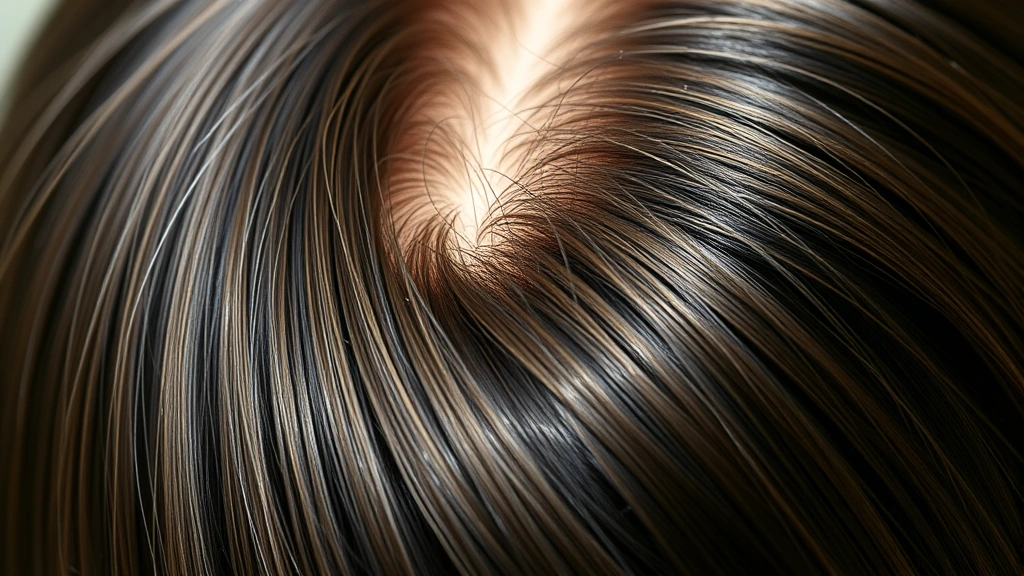
Can Weight Loss Cause Hair Loss? Expert Insights
Hair loss during weight loss is a concern many people face, yet it remains widely misunderstood. While shedding a few extra hairs might seem like a minor side effect of your fitness journey, experiencing significant hair loss can be emotionally distressing and signal underlying nutritional deficiencies. The relationship between rapid weight loss and hair thinning is well-documented in dermatological and nutritional science, and understanding this connection is essential for anyone pursuing sustainable, healthy weight management.
The good news? Hair loss related to weight loss is often temporary and preventable with proper nutritional strategies and informed lifestyle choices. By learning how rapid weight loss affects hair health and implementing science-backed prevention methods, you can achieve your body composition goals without sacrificing the health of your hair. This comprehensive guide explores the mechanisms behind weight loss-induced hair loss, identifies the risk factors, and provides actionable solutions from leading experts in nutrition and dermatology.

How Weight Loss Affects Hair Health
Your hair is remarkably sensitive to changes in your body’s nutritional status and metabolic state. Hair follicles require consistent access to essential nutrients, micronutrients, and adequate caloric intake to maintain their growth cycle. When you lose weight—particularly rapidly—your body experiences significant metabolic shifts that can directly impact hair follicle function.
During weight loss, your body enters a state of caloric deficit, which triggers physiological stress responses. The body prioritizes vital organs and systems over aesthetic structures like hair. This means that nutrients and energy resources are diverted away from hair follicles to support critical functions like organ function, hormone production, and immune system maintenance. Additionally, rapid weight loss can trigger a condition called telogen effluvium, where hair prematurely enters the shedding phase of its growth cycle.
Research from the American Academy of Dermatology indicates that significant hair loss during weight loss typically occurs 2-3 months after the weight loss begins, suggesting a delayed physiological response rather than an immediate cause. This timing is important because it helps distinguish between temporary, weight-loss-related hair loss and other hair loss conditions that may require different interventions.
The severity of hair loss during weight loss depends on multiple factors including the rate of weight loss, baseline nutritional status, age, genetics, and overall health. Understanding these variables helps explain why some people experience dramatic hair loss during weight loss while others notice minimal changes.

Understanding Telogen Effluvium
Telogen effluvium is the primary mechanism by which weight loss causes hair loss. To understand this condition, it’s helpful to know the hair growth cycle. Hair grows in three phases: anagen (growth phase lasting 2-7 years), catagen (transition phase lasting 2-3 weeks), and telogen (resting phase lasting 2-3 months). Normally, about 85-90% of scalp hair is in the anagen phase while only 10-15% is in the telogen phase.
During telogen effluvium, a significant percentage of hair follicles prematurely shift from the anagen phase into the telogen phase. This causes hair to enter the shedding cycle earlier than normal. When this happens on a large scale, you notice increased hair shedding—sometimes losing 100-300 hairs daily instead of the normal 50-100 hairs.
Telogen effluvium triggered by weight loss is considered a non-scarring alopecia, meaning the hair follicles themselves aren’t permanently damaged. This is encouraging because it indicates that hair growth can resume once the triggering factor (rapid weight loss and associated nutritional stress) is resolved. However, the condition is still distressing for those experiencing it, and prevention is far preferable to treatment.
According to research published in the Dermatology Practical & Conceptual journal, telogen effluvium can be triggered by various stressors including rapid weight loss, severe caloric restriction, protein deficiency, and micronutrient insufficiencies. The condition typically resolves within 6-12 months once the triggering stressor is removed and nutritional status improves.
Nutritional Deficiencies and Hair Loss
Hair loss during weight loss is fundamentally a nutritional problem. Your hair requires specific vitamins, minerals, and macronutrients to grow and remain healthy. When you lose weight too quickly or follow overly restrictive diets, you often fail to consume adequate amounts of these critical nutrients.
Protein deficiency is one of the most significant nutritional factors in weight-loss-related hair loss. Hair is composed primarily of a protein called keratin, so inadequate protein intake directly compromises hair health. During weight loss, many people unconsciously reduce their protein intake, which accelerates hair loss. Incorporating whey protein shakes for weight loss can help maintain adequate protein intake while in a caloric deficit.
Iron deficiency is another critical factor. Iron is essential for hair follicle function and the production of hemoglobin, which carries oxygen to hair follicles. Women are particularly vulnerable to iron deficiency during weight loss because restrictive diets often eliminate iron-rich foods. Studies show that women with hair loss often have lower iron levels than those without hair loss.
Zinc deficiency impairs the protein synthesis necessary for hair growth and can trigger telogen effluvium. Zinc is found in protein-rich foods like meat, poultry, and legumes—foods that are sometimes limited during aggressive weight loss. Additionally, zinc supports immune function, so deficiency increases susceptibility to infections that can trigger hair loss.
Vitamin B12 and folate deficiency can also contribute to hair loss. These B vitamins are essential for cell division and DNA synthesis, processes critical to hair follicle function. Vegetarian and vegan dieters are at particular risk for B12 deficiency during weight loss if they don’t carefully plan their nutrition.
Selenium and biotin are additional micronutrients important for hair health. Selenium supports thyroid function, which regulates metabolic rate and hair growth. Biotin is involved in keratin production and hair structure. Deficiencies in either nutrient can compromise hair health.
Risk Factors for Weight Loss Hair Loss
Not everyone who loses weight experiences significant hair loss. Several risk factors increase your likelihood of experiencing telogen effluvium during weight loss:
- Rapid weight loss: Losing more than 1-2 pounds per week significantly increases hair loss risk. Moderate, gradual weight loss is less likely to trigger telogen effluvium.
- Severe caloric restriction: Consuming fewer than 1,200 calories daily (for most adults) creates excessive metabolic stress and nutrient deficiency.
- Pre-existing nutritional deficiencies: If you start weight loss already deficient in iron, zinc, or protein, your risk increases substantially.
- Female sex: Women experience weight-loss-related hair loss more frequently than men, possibly due to hormonal differences and higher baseline iron requirements.
- Restrictive diet types: Crash diets, juice cleanses, and extremely low-carbohydrate diets increase hair loss risk compared to balanced approaches.
- Age over 40: Hair follicles become more sensitive to nutritional stress with age.
- Genetics: Those with genetic predisposition to hair loss may experience more severe telogen effluvium during weight loss.
- Concurrent stressors: High stress, poor sleep, or illness combined with weight loss amplifies hair loss risk.
Prevention Strategies During Weight Loss
The most effective approach to hair loss during weight loss is prevention. By implementing evidence-based nutritional and lifestyle strategies, you can minimize hair loss while achieving your weight loss goals.
Maintain adequate protein intake. Aim for 0.7-1.0 grams of protein per pound of body weight daily. Protein provides amino acids necessary for keratin synthesis and supports muscle preservation during weight loss. Combining consistent protein intake with weight loss and weight lifting plans creates optimal conditions for fat loss while preserving both muscle and hair health.
Avoid excessive caloric deficits. Aim for a moderate deficit of 500-750 calories daily, resulting in 1-1.5 pounds of weight loss weekly. This pace allows your body to maintain metabolic stability and nutrient sufficiency. Aggressive deficits of 1,000+ calories daily significantly increase hair loss risk.
Prioritize micronutrient density. Consume nutrient-dense whole foods including leafy greens, legumes, nuts, seeds, lean meats, and colorful vegetables. These foods provide iron, zinc, selenium, B vitamins, and other nutrients essential for hair health. Avoid relying on processed foods during weight loss, as they lack these critical micronutrients.
Consider supplementation strategically. If you have blood work indicating deficiencies in iron, zinc, B12, or other nutrients, supplementation can prevent hair loss. Work with a registered dietitian to identify specific deficiencies and appropriate supplementation. For those following specialized diet approaches, supplements for PCOS weight loss or other conditions should be carefully selected to support hair health.
Manage stress effectively. Chronic stress elevates cortisol levels, which can trigger telogen effluvium independent of weight loss. Implement stress-reduction techniques including meditation, yoga, adequate sleep, and social connection.
Stay hydrated. Adequate hydration supports nutrient transport and metabolic function. Aim for half your body weight in ounces of water daily, adjusting for exercise and climate.
Protein and Hair Health
Protein deserves special attention in the context of weight-loss-related hair loss because it’s absolutely foundational to hair structure and function. Hair is approximately 95% protein by dry weight, with keratin being the primary structural protein. When protein intake is inadequate during weight loss, the body literally lacks the building blocks necessary to maintain and grow hair.
During weight loss, your body faces a metabolic dilemma: it must choose between preserving muscle mass and maintaining hair growth when protein is limited. The body prioritizes muscle preservation because muscle tissue is metabolically active and essential for survival. Hair, while important for appearance, is considered less critical for immediate survival, so hair growth suffers first when protein is insufficient.
Research from the International Journal of Trichology demonstrates that individuals with adequate protein intake experience significantly less hair loss during weight loss compared to those with insufficient protein. Additionally, combining adequate protein with aerobic exercises for weight loss and resistance training optimizes body composition changes while preserving hair health.
Practical protein strategies include consuming protein at each meal (aim for 25-40 grams per meal), incorporating diverse protein sources including lean meats, fish, eggs, dairy, legumes, and plant-based options, and using protein supplements when whole food sources are inconvenient. Smoothie-based weight loss plans can be excellent vehicles for delivering adequate protein while supporting weight loss goals.
Timeline for Hair Recovery
Understanding the timeline for hair recovery helps manage expectations and maintain motivation during the recovery period. Hair loss related to weight loss doesn’t resolve immediately once you stop losing weight or improve your nutrition.
Months 1-3 of weight loss: Hair loss may not be apparent yet, though telogen effluvium is beginning at the cellular level. This delay occurs because hair must complete its telogen phase before shedding visibly.
Months 2-4 after weight loss begins: Noticeable hair loss typically peaks during this period as hair enters the shedding phase. This can be psychologically challenging, but it’s important to remember this is a temporary condition.
Weeks 1-4 after addressing nutritional deficiencies: Once you’ve corrected nutritional deficiencies and stabilized your weight, hair follicles begin recovering. New hair growth initiates, though this isn’t immediately visible.
Months 3-6 after recovery begins: New hair growth becomes visible as small hairs emerge from follicles. Hair density gradually increases.
Months 6-12 after recovery: Hair continues thickening and lengthening. Most people achieve near-complete recovery of hair density by 12 months, though recovery can continue beyond this timeline.
This timeline emphasizes why prevention is superior to treatment. If you can prevent telogen effluvium through proper nutrition and gradual weight loss, you avoid months of hair loss and the subsequent recovery period.
FAQ
How much hair loss during weight loss is normal?
Losing 50-100 hairs daily is normal and not related to weight loss. If you’re losing 200+ hairs daily or noticing visible thinning, consult a dermatologist. However, some increase in shedding during weight loss may be expected, particularly if you’re losing weight rapidly.
Can I prevent hair loss if I’m already experiencing it?
Yes. Immediately slow your weight loss pace to 1 pound weekly or less, increase protein intake to at least 0.8 grams per pound of body weight, ensure adequate micronutrient intake through whole foods or supplementation, and manage stress. These interventions can halt further hair loss and initiate recovery within weeks.
Should I take biotin supplements to prevent hair loss?
Biotin supplementation is beneficial if you’re deficient, but research shows it’s most effective when combined with other nutrients and adequate overall nutrition. Don’t rely on biotin alone; focus on comprehensive nutritional adequacy first.
Does hair loss from weight loss happen to everyone?
No. Approximately 25-50% of people experience noticeable telogen effluvium during rapid weight loss, while others experience minimal shedding. Individual factors including genetics, baseline nutrition, weight loss rate, and overall health determine who experiences significant hair loss.
Is weight loss-related hair loss permanent?
No. Weight-loss-related hair loss is temporary and non-scarring. Hair follicles aren’t permanently damaged; they simply enter the shedding phase prematurely. Once the triggering factors (rapid weight loss and nutritional stress) are resolved, hair regrows normally within 6-12 months.
What’s the connection between weight loss and blood pressure regarding hair health?
Rapid weight loss and associated stress can affect both blood pressure and hair health through similar mechanisms: metabolic stress and nutrient redistribution. Gradual, sustainable weight loss that maintains stable blood pressure is also gentler on hair health.
Can thyroid problems cause hair loss during weight loss?
Yes. Rapid weight loss can temporarily suppress thyroid function, which regulates metabolism and hair growth. This is another reason to avoid excessive caloric deficits. If you have a history of thyroid problems, work with your healthcare provider to monitor thyroid function during weight loss.
Should I stop my weight loss efforts if I experience hair loss?
Not necessarily. Instead of stopping, modify your approach: slow your weight loss pace, increase protein and micronutrient intake, and manage stress. These adjustments often resolve hair loss while allowing continued progress toward your weight loss goals.


