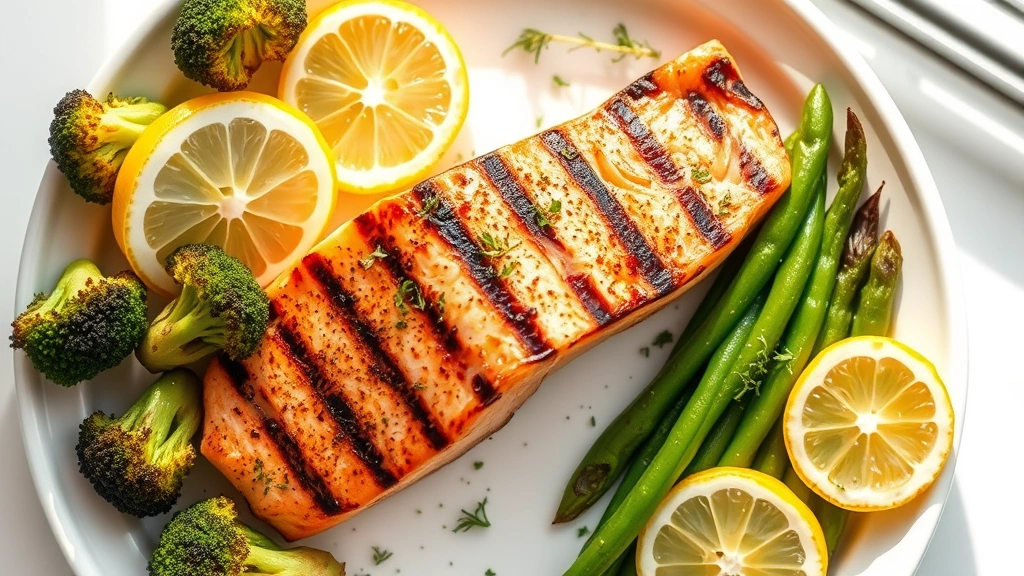
High Protein, Low Carb Meals? Nutritionist Approved
If you’re serious about weight loss, you’ve likely heard about high protein diets for sustainable results. The science is compelling: high protein, low carb meals can transform your body composition, boost metabolism, and help you feel satisfied longer between meals. But here’s the real question—are these meals actually nutritionist-approved, and more importantly, can you prepare them in ways that taste delicious and fit your lifestyle?
The answer is a resounding yes. Thousands of registered dietitians and nutrition professionals recommend strategic protein intake combined with controlled carbohydrate consumption as one of the most effective approaches to sustainable weight management. The key isn’t deprivation or boring chicken and broccoli—it’s understanding the science behind macronutrient balance and learning to prepare meals that align with both your goals and your taste preferences.
In this comprehensive guide, we’ll explore nutritionist-approved high protein, low carb recipes for weight loss that actually work. You’ll discover meal ideas, preparation strategies, and the evidence-based reasoning behind why this approach works so well for so many people seeking lasting weight loss success.
Why High Protein Matters for Weight Loss
Protein is the macronutrient that changes the game for weight loss success. Unlike carbohydrates and fats, protein has a significantly higher thermic effect, meaning your body burns more calories during digestion. According to research from the Academy of Nutrition and Dietetics, adequate protein intake supports lean muscle preservation during weight loss, which is crucial for maintaining metabolic rate.
When you consume sufficient protein, several beneficial things happen simultaneously. First, your appetite hormones shift—protein triggers greater satiety signals compared to other macronutrients, meaning you feel fuller longer and experience fewer cravings. Second, muscle tissue is preserved, which maintains your resting metabolic rate. Third, blood sugar stability improves, reducing energy crashes that typically lead to poor food choices.
Research published in nutrition journals consistently demonstrates that individuals following high protein weight loss approaches experience greater fat loss while retaining more muscle mass compared to standard low-fat diets. One study from the National Center for Biotechnology Information found that high protein diets resulted in 31% greater weight loss over 12 months.
The ideal protein target for weight loss typically ranges from 1.6 to 2.2 grams per kilogram of body weight daily, depending on your activity level and goals. For a 75-kilogram person, this translates to roughly 120-165 grams daily. This isn’t extreme—it’s simply prioritizing protein at each meal.
Smart Carbohydrate Management
“Low carb” doesn’t mean zero carb, and nutritionists emphasize this distinction constantly. The goal is strategic carbohydrate selection, not complete elimination. When you reduce refined carbohydrates and focus on complex, fiber-rich options, your body responds with improved insulin sensitivity and more stable energy levels.
The carbohydrates you should minimize include processed foods, refined grains, sugary beverages, and products with added sugars. These foods spike blood glucose rapidly, triggering insulin spikes that promote fat storage and subsequent energy crashes. Instead, nutritionists recommend focusing on carbohydrates with high fiber content and low glycemic impact.
Acceptable low-carb carbohydrate sources include non-starchy vegetables (spinach, broccoli, cauliflower, zucchini, bell peppers), berries in moderation, legumes in controlled portions, and whole grains in limited quantities. These options provide essential micronutrients, fiber for digestive health, and sustained energy without excessive blood sugar disruption.
Understanding insulin resistance and carbohydrate quality becomes particularly important if you have metabolic concerns. Choosing lower-glycemic carbohydrates helps regulate blood sugar and improve overall metabolic health, making your weight loss efforts more sustainable.
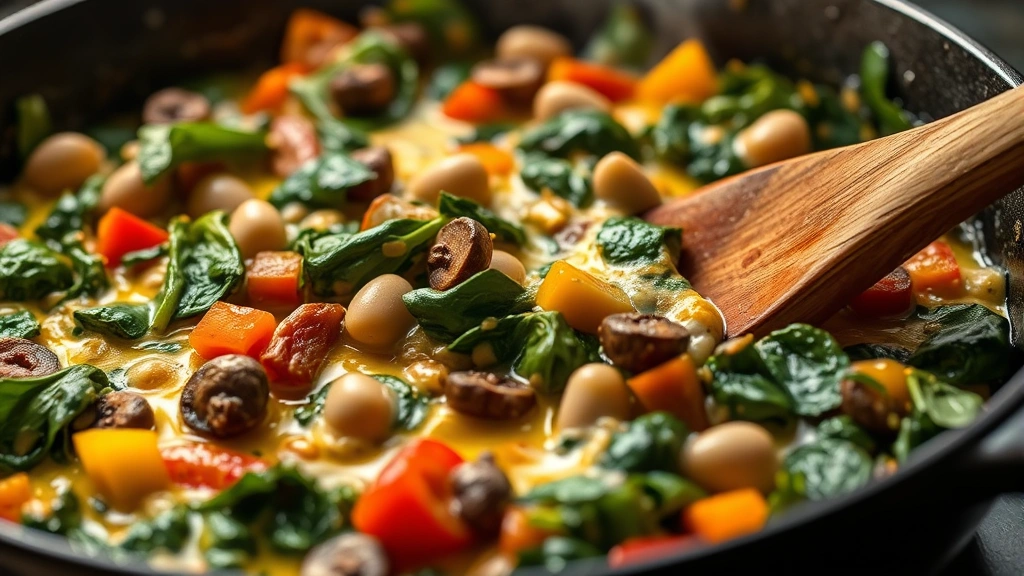
Nutritionist-Approved Breakfast Recipes
Breakfast sets the tone for your entire day, particularly regarding energy levels and hunger management. Nutritionists consistently recommend starting with protein-rich options that minimize blood sugar spikes.
Vegetable-Packed Egg Scramble: Combine three whole eggs with one cup of spinach, mushrooms, and diced bell peppers cooked in olive oil. Add a small portion of feta cheese. This delivers approximately 25 grams of protein with minimal carbohydrates while providing essential vitamins and minerals from the vegetables. The fat content from eggs and cheese promotes satiety and nutrient absorption.
Greek Yogurt Parfait with Berries: Layer one cup of plain Greek yogurt (20 grams protein) with a quarter cup of blueberries and one tablespoon of almonds. Greek yogurt provides probiotics for digestive health while delivering substantial protein. Berries offer antioxidants with minimal carbohydrate impact, and almonds provide healthy fats and additional protein.
Smoked Salmon and Cream Cheese Roll-Ups: Wrap four ounces of smoked salmon around cream cheese and cucumber slices. This delivers 25 grams of protein and omega-3 fatty acids, which support inflammation management and cardiovascular health. This option requires minimal preparation, making it ideal for busy mornings.
Protein Pancakes: Blend one cup of cottage cheese, three eggs, and vanilla extract to create a batter. Cook on a non-stick griddle and top with sugar-free syrup and berries. This surprisingly delicious option provides 30 grams of protein while satisfying pancake cravings without refined carbohydrates. Cottage cheese offers casein protein, which digests slowly and maintains satiety throughout the morning.
Each of these breakfast options aligns with optimal eating timing for weight loss, particularly when consumed within two hours of waking to stabilize blood sugar and establish metabolic momentum.
Satisfying Lunch and Dinner Options
Lunch and dinner represent opportunities to incorporate substantial protein sources while building nutrient-dense meals. Nutritionists recommend varying protein sources throughout the week to ensure diverse micronutrient intake.
Grilled Chicken with Roasted Vegetables: Six ounces of grilled chicken breast (42 grams protein) paired with roasted broccoli, cauliflower, and asparagus drizzled with olive oil. This classic combination provides complete amino acids, fiber, and essential micronutrients. The simplicity makes meal preparation straightforward for batch cooking.
Beef and Broccoli Stir-Fry: Six ounces of lean beef (40 grams protein) with four cups of broccoli florets in a sauce made from coconut aminos or low-sodium soy sauce, garlic, and ginger. This delivers protein, fiber, and beneficial phytonutrients. The cooking method preserves heat-sensitive nutrients better than boiling.
Baked Salmon with Green Beans: Six ounces of wild-caught salmon (35 grams protein) alongside steamed green beans and a small portion of cauliflower rice. Salmon provides omega-3 fatty acids, vitamin D, and selenium—nutrients many people lack. The fat content supports hormone production and nutrient absorption.
Turkey Lettuce Wraps: Six ounces of ground turkey cooked with mushrooms, onions, and seasonings, served in large lettuce leaves instead of bread. This provides 40 grams of protein with virtually no carbohydrates while maintaining satisfying texture and flavor through vegetable additions.
Shrimp and Zucchini Noodles: Six ounces of shrimp (30 grams protein) tossed with spiralized zucchini, cherry tomatoes, garlic, and olive oil. This satisfying pasta-like meal provides protein with a negligible carbohydrate impact. The preparation takes less than 15 minutes, making it ideal for weeknight dinners.
Egg-Based Dinners: A vegetable-loaded frittata with six eggs, spinach, mushrooms, and cheese delivers 36 grams of protein. Eggs remain one of the most versatile, affordable, and nutritionally complete protein sources available. Frittatas allow batch preparation for multiple meals throughout the week.
Protein-Rich Snacks and Sides
Strategic snacking prevents excessive hunger that leads to poor food choices. Nutritionists recommend snacks combining protein with healthy fats to maximize satiety between meals.
Cheese and Almonds: One ounce of cheese paired with 23 almonds delivers 10 grams of protein and healthy fats. This combination is portable, requires no preparation, and satisfies cravings effectively.
Hard-Boiled Eggs with Everything Seasoning: Two hard-boiled eggs provide 12 grams of protein and can be prepared in batches. The seasoning adds flavor complexity without carbohydrates, making them more interesting than plain eggs.
Beef Jerky: Two ounces of high-quality beef jerky delivers 16 grams of protein with minimal carbohydrates. Choose varieties without added sugars for optimal nutritional quality.
Cottage Cheese with Berries: Half-cup of cottage cheese with a quarter cup of raspberries provides 14 grams of protein. The berries add natural sweetness and antioxidants while maintaining low carbohydrate impact.
Cauliflower Rice Sides: Riced cauliflower cooked with butter and garlic provides volume and satisfaction with minimal carbohydrates. This vegetable-based side pairs with any protein and adds fiber for digestive health.
Incorporating these snacks into your routine supports the consistency required for sustainable weight loss. Regular protein intake throughout the day maintains stable blood sugar, preserves muscle tissue, and prevents overeating at subsequent meals.
Strategic Meal Preparation Tips
Success with high protein, low carb eating requires planning and preparation. Nutritionists consistently emphasize that the best diet is the one you actually follow, and meal preparation removes barriers to compliance.
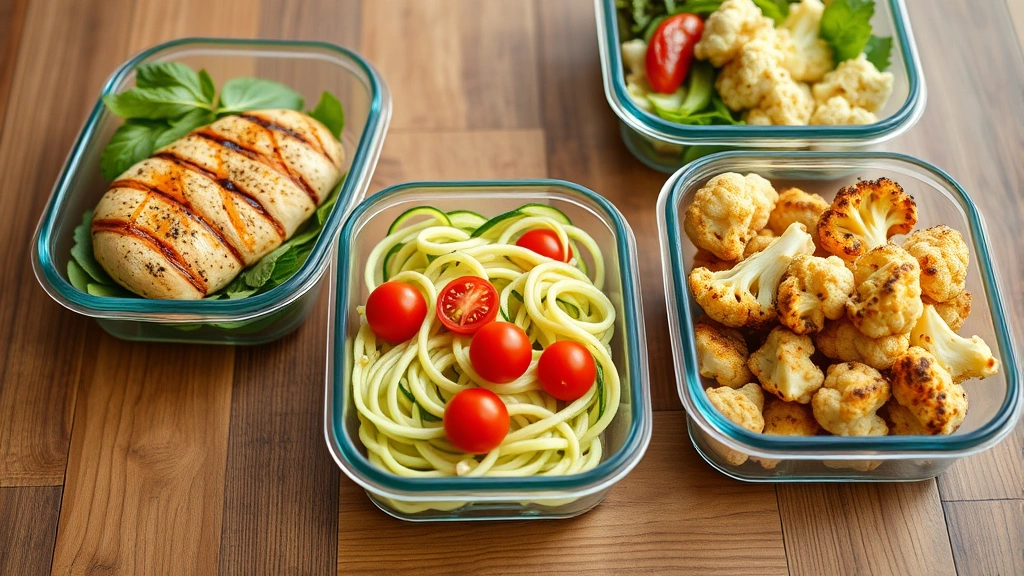
Batch Cooking Proteins: Dedicate two hours weekly to cooking multiple protein sources. Grill several chicken breasts, bake salmon fillets, cook ground turkey, and hard-boil eggs. Store in glass containers for grab-and-go convenience throughout the week. This approach eliminates decision fatigue during busy days.
Vegetable Preparation: Wash, chop, and store vegetables in containers immediately after shopping. Pre-prepared vegetables dramatically increase consumption since they’re immediately accessible. Consider roasting large batches of vegetables to add to meals.
Sauce Preparation: Create simple sauce bases using olive oil, vinegar, garlic, and herbs. These flavor-dense additions transform simple proteins and vegetables into interesting meals without excessive calories or carbohydrates.
Container Organization: Prepare balanced meal containers combining protein, vegetables, and healthy fats. This visual organization ensures proper macronutrient balance and removes guesswork during meal consumption. Investing in quality glass containers makes this process sustainable.
Creating customized meal plans for weight loss based on your preferences ensures long-term adherence. Your plan should include foods you genuinely enjoy, not restriction-based options you tolerate.
Pairing your nutritional strategy with appropriate physical activity amplifies results. Understanding exercise approaches for weight loss helps you select activities that complement your dietary efforts and support your specific goals.
For those seeking additional nutritional support, protein-based smoothies provide convenient meal options when whole foods aren’t practical, delivering substantial protein while remaining low in carbohydrates when prepared thoughtfully.
FAQ
How much protein do I actually need daily?
Most nutrition research supports 1.6 to 2.2 grams per kilogram of body weight for weight loss. This translates to roughly 0.7 to 1 gram per pound of body weight. A 180-pound individual would target 125-180 grams daily. Registered dietitians can personalize recommendations based on your activity level, age, and metabolic health.
Can I follow high protein, low carb eating long-term?
Yes, when structured appropriately with whole foods and adequate micronutrient variety. This approach isn’t extreme restriction—it’s strategic macronutrient prioritization. Many people find this sustainable long-term because protein intake naturally reduces cravings and hunger, making adherence easier than traditional low-calorie diets.
Will I lose muscle on a low carb diet?
Not if protein intake is adequate and you maintain resistance training. Carbohydrates support athletic performance, but muscle preservation primarily depends on protein intake and mechanical tension from strength training. High protein intake during caloric deficit specifically protects lean muscle tissue.
What about nutrient deficiencies on low carb diets?
Well-planned low carb diets including diverse vegetables, quality proteins, and healthy fats provide complete nutrition. The key is intentional food selection rather than extreme restriction. Working with a registered dietitian ensures you’re meeting micronutrient needs, particularly for fiber, minerals, and vitamins.
How quickly will I see weight loss results?
Initial water weight loss typically occurs within the first week as carbohydrate reduction decreases water retention. Meaningful fat loss becomes apparent within 3-4 weeks as your body adapts to improved metabolic efficiency. Sustainable weight loss averages 1-2 pounds weekly, depending on caloric deficit and individual factors.
Can I eat out while following this approach?
Absolutely. Most restaurants offer protein-based dishes with vegetable sides. Request modifications—skip the bread basket, choose grilled proteins, add extra vegetables, and request dressings on the side. This flexibility makes the approach sustainable in social situations.
Is this approach suitable for everyone?
High protein, low carb eating works well for most people, particularly those with insulin resistance or blood sugar management concerns. However, individuals with specific medical conditions should consult healthcare providers or registered dietitians before making significant dietary changes. Those with kidney disease, for example, may require modified protein intake.


