
Ice Hack for Weight Loss? Expert Insights on the Viral Trend
The internet has exploded with claims about an “ice hack” for weight loss—a viral trend suggesting that exposure to cold temperatures can dramatically accelerate fat burning and help you shed pounds effortlessly. From ice baths to cold water immersion to simply consuming ice water, proponents claim this simple trick can transform your metabolism overnight. But is there scientific truth behind the hype, or is this another fleeting weight loss myth?
As a weight loss health writer committed to evidence-based information, I’ve researched the science extensively. The answer is nuanced: cold exposure does have metabolic effects, but they’re far more modest than viral claims suggest. Understanding how cold actually impacts your body—and combining it with proven strategies like weight loss workout routines at home—gives you a realistic perspective on sustainable weight management.
This comprehensive guide separates fact from fiction about the ice hack, explains the genuine science of thermogenesis, and shows you how to build a weight loss strategy that actually works.
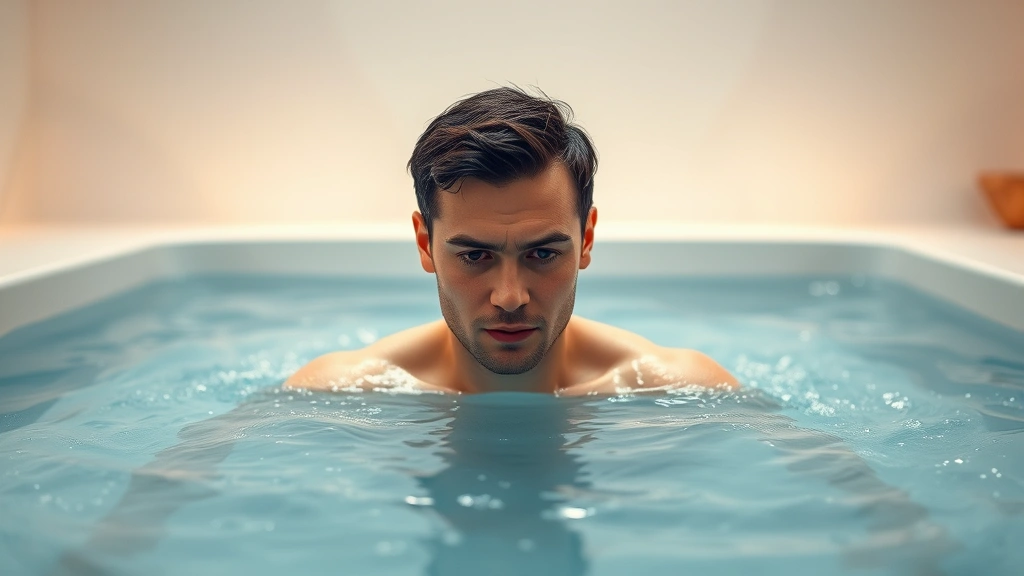
What Is the Ice Hack for Weight Loss?
The “ice hack” refers to various cold exposure techniques promoted as weight loss shortcuts. The most common versions include:
- Ice water consumption: Drinking ice-cold water, sometimes with added ingredients like cinnamon or apple cider vinegar, purportedly boosts metabolism
- Cold water immersion: Dunking yourself in ice baths or taking cold showers to activate fat-burning mechanisms
- Cryotherapy: Exposure to extremely cold chambers marketed as metabolism accelerators
- Cold sleeping environments: Keeping your bedroom temperature very low to enhance overnight calorie burn
The pitch is seductive: a simple, effortless intervention that requires no diet changes or exercise. Viral TikTok videos and Instagram posts show people claiming dramatic transformations from just cold exposure. But before you rush to fill your bathtub with ice, let’s examine what the actual science says.

The Science of Cold Exposure and Metabolism
Cold exposure does trigger metabolic changes—this part is scientifically accurate. When your body encounters cold temperatures, it must work to maintain your core body temperature through a process called thermogenesis. This generates heat and theoretically burns calories.
According to research published in the Journal of Clinical Investigation, cold exposure activates the sympathetic nervous system and increases epinephrine (adrenaline) production. Your body shifts into survival mode, mobilizing energy stores to generate warmth. This is real physiology, not marketing fiction.
However—and this is crucial—the magnitude of this effect is dramatically smaller than viral claims suggest. A single study showing a 10-15% increase in calorie burn sounds impressive until you do the math on actual numbers.
Brown Adipose Tissue and Thermogenesis
The science behind cold exposure centers on brown adipose tissue (brown fat), distinct from the white fat most people try to lose. Brown fat cells contain mitochondria packed with a protein called UCP1 (uncoupling protein 1) that generates heat through non-shivering thermogenesis.
Cold exposure activates brown fat, which burns calories to produce warmth. Research from Harvard Medical School and other institutions has confirmed that regular cold exposure can increase brown fat volume and activity. A landmark study published in the New England Journal of Medicine demonstrated that cold-adapted individuals had significantly more active brown fat than control groups.
This discovery excited the medical community because brown fat activation represents a legitimate metabolic pathway. But here’s what the headlines missed: even optimal brown fat activation contributes modestly to total daily calorie expenditure. It’s a real effect, but not a game-changer for weight loss on its own.
Does Cold Water Actually Burn Significant Calories?
Let’s look at specific numbers. Research on ice water consumption shows that drinking one liter of cold water (around 3°C) increases metabolic rate by approximately 30 calories for about 90 minutes. That’s it—roughly the calorie content of a single apple.
Even more realistic: if you drank ice water exclusively for weight loss, you’d need to consume multiple liters daily to accumulate meaningful calorie burn. The effect exists but is negligible for actual weight management. A calorie needs calculation shows most adults need 1,800-2,500+ calories daily, making a 30-calorie boost essentially invisible.
Ice baths show similar modest effects. While cold water immersion does increase calorie expenditure—studies suggest 100-250 additional calories per session depending on water temperature and duration—this pales compared to the 300-500 calories you’d burn from 30 minutes of moderate exercise.
The metabolic rate improvements from cold exposure are real but temporary, lasting only while your body actively reheats itself.
Ice Baths, Cold Showers, and Weight Loss
Cold water immersion has gained popularity beyond weight loss claims—athletes use it for recovery, and wellness enthusiasts promote it for various health benefits. For weight loss specifically, the evidence is underwhelming.
A meta-analysis examining cold water immersion studies found that while calorie expenditure increases during cold exposure, the effect is too small to produce meaningful weight loss without other interventions. Most studies showing weight loss benefits combined cold exposure with caloric restriction or exercise, making it impossible to attribute results to cold alone.
Additionally, regular cold water immersion may trigger adaptive thermogenesis—your body eventually becomes more efficient at handling cold, reducing the metabolic response. This means the effect diminishes over time with repeated exposure.
Cold showers occupy a middle ground: they’re less extreme than ice baths but still activate brown fat and increase alertness. Some people find them psychologically motivating, which could indirectly support weight loss efforts through improved mood and energy. But again, the direct metabolic contribution is minimal.
Realistic Expectations: What Research Shows
Peer-reviewed research from institutions like Stanford University and the Mayo Clinic consistently shows that cold exposure alone produces weight loss of less than one pound per month when used in isolation. Compare this to the 1-2 pounds weekly achievable through modest caloric deficit combined with physical activity.
A comprehensive review in Obesity Reviews concluded that “while cold-induced thermogenesis is physiologically real, its contribution to weight loss is minimal and clinically insignificant.” The authors noted that viral “ice hack” claims dramatically overstate the evidence.
The reason is simple: evolution designed brown fat activation as a survival mechanism for extreme cold exposure, not as a significant daily calorie-burning pathway. Humans don’t spend enough time in cold environments for this mechanism to substantially impact energy balance.
What matters for weight loss remains unchanged: consuming fewer calories than you burn, choosing nutrient-dense foods, staying physically active, and maintaining consistency. These fundamentals dwarf any metabolic boost from cold exposure.
Combining Cold Exposure With Real Weight Loss Strategies
This doesn’t mean you should dismiss cold exposure entirely. It can be a useful addition to a comprehensive weight loss strategy—just not the primary driver.
Cold showers cost nothing and take minimal time. If they help you feel more energized or motivated about your health, that psychological boost could indirectly support your efforts. Similarly, if you enjoy ice baths for recovery after weight loss workout routines at home, they may enhance exercise consistency and results.
The most effective approach combines multiple strategies:
- Caloric deficit: The foundation of all weight loss, achievable through dietary changes
- Regular exercise: Both cardio and resistance training, which burn far more calories than cold exposure
- Protein intake: Supports muscle preservation and satiety during weight loss
- Sleep quality: Directly impacts hunger hormones and metabolic function
- Stress management: Chronic stress undermines weight loss efforts through cortisol elevation
- Cold exposure (optional): A small supplementary tool, not a primary intervention
If you’re interested in weight loss without exercise, understand that dietary changes must create a substantial caloric deficit—far more than cold exposure could contribute. Combining cold therapy with proven nutrition strategies and eventually adding movement will always outperform ice hacks alone.
For those seeking additional support, meal replacement shakes for weight loss offer convenient calorie control, complementing any metabolic enhancement from cold exposure.
Safety Considerations and Contraindications
While cold exposure is safe for most healthy adults, certain populations should avoid or modify it:
- Cardiovascular disease: Extreme cold can trigger vasoconstriction and increase blood pressure, potentially dangerous for those with heart conditions
- Raynaud’s phenomenon: Cold exposure exacerbates this vascular condition
- Asthma: Cold air can trigger bronchospasm in sensitive individuals
- Pregnancy: Extended cold exposure is generally avoided during pregnancy
- Severe hypothermia risk: Elderly individuals and those with impaired temperature regulation should be cautious
Always consult healthcare providers before starting cold immersion protocols, especially if you have underlying health conditions. What works as a wellness trend isn’t appropriate for everyone.
Additionally, be aware of the psychological trap: believing the ice hack will do the work for you can actually undermine weight loss by reducing motivation for the interventions that genuinely matter. Motivation is precious—direct it toward sustainable habits that produce measurable results.
FAQ
Does drinking ice water boost metabolism enough to matter for weight loss?
Drinking ice water increases calorie burn by approximately 30 calories per liter consumed. While technically real, this effect is negligible compared to daily calorie needs and cannot produce meaningful weight loss on its own. It’s not a viable weight loss strategy without substantial dietary and exercise changes.
How much weight can you lose from ice baths?
Research suggests ice bath protocols might contribute to losing less than one pound monthly when used in isolation. Most weight loss from cold immersion studies occurs when combined with caloric restriction or exercise. Realistic expectations: ice baths are a minor supplement, not a primary weight loss tool.
Is the viral ice hack for weight loss scientifically proven?
Cold exposure does activate thermogenesis and brown fat, which is scientifically proven. However, the effect is far smaller than viral claims suggest. The “hack” is real science but dramatically overstated for marketing purposes. Peer-reviewed research shows cold exposure contributes minimally to weight loss.
Can cold showers replace exercise for weight loss?
No. A cold shower might burn 50-100 calories, while moderate exercise burns 300-600 calories. Cold showers can complement exercise through psychological motivation but cannot replace the metabolic benefits of physical activity. Effective weight loss requires both caloric deficit and regular movement.
How often should you do ice baths for weight loss?
If pursuing cold immersion for any metabolic benefit, research suggests 2-3 sessions weekly may optimize brown fat activation without diminishing returns from adaptation. However, frequency matters less than the overall caloric deficit from diet and exercise, which are your primary weight loss drivers.
What’s the best way to use cold exposure alongside weight loss efforts?
View cold exposure as optional supplementary support, not a primary strategy. If you enjoy cold showers or ice baths and they enhance your motivation or recovery, include them. Otherwise, focus energy on proven interventions: sustainable caloric deficit, regular exercise, adequate protein, quality sleep, and stress management. These produce results; ice hacks are just nice additions.
Are there side effects from regular ice baths?
For most healthy adults, occasional cold water immersion is safe. Potential side effects include temporary discomfort, hyperventilation, and in extreme cases, cold water shock response. Regular ice baths may cause skin irritation or increased stress hormone levels. Always warm up gradually afterward and avoid ice exposure if you have cardiovascular concerns. Consult your doctor first if you have any health conditions.


