Ice Hack for Weight Loss: Expert Insights on Cold Thermogenesis and Real Results
The “ice hack” for weight loss has gained significant attention in recent years, with proponents claiming that exposure to cold temperatures can boost metabolism and accelerate fat burning. But does this trend hold up to scientific scrutiny? In this comprehensive guide, we’ll explore what experts say about cold thermogenesis, how it actually works in your body, and whether it can realistically contribute to your weight loss goals when combined with proven strategies like proper hydration and resistance training.
The ice hack typically involves consuming ice water, ice baths, or cold exposure to theoretically activate brown adipose tissue (brown fat) and increase calorie expenditure. While the underlying science has merit, it’s crucial to understand both the potential benefits and limitations of this approach. This article synthesizes expert opinions, clinical research, and practical guidance to help you determine if the ice hack deserves a place in your weight loss strategy.
What Is the Ice Hack for Weight Loss?
The ice hack for weight loss refers to various methods of deliberate cold exposure intended to stimulate metabolic changes that support fat loss. The most common versions include drinking ice-cold water throughout the day, taking ice baths or cold showers, and using specialized cooling vests or devices. Some variations involve consuming ice before meals or combining ice exposure with specific supplements.
The concept gained mainstream popularity through social media claims suggesting that cold exposure could “activate” brown fat and dramatically increase calorie burn. Marketing claims often suggest that ice hacks can burn hundreds of extra calories daily or provide significant weight loss results independently. However, registered dietitians and obesity medicine specialists emphasize that while cold thermogenesis is real, the magnitude of its effect on weight loss is often overstated in popular marketing.
Understanding the actual mechanisms behind cold exposure is essential for setting realistic expectations and determining whether this approach fits into a comprehensive weight loss strategy. The ice hack isn’t a magic solution, but it may offer modest metabolic benefits when incorporated into a lifestyle that includes nutritious meal choices and consistent physical activity.
The Science of Cold Thermogenesis
Cold thermogenesis, also called shivering thermogenesis and non-shivering thermogenesis, is the process by which your body generates heat in response to cold exposure. This is a legitimate physiological response documented in peer-reviewed research published in journals like the American Journal of Clinical Nutrition and Nature Medicine.
When exposed to cold, your body activates several mechanisms to maintain core temperature. The sympathetic nervous system triggers the release of norepinephrine, a hormone that stimulates metabolic activity. Your muscles may shiver, generating heat through muscular contractions. Additionally, brown adipose tissue activates, burning fuel (calories) to produce heat through a process called thermogenesis—without the energy being captured as ATP.
Research from institutions like the National Institutes of Health has confirmed that humans possess functional brown fat, particularly in the neck, shoulder, and spinal regions. Studies show that regular cold exposure can increase brown fat activity and volume, suggesting that this mechanism could theoretically support metabolic health. However, the practical impact on daily calorie expenditure remains modest compared to other lifestyle factors.
Brown Fat Activation and Metabolism
Brown adipose tissue (brown fat) differs fundamentally from white adipose tissue (the fat we typically associate with weight gain). While white fat stores energy, brown fat burns calories to generate heat—a process called thermogenesis. This distinction is crucial for understanding why researchers have become interested in brown fat’s potential role in weight management.
A landmark study published in The New England Journal of Medicine demonstrated that adults with higher brown fat activity had lower body mass index and improved metabolic markers. This finding sparked considerable research interest and contributed to the popular appeal of the ice hack concept. However, subsequent research has clarified that while brown fat activation is real, its contribution to weight loss is typically modest.
Experts estimate that maximally activated brown fat might burn an additional 100-300 calories daily under optimal conditions—less than a single meal for most people. Furthermore, not all individuals respond equally to cold exposure. Factors including age, baseline fitness level, genetics, and existing body composition influence brown fat activation capacity. Younger individuals and those with lower body fat percentages typically show more robust brown fat responses to cold.
The practical takeaway is that brown fat activation through cold exposure should be viewed as a complementary strategy rather than a primary weight loss mechanism. It may contribute meaningfully when combined with other proven approaches like sustainable lifestyle modifications and consistent caloric deficit.
Does Ice Water Actually Burn Calories?
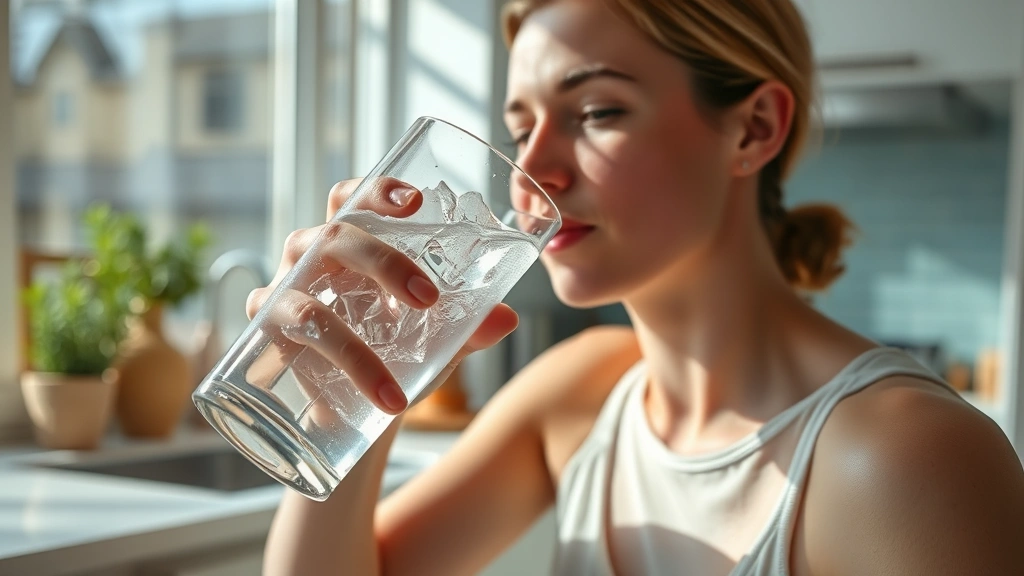
One of the most accessible applications of the ice hack is drinking ice-cold water. The theory suggests that your body must expend energy to warm cold water to body temperature, thereby burning additional calories. This process is sometimes called the “thermic effect of water” or thermogenesis.
Research does confirm that drinking water increases energy expenditure temporarily. A study published in the Journal of Clinical Endocrinology & Metabolism found that drinking 500 milliliters of water increased metabolic rate by approximately 30% for about 30-40 minutes afterward. However, the additional calories burned were relatively modest—approximately 25 calories for the entire process.
When comparing ice water to room-temperature water, the difference is even smaller. While cold water does require slightly more energy to warm, the additional expenditure is negligible—perhaps 2-3 extra calories per liter of ice water consumed. Over a day, even if someone drank multiple liters of ice water, the cumulative effect would be equivalent to a small fraction of a meal.
That said, ice water consumption may offer indirect weight loss benefits. Drinking cold water can promote satiety, potentially reducing overall calorie intake. Some individuals report that cold water consumption helps them feel fuller longer, which may support adherence to a caloric deficit. Additionally, replacing calorie-containing beverages with water—cold or otherwise—eliminates liquid calories that significantly contribute to weight gain.
The practical recommendation from nutritionists is to view ice water as a supportive habit rather than a weight loss solution. It’s hydrating, zero-calorie, and may provide modest metabolic benefits without any downside for most people. However, realistic expectations are essential: ice water alone won’t produce meaningful weight loss.
Cold Exposure Methods and Effectiveness
Various cold exposure methods are promoted for weight loss, ranging from simple (drinking ice water) to more extreme (prolonged ice baths). Understanding the evidence for different approaches helps determine which might fit into a realistic weight loss plan.
Ice Water Consumption: As discussed, this is the most accessible method. Drinking ice water throughout the day is safe for most people and may provide modest metabolic and satiety benefits. A practical approach is to drink cold water with meals and between meals as part of normal hydration.
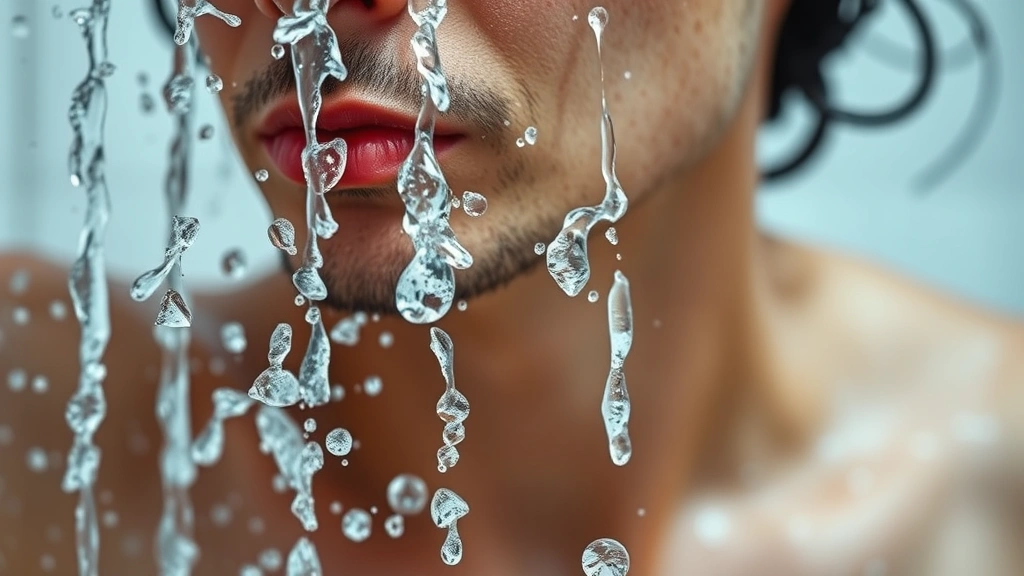
Cold Showers: Taking cold showers or ending warm showers with a cold rinse provides whole-body cold exposure without the intensity of ice baths. Research suggests that regular cold showers may increase brown fat activity and improve circulation. The duration and temperature matter—most studies showing benefits used water around 50-68°F (10-20°C) for 5-15 minutes. Cold showers are generally safe, though they may feel uncomfortable initially.
Ice Baths: Immersing the body in ice water (typically 50-59°F or 10-15°C) for 10-15 minutes represents more intense cold exposure. Studies show that ice baths activate brown fat and increase metabolic rate substantially during and after exposure. However, ice baths carry greater risks, including potential cardiac stress in susceptible individuals, and they’re challenging to maintain regularly due to discomfort.
Cryotherapy Chambers: Whole-body cryotherapy exposes individuals to extremely cold air (-200°F or below) for 2-3 minutes. While some research suggests metabolic benefits, the evidence is less robust than for other methods, and the cost is substantial. Most experts consider it unnecessary for weight loss purposes.
For most people, cold showers or ice water consumption represent the most practical, sustainable, and safe approaches. The intensity of cold exposure correlates with metabolic effects, but so does adherence—a method you’ll actually maintain consistently is more valuable than an extreme method you abandon.
Safety Considerations and Contraindications
While cold exposure is generally safe for healthy individuals, certain populations should exercise caution or avoid it entirely. Understanding these considerations ensures that any ice hack strategy supports overall health.
Cardiovascular Concerns: Cold exposure activates the sympathetic nervous system, increasing heart rate and blood pressure. Individuals with hypertension, coronary artery disease, or a history of cardiac events should consult their healthcare provider before attempting ice baths or prolonged cold exposure. Cold showers or ice water consumption are typically safer for this population.
Raynaud’s Syndrome: People with Raynaud’s phenomenon experience exaggerated vasoconstriction in response to cold, causing pain and potential tissue damage. Ice baths and intense cold exposure are contraindicated for this condition.
Pregnancy: Pregnant individuals should avoid ice baths due to potential effects on core body temperature and blood flow. Cold showers or ice water consumption are likely safe, but consultation with an obstetrician is advisable.
Hypothermia Risk: Prolonged or excessive cold exposure can lead to hypothermia, particularly in individuals with low body fat or certain medical conditions. Ice baths should be time-limited (10-15 minutes maximum) and performed in safe environments where assistance is available if needed.
Peripheral Neuropathy: Individuals with diabetes or other conditions causing nerve damage may have reduced cold sensation, increasing injury risk. Medical clearance is important before attempting intense cold exposure.
For any individual with chronic health conditions, consulting a healthcare provider before implementing the ice hack ensures safety and appropriateness. Most experts recommend starting gradually—beginning with cold showers before attempting ice baths—and monitoring how your body responds.
Combining Ice Hack with Evidence-Based Weight Loss
The ice hack achieves its maximum potential when integrated into a comprehensive weight loss strategy rather than pursued as an isolated intervention. The most successful weight loss approaches combine multiple evidence-based methods, each contributing to overall progress.
A caloric deficit remains the fundamental requirement for weight loss—consuming fewer calories than you expend. Cold exposure may modestly increase calorie expenditure, but this effect is far smaller than the caloric deficit created through dietary changes and physical activity. Focusing primarily on the ice hack while neglecting nutrition and exercise is unlikely to produce meaningful results.
Integration with Nutrition: Combine ice water consumption with a balanced, whole-food diet. The satiety benefits of cold water may help you adhere to a nutritious eating pattern. Consider incorporating protein-rich foods and high-fiber options, which provide greater satiety than processed alternatives. Staying adequately hydrated with water supports metabolism and appetite regulation independently of temperature.
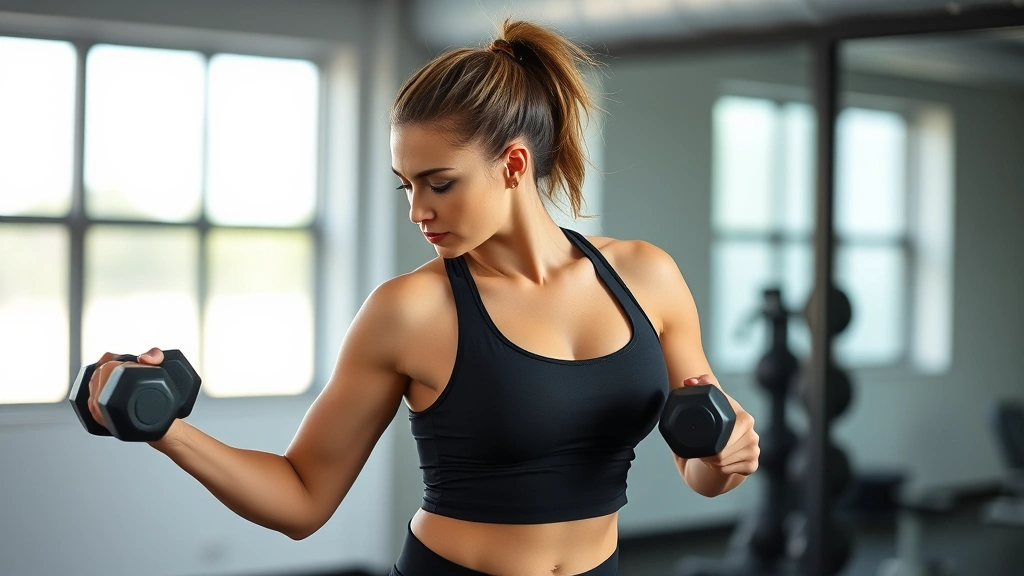
Integration with Exercise: Resistance training and aerobic exercise produce far greater metabolic benefits than cold exposure alone. Combining cold showers post-workout may provide marginal additional benefits, but the exercise itself is the primary driver of results. Aim for 150 minutes of moderate aerobic activity and 2-3 sessions of resistance training weekly.
Interestingly, some research suggests that cold exposure might enhance the benefits of exercise. Cold exposure activates similar signaling pathways as exercise, potentially amplifying metabolic adaptations. However, this effect is subtle and shouldn’t overshadow the importance of consistent training.
Integration with Sleep and Stress Management: Cold exposure and weight loss both depend on adequate sleep and stress management. Chronic sleep deprivation and high stress elevate cortisol, promoting fat storage and appetite increase. Prioritize 7-9 hours of quality sleep and incorporate stress-reduction practices. Cold showers may actually support sleep quality for some individuals by promoting relaxation and body temperature regulation.
Behavioral Sustainability: The best weight loss strategy is one you’ll maintain long-term. If ice baths feel unbearable, cold showers or ice water consumption might be more sustainable alternatives. If you dislike cold exposure entirely, focusing on nutrition and exercise without cold exposure is perfectly acceptable and likely more effective than forcing an uncomfortable practice you’ll eventually abandon.
Expert Recommendations and Realistic Expectations
Registered dietitians, obesity medicine specialists, and exercise physiologists generally agree on several key points regarding the ice hack and weight loss:
Modest Metabolic Effect: The American College of Sports Medicine acknowledges that cold exposure increases energy expenditure, but the effect is modest—typically 100-300 additional calories daily under optimal conditions. This pales in comparison to the caloric deficit created through dietary restriction or increased physical activity.
Not a Primary Strategy: Major health organizations including the CDC’s obesity and weight loss resources emphasize that successful weight loss depends on caloric deficit, physical activity, and behavioral changes. Cold exposure may be a complementary strategy but shouldn’t replace proven interventions.
Individual Variability: Response to cold exposure varies significantly based on genetics, age, fitness level, and existing body composition. Some individuals show robust brown fat activation while others show minimal response. This means results won’t be universal.
Safety First: Healthcare providers emphasize that any weight loss strategy should be safe and sustainable. For most people, ice water consumption and cold showers are safe and easy to implement. Ice baths carry greater risks and should only be attempted by generally healthy individuals with medical clearance if any health concerns exist.
Integration Over Isolation: Experts consistently recommend viewing the ice hack as one component of a multifaceted approach. The combination of moderate caloric deficit, consistent exercise, adequate sleep, stress management, and hydration produces far superior results than any single intervention.
For individuals considering medical weight loss interventions like prescription medications, cold exposure remains a supportive but secondary consideration. These medications work through appetite suppression and metabolic mechanisms that dwarf the effects of cold exposure.
The most realistic expectation is that the ice hack, properly implemented, might contribute 5-10% of the total metabolic advantage in a comprehensive weight loss program. The remaining 90% comes from caloric deficit, physical activity, and behavioral consistency. This perspective prevents unrealistic expectations while acknowledging that every metabolic advantage—however modest—can contribute to overall success.
FAQ
How much weight can I lose from the ice hack alone?
Research suggests that cold exposure alone produces minimal weight loss. While it may increase daily calorie expenditure by 100-300 calories, this requires consistent cold exposure and varies significantly between individuals. Without accompanying dietary changes and exercise, weight loss from cold exposure alone would be negligible—perhaps 1-2 pounds over several months. The ice hack should never be viewed as a standalone weight loss solution.
Is ice water better than room-temperature water for weight loss?
Ice water provides a marginal advantage over room-temperature water due to the energy required to warm it. However, the difference is very small—approximately 2-3 additional calories per liter. The primary weight loss benefits of water consumption come from hydration support and appetite suppression, which occur regardless of temperature. Drinking adequate water is more important than the temperature at which you drink it.
How often should I take cold showers for weight loss?
Research suggests that regular cold exposure (daily or most days of the week) produces better metabolic adaptations than sporadic exposure. However, consistency matters more than frequency if you’re struggling with adherence. Starting with 2-3 cold showers weekly and gradually increasing frequency as tolerance improves is a reasonable approach. Even occasional cold showers may provide some benefits, though daily exposure likely produces greater effects.
Are ice baths safe for everyone?
Ice baths carry greater risks than cold showers or ice water consumption. Individuals with cardiovascular disease, Raynaud’s syndrome, uncontrolled hypertension, or certain other conditions should avoid ice baths. Even for generally healthy individuals, ice baths should be brief (10-15 minutes) and performed safely. Always consult a healthcare provider before attempting ice baths, particularly if you have any chronic health conditions.
Can the ice hack replace exercise and diet changes?
No. The ice hack should be viewed as a complementary strategy, not a replacement for proven weight loss methods. Caloric deficit through dietary changes and increased physical activity produce far greater weight loss than cold exposure alone. The ice hack might provide a modest additional benefit when combined with proper nutrition and exercise, but it cannot substitute for these fundamental pillars of weight loss.
How long does it take to see results from the ice hack?
If the ice hack produces any weight loss, it would typically be very gradual—potentially 1-2 pounds over several months when combined with other weight loss efforts. Don’t expect rapid results from cold exposure alone. Weight loss becomes noticeable when you combine the ice hack with caloric deficit and regular exercise, and results typically appear within 4-8 weeks of consistent effort.
Does cold exposure increase brown fat permanently?
Research suggests that regular cold exposure can increase brown fat volume and activity over time. However, these adaptations are somewhat reversible—discontinuing cold exposure may gradually reduce brown fat volume. This suggests that maintaining cold exposure habits is necessary to preserve any brown fat adaptations. The practical implication is that cold exposure should be viewed as an ongoing lifestyle habit rather than a one-time intervention.


