
Infant Weight Loss Tool? Pediatrician Approved Guide to Safe Growth Monitoring
When it comes to your infant’s health, understanding healthy growth patterns is essential for every parent and caregiver. Unlike weight loss in older children and adults—where tools like celebrity weight loss journeys or pharmaceutical interventions sometimes dominate conversations—infant weight management operates under completely different principles rooted in developmental biology and pediatric medicine.
An infant weight loss calculator, when used appropriately, serves as a monitoring tool rather than a weight reduction device. Pediatricians emphasize that healthy infants naturally experience weight fluctuations during their first weeks and months of life. Understanding these normal patterns helps parents distinguish between expected physiological changes and situations requiring medical attention. This comprehensive guide explores what pediatricians actually recommend regarding infant growth tracking, when concerns are warranted, and how proper nutrition supports optimal development.
Understanding Infant Weight Patterns
Newborns typically lose weight during their first few days of life—a phenomenon that surprises many new parents but is completely normal and expected. This initial weight loss, called physiological weight loss, usually accounts for 5-10% of birth weight and occurs as infants shed excess fluids and transition from intrauterine to extrauterine life. Pediatricians consider this entirely healthy and actually use it as a baseline for monitoring subsequent weight gain.
By day 10 to 14, most infants regain their birth weight and begin steady growth. From this point forward, healthy weight gain becomes the focus rather than weight loss. The rate of growth varies among infants based on genetics, feeding method (breast milk versus formula), and individual metabolic factors. Some infants gain weight rapidly while others grow more gradually—both patterns can be completely normal when charted appropriately on standardized growth curves.
Understanding these natural patterns helps parents recognize that infant weight management isn’t about restriction or loss, but rather about supporting healthy, age-appropriate growth. This differs fundamentally from discussions surrounding hormonal influences on adult weight or strategies employed by adults pursuing weight loss through beverage modifications.

What Pediatricians Mean by Infant Weight Loss
When pediatricians discuss infant weight loss in clinical contexts, they’re referring to situations where an infant fails to regain birth weight appropriately, loses weight after the initial physiological period, or demonstrates inadequate weight gain over time. These scenarios signal potential feeding difficulties, absorption issues, or underlying medical conditions requiring investigation and intervention.
Excessive or prolonged weight loss beyond the expected physiological window warrants immediate pediatric evaluation. Causes may include inadequate milk transfer during breastfeeding, improper formula preparation, tongue-tie or other anatomical concerns affecting feeding efficiency, or medical conditions like gastroesophageal reflux, food allergies, or infections. Rather than employing weight loss strategies, pediatricians focus on identifying and resolving the underlying cause to support healthy weight gain.
An infant weight loss calculator in this context becomes a tracking and monitoring device—helping healthcare providers visualize growth trends and identify deviations from expected patterns. These calculators incorporate age-specific growth percentiles and help distinguish between normal variation and concerning trajectories. Pediatricians use them alongside clinical assessment, feeding history, developmental milestones, and physical examination findings to create comprehensive health pictures.
Using Growth Charts and Calculators Correctly
The CDC and American Academy of Pediatrics (AAP) recommend using standardized growth charts specifically designed for infants and children. These charts, available through organizations like the CDC’s growth charts database, display weight, length, and head circumference across age ranges with percentile curves.
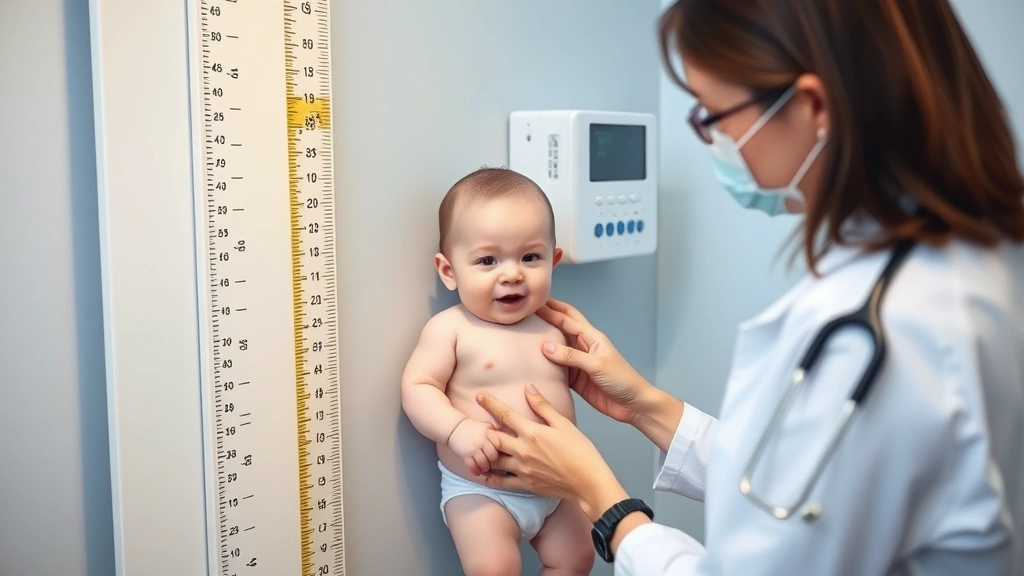
Proper use of these tools requires accurate measurements taken consistently by trained healthcare providers. Weight should be measured on calibrated scales, length using standardized length boards, and measurements recorded at each pediatric visit. When plotted on appropriate growth charts, these measurements reveal whether an infant tracks along a consistent percentile curve—the primary indicator of healthy growth.
An infant weight calculator serves several important functions when used correctly:
- Baseline establishment: Recording birth weight and initial measurements creates reference points for subsequent assessments
- Trend identification: Plotting measurements over weeks and months reveals whether an infant maintains consistent growth velocity
- Percentile tracking: Showing how an infant’s growth compares to population norms helps identify outliers requiring investigation
- Communication support: Visual representations help pediatricians explain growth patterns to parents and identify concerns early
These tools become problematic only when misused—for example, when parents attempt to restrict infant feeding based on calculator outputs or when non-medical individuals interpret results without clinical context. Pediatricians emphasize that calculators supplement, never replace, professional medical judgment and clinical assessment.
Healthy Weight Loss vs. Concerning Weight Loss
Distinguishing between normal physiological weight loss and concerning patterns requires understanding developmental timelines and clinical indicators. During the first 10-14 days, weight loss up to 10% of birth weight is expected and healthy. After this window, healthy infants should demonstrate consistent weight gain—typically 150-200 grams per week for breastfed infants and slightly more for formula-fed infants during the first three months.
Warning signs requiring immediate pediatric evaluation include:
- Weight loss exceeding 10% of birth weight
- Failure to regain birth weight by day 14-21
- Weight gain less than 100 grams per week after the initial physiological period
- Crossing percentile curves downward on standardized growth charts
- Inadequate wet diapers (fewer than 6 per day after day 5) or infrequent stools
- Signs of dehydration, lethargy, or poor feeding
- Visible jaundice persisting beyond expected timeframes
These indicators suggest feeding difficulties, metabolic issues, infections, or other conditions requiring prompt medical attention. Early identification and intervention prevent complications and support optimal growth trajectories. Parents noticing these signs shouldn’t delay seeking evaluation, as timely intervention often resolves issues quickly and prevents prolonged problems.
Feeding and Nutrition for Optimal Infant Growth
Optimal infant nutrition depends on feeding method, but core principles remain consistent: responsive feeding, appropriate frequency, and proper technique. Breast milk provides ideal nutrition for infants, with composition adapting to developmental needs over time. For infants unable to breastfeed, iron-fortified infant formula provides necessary nutrients when prepared correctly with appropriate water-to-powder ratios.
Responsive feeding—offering milk when infants show hunger cues rather than on rigid schedules—supports healthy growth and prevents both under- and overfeeding. Hunger signs include rooting, hand-to-mouth movements, and increased alertness. Satiety cues include turning away, decreased interest, and hand relaxation. Learning these signals helps parents provide appropriate nutrition without restriction or excessive feeding.
For breastfeeding infants, ensuring proper latch and transfer is essential for adequate milk intake. Lactation consultants and pediatricians can assess feeding technique and identify issues like tongue-tie that might impair milk transfer. When breastfeeding difficulties exist, supplementation with expressed breast milk or formula ensures adequate nutrition while addressing underlying problems.
Formula preparation requires careful attention to water quality and powder-to-water ratios. Improper dilution—sometimes attempted to stretch formula supplies—results in inadequate caloric intake and poor growth. Pediatricians provide explicit guidance on preparation to ensure infants receive appropriate nutrition. This differs from adult nutrition strategies like resistance training for weight management, which don’t apply to infant care.
When to Contact Your Pediatrician
Parents should contact pediatricians promptly if concerned about infant weight or growth patterns. Specific situations warranting immediate contact include:
- Excessive weight loss in the first two weeks of life
- Persistent feeding difficulties or infant difficulty latching
- Fewer than 6 wet diapers daily after the first week
- Visible weight loss or failure to grow
- Lethargy, poor feeding, or decreased alertness
- Signs of illness including fever, rash, or unusual crying
- Concerns about formula preparation or feeding technique
- Questions about growth chart placement or trends
Pediatricians welcome growth-related questions and consider them essential to comprehensive infant care. During well-child visits, they measure infants, plot measurements on growth charts, assess feeding, and address parental concerns. These visits provide ideal opportunities to discuss growth expectations, confirm appropriate feeding, and identify issues early.
Between visits, parents can contact their pediatrician’s office with concerns. Many practices offer nurse advice lines allowing quick consultation about growth, feeding, or other health questions. Early communication often prevents unnecessary worry and ensures prompt intervention if problems exist.
Common Myths About Infant Weight Loss
Several misconceptions about infant weight and growth circulate among parents, sometimes creating unnecessary anxiety or leading to inappropriate interventions. Understanding accurate information helps parents make evidence-based decisions.
Myth 1: Heavier babies are healthier babies. Reality: Growth percentile consistency matters more than absolute weight. An infant consistently tracking at the 25th percentile is growing healthily, while an infant dropping from the 75th to 25th percentile requires investigation despite remaining in the normal range.
Myth 2: All infants should follow identical growth patterns. Reality: Healthy growth varies widely based on genetics, feeding method, and individual factors. Some infants gain rapidly while others grow more gradually—both can be completely normal.
Myth 3: Introducing solids earlier promotes better growth or weight gain. Reality: Breast milk or formula provides complete nutrition for the first 6 months. Introducing solids before developmental readiness doesn’t improve growth and may introduce choking risks or allergens prematurely.
Myth 4: Restricting infant feeding prevents obesity later. Reality: Responsive feeding and allowing infants to self-regulate intake supports healthy weight management throughout childhood. Restriction during infancy can disrupt natural hunger and satiety cues, potentially increasing overeating risk later.
Myth 5: Weight loss calculators can diagnose problems without pediatric input. Reality: Calculators provide data visualization but cannot replace clinical assessment. Pediatricians interpret results within complete clinical context, considering feeding history, physical examination, developmental status, and other factors.
Understanding these distinctions helps parents appreciate that infant weight management fundamentally differs from adult approaches. While adults might explore options like medication-assisted weight loss or other strategies, infants require only responsive feeding, appropriate nutrition, and monitoring by healthcare providers.
FAQ
Is an infant weight loss calculator the same as a weight loss tool for older children or adults?
No, fundamentally different purposes apply. Infant calculators monitor growth patterns and identify deviations from normal development. Adult weight loss tools help track intentional weight reduction. Infants should never be placed on weight loss programs; instead, pediatricians focus on supporting healthy, age-appropriate growth.
How much weight loss is normal for newborns?
Physiological weight loss of 5-10% of birth weight during the first 3-5 days is normal and expected. Most infants regain birth weight by day 10-14. Weight loss exceeding 10% or persisting beyond two weeks warrants pediatric evaluation.
What should I do if my infant isn’t gaining weight as expected?
Contact your pediatrician promptly. They’ll assess feeding technique, evaluate for medical conditions, and provide specific recommendations. Early intervention often quickly resolves issues and supports healthy growth trajectories.
Can I use an infant weight loss calculator at home without pediatric supervision?
While tracking measurements can be informative, calculators shouldn’t replace professional assessment. Pediatricians provide context, interpretation, and clinical judgment that home calculations cannot. Always discuss growth concerns with your pediatrician rather than relying solely on calculator outputs.
How frequently should infants be weighed?
The American Academy of Pediatrics recommends weight checks at birth, 3-5 days, 2 weeks, 2 months, 4 months, 6 months, and then at least annually. More frequent monitoring may be appropriate for infants with feeding difficulties or growth concerns.
Are breastfed and formula-fed infants’ growth patterns different?
Yes, healthy growth rates may differ slightly between feeding methods. Breastfed infants often gain weight more gradually after the first few months compared to formula-fed infants. Both patterns can be completely healthy when tracked on appropriate growth charts and assessed by pediatricians.
What resources can help me understand infant growth charts?
The CDC provides comprehensive growth chart resources, and the American Academy of Pediatrics offers evidence-based guidance. Your pediatrician can explain your infant’s specific growth patterns and answer questions about what measurements mean for your child’s health.


