
Is Steak Healthy for Weight Loss? Nutritionists Weigh In
When it comes to weight loss, protein-rich foods often take center stage in dietary conversations. Steak, being a nutrient-dense source of high-quality protein, frequently sparks debate among nutrition professionals. The question isn’t whether steak can be part of a weight loss journey—it absolutely can be—but rather how to incorporate it strategically into your eating plan. Understanding the nutritional profile of different cuts, portion sizes, and preparation methods empowers you to make informed decisions that align with your weight loss goals.
Nutritionists across the country recognize that successful weight loss isn’t about eliminating entire food groups. Instead, it’s about creating a sustainable caloric deficit while nourishing your body with nutrient-dense foods. Steak offers significant advantages for weight loss when selected and prepared thoughtfully, including high protein content, essential micronutrients, and strong satiety value. This comprehensive guide explores what the science says about steak and weight loss, helping you determine whether and how to include it in your diet.
Steak’s Nutritional Profile for Weight Loss
Beef steak delivers an impressive array of nutrients that support weight loss efforts. A 3-ounce serving of lean sirloin steak contains approximately 180 calories, 26 grams of protein, and minimal carbohydrates. Beyond these macronutrients, steak provides essential micronutrients including iron, zinc, selenium, and B vitamins—nutrients that many people following restrictive diets risk becoming deficient in.
The nutrient density of steak makes it particularly valuable for weight loss. Unlike calorie-dense processed foods that offer little nutritional benefit, steak provides substantial micronutrient content per calorie consumed. This means you’re not just reducing calories; you’re fueling your body with compounds necessary for optimal metabolic function. Iron supports oxygen transport and energy production, while zinc plays crucial roles in immune function and hormone regulation. B vitamins, particularly B12 and niacin, are essential for converting food into usable energy.
Different cuts of steak vary in their fat content and caloric density. Understanding these variations helps you choose cuts that align with your specific weight loss objectives. Leaner cuts naturally contain fewer calories and less saturated fat, making them ideal for those prioritizing caloric restriction. However, fattier cuts offer their own advantages, including enhanced satiety and better flavor satisfaction, which can reduce overall food intake throughout the day.
Protein Power: Why Steak Supports Fat Loss
Protein stands as one of the most important macronutrients for weight loss, and steak delivers it abundantly. The thermic effect of protein—the calories your body burns digesting it—is significantly higher than carbohydrates or fat. When you consume protein, approximately 20-30% of the calories from that protein are burned during digestion, compared to just 5-10% for carbohydrates and 0-3% for fat. This metabolic advantage, while modest, contributes meaningfully to weight loss efforts over time.
Research published in the American Journal of Clinical Nutrition demonstrates that high-protein diets consistently outperform lower-protein alternatives for weight loss. Participants consuming adequate protein experience greater satiety, reduced hunger hormones, and improved appetite control. Steak, as a complete protein containing all nine essential amino acids, supports muscle preservation during weight loss—a critical factor often overlooked. When you lose weight, your body preferentially breaks down muscle tissue if protein intake is inadequate. Consuming sufficient protein, particularly from sources like steak, helps preserve lean muscle mass, which maintains your metabolic rate and improves long-term weight loss outcomes.
The satiety factor cannot be overstated. A steak-based meal keeps you feeling fuller longer compared to carbohydrate-heavy alternatives. This extended satiety reduces snacking between meals and helps you maintain your caloric deficit without constant hunger. For many people, this psychological and physiological advantage makes steak an invaluable tool for sustainable weight loss rather than temporary restriction.
Best Steak Cuts for Weight Loss
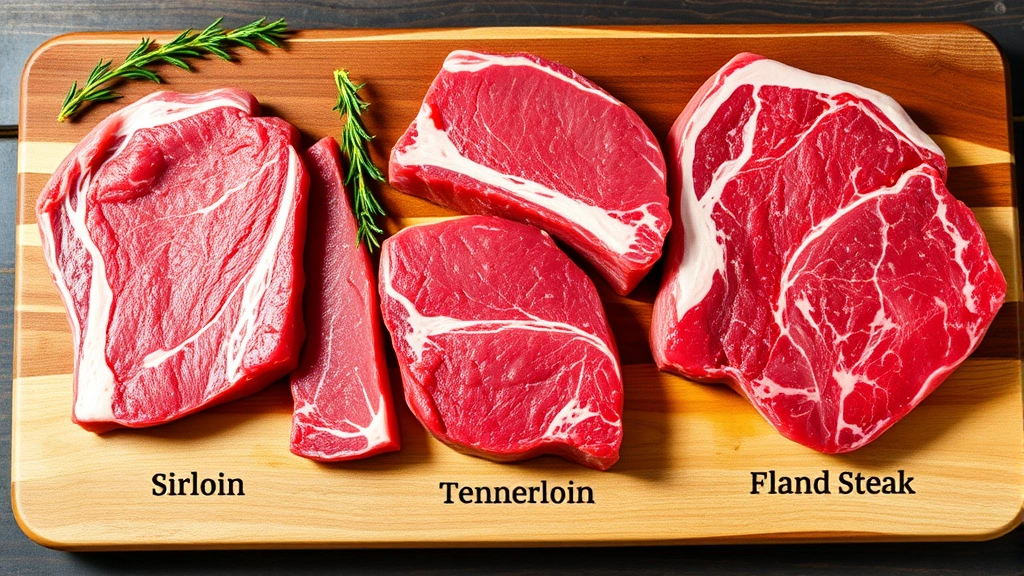
Not all steaks are created equal when it comes to weight loss. Choosing the right cuts maximizes nutritional benefits while minimizing unnecessary calories from excess fat. The leanest cuts include sirloin, tenderloin, and round steak. A 3-ounce serving of sirloin steak (trimmed of visible fat) contains approximately 180 calories and 26 grams of protein, making it an excellent choice for calorie-conscious weight loss.
Flank steak and skirt steak offer another excellent option. These cuts are relatively lean while still providing robust flavor, which means you’ll feel satisfied with smaller portions. They contain approximately 160-170 calories per 3-ounce serving with substantial protein content. Eye of round steak ranks among the leanest beef options, containing just 150 calories per 3-ounce serving with 27 grams of protein, though some find it less tender than other cuts.
Cuts to consume more sparingly include ribeye, prime rib, and porterhouse steaks. These premium cuts contain significantly more fat, with ribeye delivering approximately 280 calories and 25 grams of fat per 3-ounce serving. While these can certainly fit into a weight loss plan, they should be consumed in smaller portions or less frequently to maintain your caloric goals. The key is matching your cut selection to your specific objectives and caloric targets.
Portion Guidelines and Serving Recommendations
Portion control represents one of the most critical factors in successful weight loss. Even lean steak can contribute excess calories if consumed in oversized portions. Registered dietitians typically recommend 3-4 ounces of cooked steak as an appropriate serving for weight loss—roughly the size of your palm. This portion provides substantial protein and satiety while keeping calories manageable.
A practical approach involves using your hand as a measuring tool. Your palm (excluding fingers) roughly equals a 3-ounce serving of meat. This visual cue helps you estimate portions when dining out or at home without requiring constant measurement. For most people following a 1500-2000 calorie daily diet, a 3-4 ounce steak serving with vegetables and a complex carbohydrate creates a balanced, satisfying meal that supports weight loss.
Frequency of consumption also matters. Enjoying steak 2-3 times weekly provides nutritional benefits while allowing dietary variety and preventing monotony. This frequency ensures you’re not relying solely on one protein source and maintains the nutritional diversity necessary for long-term health. Pairing steak with nutrient-dense vegetables and whole grains creates complete meals that satisfy multiple nutritional needs simultaneously.
Consider the context of your total daily intake. If you’ve consumed adequate protein earlier in the day, a smaller steak portion becomes appropriate. Conversely, if steak represents your primary protein source for the day, a slightly larger portion may be justified. This flexible approach prevents rigid thinking while maintaining caloric accountability.
Healthy Preparation Methods
How you prepare steak dramatically impacts its healthfulness for weight loss. Grilling, broiling, and baking represent optimal cooking methods that require minimal added fat. These methods allow excess fat to drip away during cooking, naturally reducing the final caloric content. A grilled sirloin steak contains significantly fewer calories than the same cut prepared in butter or oil.
Seasoning strategies matter considerably. Rather than relying on butter, cream sauces, or high-sodium marinades, use herbs, spices, and citrus to enhance flavor. Garlic, rosemary, thyme, black pepper, and paprika add complexity without calories. Lemon juice or lime juice provides brightness and perceived richness without added fat. These approaches satisfy your taste buds while keeping your meal weight loss-friendly.
Avoid preparation methods that dramatically increase caloric content. Pan-frying in butter, topping with creamy sauces, or coating in breading transforms a lean protein into a calorie-dense meal unsuitable for aggressive weight loss. Similarly, restaurant preparations often involve butter, oil, or fatty broths that multiply the caloric content of a simple steak. When dining out, request grilled preparations with sauces on the side, allowing you to control added calories.
Marinating steak in vinegar-based marinades adds flavor while potentially improving digestive function and metabolic health. Research suggests that vinegar consumption may offer modest benefits for blood sugar control and satiety. A simple marinade of balsamic vinegar, Dijon mustard, garlic, and herbs transforms a basic steak into a flavorful meal without caloric burden.
How Steak Affects Your Metabolism
Beyond the thermic effect of protein, steak influences your metabolism through several mechanisms. The micronutrient profile of beef directly supports metabolic function. Iron deficiency impairs mitochondrial function and reduces energy production, potentially slowing metabolism. Zinc deficiency disrupts hormone balance and immune function. B vitamins serve as essential cofactors in metabolic pathways. By consuming steak, you’re providing your body with nutrients necessary for optimal metabolic performance.
Research on how to improve metabolic rate consistently identifies adequate protein intake and micronutrient sufficiency as foundational elements. Steak addresses both simultaneously. The creatine content in beef also deserves mention—while more commonly associated with supplements, dietary creatine supports muscle function and energy production, contributing to metabolic health.
Some research suggests that beef consumption, particularly grass-fed beef, provides conjugated linoleic acid (CLA) and omega-3 fatty acids that may support body composition improvements. While the effects are modest compared to overall caloric deficit, these compounds represent additional metabolic advantages steak offers. Additionally, the satiety from steak consumption helps prevent the energy crashes and subsequent overeating that undermine many weight loss efforts.
The connection between how to improve insulin resistance and protein intake proves relevant here. High-protein meals, including steak-based meals, produce smaller blood sugar spikes compared to carbohydrate-heavy alternatives. This improved blood sugar stability supports more consistent energy levels and reduces hunger driven by blood sugar fluctuations. For individuals with insulin resistance, this benefit becomes particularly significant.
Incorporating Steak Into Your Weight Loss Plan
Strategic meal planning ensures steak supports rather than undermines your weight loss goals. A balanced steak meal includes three components: a lean protein (your steak), non-starchy vegetables (at least half your plate), and a measured portion of complex carbohydrates. This structure maximizes satiety while providing diverse nutrients and managing caloric intake.
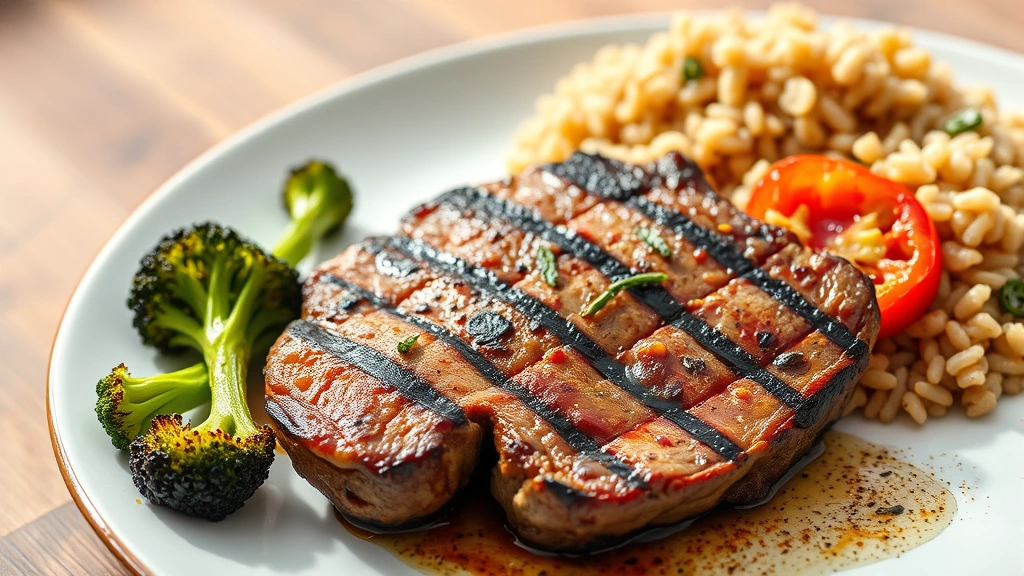
A sample weight loss meal might include a 3-ounce grilled sirloin steak (approximately 180 calories), two cups of roasted broccoli and bell peppers with minimal oil (approximately 80 calories), and one-third cup of brown rice (approximately 70 calories). This complete meal totals approximately 330 calories while delivering substantial protein, fiber, vitamins, and minerals. The fiber from vegetables and whole grains enhances satiety further, supporting your caloric deficit.
Complementing steak with other weight loss strategies amplifies results. Consuming best smoothies for weight loss for other meals provides variety while maintaining overall caloric balance. Exploring weight loss shakes as convenient meal options allows flexibility without sacrificing nutrition. Understanding how to maintain weight loss long-term ensures your steak consumption fits within sustainable eating patterns rather than temporary restriction.
For individuals exploring comprehensive weight loss approaches, consulting resources about weight loss drugs covered by insurance provides additional context for personalized strategies. Whether using dietary approaches alone or combining them with medical interventions, steak remains a valuable dietary component.
Meal prep strategies simplify weight loss maintenance. Grilling multiple steak portions on Sunday and portioning them for weekday meals ensures convenient, protein-rich options ready for quick preparation. Pairing prepped steak with various vegetable combinations prevents boredom while maintaining nutritional consistency.
FAQ
Is steak too high in saturated fat for weight loss?
Saturated fat from steak doesn’t necessarily hinder weight loss. Research published by the National Institutes of Health demonstrates that moderate saturated fat intake within a caloric deficit doesn’t impede weight loss. Lean steak cuts contain relatively modest saturated fat amounts. Prioritizing lean cuts and consuming appropriate portions addresses any concerns while maintaining steak’s nutritional advantages.
How often should I eat steak during weight loss?
Consuming steak 2-3 times weekly provides optimal benefits without excessive saturated fat intake. This frequency ensures adequate protein and micronutrient consumption while maintaining dietary variety. Some individuals thrive with steak 4-5 times weekly if using very lean cuts and appropriate portions; others prefer less frequent consumption. Individual tolerance and preferences should guide your specific frequency.
Can I eat steak every day while losing weight?
While technically possible within a caloric deficit, daily steak consumption may become monotonous and potentially limit nutritional diversity. Rotating steak with chicken, fish, legumes, and plant-based proteins ensures comprehensive nutrient intake. Additionally, daily steak consumption might increase saturated fat intake beyond optimal levels for some individuals. Variety supports both adherence and nutritional adequacy.
Does grass-fed steak offer weight loss advantages over conventional beef?
Grass-fed beef contains slightly higher omega-3 fatty acid and CLA content compared to grain-fed beef. However, these differences are modest, and both types support weight loss equally well within a caloric deficit. The more significant factor involves cut selection and portion control rather than grass-fed versus conventional sourcing. Choose based on personal preference, budget, and environmental considerations.
What’s the best steak cut for weight loss?
Sirloin and tenderloin steaks offer the best combination of leanness, flavor, and nutritional value for weight loss. Eye of round steak provides the absolute leanest option, though texture may be less desirable. Flank and skirt steaks balance leanness with flavor and tenderness. Select based on your specific caloric targets and taste preferences.
Should I trim visible fat from steak?
Absolutely. Trimming visible fat before cooking removes unnecessary calories without impacting protein or micronutrient content. A steak with trimmed exterior fat contains 20-30% fewer calories than the same cut with fat intact. This simple step significantly impacts weight loss outcomes without requiring special cooking techniques.
How does steak compare to chicken for weight loss?
Chicken breast contains slightly less fat and fewer calories than lean steak cuts, making it marginally superior for aggressive caloric restriction. However, steak offers superior micronutrient density, particularly iron and zinc. Both support weight loss excellently; choose based on satiety, preferences, and dietary variety goals. Rotating between both ensures comprehensive nutrient intake.


