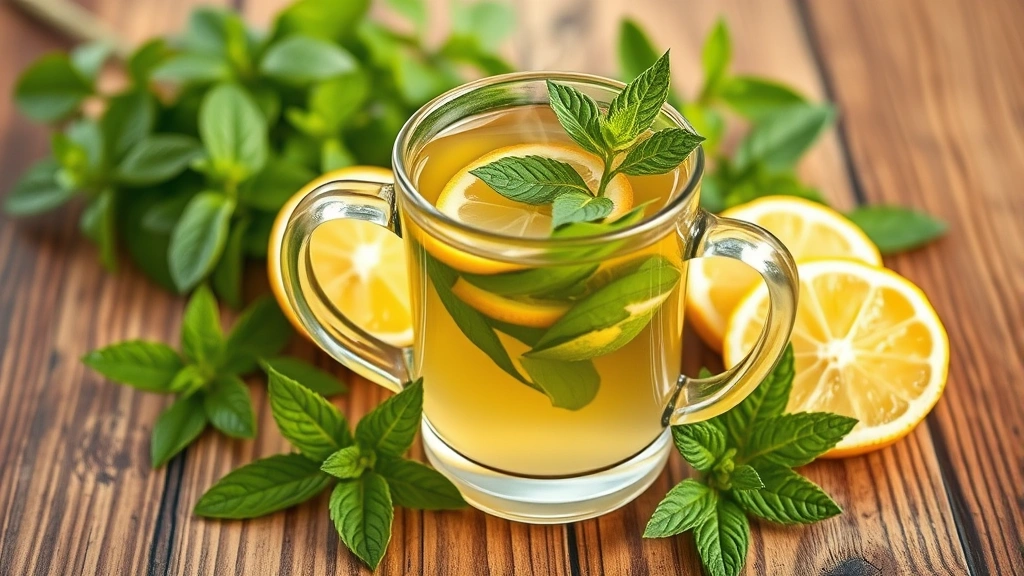
Lemon Balm Tea: Weight Loss Benefits? Nutritionist Tips
Lemon balm tea has gained attention in wellness circles as a potential natural support for weight management. This aromatic herbal beverage, made from the leaves of Melissa officinalis, offers more than just a refreshing taste—it contains compounds that may support your weight loss journey when combined with proper nutrition and lifestyle habits. Whether you’re exploring best vegetables for weight loss or seeking complementary herbal strategies, understanding lemon balm’s properties can help you make informed choices about your wellness routine.
The scientific community has begun examining lemon balm’s potential metabolic benefits, though it’s important to recognize that tea alone is not a weight loss solution. Rather, when incorporated into a holistic approach alongside proper nutrition, exercise, and stress management, lemon balm tea may offer supportive benefits. This guide explores the evidence behind lemon balm tea, provides practical recipes, and shares nutritionist-backed tips for maximizing its potential in your weight management strategy.
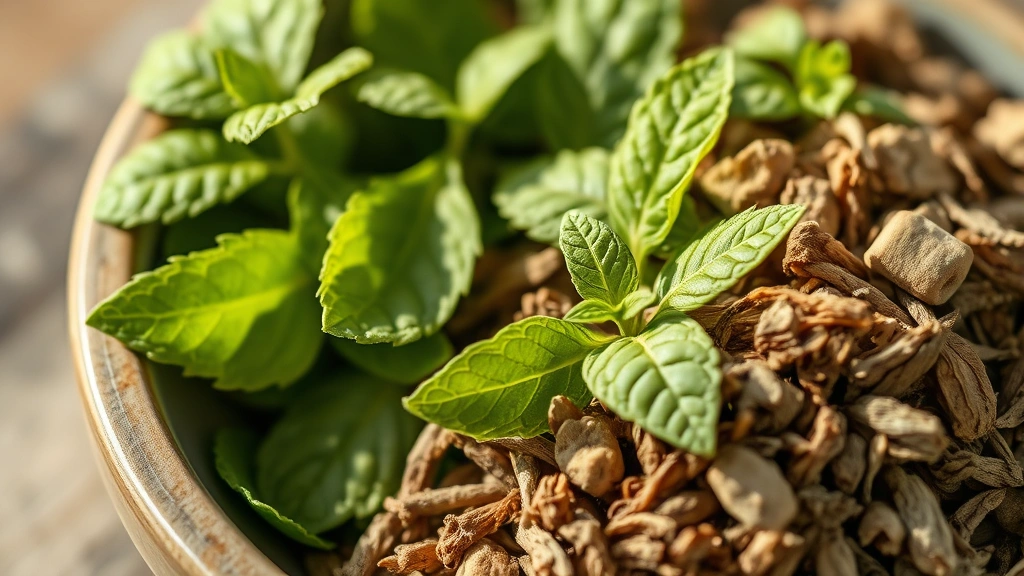
What Is Lemon Balm and How Does It Work?
Lemon balm is a perennial herb belonging to the mint family, native to south-central Asia and the Mediterranean. Its distinctive lemon-like aroma and mild citrus flavor make it a popular choice for herbal teas and culinary applications. The plant has been used in traditional medicine for centuries, particularly in European and Middle Eastern healing practices, to support digestion, reduce anxiety, and promote overall wellness.
The active compounds in lemon balm include rosmarinic acid, caffeic acid, and various polyphenols—antioxidants that may influence metabolic processes. According to research published by the National Center for Complementary and Integrative Health, these compounds may help reduce oxidative stress and support digestive function. Rosmarinic acid, in particular, has demonstrated potential anti-inflammatory properties that could support overall metabolic health.
When you steep lemon balm leaves in hot water, you extract these beneficial compounds into a drinkable form. Unlike caffeinated teas, lemon balm is naturally caffeine-free, making it suitable for consumption throughout the day without disrupting sleep patterns—an important factor since adequate sleep supports weight management. The herb’s mild sedative properties may also help reduce stress-related eating, a common obstacle in weight loss efforts.

Potential Weight Loss Benefits of Lemon Balm Tea
Digestive Support and Metabolism
One of lemon balm’s primary mechanisms for supporting weight management is its traditional use in promoting healthy digestion. A study in the Phytotherapy Research journal indicated that lemon balm may help reduce bloating and support optimal digestive function. When your digestive system works efficiently, your body can better absorb nutrients and maintain stable energy levels—both crucial for sustainable weight loss. Proper digestion also reduces the likelihood of water retention and abdominal discomfort that can mask progress on the scale.
Stress and Cortisol Reduction
Chronic stress elevates cortisol levels, a hormone that can promote fat storage, particularly around the abdominal area. Lemon balm has been shown in multiple studies to have mild anxiolytic (anti-anxiety) properties. Research from the American Psychological Association confirms that stress management is integral to successful weight loss. By incorporating lemon balm tea into your daily routine, you may help reduce stress levels naturally, which can indirectly support your weight management goals. This is particularly valuable for individuals whose weight gain is linked to emotional eating or stress-induced cravings.
Blood Sugar Regulation
Stable blood sugar levels are fundamental to weight management and sustained energy throughout the day. Preliminary research suggests that polyphenols found in lemon balm may help support healthy glucose metabolism. When blood sugar remains stable, you’re less likely to experience energy crashes that trigger cravings for sugary snacks. This makes lemon balm tea a strategic addition to meals, especially alongside protein-rich foods. Consider pairing your lemon balm tea with strategies outlined in our 7-day protein diet plan for weight loss to amplify blood sugar stabilization.
Antioxidant Benefits
The antioxidants in lemon balm combat free radicals and oxidative stress, which can interfere with metabolic function. By reducing inflammation at the cellular level, these compounds may help optimize your body’s ability to process nutrients and maintain healthy metabolic rates. This connects to the broader principle of how to improve metabolic rate, where overall cellular health supports weight management efforts.
Simple Lemon Balm Tea Recipe for Weight Loss
Basic Lemon Balm Tea Recipe
Ingredients:
- 1 cup fresh lemon balm leaves (or 1-2 teaspoons dried lemon balm)
- 8-10 ounces of filtered water
- Optional: fresh lemon juice, raw honey, or stevia for sweetness
Instructions:
- Bring filtered water to a boil (approximately 200-210°F)
- If using fresh leaves, gently crush them to release oils
- Pour hot water over lemon balm leaves in a tea infuser or strainer
- Steep for 5-7 minutes for optimal flavor and compound extraction
- Strain and serve immediately, or cool for iced tea
- Consume 1-2 cups daily, preferably between meals
Enhanced Weight Loss Blend Recipe
For maximum synergistic benefits, combine lemon balm with complementary ingredients:
- 1 teaspoon fresh lemon balm leaves
- ½ teaspoon dried ginger root (supports digestion and thermogenesis)
- ½ teaspoon green tea (adds metabolism-boosting catechins)
- 1 slice fresh lemon (vitamin C and flavor)
- 1 cinnamon stick (may help regulate blood sugar)
- 8-10 ounces hot water
Steep all ingredients together for 7-10 minutes. This blend combines lemon balm’s stress-reducing properties with ginger’s digestive support and green tea’s antioxidants—creating a comprehensive herbal weight loss support beverage.
Iced Lemon Balm Tea for Summer
Brew a large batch by steeping 2-3 cups of fresh lemon balm leaves in 1 quart of hot water for 10 minutes. Strain, cool, and refrigerate. Add ice, fresh mint, and a squeeze of lemon before serving. This refreshing version makes it easier to meet your daily herbal intake, especially during warm months when hot beverages seem less appealing.
Nutritionist Tips for Maximum Benefits
Timing Matters
Consume lemon balm tea strategically throughout your day. Drink one cup upon waking to support digestion and provide a calm start to your morning. Have another cup mid-afternoon to manage the energy dip that often triggers snacking. The timing around meals is important—drinking lemon balm tea 15-20 minutes before eating may help prepare your digestive system and promote satiety, helping you eat smaller portions naturally.
Quality and Sourcing
For maximum potency, source high-quality lemon balm. If possible, grow your own lemon balm plant—it thrives in most climates and requires minimal care. Fresh leaves contain higher concentrations of active compounds than dried versions. If purchasing dried lemon balm, choose organic sources from reputable suppliers to avoid pesticide residues. Store dried leaves in airtight containers away from light and heat to preserve their beneficial compounds.
Consistency Is Key
Weight loss benefits from herbal supplements emerge through consistent use over weeks and months, not days. Incorporate lemon balm tea into your daily routine as a non-negotiable habit, similar to brushing your teeth. This consistency allows your body to experience the cumulative stress-reducing and digestive benefits that support weight management. Many nutritionists recommend 2-3 cups daily as an optimal intake level.
Hydration Integration
Remember that lemon balm tea counts toward your daily hydration goals. Proper hydration is essential for weight loss—it supports metabolic function, reduces appetite, and improves exercise performance. By making lemon balm tea part of your hydration strategy, you’re simultaneously meeting your water intake goals while accessing the herb’s benefits.
Combining Lemon Balm with Other Weight Loss Strategies
Lemon balm tea achieves its greatest potential when integrated into a comprehensive weight management approach. The herb works synergistically with other evidence-based strategies to support your goals.
Nutrition Foundation
Pair lemon balm tea consumption with solid nutritional choices. Ensure your diet emphasizes whole foods, adequate protein, and vegetables. Our guide on best vegetables for weight loss provides detailed recommendations for produce that supports weight management. Lemon balm tea complements a nutrient-dense diet by supporting digestion of these whole foods.
Exercise Synergy
Physical activity accelerates weight loss and improves overall health. Lemon balm’s stress-reducing properties may enhance your willingness to exercise by improving mood and reducing cortisol—hormones that can inhibit motivation. The caffeine-free nature of lemon balm tea makes it suitable to drink before, during, or after workouts without interfering with sleep. Consider exploring best cardio machine for weight loss options to complement your herbal support strategy.
Protein Integration
Protein is crucial for weight loss—it promotes satiety, supports muscle preservation, and has a higher thermic effect than other macronutrients. Combine lemon balm tea with adequate protein intake. Our 7-day protein diet plan for weight loss offers structured guidance for incorporating sufficient protein while managing calories. Drink lemon balm tea alongside protein-rich meals to maximize digestive support and satiety.
Smoothie Enhancement
For those interested in meal replacement or supplemental nutrition, lemon balm tea can enhance smoothies. Brew a strong batch, cool it, and incorporate it into your beverage. This adds herbal benefits without increasing calorie content. See our weight loss smoothie guide for recipes that can incorporate lemon balm for added wellness benefits.
Hormonal Support for PCOS
Women with polycystic ovary syndrome (PCOS) often face unique weight loss challenges due to insulin resistance and hormonal imbalances. Lemon balm’s potential blood sugar-regulating properties may provide additional support. Review our best diet for PCOS weight loss guide for comprehensive strategies that can include lemon balm tea as a complementary tool.
Safety Considerations and Side Effects
General Safety Profile
Lemon balm is generally recognized as safe by the FDA for culinary and medicinal use. It has been consumed safely for centuries across multiple cultures. The herb has minimal side effects for most people, making it an accessible option for those seeking natural weight loss support.
Potential Interactions
While rare, lemon balm may interact with certain medications. If you take sedatives, thyroid medications, or blood thinners, consult your healthcare provider before adding lemon balm tea to your routine. The herb’s mild sedative properties could theoretically enhance the effects of prescription sedatives. Individuals with thyroid conditions should monitor their intake, as some herbal compounds may affect thyroid function.
Pregnancy and Nursing
Pregnant and nursing women should consult healthcare providers before consuming lemon balm in medicinal quantities. While culinary amounts are generally considered safe, large medicinal doses haven’t been extensively studied in these populations. It’s always better to err on the side of caution during pregnancy and lactation.
Allergic Reactions
Though uncommon, individuals with allergies to mint family plants may experience reactions to lemon balm. Symptoms might include skin irritation, oral irritation, or gastrointestinal upset. If you have known mint allergies, start with small amounts of lemon balm tea and monitor your body’s response carefully.
Quality Control
Purchase lemon balm from reputable suppliers to ensure purity and avoid contamination. Pesticide residues or mold can diminish health benefits and introduce toxins. Organic certification provides additional assurance of quality standards.
FAQ
How much weight can I expect to lose by drinking lemon balm tea?
Lemon balm tea is a supportive tool, not a primary weight loss solution. It cannot replace proper nutrition and exercise. In combination with a calorie-controlled diet and regular physical activity, lemon balm tea may contribute to modest additional weight loss through improved digestion, stress reduction, and metabolic support. Most people notice benefits after consistent use for 4-8 weeks. Individual results vary based on overall lifestyle factors.
Can I drink lemon balm tea every day?
Yes, lemon balm tea is safe for daily consumption. Most nutritionists recommend 2-3 cups per day. Some people drink it daily for months or years without adverse effects. However, if you’re taking medications or have health conditions, consult your healthcare provider about appropriate intake levels for your situation.
Is fresh lemon balm better than dried?
Fresh lemon balm generally contains higher concentrations of active compounds and offers superior flavor. However, properly dried lemon balm retains significant beneficial properties and offers convenience and longer shelf life. Both forms are effective—choose based on availability and preference. Dried lemon balm is easier to store and portion, while fresh offers maximum potency.
When should I drink lemon balm tea for weight loss?
Optimal timing includes one cup upon waking to support digestion, another mid-afternoon to manage energy and prevent snacking, and potentially before meals to promote satiety. Avoid drinking large quantities in the evening, as while it’s caffeine-free, some people find herbal teas disrupt sleep if consumed too close to bedtime. Experiment to find your ideal timing.
Can I combine lemon balm tea with other weight loss supplements?
Lemon balm pairs well with many natural supplements like green tea, ginger, and cinnamon. However, avoid combining with prescription weight loss medications without consulting your doctor. Some supplement combinations may interact unexpectedly. Always inform your healthcare provider about all supplements and herbs you’re consuming.
Does lemon balm tea have calories?
Plain lemon balm tea brewed in water contains virtually no calories—typically less than 5 calories per cup. This makes it an excellent choice for weight loss support without contributing to your daily calorie intake. However, if you add honey, sugar, or milk, you’ll increase the calorie content significantly. Use calorie-free sweeteners if desired.
How long does it take to see weight loss results?
While some people notice improved digestion and reduced stress within days, weight loss results typically become apparent after 4-8 weeks of consistent lemon balm consumption combined with proper diet and exercise. The herb works gradually by supporting metabolic and digestive processes. Patience and consistency are essential—avoid expecting dramatic results from any single supplement.


