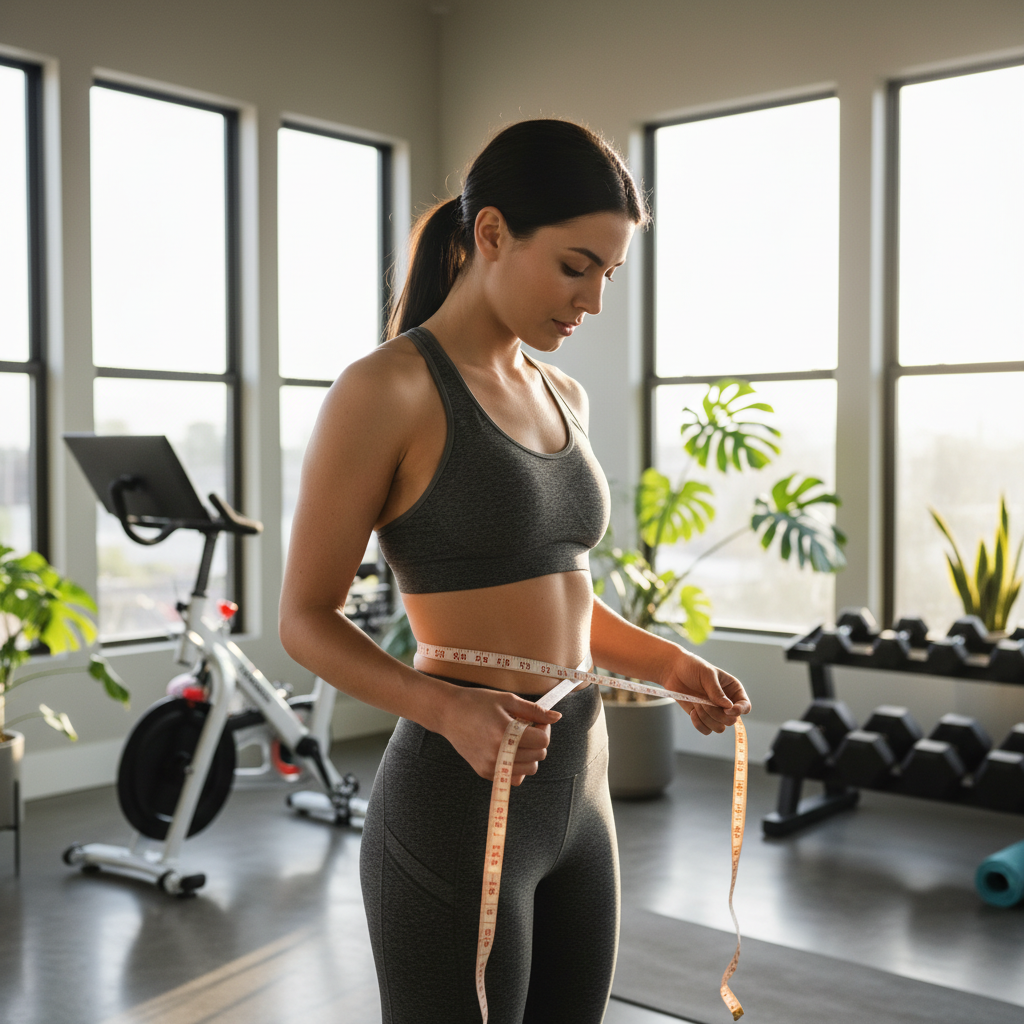
Table of Contents
Introduction
You step on the scale, holding your breath. The numbers flash up, and… disappointment. Again. Sound familiar? If you’ve been working your tail off in the gym and eating better, yet the scale seems stuck in some cruel time warp, you’re not alone. Here’s the thing though—that scale is only telling you part of the story. And honestly? It’s not even the most interesting part.
Weight loss goes way deeper than those stubborn digits. Sure, your scale gives you a number, but it’s basically taking a snapshot of your entire body mass in one moment. What it can’t tell you? Whether you’re losing fat, gaining muscle, or how your body is actually changing shape. That’s where body measurements become your new best friend. Think about it—you could be losing inches off your waist while gaining lean muscle, but your scale weight might stay exactly the same. Frustrating, right? But when you measure your waist, hips, chest, arms, and thighs, suddenly you see the real magic happening. It’s like switching from a blurry photo to HD—everything becomes crystal clear.
Now, let’s talk strategy. The most effective approach combines smart nutrition with consistent movement. You’ve probably heard about weight loss high protein foods—and there’s good reason for that buzz. Protein doesn’t just help preserve your hard-earned muscle when you’re in a calorie deficit; it also keeps you feeling full longer. (No more 3 PM snack attacks!) Pair that with the right fitness tips for weight loss that blend cardio with strength training, and you’ve got a recipe for real body transformation.
But here’s what I find really exciting about measurement tracking—it changes how you feel about your progress. Picture this: your scale hasn’t budged in two weeks, but your jeans are fitting looser around the waist. Which one feels better? Exactly. Those tangible changes you can see and feel create a completely different relationship with your journey. And let’s be real—weight loss isn’t just physical. Your mind plays a huge role too. That’s why understanding weight loss and stress management can be a game-changer. When you’re stressed, everything becomes harder, including sticking to healthy habits.
What You’ll Learn in This Guide
Ready to ditch the scale obsession and discover what’s really happening with your body? This guide will show you exactly how to track your progress in a way that actually makes sense and keeps you motivated.
- The Importance of Body Measurements: Why the scale lies (okay, not lies, but definitely doesn’t tell the whole truth) and how measurements give you the real scoop on your progress.
- How to Take Accurate Measurements: Step-by-step instructions for measuring yourself consistently—because doing it wrong defeats the whole purpose.
- Strategies for Tracking Progress Over Time: How to set up a measurement system that actually works, plus how to read those changes and adjust your plan accordingly.
- Weight Loss Treatment and Best Practices: Real-world nutrition and exercise tips that work hand-in-hand with measurement tracking to help you lose fat and build muscle.
As we dive deeper, you’ll discover the science behind why your body composition changes the way it does. More importantly, you’ll learn how to interpret what those changes mean for your goals. No more guessing games or feeling confused when the numbers don’t match your expectations.
We’ll also explore practical strategies that go beyond just taking measurements. Think cardio workouts for fat burning that actually work with your lifestyle, plus nutrition insights that make eating well feel less like a punishment and more like self-care. Because here’s what I’ve learned—sustainability beats perfection every single time. We’ll also touch on the smaller details that make a bigger difference than you’d think: hydration timing, when to eat your meals, and yes, even the mental side of food relationships.
Whether you’re just starting out or you’ve been frustrated with traditional tracking methods, this multi-dimensional approach will completely shift how you view your transformation. Get ready to celebrate victories you never even knew you were having.
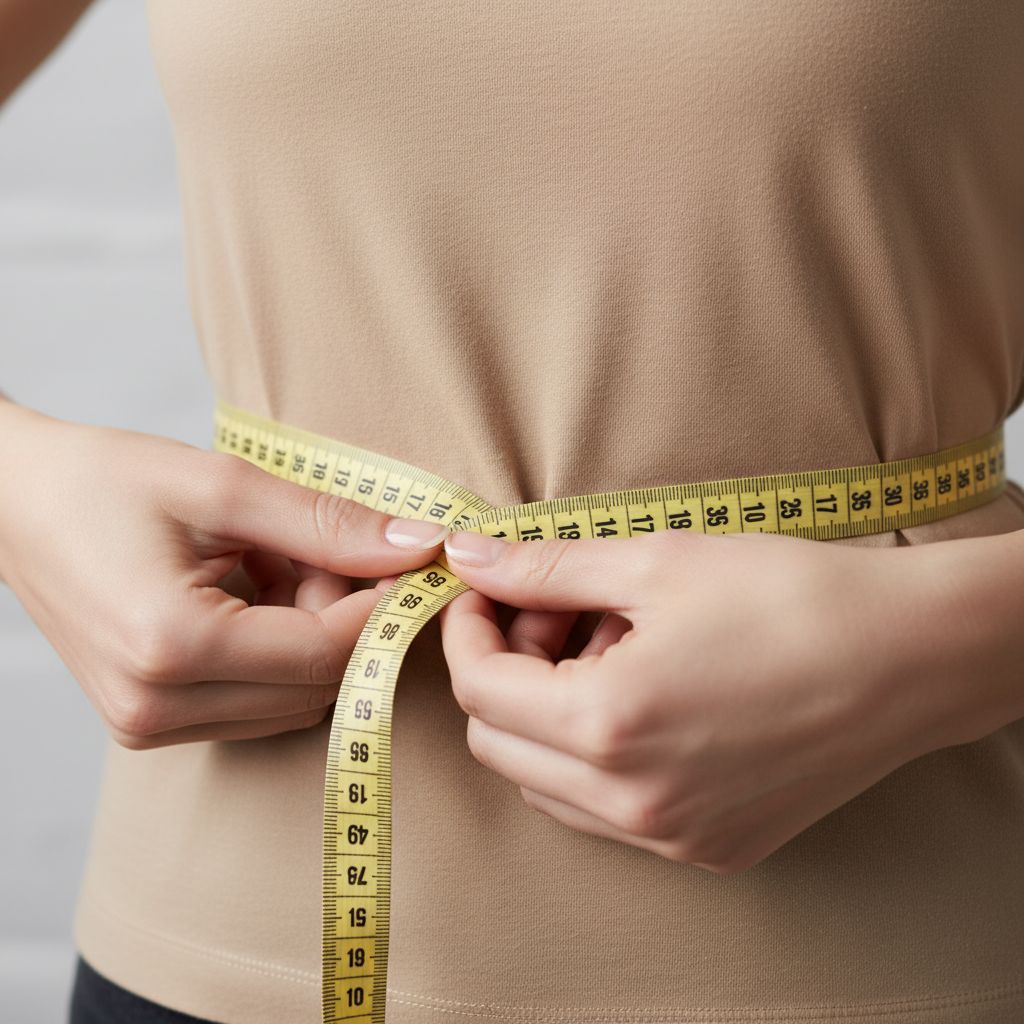
Here’s something that might surprise you: stepping on a scale tells you almost nothing about what’s actually happening to your body. I know, I know—the scale seems like the obvious way to track weight loss progress. But here’s the thing: that number doesn’t care whether you’re losing fat, gaining muscle, or just holding onto some extra water from yesterday’s pizza night. Pretty frustrating, right? That’s exactly why smart people have started measuring their bodies instead of just weighing them. When you track measurements, you get the real story—where you’re losing fat, where you’re building muscle, and how your body is actually changing. Think of it as getting a behind-the-scenes look at your transformation instead of just reading the headlines.
The Importance of Body Measurements in Weight Loss
Let’s be honest about something: the scale is kind of a liar. Not intentionally, but it’s measuring everything—your bones, your muscles, your organs, that big glass of water you just drank, even the food still working its way through your system. So when you’ve been eating well and working out but the scale hasn’t budged? That doesn’t mean you’re failing. It might mean you’re building muscle while losing fat, which is actually incredible progress.
This is where body measurements become your new best friend. They show you what’s really happening in specific areas. Your waist might be shrinking (goodbye, belly fat!) while your arms are getting more defined (hello, muscle tone!). The scale can’t tell you that story, but a measuring tape absolutely can.
Now, if you want to make sure those measurements tell the right story, you’ll want to understand how high protein foods support weight loss. Getting enough protein helps you keep that hard-earned muscle while you’re losing fat—which means your measurements will reflect true fat loss rather than muscle loss. When you’re tracking areas like your waist, hips, chest, arms, and thighs, you’re basically becoming a detective of your own progress. Each measurement gives you clues about what’s working and what might need tweaking in your plan.
Key Aspects of Body Measurements
Ready to become a measurement pro? Here’s what each area tells you about your progress:
- Waist Measurement: This one’s huge. Your waist measurement is like a report card for the fat around your organs (the really dangerous stuff). When this number goes down, you’re not just looking better—you’re getting healthier from the inside out.
- Hip Measurement: Perfect for figuring out whether you’re losing fat or gaining muscle in your lower body. Super helpful if you’re doing squats and wondering whether that “weight gain” is actually muscle.
- Chest Measurement: This gives you the scoop on what’s happening up top. Are you building upper body strength? Losing fat around your torso? Your chest measurement has answers.
- Arm and Thigh Measurements: These are your muscle-building indicators. When these measurements are going up while your waist is going down? That’s the sweet spot—you’re building lean muscle and losing fat.
The trick is measuring consistently—same time, same conditions, same spots every time. Do this, and you’ll start seeing patterns that the scale could never show you. Plus, you’ll know exactly when it’s time to shake up your routine.
Of course, getting accurate measurements isn’t just about grabbing a tape measure and hoping for the best. There’s definitely a right way to do this.
How to Take Accurate Body Measurements
Okay, let’s talk technique. Because if you’re going to track measurements (and you absolutely should), you want to make sure those numbers actually mean something. Bad technique = unreliable data = frustration when you can’t tell if you’re making progress.
Here’s what matters most: consistency. Same person taking measurements, same time of day, same spots on your body every single time. I recommend morning measurements before breakfast and definitely before your workout. Why? Because your body size actually changes throughout the day. Who knew?
You don’t need fancy equipment—just a good measuring tape and maybe a mirror so you can see what you’re doing. The key is finding those specific spots on your body and measuring the exact same places every time. Some people even use a washable marker to mark their measurement spots. Smart move.
Key Aspects of Accurate Measurement Taking
Want measurements you can actually trust? Follow these rules:
- Use Proper Tools: Get yourself a flexible fabric measuring tape. Those metal ones carpenters use? Not helpful here. You want something that bends with your body without cutting into your skin.
- Consistent Timing: Pick a time and stick with it. First thing in the morning works best because your body hasn’t had time to fluctuate from food, drinks, or exercise yet.
- Correct Tape Placement: Find your landmarks—the narrowest part of your waist, the widest part of your hips. These don’t change, so you can always measure the same spots.
- Proper Tape Tension: Snug but not tight. The tape should touch your skin all the way around without squeezing. Think “firm handshake,” not “death grip.”
When you nail this routine, something amazing happens: you stop guessing about your progress and start knowing. Those measurements become your roadmap, showing you exactly what’s working and what needs to change. And honestly? That kind of clarity is worth its weight in gold.

Here’s the truth about tracking your weight loss journey: the scale lies. Well, not exactly lies, but it definitely doesn’t tell the whole story. What we’ve covered in this guide shows you why body measurements matter so much—they reveal what’s really happening when you’re losing fat, building muscle, or completely reshaping how you look and feel. Your waist, hips, chest, arms, and thighs? These are the areas that tell the real story. When you measure them consistently with the right tools, you get data you can actually trust. No more wondering if those scale fluctuations mean anything (spoiler alert: they usually don’t).
Think of keeping a measurement log like maintaining a diary of your body’s transformation. Whether you’re old school with pen and paper, tech-savvy with spreadsheets, or prefer apps that do the math for you—it doesn’t matter. What matters is tracking those trends over time so you can make smart adjustments to your plan. Because here’s what works: measurement tracking combined with solid nutrition and consistent exercise. High protein foods become your best friend for keeping muscle while losing fat. Add some strength training and cardio to the mix, and you’ve got a recipe for serious body transformation.
This bigger picture approach changes everything about how you see your journey. You’re not just chasing a number on a scale anymore—you’re building a stronger, healthier version of yourself, inside and out. When you understand what your measurements are telling you and pair that knowledge with thoughtful food choices and smart exercise, something magical happens. You develop lasting confidence and genuine wellness that goes way beyond any before-and-after photo.
Ready to put this into action? Start with a simple, consistent measurement routine using everything we’ve talked about. Keep those numbers organized (however works best for you) so you can actually see your progress unfold. Want to supercharge your results? Check out weight loss high protein foods that’ll help you hold onto muscle while torching fat—they’re game-changers for staying satisfied too. And don’t forget the fitness side of things: mixing cardio with resistance training gives you that balanced transformation everyone’s after. But here’s something people often overlook—your mental game matters just as much. Take a look at weight loss and stress management to make sure your mind is supporting what your body is trying to achieve.
You’ve got the knowledge now. You’ve got the tools. Most importantly, you understand that real progress isn’t just about what the scale says—it’s about how you feel and how your body is actually changing. Celebrate every inch lost and every bit of muscle gained, because that’s what sustainable results look like. Your journey isn’t just about getting smaller; it’s about getting stronger, healthier, and more confident in your own skin. Stay consistent, trust the process, and remember: the best transformations happen when you focus on the whole picture, not just the numbers. Keep those workouts effective and engaging—your future self will thank you for it.
Frequently Asked Questions
-
How often should I take my body measurements?
- Monthly measurements are recommended for tracking meaningful progress without daily fluctuations.
-
Can I lose fat without seeing changes on the scale?
- Yes, fat loss can occur with muscle gain, which might keep the scale steady but reduce measurements.
-
What if my measurements increase but I feel healthier?
- This could indicate muscle gain, which is a positive outcome during weight loss.
-
Are body measurements more reliable than weight?
- They provide additional information that weight alone can’t show, helping create a fuller picture.
-
When should I seek a doctor’s advice about weight loss?
- If you experience rapid weight changes or health symptoms that concern you, consult a healthcare professional.