Lysine for Weight Loss? Expert Reviews Inside
Amino acids have become increasingly popular in weight loss discussions, with lysine emerging as a supplement many people consider. But does this essential amino acid actually help you shed pounds, or is it just another wellness trend? We’ll examine what the science says about lysine for weight loss, how it works in your body, and whether it deserves a place in your weight management strategy.
Lysine is one of nine essential amino acids your body cannot produce on its own, meaning you must obtain it through food or supplementation. While it plays crucial roles in protein synthesis, calcium absorption, and immune function, the connection to weight loss is less straightforward than many supplement companies suggest. Understanding the real evidence behind lysine can help you make informed decisions about your weight management approach.

What Is Lysine and How Does It Work
Lysine is a basic amino acid classified as essential because your body requires it but cannot synthesize it independently. This amino acid plays multiple roles in your body’s physiological processes. It’s a structural component of proteins found throughout your muscles, organs, skin, and connective tissues. Beyond structural functions, lysine participates in enzyme production, hormone regulation, and the formation of collagen and elastin.
Your body uses lysine to create carnitine, a compound involved in fatty acid metabolism and energy production. This connection to fat metabolism is why some proponents claim lysine supports weight loss. Additionally, lysine helps regulate blood sugar levels and supports immune function through antibody production. When you consume lysine-rich foods or supplements, your digestive system breaks down the protein into individual amino acids, which are then absorbed and transported throughout your body for various metabolic processes.
The amino acid also plays a role in calcium absorption, which indirectly influences metabolism and bone health—factors that matter for long-term weight management. However, having adequate lysine doesn’t automatically trigger weight loss. Like most nutrients, lysine works best as part of a comprehensive health strategy rather than as a standalone solution.

The Science Behind Lysine and Weight Loss
Scientific evidence directly linking lysine supplementation to weight loss is limited and inconclusive. Most research on lysine focuses on its other health benefits, such as immune support and bone health, rather than weight reduction. A search through clinical databases reveals no robust, large-scale studies specifically demonstrating that lysine supplementation causes significant weight loss in humans.
However, there are indirect mechanisms through which adequate lysine intake might support weight management. Since lysine is essential for carnitine synthesis, and carnitine plays a role in transporting fatty acids into mitochondria for energy production, theoretically optimal lysine levels could support fat metabolism. Some research suggests that carnitine supplementation may have modest effects on weight loss, but this doesn’t necessarily mean lysine supplementation provides the same benefit.
The most promising connection involves lysine’s role in protein synthesis and muscle maintenance. When you engage in protein shakes for weight loss, you’re providing your body with amino acids including lysine. Adequate protein intake, including sufficient lysine, helps preserve lean muscle mass during calorie restriction, which is crucial for maintaining metabolic rate. Muscle tissue burns more calories at rest than fat tissue, so maintaining muscle during weight loss efforts can support better long-term results.
Research published in nutrition journals consistently shows that adequate protein intake supports weight loss better than low-protein diets. Since lysine is one component of complete proteins, ensuring you get enough lysine as part of your overall protein consumption matters more than lysine supplementation alone. The Academy of Nutrition and Dietetics emphasizes that whole-food protein sources provide lysine along with other beneficial nutrients that isolated amino acid supplements cannot replicate.
Lysine vs Other Amino Acids for Weight Management
When comparing lysine to other amino acids for weight loss, several stand out with more substantial research support. Leucine, one of the branched-chain amino acids (BCAAs), has demonstrated more direct effects on muscle protein synthesis and metabolic rate. Studies show that leucine activates mTOR signaling pathways that stimulate muscle protein synthesis more effectively than lysine alone.
Glutamine and arginine have also received more research attention for weight management and metabolic health. Arginine may support endothelial function and blood flow, potentially enhancing exercise performance. Glutamine supports gut health and immune function, which indirectly influences weight management through improved digestion and nutrient absorption. These amino acids show more specific mechanisms related to body composition changes than lysine currently demonstrates.
That said, lysine shouldn’t be dismissed entirely. It works synergistically with other amino acids to support overall protein function. The real key to amino acid benefits lies in consuming complete proteins that provide all nine essential amino acids in proper ratios. Whether you choose coffee weight loss strategies enhanced with protein or whole-food sources, the amino acid profile matters more than individual amino acid supplementation.
Complete proteins from sources like poultry, fish, eggs, and legumes provide lysine alongside leucine, methionine, and other amino acids your body needs. This comprehensive amino acid profile supports muscle maintenance and metabolic health far better than isolated lysine supplements ever could.
Food Sources of Lysine
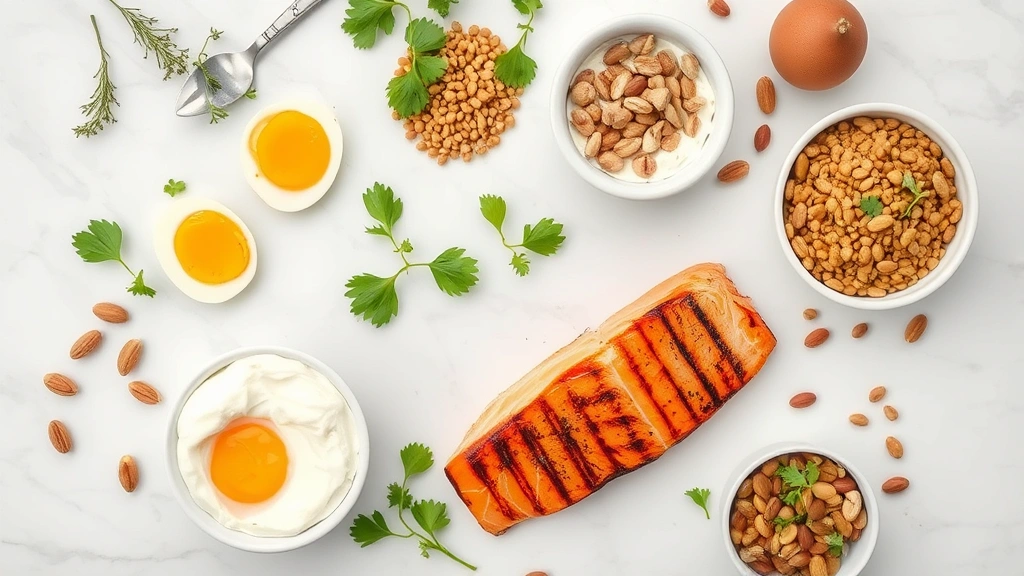
Rather than relying on supplements, most people can obtain adequate lysine through dietary sources. Animal-based proteins typically contain higher lysine concentrations than plant-based options. Poultry, particularly chicken and turkey, provides excellent lysine content along with other essential nutrients. Fish and seafood, including salmon, tuna, and cod, offer not only lysine but also omega-3 fatty acids that support metabolic health.
Eggs represent one of the most bioavailable lysine sources, with each egg containing approximately 0.5 grams of lysine. Dairy products including milk, yogurt, and cheese provide lysine along with calcium, which supports bone health during weight loss. Beef and pork contain substantial lysine amounts, though portion control matters for calorie management.
Plant-based lysine sources include legumes such as lentils, chickpeas, and beans, though they contain lower lysine concentrations than animal sources. Pumpkin seeds, peanuts, and pistachios provide lysine along with healthy fats and fiber. Quinoa stands out among grains as a complete protein containing all essential amino acids including lysine. Spirulina and other algae-based proteins offer lysine for those following vegan or vegetarian diets.
Combining different protein sources throughout the day ensures you receive adequate lysine. For instance, pairing beans with rice creates a complete protein profile. Including diverse protein sources in your meals—whether through healthy slow cooker recipes for weight loss or other cooking methods—naturally provides the lysine your body needs without supplementation.
The recommended dietary allowance (RDA) for lysine is approximately 30 mg per kilogram of body weight daily. Most people consuming adequate protein easily meet this requirement through food alone. For a 70-kilogram (154-pound) adult, this translates to roughly 2,100 mg daily, which a single chicken breast provides.
Lysine Supplementation Considerations
If you’re considering lysine supplementation for weight loss, several factors deserve careful consideration. First, most healthy individuals consuming adequate protein already obtain sufficient lysine through food. Supplementing beyond your body’s needs doesn’t provide additional benefits and may strain your kidneys over time, particularly if you have pre-existing kidney conditions.
Lysine supplements come in various forms: capsules, tablets, and powders. Typical supplement doses range from 500 to 3,000 mg daily, though research hasn’t established optimal dosages for weight loss specifically. Quality varies significantly among manufacturers, and the supplement industry remains largely unregulated by the FDA for efficacy claims.
Potential side effects of excessive lysine intake include gastrointestinal distress, nausea, and abdominal cramping. High-dose lysine supplementation may interfere with arginine absorption, potentially affecting immune function and cardiovascular health. People with kidney disease, those taking certain medications, or individuals with amino acid metabolism disorders should consult healthcare providers before supplementing.
Cost represents another consideration. Quality lysine supplements can be expensive, and you’d likely spend less money obtaining lysine through food sources while gaining additional nutrients simultaneously. A registered dietitian can assess whether supplementation truly benefits your specific situation.
Rather than isolated amino acid supplements, if you’re interested in amino acid support for weight loss, protein shakes containing complete amino acid profiles provide better value and more comprehensive nutritional support. These options deliver not just lysine but all essential amino acids in proper ratios that your body recognizes and utilizes effectively.
Integrating Lysine Into Your Weight Loss Plan
The most practical approach to lysine and weight loss involves ensuring adequate protein intake through whole foods rather than pursuing lysine supplementation specifically. Focus on consuming adequate total protein—approximately 1.6 to 2.2 grams per kilogram of body weight if you’re actively trying to lose weight—which naturally provides sufficient lysine.
Include diverse protein sources throughout your day. Start your morning with eggs or Greek yogurt, incorporate fish or poultry at lunch, and include legumes or dairy at dinner. This variety ensures you receive not just lysine but the complete amino acid spectrum your body needs. If you enjoy coffee, exploring strategies like the coffee method for weight loss combined with adequate protein creates a more comprehensive approach than relying on any single nutrient.
Consider your overall weight loss strategy holistically. Adequate protein intake—including lysine—supports muscle maintenance during calorie deficits, which helps preserve metabolic rate. However, creating a sustainable calorie deficit remains the fundamental requirement for weight loss. No single amino acid, regardless of its metabolic roles, can overcome the laws of energy balance.
If you’re exploring advanced weight loss interventions, consult with healthcare providers about evidence-based options. Some individuals benefit from medications like semaglutide for weight loss, which work through different mechanisms than amino acid supplementation. These conversations should include discussion of nutritional adequacy, including amino acid intake.
Track your protein intake for a week to assess whether you’re meeting recommendations. Most people discover they’re already consuming adequate lysine without supplementation. If you’re falling short, adjust your food choices rather than adding supplements. This approach provides better nutrition, costs less, and delivers results without unnecessary risk.
Expert Perspective on Lysine and Weight Loss
Registered dietitian nutritionists and obesity medicine specialists generally don’t recommend lysine supplementation specifically for weight loss. The Academy of Nutrition and Dietetics emphasizes that whole-food protein sources provide superior nutritional profiles compared to isolated amino acid supplements. Their evidence-based position reflects the current scientific literature, which lacks compelling data supporting lysine supplementation for weight reduction.
Experts instead focus on strategies with robust research support: creating calorie deficits, consuming adequate protein from diverse sources, engaging in resistance exercise, managing stress, and prioritizing sleep. These fundamentals address the multiple factors influencing weight management far more effectively than any single supplement.
The Obesity Medicine Association emphasizes that sustainable weight loss requires comprehensive lifestyle approaches rather than supplement-based solutions. When amino acids are relevant to weight management discussions, they’re considered as part of adequate protein intake rather than isolated nutrients warranting supplementation.
Some clinical researchers note that the supplement industry’s marketing of lysine for weight loss often exceeds what evidence supports. This gap between marketing claims and scientific evidence is common in the supplements space. Before investing in any supplement, checking whether claims are supported by peer-reviewed research published in reputable journals provides important perspective.
Practical Tips for Optimizing Protein and Amino Acid Intake
To maximize benefits from adequate amino acid intake during weight loss, implement these practical strategies. First, distribute protein evenly across meals rather than consuming most at one sitting. Research suggests that consuming 20-40 grams of protein per meal optimizes muscle protein synthesis throughout the day.
Second, pair protein sources with vegetables and whole grains to create balanced meals that support satiety and nutrient density. A chicken breast with quinoa and roasted vegetables provides complete amino acids, fiber, vitamins, and minerals—far superior to isolated lysine supplementation.
Third, if you enjoy cinnamon in coffee for weight loss strategies, enhance them with protein powder or Greek yogurt to increase amino acid content and improve satiety. This combination creates a more effective breakfast strategy than coffee alone.
Fourth, experiment with different protein sources to find options you genuinely enjoy. Sustainable weight loss requires foods you’ll actually eat consistently. If you dislike chicken, explore fish, turkey, tofu, legumes, or dairy alternatives. Variety also ensures you receive diverse nutrient profiles beyond just amino acids.
Fifth, consider meal timing around your exercise routine. Consuming protein within a few hours after resistance training supports muscle protein synthesis and recovery. This timing matters more for body composition than the specific amino acid composition, but adequate lysine as part of complete protein supports the process.
FAQ
Does lysine directly cause weight loss?
No. Scientific evidence doesn’t support lysine supplementation as a direct weight loss agent. While lysine plays important metabolic roles, it works best as part of adequate overall protein intake rather than as an isolated supplement. Weight loss fundamentally depends on creating a calorie deficit through diet and exercise.
How much lysine do I need daily?
The recommended dietary allowance is approximately 30 mg per kilogram of body weight. For most adults, this translates to 1,500-2,500 mg daily, easily obtained through consuming adequate protein from food sources. Most people meeting general protein recommendations automatically achieve sufficient lysine intake.
Is lysine supplementation safe?
For most healthy individuals, lysine supplementation in moderate amounts is generally safe. However, excessive intake may cause gastrointestinal issues, and high doses could potentially affect arginine balance. People with kidney disease or those taking certain medications should consult healthcare providers before supplementing.
Can I get enough lysine from plant-based foods?
Yes, though plant-based lysine sources typically contain lower concentrations than animal sources. Legumes, seeds, nuts, and quinoa provide lysine. Combining different plant proteins throughout the day ensures adequate intake. Vegans and vegetarians can easily meet lysine requirements through thoughtful food selection.
Is lysine supplementation better than getting it from food?
Food sources are superior. Whole foods provide lysine alongside fiber, vitamins, minerals, and other beneficial compounds. Supplements provide isolated lysine without these complementary nutrients. Cost-effectiveness also favors food sources, making dietary approaches more practical for most people.
Should I take lysine if I’m doing strength training for weight loss?
Focus on adequate total protein intake rather than isolated lysine supplementation. Consuming 1.6-2.2 grams of protein per kilogram of body weight from diverse food sources provides all amino acids your muscles need, including lysine. This approach is more effective and economical than supplementing individual amino acids.
Can lysine help with appetite control?
Lysine itself doesn’t specifically suppress appetite. However, adequate protein intake—including sufficient lysine—promotes satiety and helps control hunger hormones. This appetite-suppressing effect comes from overall protein consumption rather than lysine specifically.


