
Table of Contents
Introduction
Here’s something that might surprise you: one of the most powerful weight loss tools is probably sitting right there in your kitchen. I’m talking about water—plain, simple H2O. You’ve probably heard this advice before, but here’s the thing most people don’t realize: drinking enough water can actually supercharge your weight loss efforts while boosting your energy and overall health. It’s not just about staying hydrated (though that’s important too). There’s real science behind why water works so well for shedding pounds.
Your body is basically a complex machine, and like any machine, it needs the right fuel to run efficiently. When it comes to weight management, water plays a starring role in almost every process. Think about metabolism—that’s how your body turns food into energy. Without enough water, your metabolism can slow to a crawl, making it way harder to burn calories. But here’s where it gets interesting: drinking water can actually help you feel full, which means you’re less likely to overeat. How many times have you reached for a snack when you were actually just thirsty? (It happens to the best of us.) For anyone serious about tracking their progress, understanding weight loss and body measurements can give you the insights you need to stay motivated and on track.
Now, let’s talk about the other ways water supports your weight loss goals. Ever notice how bloated you feel when you’re not drinking enough? That’s because proper hydration keeps your digestive system running smoothly. Water helps break down food, absorb nutrients better, and prevents that uncomfortable constipated feeling that can make you feel heavier than you actually are. And if you’re working out (which you should be), water becomes even more crucial. It lubricates your joints, regulates your body temperature, and helps you push through those tough workouts that really torch calories. The connection between hydration and exercise performance is no joke—stay hydrated, and you’ll likely find yourself able to work out longer and harder. Of course, exercise is just one piece of the puzzle. Managing stress is equally important since chronic stress can actually sabotage your weight loss efforts. Check out this guide on weight loss and stress management to tackle those hidden roadblocks.
Water also plays beautifully with whatever diet approach you’re following. Take keto, for example—those folks are focused on getting their bodies to burn fat for fuel. Guess what helps that process along? Yep, staying properly hydrated. It supports fat metabolism and keeps your energy levels steady (crucial when you’re adjusting to a new way of eating). Plus, when you’re well-hydrated, you’re less likely to mistake thirst for hunger and accidentally sabotage your diet with unnecessary snacking. Speaking of diet and exercise working together, the right fitness approach can make all the difference. These fitness tips for weight loss show you how to blend cardio, strength training, and nutrition for results that actually stick.
What You’ll Learn in This Guide
Ready to discover exactly how water can transform your weight loss journey? I’m going to break down everything you need to know about hydration and weight management. You’ll learn the science behind why water works, get specific guidelines for how much to drink, and walk away with practical strategies to make proper hydration a natural part of your routine.
- Understanding the Physiological Role of Water: Learn how water influences your metabolism, supports fat burning, and assists your body in processing nutrients efficiently throughout the weight loss process.
- Appetite Control through Hydration: Discover strategies on how drinking water before meals and throughout the day can help you feel fuller and reduce overeating tendencies naturally.
- Optimal Water Intake Guidelines: Find out how much water to drink daily for effective weight management and how factors like activity levels and climate can change your hydration needs.
- Practical Tips for Staying Hydrated: Get actionable advice on how to increase your water intake consistently with simple habits, reminders, and flavoring options to keep it enjoyable.
What you’ll find here isn’t just theory—it’s science-backed information you can actually use. We’ll cover how to spot the signs that you’re not drinking enough (some might surprise you) and how to avoid the opposite problem of drinking too much. By the time you finish reading, you’ll have a clear roadmap for using hydration as a weight loss tool that actually works.
We’ll get into the nitty-gritty of how water affects your body’s fat-burning capabilities and why timing your water intake can make a real difference. Whether you’re wondering about drinking water before meals, during workouts, or just throughout your regular day, I’ve got you covered. Plus, we’ll figure out your personal hydration needs based on your lifestyle—because someone who runs marathons obviously needs more water than someone who works at a desk all day.
If you’re the type who likes to track more than just the number on the scale (smart move, by the way), you’ll want to understand all the ways to measure your progress. This comprehensive guide to weight loss and body measurements will show you how to stay motivated and fine-tune your approach as you go.
Look, I know it might seem too simple to be true. But sometimes the most effective solutions are the simplest ones. Drinking enough water won’t solve everything, but it can absolutely give your weight loss efforts the boost they need. Let’s dive in and discover how this everyday habit can become your secret weapon for getting healthier, feeling more energized, and finally reaching those goals you’ve been working toward.

Here’s something most people don’t realize: that glass of water you’re sipping right now? It’s quietly working behind the scenes to help you lose weight. Water isn’t just about staying hydrated—it’s actually one of your metabolism’s best friends. Think about it: your body is constantly burning calories, managing hunger, and breaking down fat. And water? It plays a starring role in all of these processes. When you’re properly hydrated, everything from your digestion to your workout performance gets a boost. So let’s dive into how something as simple as drinking more water can genuinely support your weight loss goals.
How Water Intake Affects Weight Loss
Water works its weight loss magic through some pretty fascinating ways. First up: it literally speeds up your metabolism. When you’re well-hydrated, your body burns more calories—even when you’re just sitting on the couch. This metabolic boost might seem small, but over time? It adds up to real results. Plus, here’s a neat trick: drinking water before meals naturally makes you feel fuller, so you’re less likely to overeat or reach for that second helping. Your body also needs water to flush out toxins and keep your digestion running smoothly—both crucial for maintaining a healthy weight. And if you’re serious about tracking your progress, you’ll want to check out these weight loss progress tracking techniques to see how hydration fits into your bigger picture.
But water does more than just keep you hydrated. It’s like having a personal assistant for your metabolism and appetite. Studies show that people who drink water before eating typically consume fewer calories during their meal. Not bad for something that costs virtually nothing, right? There’s more: when you’re properly hydrated, you avoid that sluggish, tired feeling that makes you want to skip your workout. (We’ve all been there.) Regular water intake also helps reduce bloating caused by too much sodium—and let’s be honest, who doesn’t want to feel less puffy? When you combine good hydration habits with a balanced diet, your body becomes much better at burning fat and holding onto that lean muscle you’ve worked so hard to build.
Key Aspects of How Water Influences Weight Loss
Let’s break down exactly how water becomes your weight loss ally:
- Water Boosts Metabolic Rate: Here’s where it gets interesting—drinking water actually increases the calories your body burns through something called thermogenesis. It’s basically your body’s heat production system. Cold water works even better because your body has to use energy to warm it up to body temperature. Keep yourself hydrated, and your metabolism keeps humming along at peak performance.
- Water Aids in Appetite Control: Ever notice how sometimes you think you’re hungry, but you’re actually just thirsty? Drinking water before and during meals helps you recognize true hunger versus thirst, naturally reducing how much you eat. It’s like having a built-in portion control system.
- Hydration Supports Fat Metabolism: This one’s crucial—your body needs water to break down stored fat through a process called lipolysis. Without enough water, this fat-burning process slows to a crawl. So even if you’re doing everything else right with diet and exercise, dehydration can sabotage your efforts.
- Proper Hydration Enhances Digestion and Waste Elimination: Nobody likes talking about it, but regular bowel movements are essential for weight management. Water keeps everything moving smoothly through your digestive system, preventing constipation and bloating that can mask your real progress on the scale.
Now that you understand why water is so important for weight loss, you’re probably wondering: exactly how much should you be drinking? And when? That’s where things get a bit more personalized.
How Much Water to Drink for Weight Loss
The old “8 glasses a day” rule? It’s not wrong, but it’s not the whole story either. Your ideal water intake depends on quite a few factors: how much you weigh, how active you are, what the weather’s like, and your overall health. That 64-ounce guideline is a decent starting point, but many experts suggest adjusting based on your personal needs—especially if you’re trying to lose weight and staying active. The goal is finding that sweet spot where your body operates like a well-oiled machine without going overboard. (Yes, you can drink too much water, though most people don’t need to worry about that.) If you want to make sure your hydration strategy works well with everything else you’re doing, take a look at these tips for maintaining a balanced diet that complements your water intake.
Here’s the thing about timing: not all water drinking is created equal when it comes to weight loss. Chugging a glass before dinner? Smart move—it helps you feel satisfied with less food. Sipping throughout your workout and rehydrating afterward? Essential for keeping your calorie-burning engine running efficiently. And if it’s hot outside or you’re in a dry climate, your body loses water faster than you might realize. Staying ahead of dehydration prevents your metabolism from slowing down and keeps you energized for those workouts that are so important for reaching your goals.
Key Aspects of Water Intake Guidelines
When figuring out your personal hydration strategy, keep these factors in mind:
- Physical Activity Levels: The more you move, the more you sweat—and the more water you need to replace what you’ve lost. This isn’t just about staying comfortable during your workout; it’s about maintaining the metabolic boost that exercise provides. Plan to drink extra before, during, and after exercise based on how intense and long your sessions are.
- Climate and Environmental Conditions: Hot, humid days make you sweat more (obviously), but dry conditions can be sneaky water thieves too. Even in cold weather, you might not feel as thirsty, but your body still needs adequate hydration to keep your metabolism firing on all cylinders.
- Health Status and Medical Conditions: Some health conditions—like kidney or heart issues—can affect how much water is safe and beneficial for you. If you have any concerns, it’s worth having a conversation with your healthcare provider about what’s right for your situation.
- Timing Your Water Intake: Strategic hydration is where the magic happens. Drinking water at the right times—like before meals and around workouts—maximizes the weight loss benefits. Just avoid chugging massive amounts all at once (your kidneys won’t thank you), and instead aim for steady sipping throughout the day.
Getting your hydration right isn’t just about the number on the scale—though that’s certainly a nice bonus. When you’re properly hydrated, you’ll have more energy, better workouts, and an overall sense of feeling good in your body. And honestly? That might be the best weight loss benefit of all.
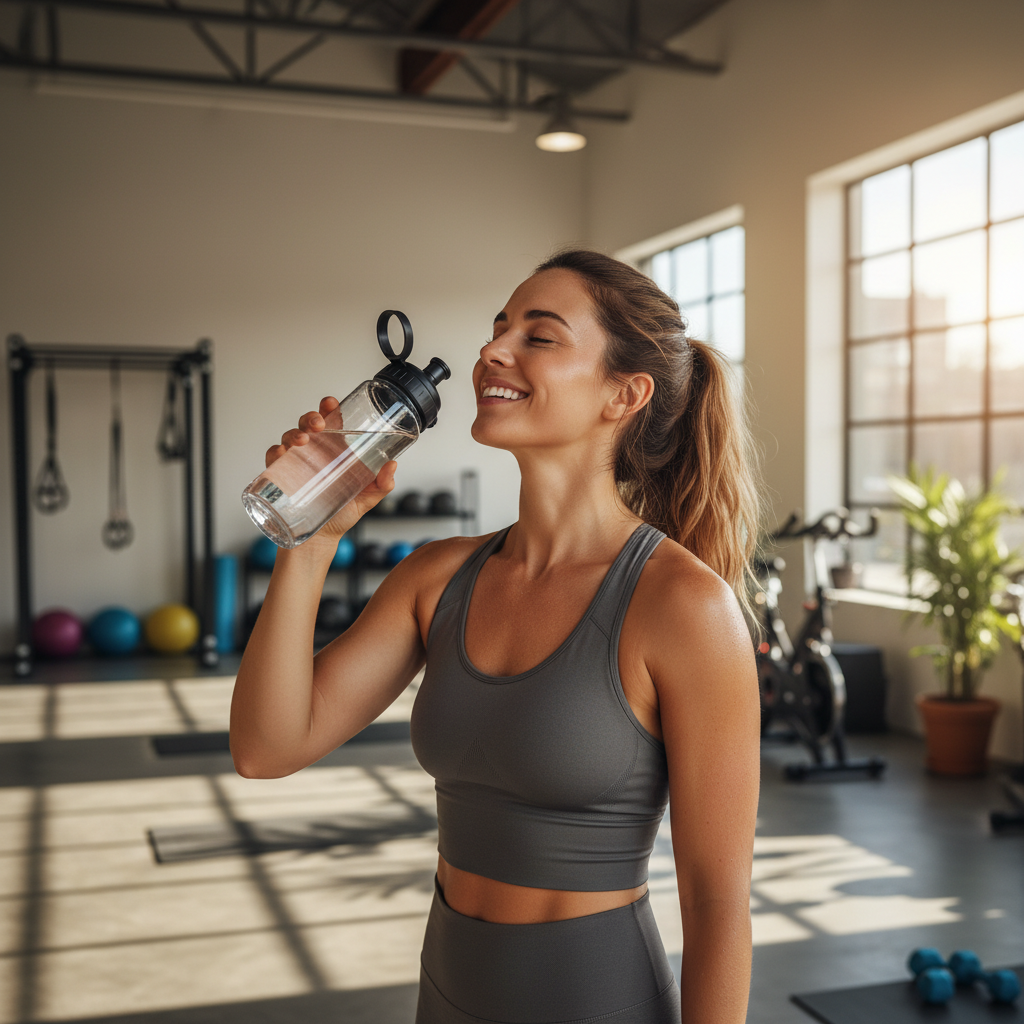
Here’s the thing about water and weight loss—it’s not magic, but it’s pretty close. Water acts like your body’s behind-the-scenes assistant, quietly supporting every process that helps you shed those extra pounds. We’ve covered how it revs up your metabolism (yes, even while you’re binge-watching Netflix), helping you burn more calories throughout the day. Sure, the boost might seem small, but think of it like compound interest—those extra calories add up over time. And here’s a simple trick that actually works: drink a glass of water before meals. Your stomach gets the memo that it’s filling up, which means you’re less likely to polish off that entire plate of pasta or reach for seconds.
But water does so much more than just make you feel full. It’s essential for lipolysis—fancy word for how your body breaks down stored fat. When you’re dehydrated? That fat-burning process basically hits the brakes. Your digestive system needs water too, which is why staying hydrated helps reduce that annoying bloating that makes your jeans feel tighter than they actually are. And if you’re working out (which you should be), water keeps you going strong. It maintains your stamina and prevents your body from overheating, so you can push through that last set or finish that run without feeling like you’re going to collapse.
Now, here’s where it gets personal—your water needs aren’t the same as everyone else’s. Your activity level matters. The climate you live in matters. Your overall health matters. Maybe you need more water because you’re training for a marathon, or less because you spend most of your day in air conditioning. The key is figuring out what works for your body and your lifestyle. Time it right too—sip water before meals to help with appetite control, and keep a bottle handy during workouts. Watch for signs that you’re getting dehydrated (headaches, fatigue, dark urine), but don’t go overboard either. Yes, you can drink too much water, and that’s not good for you either.
Ready to take action? You’ve got the knowledge—now let’s put it to work. Since you understand how water supports your weight loss goals, your next move might be learning how to track your progress properly. Check out our guide on weight loss and body measurements for practical tips on measuring changes, fine-tuning your nutrition, and optimizing your workouts for lasting results. Want to build better hydration habits? Start simple: set phone reminders, add some lemon or cucumber to your water for flavor, and track your daily intake until it becomes second nature. And while we’re talking about building healthy habits, don’t forget about financial wellness too—stress can derail your weight loss efforts, so our guide on how to build an emergency fund might help you create the financial security that supports your overall well-being.
The bottom line? Water isn’t just something you drink when you’re thirsty—it’s your weight loss ally. Every sip supports your metabolism, helps control your appetite, keeps your digestion running smoothly, and powers your workouts. Make hydration a non-negotiable part of your routine, and you’ll be amazed at how much better you feel. More energy, better focus, stronger motivation—and yes, steady progress toward your goals. This journey isn’t about perfection; it’s about consistent, caring choices. Starting with something as simple as drinking more water? That’s a win you can achieve today.
Frequently Asked Questions
-
Can drinking water alone cause weight loss?
- Water supports weight loss but works best combined with a healthy diet and exercise.
-
How much water should I drink daily for weight loss?
- Generally, about 8 cups (64 oz) is recommended, but needs vary per individual.
-
Is it possible to drink too much water?
- Yes, overhydration can be dangerous and cause symptoms like nausea and confusion.
-
Does drinking water before meals help control appetite?
- Yes, drinking water before eating may reduce calorie intake by increasing fullness.
-
Are there the best times to drink water for weight loss?
- Drinking water before meals and throughout the day aids metabolism and appetite control.