Table of Contents
Introduction
Here’s something that might surprise you: losing just 10 pounds could be the game-changer your blood pressure has been waiting for. I know, I know—you’ve probably heard about weight loss and heart health before. But stick with me here, because the connection between dropping pounds and lowering blood pressure is more powerful (and more achievable) than most people realize.
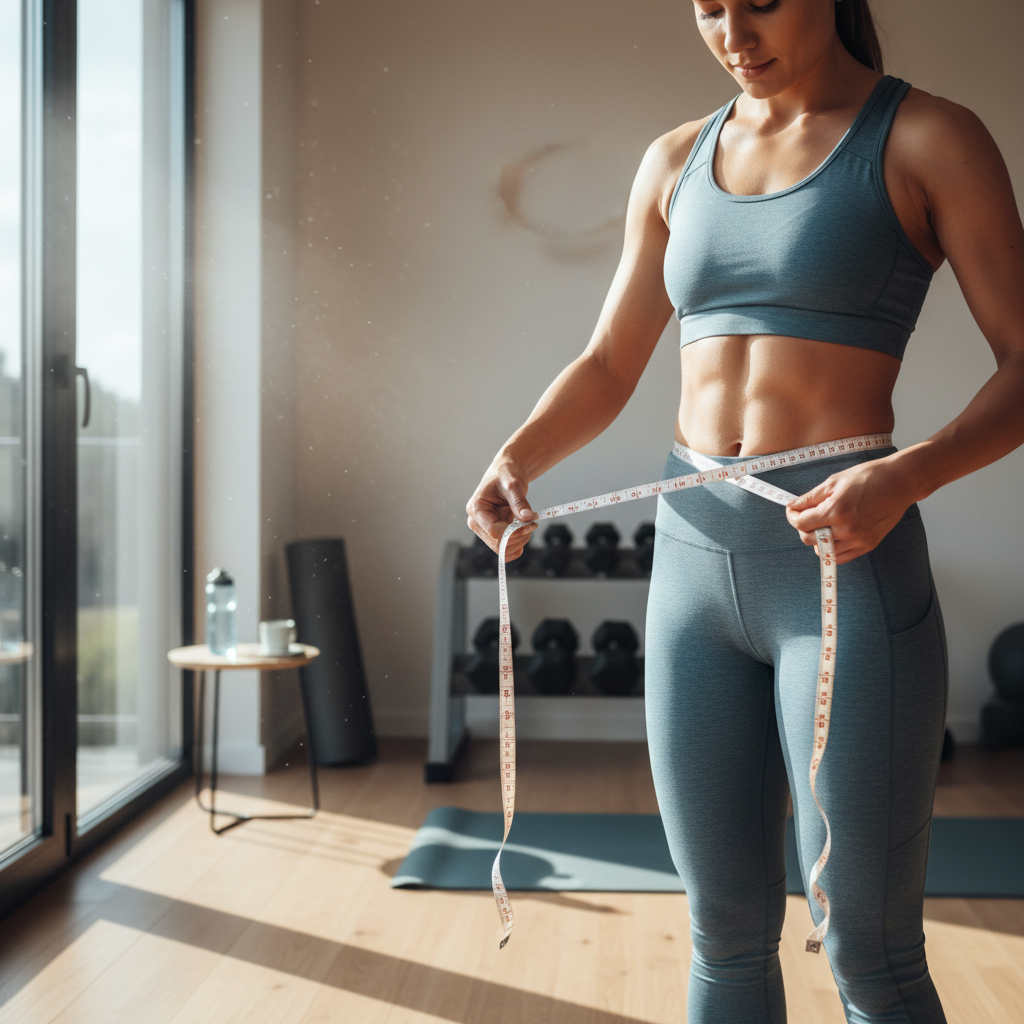
Let’s get real for a moment. Extra weight doesn’t just affect how your clothes fit—it’s literally making your heart work overtime. Think of it like this: every extra pound is like carrying a backpack that never comes off. Your heart has to pump harder to supply blood to all that additional tissue. The American Heart Association isn’t just being dramatic when they point out that high blood pressure becomes way more common as weight goes up. Your cardiovascular system feels every extra pound, and frankly, it’s getting tired. That’s where smart tracking comes in—and resources like weight loss and body measurements tracking can help you see exactly how your efforts are paying off (because sometimes the scale lies, but your measurements don’t).
Now, here’s where it gets interesting. What you eat affects both your weight and your blood pressure in ways you might not expect. High-protein foods aren’t just great for building muscle—they’re secret weapons for keeping you full and revving up your metabolism. And water? Don’t even get me started on how underrated proper hydration is. Check out this piece on weight loss and water intake if you want to see how something as simple as drinking enough water can boost your metabolism and help you eat less. (Seriously, it’s like getting a two-for-one deal on health benefits.)
But here’s the thing about fitness—it’s not just about burning calories. Sure, that matters for weight loss. But when you combine cardio with strength training? Magic happens. Your heart gets stronger, your blood pressure improves, and you start feeling like yourself again. The fitness tips for weight loss approach really works because it’s not about punishing yourself—it’s about building a stronger you. And speaking of building strength, let’s talk about something people often overlook: your mental health. The connection between nutrition and mental health is huge. When you’re stressed, your blood pressure spikes. When you’re eating well, your brain feels better. It all connects.
What You’ll Learn in This Guide
Ready to understand how weight loss can transform your blood pressure? We’re going to break this down into bite-sized pieces that actually make sense.
- The Weight-Blood Pressure Link: Why extra pounds put your heart under pressure, and how losing even a little weight can make a big difference in how your cardiovascular system functions.
- Effective Nutritional Strategies: The foods that work double-duty for weight loss and blood pressure control, plus hydration tricks that most people completely miss.
- Fitness for Heart Health: Exercise routines that don’t just burn calories but actually strengthen your heart and improve circulation—without making you dread your workouts.
- Mental and Emotional Wellbeing: How your food choices affect your mood and stress levels, and why managing stress is just as important as managing calories.
Throughout this guide, we’ll get into the nitty-gritty of how weight affects blood pressure, but more importantly, what you can actually do about it. No complicated medical jargon—just practical strategies that work. We’ll also explore why a balanced diet isn’t just about weight control. It’s about giving your body (and your brain) the fuel it needs to function at its best. Better energy, clearer thinking, and yes—better blood pressure.
One more thing: staying motivated is half the battle. That’s why we’ll look at some practical approaches to building consistency, including fitness challenges for beginners that won’t intimidate you but will definitely get results. Because here’s what I’ve learned—small, consistent changes beat dramatic overhauls every single time.
Before we get into the specifics of monitoring your blood pressure, working with medications (if needed), and knowing when to call your doctor, I want you to understand something important. This isn’t just about numbers on a scale or readings on a blood pressure cuff. This is about feeling better, having more energy, and taking control of your health in a way that actually fits into your real life. Ready to see how weight loss can change everything about your cardiovascular health? Let’s do this.

Let’s get real about something that affects millions of people: the connection between your weight and your blood pressure. This isn’t just about looking good in your clothes (though that’s a nice bonus). We’re talking about your heart, your health, and potentially adding years to your life. When you understand how these two factors work together, you’ll see why losing even a modest amount of weight can make such a dramatic difference in your blood pressure readings—and your overall well-being.
The Relationship Between Weight and Blood Pressure
Here’s what happens when you’re carrying extra weight: your heart basically becomes an overworked employee. Think about it—more body mass means more tissue that needs blood supply, so your heart has to pump harder to get blood everywhere it needs to go. That increased pressure? It’s not just a number on a monitor. It’s your blood pushing against artery walls with more force than they’re designed to handle long-term. Over time, this can damage those vessel walls and set you up for hypertension and all the scary stuff that comes with it. If you’re serious about tracking your progress, understanding weight loss and body measurements can help you see exactly how your efforts are paying off.
But here’s the good news—and it’s really good news. When you lose weight, your body doesn’t just look different; it works differently. Your blood vessels become less stiff and resistant. Blood flows more easily. Your heart doesn’t have to work as hard. We’re talking about real, measurable drops in both your systolic and diastolic numbers. And here’s something that might surprise you: many people find they need less blood pressure medication (or sometimes none at all) after losing weight. Fewer pills, fewer side effects, lower medical bills. Your wallet and your body will thank you.
Key Aspects of the Relationship Between Weight and Blood Pressure
Let’s break down exactly how weight affects your blood pressure—and why losing it makes such a difference:
- Increased Cardiac Workload: Extra weight means your heart is basically doing cardio 24/7. It has to pump harder to get blood to all that additional tissue, and over time, this can cause your heart to enlarge and your blood pressure to climb.
- Higher Hypertension Risk: Carrying extra pounds significantly increases your chances of developing high blood pressure—which then puts you at higher risk for heart disease, stroke, and kidney problems. It’s a domino effect you want to avoid.
- Improved Vascular Health with Weight Loss: Lose the weight, and your arteries become more flexible again. Better elasticity means lower pressure and a cardiovascular system that actually works the way it’s supposed to.
- Potential Reduction of Medications: This is where it gets exciting—many people see their medication needs decrease as they lose weight. Less dependence on pills means fewer side effects and a better quality of life overall.
Now that you understand why weight and blood pressure are so closely connected, let’s talk about what you can actually do about it. Because knowing is only half the battle—the real magic happens when you put this knowledge into action.
Treatment and Management Strategies for Weight Loss and Blood Pressure Control
Managing both your weight and blood pressure isn’t about following some extreme diet or running marathons (unless that’s your thing). It’s about making smart, sustainable changes that work with your life, not against it. Start with your plate—focus on foods that actually nourish you. We’re talking fruits, vegetables, whole grains, lean proteins, and keeping sodium in check. Pair this with movement that fits your current fitness level. You don’t need to become a gym rat overnight. The goal is creating habits you can stick with for the long haul. For practical guidance on building these habits, check out these fitness tips for weight loss that focus on balanced, realistic approaches.
Sometimes lifestyle changes aren’t enough on their own, and that’s completely normal. Your doctor might prescribe blood pressure medications, and that’s not a failure—it’s smart medicine. The key is staying on top of your numbers with regular monitoring so your treatment can be adjusted as needed. When you combine medication (if needed) with healthy habits like stress management and consistent exercise, you’re setting yourself up for the best possible outcomes. Knowledge really is power here. The more you understand about your condition and treatment options, the less overwhelming it all feels.
Key Aspects of Effective Treatment and Management
A successful approach to managing both weight and blood pressure includes these essential elements:
- Balanced Diet Plans: Eating plans packed with fruits, vegetables, whole grains, and lean proteins while keeping sodium low. This isn’t about deprivation—it’s about fueling your body with what it needs to function at its best.
- Regular Physical Activity: A mix of cardio, strength training, and flexibility work that boosts your metabolism, helps you lose fat, and improves how your blood vessels function. Find activities you actually enjoy, and you’re more likely to stick with them.
- Behavioral Lifestyle Changes: This is about the whole picture—managing stress, getting enough sleep, and having people in your corner who support your goals. These factors play a huge role in long-term success.
- Medical Monitoring and Medication: Regular check-ins with your healthcare team, keeping track of your blood pressure numbers, and taking medications as prescribed when needed. This ensures your treatment stays on track and adjustments can be made when necessary.

Here’s something that might surprise you: your weight and blood pressure are more connected than you think. When you’re carrying extra pounds, your heart has to work overtime—pumping blood through more tissue, dealing with increased resistance in your arteries. It’s like asking your heart to do a marathon when it’s only trained for a 5K. That extra strain? It shows up as higher blood pressure readings, and over time, that can spell trouble for your arteries and increase your risk of heart disease and stroke.
But here’s where it gets interesting. You don’t need to lose massive amounts of weight to see real changes in your blood pressure. Even dropping 10-15 pounds can make your blood vessels more flexible and help your heart pump more efficiently. Many people find they can reduce their blood pressure medications (with their doctor’s guidance, of course), which means fewer side effects and feeling better overall. The key isn’t crash dieting or extreme measures—it’s about building habits that stick. Think balanced meals, regular movement, managing stress, and staying hydrated. These work together like a well-oiled machine to support both weight loss and heart health.
Pay attention to how your body feels. Those headaches, dizzy spells, or that constant fatigue? They might be telling you something important about your blood pressure, especially if you’re carrying extra weight. Regular check-ins with your healthcare provider can help you stay on track and adjust your approach as needed. Controlling your weight isn’t just about looking good—it’s one of the most powerful tools you have for keeping your blood pressure in check and protecting your heart.
Ready to turn this knowledge into action? Start by getting serious about weight loss and body measurements—tracking your progress accurately keeps you motivated and shows you what’s actually working. Don’t underestimate the power of proper hydration either. Learning about weight loss and water intake can boost your metabolism and help control those afternoon snack attacks. Pair this with smart, sustainable fitness tips for weight loss that build strength without burning you out. And here’s something many people overlook: stress can sabotage both your weight loss efforts and your blood pressure. That’s why understanding weight loss and stress management can be a game-changer for your cardiovascular health.
Every pound you lose, every healthy choice you make—it all adds up to better blood pressure and a stronger heart. This isn’t about perfection; it’s about progress. Take it one day at a time, celebrate the small wins, and keep learning. Stay connected with your healthcare team, and remember: you’re not just changing numbers on a scale or a blood pressure cuff. You’re investing in years of better health and vitality ahead.
Frequently Asked Questions
-
Can losing weight lower my blood pressure?
- Yes, losing weight often helps reduce both systolic and diastolic blood pressure, easing the strain on your heart and arteries.
-
How much weight do I need to lose to see a difference?
- Even modest weight loss of 5-10% of your body weight can significantly improve blood pressure and heart health.
-
What are safe ways to lose weight to help with blood pressure?
- Balanced diet plans, regular physical activity, and consistent lifestyle changes are the safest and most effective methods.
-
Can weight loss replace blood pressure medication?
- Weight loss can reduce the need for medication, but always consult your healthcare provider before making any changes to prescribed treatments.
-
When should I see a doctor about my blood pressure?
- If you experience symptoms like chest pain, severe headaches, or sudden vision changes, seek medical attention promptly to ensure your safety.