Is Mochi Weight Loss Effective? Real User Reviews and Science-Based Analysis
Mochi has become increasingly popular in weight loss communities, with many people claiming it helps them manage cravings and stay on track with their goals. But does this chewy Japanese treat really support weight loss, or is it just another food trend? In this comprehensive guide, we’ll examine real user reviews, nutritional science, and expert opinions to determine whether mochi deserves a place in your weight loss journey.
The appeal of mochi for weight loss enthusiasts is understandable: it’s portion-controlled, satisfying, and comes in numerous flavors. However, the relationship between mochi consumption and actual weight loss results is more nuanced than many marketing claims suggest. We’ll break down the facts, address common misconceptions, and help you decide if mochi aligns with your personal health objectives.
What Is Mochi and Its Nutritional Profile
Mochi is a Japanese confection made from glutinous rice flour, water, and sugar, traditionally served during celebrations. Modern mochi available in Western markets comes in ice cream-filled varieties, plain versions, and flavored options ranging from strawberry to matcha. Understanding what you’re actually consuming is the first step in evaluating whether mochi supports your weight loss efforts.
A typical mochi serving (one piece, approximately 40-50 grams) contains roughly 80-120 calories, depending on the variety. Plain mochi tends to be lower in calories, while ice cream-filled mochi can reach 150-180 calories per piece. The macronutrient breakdown is fairly simple: mochi is primarily carbohydrates with minimal protein and fat content. Most varieties contain 15-25 grams of carbohydrates, less than 1 gram of protein, and minimal dietary fiber—typically under 1 gram per serving.
The sugar content varies significantly by type. Plain mochi contains naturally occurring sugars from rice, while flavored and filled varieties often have added sugars. A single mochi ice cream piece can contain 10-15 grams of sugar, which represents a substantial portion of daily recommended sugar intake for weight loss dieters.
How Mochi Fits Into Weight Loss Plans
The primary argument supporting mochi for weight loss is portion control. Unlike many snacks sold in bulk, mochi comes in individual portions that create natural eating boundaries. This contrasts sharply with foods like chips or cookies, where portion sizes are ambiguous and overconsumption occurs easily. For people who struggle with mindless snacking, the pre-portioned nature of mochi can genuinely help prevent excess calorie intake.
Additionally, mochi’s chewy texture and concentrated sweetness mean people often feel satisfied with a single piece, potentially reducing overall calorie consumption compared to eating multiple servings of less satisfying snacks. The psychological satisfaction factor shouldn’t be underestimated in weight loss success—foods that feel indulgent while remaining calorie-controlled can improve adherence to dietary goals.
However, mochi’s effectiveness depends heavily on how it fits into your overall caloric deficit. Weight loss fundamentally requires consuming fewer calories than you expend. If mochi replaces higher-calorie snacks and fits within your daily calorie budget, it can support weight loss. If mochi becomes an addition to your regular intake, it will hinder progress regardless of its portion size.
For those interested in comprehensive weight loss strategies, understanding how to lose fat without losing muscle is essential, as mochi alone won’t create the metabolic advantages needed for sustainable results. Pairing mochi consumption with appropriate nutrition and exercise yields better outcomes than relying on any single food.
Real User Reviews and Experiences
When examining actual user reviews across weight loss forums and communities, experiences vary considerably. A significant subset of users reports positive results, particularly those who previously struggled with sweet cravings. One common testimonial pattern involves people replacing evening candy or dessert habits with mochi, resulting in 200-300 calorie daily reductions. Over time, this modest deficit compounds into meaningful weight loss.
Jessica, a 32-year-old from California, shared: “I was eating an entire pint of ice cream most nights. Switching to one mochi ice cream piece saved me probably 400 calories daily. Combined with walking more, I lost 15 pounds in three months.” This represents a realistic scenario where mochi served as a helpful tool within a broader weight loss strategy.
However, other users report minimal or no weight loss despite regular mochi consumption. The key differentiator appears to be whether people view mochi as a substitute for higher-calorie foods or as an addition to their existing diet. Marcus, a 28-year-old from Texas, noted: “I started eating mochi thinking it would help me lose weight, but I was eating them on top of my regular diet. I gained two pounds in a month before realizing mochi isn’t magic.”
A notable pattern in reviews involves initial enthusiasm followed by diminishing results. Several users report that mochi helped them lose 10-20 pounds initially but stopped working after several months. This plateauing effect likely reflects the reality that mochi is one small component of weight management, and sustainable progress requires addressing broader dietary and lifestyle factors.
Registered dietitians reviewing user testimonials consistently note that successful mochi-based weight loss stories involve people who also made changes to weight loss and water intake, understanding how staying hydrated can help shed pounds. Hydration, sleep quality, stress management, and physical activity appear in virtually every positive review, suggesting these factors matter more than mochi itself.
Comparing Mochi to Other Snack Options
To fairly evaluate mochi’s weight loss potential, comparing it to alternative snacks provides valuable context. A single mochi piece (100 calories) versus a medium apple (95 calories) shows roughly equivalent calorie content, but the apple provides 4.4 grams of fiber, promotes satiety more effectively, and contains no added sugar. From a pure nutritional standpoint, the apple offers superior weight loss support.
Compared to a 100-calorie pack of cookies or crackers, mochi provides similar satisfaction for some people but less satiety due to minimal protein and fiber. A 100-calorie serving of almonds (approximately 23 almonds) delivers 3.5 grams of protein and 3.5 grams of fiber, supporting longer-lasting fullness than mochi’s simple carbohydrates.
The comparison becomes more nuanced when considering psychological factors. For individuals who experience intense sweet cravings that derail their diet plans, mochi’s concentrated sweetness and satisfying texture may provide genuine advantages over other options. Someone who would otherwise eat 400 calories of chocolate might feel genuinely satisfied with 100-calorie mochi, making the substitution valuable despite mochi not being the most nutrient-dense choice.
When evaluating weight loss snacks comprehensively, consider incorporating strategies like best tea to drink for weight loss, which provide zero calories, support hydration, and some varieties offer metabolism-supporting compounds. Combining multiple strategies—including sensible snack choices, appropriate beverage selection, and consistent exercise—creates synergistic effects that exceed any single food’s impact.

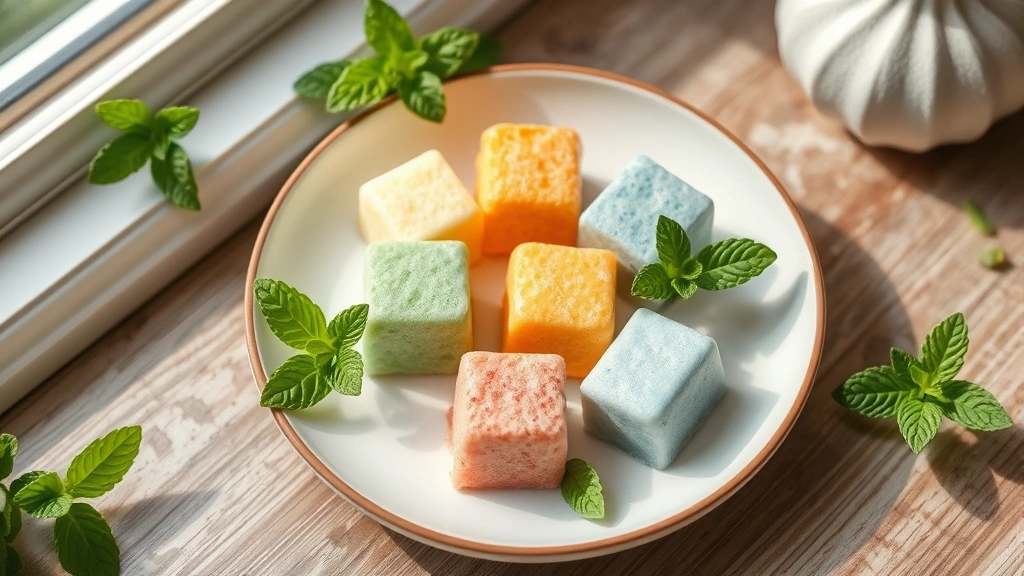
” alt=”Colorful mochi pieces arranged on a white ceramic plate with fresh mint leaves, natural lighting from a window” />
Expert Recommendations for Mochi Consumption
The Academy of Nutrition and Dietetics doesn’t specifically recommend or discourage mochi for weight loss, instead emphasizing that all foods can fit within a balanced diet when consumed appropriately. The consensus among registered dietitian nutritionists is that mochi can be part of a weight loss plan if several conditions are met.
First, mochi should replace higher-calorie treats rather than supplementing existing intake. Second, consumption should remain limited to one or two pieces daily maximum to prevent excessive sugar intake. Third, mochi works best as an occasional treat rather than a daily staple, preserving its psychological appeal and preventing habituation where satisfaction diminishes over time.
Experts also recommend pairing mochi consumption with protein-rich foods to improve satiety. Eating mochi alongside Greek yogurt, nuts, or cheese can extend the feeling of fullness and reduce subsequent snacking. This aligns with research showing that high protein shakes for weight loss support weight management more effectively than carbohydrate-focused snacks alone.
Dr. Sarah Chen, registered dietitian and obesity medicine specialist, advises: “Mochi isn’t inherently good or bad for weight loss. It depends entirely on the individual’s eating patterns, calorie goals, and ability to maintain portion control. For someone who loves sweets and struggles with cravings, mochi might be genuinely helpful. For someone who can easily stop at one serving of regular desserts, the benefit is negligible.”
Potential Drawbacks and Considerations
Despite mochi’s appealing qualities, several drawbacks merit consideration. The minimal protein content (less than 1 gram per piece) provides almost no satiety support, meaning hunger returns quickly after consumption. This can lead to additional snacking within an hour, potentially negating calorie savings.
The high sugar content in most mochi varieties poses concerns for people with blood sugar sensitivity, prediabetes, or diabetes. Regular mochi consumption can trigger blood sugar spikes followed by crashes that intensify cravings and energy fluctuations. For these individuals, weight loss and metabolic syndrome understanding the connection becomes particularly important, as refined carbohydrates like mochi may worsen metabolic health despite modest calorie content.
Mochi’s chewy texture, while satisfying to many, presents choking hazards for some individuals, particularly children and elderly people. This isn’t directly weight-loss related but affects safety considerations when incorporating mochi into dietary plans.
Another overlooked drawback is the psychological trap of “permission” foods. Some people interpret mochi as a “healthy” weight loss food because it’s portion-controlled, leading them to consume multiple pieces or justify additional indulgences. Marketing often reinforces this perception, suggesting mochi supports weight loss when in reality it merely prevents overeating relative to alternative treats.
Additionally, relying on mochi for sweet satisfaction can perpetuate dependence on highly sweet foods, potentially making it harder to develop preferences for naturally sweet whole foods like fruits. This long-term dietary pattern shift may hinder sustainable weight loss success compared to gradually reducing sweet food preferences overall.
Strategies to Maximize Weight Loss Results
If you decide mochi aligns with your weight loss approach, several strategies optimize results. First, establish a clear mochi budget within your daily calorie allowance. Designate mochi as your sweet treat allowance rather than adding it to existing snacks. If your daily calorie goal is 1,500 calories and you typically spend 200 calories on desserts, mochi can replace that allocation rather than supplement it.
Second, practice mindful consumption. Rather than eating mochi while distracted, dedicate time to slowly enjoying it, noticing flavors and textures. This enhances satisfaction and reduces the likelihood of eating additional pieces immediately afterward. Research on mindful eating demonstrates this approach significantly improves weight loss outcomes.
Third, combine mochi with physical activity strategies. Cycling for weight loss and other consistent exercise routines create the calorie deficit necessary for weight loss, making mochi’s modest calorie savings meaningful within the broader context. Someone burning an extra 300 calories through cycling while saving 150 calories by choosing mochi over chocolate creates a 450-calorie daily deficit—substantial enough to produce 3.5 pounds of weight loss weekly.
Fourth, monitor your individual response. Track your weight, energy levels, and hunger patterns when incorporating mochi. If you notice increased cravings or difficulty maintaining satiety, mochi may not be suitable for your metabolism and eating style. Conversely, if mochi genuinely satisfies sweet cravings while fitting comfortably within your calorie goals, continue using it.
Fifth, rotate mochi varieties to prevent boredom and habituation. Trying different flavors maintains psychological interest and prevents the diminishing satisfaction that occurs with repeated identical foods. This variation also ensures you’re not consuming excessive amounts of any single ingredient or additive.
Finally, address underlying dietary patterns rather than relying solely on mochi. If you’re eating mochi to satisfy cravings caused by inadequate meals, irregular eating schedules, or restrictive dieting, these root causes need attention. Eating balanced meals with adequate protein, healthy fats, and fiber naturally reduces sweet cravings more effectively than any single snack food.
FAQ
Does mochi actually help with weight loss?
Mochi can support weight loss if it replaces higher-calorie treats and fits within your daily calorie deficit. However, mochi itself doesn’t create weight loss—the calorie reduction does. Mochi’s primary advantage is portion control and satisfaction, not any special metabolic properties.
How many calories are in one mochi piece?
Plain mochi typically contains 80-120 calories per piece, while mochi ice cream contains 150-180 calories. Always check the specific product’s nutrition label, as calorie content varies by brand and filling ingredients.
Is mochi better than ice cream for weight loss?
A single mochi ice cream piece (150-180 calories) contains fewer calories than a typical ice cream serving (250-400 calories), making it a better choice if you’re counting calories. However, regular mochi or whole fruits offer superior nutritional profiles with more fiber and less sugar.
Can I eat mochi every day while losing weight?
While daily mochi consumption won’t prevent weight loss if it fits your calorie budget, limiting it to a few times weekly is advisable. Daily consumption may increase sugar intake excessively and reduce the psychological satisfaction that makes mochi appealing as an occasional treat.
What’s the best way to incorporate mochi into a weight loss diet?
Use mochi as a replacement for higher-calorie desserts, not as an addition to your regular diet. Pair it with protein-rich foods for improved satiety, consume it mindfully without distractions, and monitor your individual response regarding hunger and cravings.
Are there sugar-free mochi options available?
Some manufacturers produce mochi with sugar substitutes, though these remain limited in availability. Always verify the nutrition label, as sugar-free versions may contain sugar alcohols that affect digestion in some individuals.
Does mochi’s texture affect weight loss results?
The chewy texture contributes to satisfaction and can reduce overeating compared to less satisfying snacks. However, texture alone doesn’t produce weight loss—total calorie intake and expenditure determine results.


