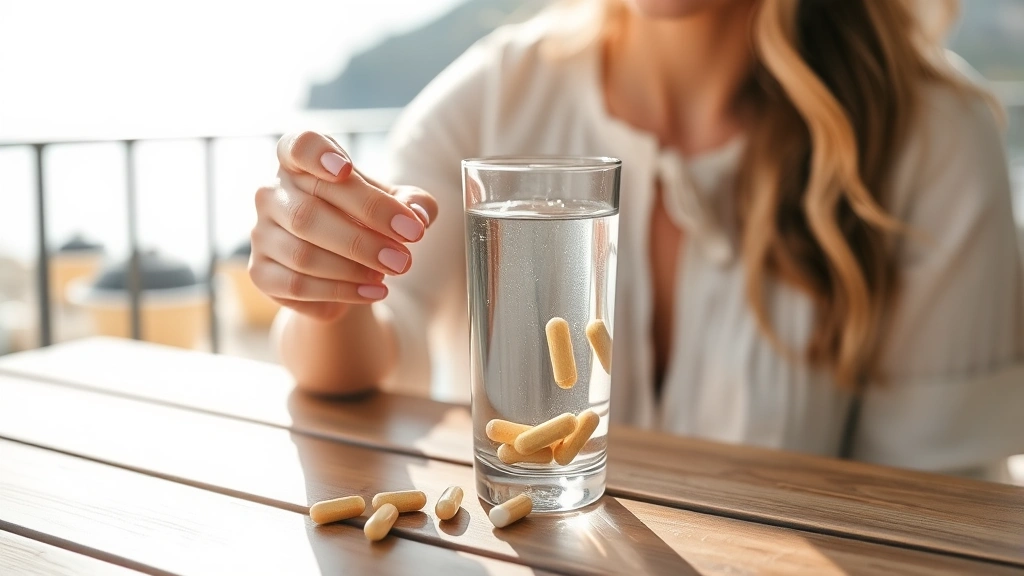
PCOS Weight Loss: Do Supplements Work? Expert Insight
Polycystic ovary syndrome (PCOS) affects millions of women worldwide, creating unique metabolic challenges that make weight loss particularly difficult. Many women with PCOS turn to supplements hoping for a breakthrough, but the question remains: do they actually work? The answer is nuanced and requires understanding both the science behind PCOS and the evidence supporting—or refuting—popular supplement claims.
Managing weight with PCOS involves addressing insulin resistance, hormonal imbalances, and inflammation. While supplements can play a supportive role, they work best as part of a comprehensive approach that includes dietary changes, exercise, and medical supervision. This guide explores which supplements have scientific backing and which ones fall short of their promises.

Understanding PCOS and Weight Loss Challenges
PCOS is an endocrine disorder characterized by elevated androgens, irregular menstrual cycles, and polycystic ovaries. What many don’t realize is that approximately 70-80% of women with PCOS struggle with weight management, often experiencing a metabolic rate 20-30% lower than women without the condition.
The primary culprit is insulin resistance, which affects 50-70% of women with PCOS. When your body doesn’t respond properly to insulin, it produces more of it to compensate. Excess insulin signals your body to store fat, particularly in the abdominal area, while simultaneously increasing hunger and cravings. This creates a frustrating cycle where traditional weight loss approaches often fail.
Beyond insulin resistance, women with PCOS frequently experience hormonal imbalances involving testosterone, luteinizing hormone (LH), and follicle-stimulating hormone (FSH). These hormonal disruptions affect appetite regulation, metabolism, and fat distribution patterns, making supplement support more relevant than for the general population.
Research from The American College of Obstetricians and Gynecologists (ACOG) emphasizes that PCOS management requires a personalized, multifaceted approach rather than relying on single interventions.
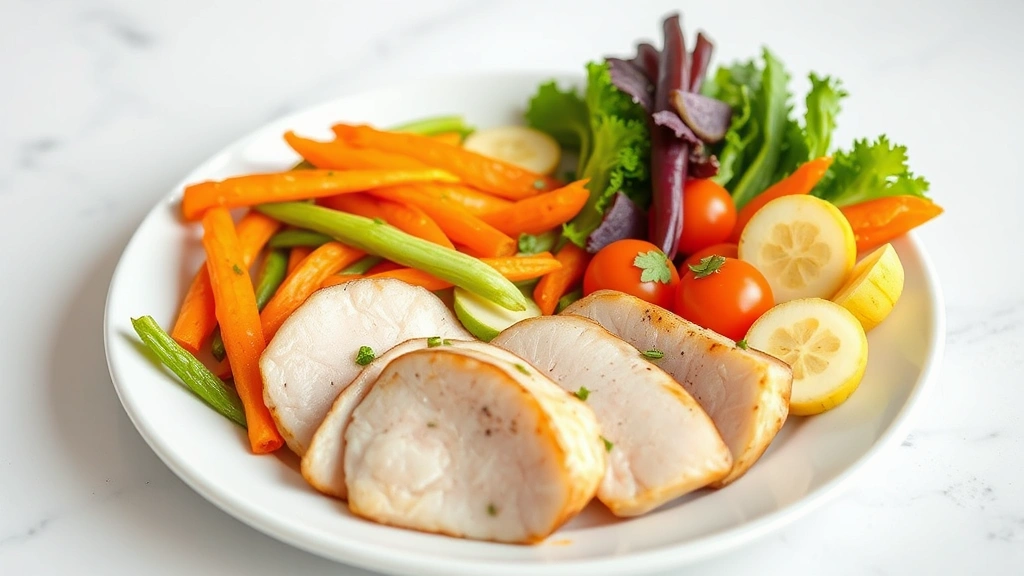
Evidence-Based Supplements for PCOS
Not all supplements are created equal, and not all have research supporting their use in PCOS management. When evaluating supplement effectiveness, look for clinical trials, peer-reviewed studies, and endorsements from medical organizations specializing in PCOS care.
The most credible supplements for PCOS typically address three key mechanisms: improving insulin sensitivity, reducing inflammation, and supporting hormonal balance. However, even the most promising options work best when combined with high-protein nutrition strategies and consistent physical activity.
It’s important to note that the FDA doesn’t regulate supplements the same way it regulates medications, so quality and potency can vary significantly between brands. Always choose supplements from reputable manufacturers that conduct third-party testing.
Inositol: The Most Promising Option
Inositol, particularly myo-inositol and D-chiro-inositol, stands out as the most evidence-backed supplement for PCOS weight loss. Multiple clinical trials have demonstrated its effectiveness in improving insulin sensitivity and promoting weight loss in women with PCOS.
Inositol works by mimicking insulin signaling and improving the body’s response to the hormone itself. Studies show that women taking inositol supplements experience:
- Improved insulin sensitivity: Reduced fasting insulin levels and better glucose control
- Weight loss: Average losses of 2-3 kg over 12-24 weeks in clinical trials
- Hormonal improvements: Reduced testosterone levels and improved menstrual regularity
- Metabolic benefits: Better lipid profiles and reduced inflammation markers
The optimal ratio appears to be a 40:1 combination of myo-inositol to D-chiro-inositol, mimicking the natural ratio found in healthy women. Most clinical trials used doses between 2-4 grams daily of myo-inositol, often combined with 50-100 mg of D-chiro-inositol.
Research published in Reproductive Sciences journal found that inositol supplementation improved ovulation rates, metabolic parameters, and weight loss outcomes in women with PCOS, making it one of the few supplements with Class A evidence.
The benefits typically emerge gradually over 8-12 weeks, so patience is essential. Many women combine inositol with compound exercises for optimal results.
Vitamin D and PCOS
Vitamin D deficiency is remarkably common in women with PCOS, with studies showing that 70-85% have insufficient levels. This deficiency may worsen insulin resistance, increase inflammation, and impair hormonal regulation.
Supplementing with vitamin D shows promise for PCOS management:
- Insulin sensitivity improvement: Vitamin D receptors regulate glucose metabolism and insulin secretion
- Hormonal balance: May help reduce elevated testosterone levels
- Anti-inflammatory effects: Reduces systemic inflammation associated with PCOS
- Metabolic support: Supports healthy weight management and energy levels
Most experts recommend vitamin D supplementation for women with PCOS, with target blood levels of 30-50 ng/mL. Typical supplemental doses range from 1,000-4,000 IU daily, though some women require higher amounts. Testing your current vitamin D level before supplementing helps determine your personalized dosage needs.
Interestingly, vitamin D works synergistically with inositol, making a combination approach potentially more effective than either supplement alone.
Supplements with Limited Evidence
Several supplements are heavily marketed for PCOS weight loss but lack robust clinical evidence:
Spearmint Tea: While some small studies suggest mild anti-androgenic effects, the evidence for weight loss is minimal. It may help with hirsutism but shouldn’t be relied upon for metabolic support.
Chromium: Though it supports glucose metabolism, clinical trials show modest effects on weight loss in PCOS specifically. Results are inconsistent across studies.
Alpha-Lipoic Acid (ALA): This antioxidant shows some promise for insulin sensitivity, but weight loss data remains limited. It may be beneficial as part of a comprehensive approach but shouldn’t be a primary intervention.
N-Acetylcysteine (NAC): Some research suggests benefits for ovulation and metabolic markers, but long-term weight loss effects are unclear.
Berberine: While this plant alkaloid improves insulin sensitivity in some studies, it’s less studied in PCOS populations specifically compared to inositol. It may cause gastrointestinal side effects in some women.
These supplements may offer marginal benefits but shouldn’t replace evidence-based interventions like inositol and vitamin D.
The Role of Diet and Exercise
Here’s the critical truth: no supplement can overcome poor diet and sedentary lifestyle. The most successful PCOS weight loss outcomes combine supplements with intentional nutrition and movement strategies.
Dietary approaches that complement supplementation include:
- Lower glycemic index foods: Minimize blood sugar spikes that exacerbate insulin resistance
- Higher protein intake: Protein supports satiety, metabolic rate, and hormonal balance
- Anti-inflammatory foods: Fatty fish, leafy greens, berries, and olive oil reduce systemic inflammation
- Adequate fiber: Supports gut health and blood sugar stability
- Calorie moderation: Still important despite metabolic differences in PCOS
Exercise recommendations for PCOS include both cardiovascular activity and resistance training. Regular cardio exercise improves insulin sensitivity and supports weight loss, while resistance training builds lean muscle mass and enhances metabolic rate. Aim for at least 150 minutes of moderate-intensity aerobic activity weekly, combined with 2-3 sessions of strength training.
Many women find that combining inositol supplementation with these lifestyle modifications produces the most dramatic and sustainable weight loss results. The supplements enhance what diet and exercise are already accomplishing.
Safety Considerations and Interactions
While most PCOS supplements are generally safe, important considerations apply:
Inositol: Generally well-tolerated with minimal side effects, though some women experience mild gastrointestinal symptoms initially. No significant drug interactions reported.
Vitamin D: Safe at recommended doses; excessive supplementation (>4,000 IU daily long-term) requires monitoring. Coordinate with healthcare providers if taking other medications affecting calcium metabolism.
Berberine: Can cause gastrointestinal upset and may interact with certain medications. Avoid if pregnant or breastfeeding.
Drug Interactions: Some supplements may interact with metformin (commonly prescribed for PCOS), birth control pills, or other medications. Always inform your healthcare provider about supplements you’re taking.
Women with PCOS should work with healthcare providers familiar with the condition—ideally registered dietitians or reproductive endocrinologists—before starting new supplements. This ensures your supplement regimen complements any medications and addresses your specific needs.
Consulting credentialed healthcare professionals helps ensure you’re making evidence-based choices rather than falling for marketing hype.
FAQ
How long does it take to see weight loss results from PCOS supplements?
Most women notice initial improvements in energy, bloating, and hormonal symptoms within 4-8 weeks. Measurable weight loss typically appears after 8-12 weeks of consistent supplementation combined with dietary and exercise changes. Results vary based on individual metabolism, baseline insulin resistance severity, and lifestyle adherence.
Can supplements alone help me lose weight with PCOS?
No. While supplements like inositol and vitamin D support the metabolic improvements necessary for weight loss, they cannot overcome a poor diet or sedentary lifestyle. Think of supplements as enhancers that maximize the effectiveness of your dietary and exercise efforts, not replacements for them.
Is inositol safe to take long-term?
Yes, inositol is safe for long-term use. It’s a naturally occurring compound found in foods, and clinical trials spanning 12-24 months show no serious adverse effects. Many women with PCOS continue inositol supplementation indefinitely as part of their management plan.
Should I take myo-inositol or D-chiro-inositol?
Research suggests the combination at a 40:1 ratio (myo-inositol to D-chiro-inositol) is most effective. Taking myo-inositol alone is also beneficial, but the combination may produce superior results for insulin sensitivity and weight loss.
Can I take supplements if I’m on metformin?
Yes, most PCOS supplements are safe alongside metformin. In fact, combining inositol with metformin sometimes produces better results than metformin alone. However, discuss all supplements with your healthcare provider to ensure no interactions with your specific medications.
Are PCOS supplements covered by insurance?
Typically no, as supplements are considered nutritional products rather than medications. However, if your healthcare provider recommends specific supplements as part of clinical treatment, some insurance plans may provide coverage. Check with your provider and insurance company for clarification.
What’s the best supplement for PCOS weight loss?
Inositol combined with vitamin D supplementation (if deficient) has the strongest evidence base for supporting weight loss in PCOS. This combination addresses multiple pathways affected by PCOS—insulin sensitivity, inflammation, and hormonal balance—making it the most comprehensive supplement approach.


