
Post Menopause Weight Loss: Expert Tips Inside
Reaching menopause marks a significant transition in a woman’s life, and with it often comes unexpected changes to body composition and weight management. Many women find that post menopause weight loss becomes increasingly challenging, even when their eating and exercise habits remain consistent. This isn’t simply about willpower or discipline—hormonal shifts fundamentally alter how your body processes calories, stores fat, and responds to physical activity.
The good news is that losing weight after menopause is absolutely achievable with the right strategies tailored to your body’s new reality. Understanding the unique physiological changes happening during this life stage empowers you to make informed decisions about nutrition, exercise, and lifestyle modifications that actually work. This comprehensive guide explores evidence-based approaches to help you succeed in your post-menopause weight loss journey.
Understanding Hormonal Changes After Menopause
The primary driver behind weight gain and difficulty losing weight after menopause is the dramatic decline in estrogen production. During reproductive years, estrogen helps regulate appetite, influences where fat is stored, and supports metabolic function. When estrogen levels drop during menopause, your body experiences a cascade of changes that directly impact weight management.
Research from the National Institutes of Health shows that post-menopausal women experience increased visceral fat accumulation—the dangerous fat that surrounds internal organs. This isn’t simply cosmetic; visceral fat is metabolically active and contributes to inflammation, insulin resistance, and cardiovascular risk. Additionally, declining progesterone levels may increase appetite and cravings, particularly for carbohydrates and sweet foods.
Another crucial hormone affected is thyroid function. Many women experience a slight decline in thyroid activity post-menopause, which can reduce metabolic rate by 2-8%. While this might seem modest, over months and years it creates significant challenges for weight management. Understanding that these changes are biological—not personal failures—is the first step toward effective post menopause weight loss.
How Metabolism Shifts Post-Menopause
Your resting metabolic rate (RMR) naturally declines with age, but this decline accelerates after menopause due to hormonal changes and often increased muscle loss. Studies indicate that women lose approximately 3-5% of muscle mass per decade after age 30, with this loss accelerating significantly during and after menopause. Since muscle tissue burns more calories at rest than fat tissue, this loss directly reduces your daily caloric expenditure.
The combination of hormonal changes and muscle loss means you may need 200-300 fewer calories daily to maintain the same weight as you did pre-menopause. This is why strategies that worked previously may no longer be effective. Your body requires a fundamentally different approach to nutrition and movement to achieve post menopause weight loss.
Insulin sensitivity often declines post-menopause as well, making your body more prone to storing excess carbohydrates as fat rather than using them for energy. This metabolic shift explains why many women find they gain weight more easily from refined carbohydrates and sugary foods after menopause, even in quantities that previously caused no problems.
Image placeholder:
Nutrition Strategies for Success
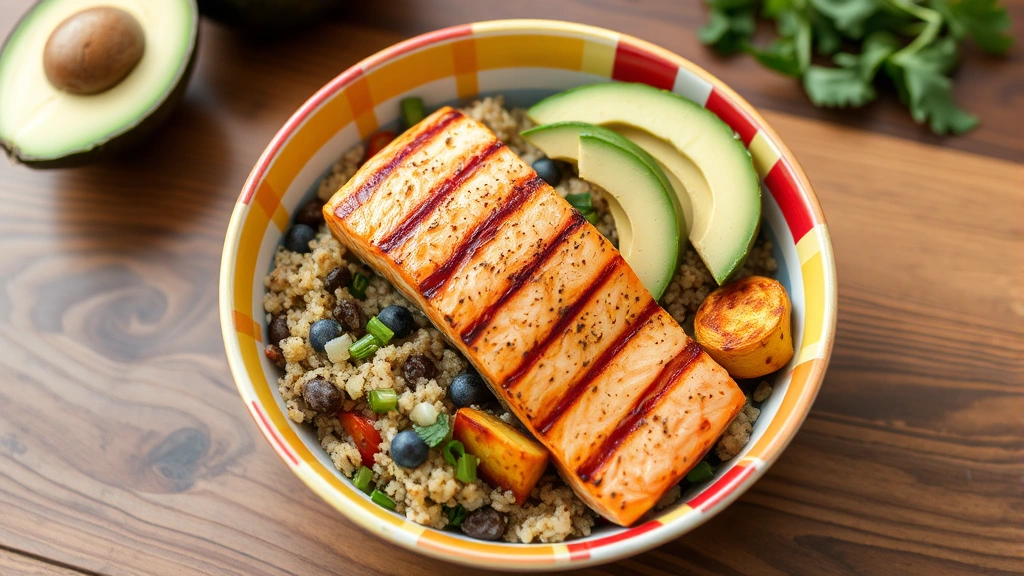
Effective post menopause weight loss begins with strategic nutrition choices that account for your body’s new metabolic reality. The foundation is prioritizing protein intake—research consistently shows that adequate protein helps preserve muscle mass, increases satiety, and supports a healthier metabolic rate. Aim for 1.2-1.6 grams of protein per kilogram of body weight daily, distributed across meals.
Consider incorporating weight loss smoothie recipes that emphasize protein-rich ingredients like Greek yogurt, protein powder, and nuts. These convenient options help you meet protein targets while providing sustained energy. You might also explore how weight loss and water intake work together—proper hydration supports metabolic function and helps distinguish thirst from hunger, a particularly important distinction during hormonal transitions.
Focus on whole, minimally processed foods that provide stable blood sugar and sustained energy:
- Lean proteins: Fish, poultry, legumes, Greek yogurt, and tofu should anchor each meal
- Healthy fats: Olive oil, avocados, nuts, and seeds support hormone production and satiety
- Fiber-rich vegetables: Non-starchy vegetables provide volume and nutrients with minimal calories
- Complex carbohydrates: Whole grains, sweet potatoes, and oats in appropriate portions
Timing matters more post-menopause. Eating adequate protein with each meal—particularly at breakfast—helps regulate appetite hormones throughout the day. Some evidence suggests that slightly higher protein intake at breakfast (25-30 grams) reduces overall daily calorie consumption and improves weight loss outcomes.
Consider limiting refined carbohydrates and added sugars, which can exacerbate insulin resistance and increase cravings. This doesn’t mean eliminating these foods entirely, but being intentional about portions and frequency. Many women find that reducing processed foods and focusing on whole ingredients makes post menopause weight loss significantly easier without requiring strict calorie counting.
Discussing medical options like Mounjaro dosage for weight loss with your healthcare provider may be appropriate, particularly if lifestyle modifications alone aren’t producing results. These medications can support your efforts when combined with nutritional and lifestyle changes.
The Right Exercise Approach
Physical activity becomes even more critical post-menopause because it directly addresses the muscle loss and metabolic decline that occurs during this life stage. The most effective approach combines resistance training, cardiovascular exercise, and flexibility work in a balanced program.
Resistance training is non-negotiable. Lifting weights or using resistance bands 2-3 times weekly helps preserve and build muscle mass, which directly supports metabolic rate and post menopause weight loss. Focus on compound movements that engage multiple muscle groups: squats, deadlifts, push-ups, rows, and chest presses. Progressive resistance—gradually increasing weight or difficulty—ensures continued adaptation and results.
Complement strength training with best aerobic exercises for weight loss such as brisk walking, cycling, swimming, or dancing. Aim for 150 minutes of moderate-intensity cardio weekly, which supports cardiovascular health and calorie expenditure. High-intensity interval training (HIIT) can be particularly effective post-menopause, as it creates metabolic advantages and preserves muscle better than steady-state cardio alone.
For those seeking structured support and community, exploring a weight loss camp can provide intensive guidance, accountability, and peer support during your transformation. These programs often incorporate personalized nutrition coaching and exercise programming tailored to post-menopausal physiology.
Flexibility and balance work—yoga, Pilates, or tai chi—addresses the increased risk of falls and osteoporosis post-menopause while supporting overall wellness and stress reduction. Many women find these practices particularly beneficial for managing menopausal symptoms like hot flashes and sleep disruption.
Image placeholder:

Critical Lifestyle Factors
Beyond nutrition and exercise, several lifestyle factors significantly influence post menopause weight loss success. Sleep quality deserves particular attention: inadequate sleep disrupts hunger hormones, increases cortisol (stress hormone), and impairs metabolic function. Aim for 7-9 hours nightly, maintaining consistent sleep schedules and creating a cool, dark sleeping environment.
Stress management is equally important. Elevated cortisol from chronic stress promotes visceral fat storage and undermines weight loss efforts. Incorporate stress-reduction practices like meditation, deep breathing, journaling, or time in nature. Some women find that quotes weight loss motivation and positive affirmations help maintain psychological resilience during their transformation journey.
Social connection and accountability enhance success rates significantly. Whether through support groups, fitness communities, or working with a coach, having people who understand your journey and celebrate your progress creates powerful motivation. Post-menopause weight loss is more achievable when you’re not navigating it alone.
Track your progress beyond the scale. Body composition changes (muscle gain, fat loss) may not always show as weight loss, particularly early in an exercise program. Taking measurements, monitoring how clothes fit, and assessing energy levels and strength gains provide more complete pictures of your progress.
When to Seek Medical Support
If you’re struggling with post menopause weight loss despite consistent effort with nutrition and exercise, professional guidance is valuable. A registered dietitian can assess your individual situation and create a personalized nutrition plan accounting for your unique metabolism, preferences, and health conditions.
Consulting with your physician or an obesity medicine specialist helps rule out underlying conditions like hypothyroidism, insulin resistance, or PCOS that may complicate weight loss. Blood work can reveal whether nutritional deficiencies or metabolic disorders require attention. Additionally, your healthcare provider can discuss whether medications like GLP-1 receptor agonists might support your efforts.
Resources from the CDC on obesity and weight management provide evidence-based information for informed decision-making. Consulting the Academy of Nutrition and Dietetics can connect you with credentialed nutrition professionals in your area.
Mental health support matters too. If you’re experiencing depression, anxiety, or emotional challenges related to body image changes, working with a therapist or counselor provides valuable tools for navigating this transition with self-compassion and resilience.
FAQ
How long does post menopause weight loss typically take?
Weight loss timelines vary individually, but most women see meaningful results within 8-12 weeks of consistent nutrition and exercise changes. Sustainable post menopause weight loss typically occurs at 1-2 pounds weekly. Be patient with yourself—hormonal changes mean your body may respond more slowly than during pre-menopause years, but steady progress is absolutely achievable.
Can hormone replacement therapy (HRT) help with post menopause weight loss?
Research on HRT and weight is mixed. Some studies show HRT may help prevent weight gain post-menopause, while others show minimal effect on weight loss. HRT’s primary purpose is managing menopausal symptoms, not weight loss. Discuss with your physician whether HRT might be appropriate for your situation, considering benefits and risks.
Why is post menopause weight loss harder than before menopause?
Multiple factors converge: declining estrogen and progesterone reduce metabolic rate and increase appetite, muscle loss decreases calorie expenditure, insulin sensitivity declines, and hormonal shifts promote visceral fat storage. These are biological realities, not personal failures. Your post menopause weight loss strategy must account for these changes.
Should post menopause weight loss involve calorie counting?
While calorie awareness helps, many women find that focusing on whole foods, adequate protein, and appropriate portions achieves post menopause weight loss without obsessive counting. That said, tracking for a period can reveal eating patterns and portion sizes that might otherwise go unnoticed. Find the approach that feels sustainable for you.
Are there supplements that support post menopause weight loss?
While no supplement replaces nutrition and exercise, some women find support from protein powders, omega-3 supplements, or adaptogens like ashwagandha for stress management. Always discuss supplements with your healthcare provider, as some interact with medications or have limited evidence. Whole foods should form the foundation of your nutrition strategy.


