
Postnatal Weight Loss Tips: Nutritionist-Approved Strategies for New Mothers
Bringing a new baby into your life is a transformative experience filled with joy, exhaustion, and significant physical changes. Many postpartum mothers wonder when and how they can safely return to their pre-pregnancy weight. The truth is that postnatal weight loss requires patience, proper nutrition, and realistic expectations—especially if you’re breastfeeding. Unlike crash diets or extreme fitness regimens, a sustainable postnatal weight loss diet focuses on nourishing your body while gradually shedding pregnancy weight.
The postpartum period is unique because your body needs time to heal from pregnancy and childbirth while simultaneously managing the demands of caring for a newborn. This comprehensive guide, developed with input from registered dietitians and postpartum wellness specialists, will walk you through evidence-based strategies to safely lose weight after pregnancy while maintaining energy levels and supporting milk production if breastfeeding.

Understanding Postpartum Weight Loss Timeline
Most women gain between 25 to 35 pounds during pregnancy, though this varies based on individual factors like pre-pregnancy weight, metabolism, and overall health. The encouraging news is that approximately 20 pounds typically disappear within the first six weeks postpartum through the loss of the baby, placenta, amniotic fluid, and excess water weight.
However, the remaining weight—often called “baby weight”—requires more intentional effort to lose. Medical professionals generally recommend waiting until your six-week postpartum checkup (or twelve weeks if you had a cesarean section) before beginning a structured weight loss program. This timeline allows your body adequate time to heal from the physical stress of pregnancy and childbirth.
For breastfeeding mothers, the timeline extends slightly longer. The American College of Obstetricians and Gynecologists recommends waiting at least 8-10 weeks before aggressively pursuing weight loss, as rapid weight loss can affect milk supply and potentially concentrate environmental toxins in breast milk.
Nutrition Foundation for Postnatal Weight Loss
A successful postnatal weight loss diet isn’t about restriction—it’s about strategic nutrition that supports recovery, energy production, and sustainable fat loss. The foundation rests on three pillars: adequate protein intake, balanced macronutrients, and nutrient-dense whole foods.
Protein becomes your most important macronutrient postpartum. Aiming for 1.2 to 1.6 grams of protein per kilogram of body weight daily helps preserve lean muscle mass during weight loss, supports tissue repair, enhances satiety, and stabilizes blood sugar levels. Quality protein sources include Greek yogurt, eggs, salmon, chicken breast, legumes, and cottage cheese.
Understanding your macro ratio for weight loss helps you structure meals effectively. While individual needs vary, a common starting point for postpartum mothers is approximately 40% carbohydrates, 35% protein, and 25% fat. This distribution supports energy needs while promoting gradual fat loss without compromising milk production.
Micronutrient status deserves special attention during postpartum recovery. Pregnancy depletes iron, B vitamins, calcium, and vitamin D. Replenishing these through food or supplementation (as recommended by your healthcare provider) supports energy levels, bone health, and emotional well-being. Dark leafy greens, fortified grains, fatty fish, and nuts all contribute to micronutrient recovery.
Caloric Needs During Postpartum Recovery
Calculating appropriate caloric intake is essential for safe, sustainable postpartum weight loss. Unlike non-postpartum weight loss, which typically involves a 500-calorie daily deficit, postpartum weight loss must account for recovery and, if applicable, milk production.
The average non-breastfeeding postpartum mother requires approximately 1,800 to 2,000 calories daily for maintenance. To lose weight gradually (1-2 pounds per week), a deficit of 300-500 calories daily is appropriate, translating to roughly 1,300-1,700 calories. However, this should never drop below 1,500 calories without professional supervision, as inadequate caloric intake impairs recovery and energy availability for caring for your infant.
Breastfeeding mothers require additional calories—approximately 300-500 more daily—to support milk production. If breastfeeding, your weight loss deficit should come primarily from the combination of returning to pre-pregnancy activity levels and modest dietary adjustments, rather than aggressive caloric restriction. Overly restrictive eating while breastfeeding can reduce milk supply and concentrate contaminants in breast milk.
A practical approach involves tracking your weight loss progress. Aim for 1-2 pounds of loss per week after the initial water weight period. If progress stalls, evaluate whether you’re consuming adequate calories, getting sufficient sleep, and managing stress effectively—often these factors matter more than calorie counting alone.
Meal Planning and Food Strategies
Practical meal planning becomes your greatest ally when managing a newborn while pursuing weight loss. Preparation is key: dedicate time on weekends to batch-cook proteins, chop vegetables, and assemble grab-and-go options. When you’re sleep-deprived and hungry, accessible nutritious food prevents reliance on convenient but less healthy options.
Consider incorporating weight loss smoothies as convenient breakfast or snack options. Blending Greek yogurt, berries, spinach, and nut butter creates a nutrient-dense, satiating meal that requires minimal preparation. Prepare smoothie packs in advance by freezing portioned fruit and greens, then simply add liquid and blend when needed.
Strategic meal composition prevents energy crashes that trigger cravings. Each meal should contain:
- Quality protein: Eggs, fish, poultry, legumes, or dairy products (at minimum 20-30 grams per meal)
- Healthy fats: Olive oil, avocados, nuts, seeds, or fatty fish to support hormone production and nutrient absorption
- Complex carbohydrates: Whole grains, sweet potatoes, or legumes for sustained energy
- Fiber-rich vegetables: Leafy greens, broccoli, Brussels sprouts, or bell peppers for satiety and micronutrients
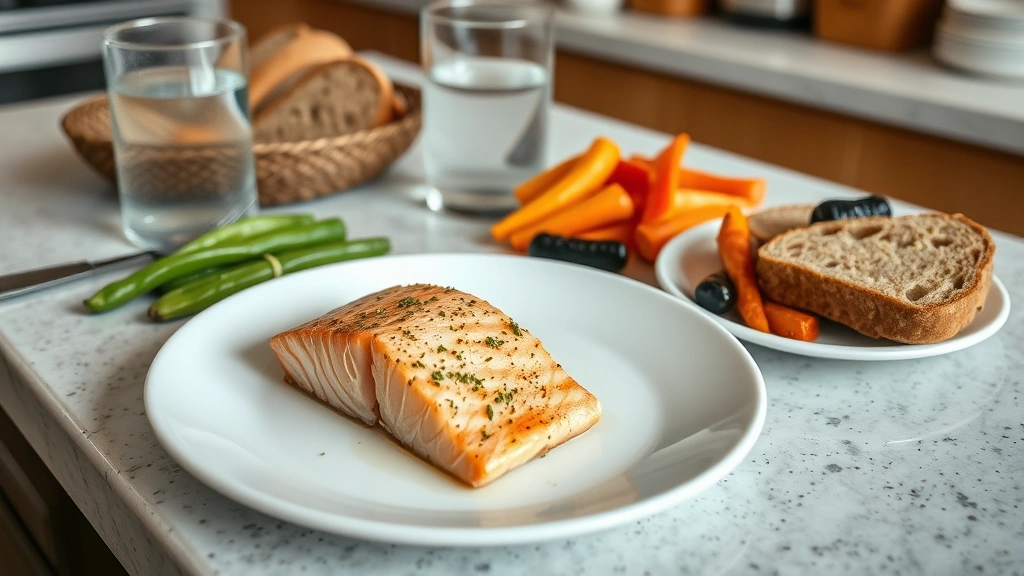
Sample postpartum-friendly meals include grilled salmon with roasted vegetables and quinoa, vegetable-loaded omelets with whole grain toast, slow-cooker chicken and vegetable stews, and chickpea curry with brown rice. These meals provide sustained energy, support milk production if breastfeeding, and promote gradual weight loss.
Snacking strategy matters significantly. Rather than restricting snacks entirely, choose nutrient-dense options like string cheese, almonds, hard-boiled eggs, Greek yogurt, or apple slices with almond butter. These provide sustained energy between meals and prevent overeating at main meals.
Exercise and Physical Activity
Physical activity accelerates postpartum weight loss while improving mood, energy, and cardiovascular health. However, timing and progression are critical. Before beginning any exercise program, obtain clearance from your healthcare provider at your postpartum checkup.
Start with low-impact activities like walking, which you can do with your baby in a stroller. Begin with 20-30 minute walks at a comfortable pace, gradually increasing duration and intensity over several weeks. Walking requires no special equipment, fits into your schedule with your baby, and provides mental health benefits alongside physical activity.
Progressive incorporation of weight loss and resistance training significantly enhances fat loss while preserving lean muscle. After establishing a walking foundation (typically 4-6 weeks postpartum), incorporate bodyweight exercises like modified push-ups, squats, and planks. These can be performed at home during your baby’s nap time or while they play nearby.
Pelvic floor recovery deserves specific attention, particularly for vaginal delivery. Pelvic floor physical therapy may be beneficial if you experience incontinence or heaviness. Avoid high-impact exercises like jumping or running until your pelvic floor is adequately strengthened—typically 8-12 weeks postpartum for vaginal delivery and 12-16 weeks for cesarean delivery.
A reasonable progression includes: weeks 1-6 (walking only), weeks 6-12 (walking plus gentle strength work), and weeks 12+ (progressive strength training and higher-intensity cardio as cleared by your provider). Consistency matters more than intensity; three 30-minute sessions weekly provides excellent results.
Hydration and Sleep Optimization
Two often-overlooked factors critically influence postpartum weight loss: hydration and sleep quality. Inadequate water intake impairs metabolism, reduces satiety, and diminishes energy levels—problematic when managing a newborn.
Aim for at least 2.7-3.7 liters of water daily, adjusting upward if breastfeeding. A practical strategy involves drinking a glass of water when you sit down to feed your baby, ensuring hydration coincides with your most frequent activity. Herbal teas, coconut water, and milk also contribute to fluid intake.
Sleep deprivation profoundly affects postpartum weight loss through multiple mechanisms: it increases cortisol (promoting fat storage), disrupts hunger hormones, reduces insulin sensitivity, and impairs decision-making regarding food choices. While newborn sleep schedules make adequate sleep challenging, prioritize sleep quality where possible.
Strategies to improve postpartum sleep include: rotating night duties with a partner if possible, napping when your baby naps, maintaining consistent sleep times when feasible, and avoiding screens 30-60 minutes before sleep. Request help from family or friends to enable longer sleep stretches. Even small improvements in sleep quality meaningfully impact weight loss progress.
When to Seek Professional Support
While this guide provides evidence-based strategies, individual circumstances vary. Consulting with healthcare professionals ensures your weight loss approach aligns with your unique postpartum recovery needs.
Registered Dietitian Nutritionists (RDNs) specialize in postpartum nutrition and can create personalized meal plans accounting for your caloric needs, breastfeeding status, food preferences, and health conditions. They provide accountability and evidence-based guidance that surpasses generic online advice.
If you’re considering medical weight loss approaches, The Obesity Medicine Association maintains directories of board-certified obesity medicine physicians. Some mothers, particularly those with significant postpartum weight retention or metabolic challenges, benefit from discussing medications like those mentioned in our guides on Mounjaro weight loss by week, tirzepatide weight loss results, or retatrutide dosing for weight loss with their healthcare provider—though these are typically considered only after lifestyle modifications and when breastfeeding has concluded.
Postpartum depression and anxiety can significantly impact weight loss efforts. If you’re experiencing persistent low mood, anxiety, or difficulty bonding with your baby, consult your healthcare provider immediately. Mental health support should be prioritized alongside physical health during postpartum recovery.
FAQ
How long does postpartum weight loss typically take?
Most women lose approximately 20 pounds within the first six weeks through loss of baby, placenta, and water weight. The remaining weight typically takes 6-12 months to lose through diet and exercise modifications. Some women retain 5-10 pounds long-term, which is normal.
Is it safe to diet while breastfeeding?
Yes, moderate dietary changes are safe while breastfeeding. However, avoid aggressive caloric restriction (below 1,800 calories daily) or rapid weight loss, as these can reduce milk supply. Aim for gradual weight loss of 1-2 pounds weekly through a combination of modest dietary adjustments and increased physical activity.
When should I start exercising after delivery?
After obtaining clearance from your healthcare provider at your postpartum checkup (typically 6 weeks for vaginal delivery, 12 weeks for cesarean), you can begin with light walking. Progress gradually to more intense exercise over 8-12 weeks, particularly if you experienced pelvic floor trauma.
What foods should I prioritize in a postnatal weight loss diet?
Prioritize protein-rich foods (eggs, fish, poultry, legumes), healthy fats (avocados, nuts, olive oil), complex carbohydrates (whole grains, sweet potatoes), and abundant vegetables. These support recovery, milk production if applicable, and sustained weight loss.
Can I use weight loss supplements postpartum?
Most weight loss supplements are not recommended during postpartum recovery, particularly if breastfeeding. Always consult your healthcare provider before using any supplement. Focus on whole foods and lifestyle modifications as the safest, most effective approach.
Why am I not losing weight despite diet and exercise?
Several factors affect postpartum weight loss: inadequate sleep, chronic stress, thyroid dysfunction, hormonal imbalances, or unrealistic caloric deficits. If you’re not progressing after 8-12 weeks of consistent effort, consult a registered dietitian or physician to evaluate underlying factors and adjust your approach.


