
Table of Contents
Introduction
Water fasting is having a moment—and honestly? It’s not hard to see why. Picture this: you reset your entire system by doing something as simple as drinking only water for a set period. No complicated meal plans, no expensive supplements, just you and H2O. The results can be pretty incredible: weight loss, sharper mental focus, and an overall sense of renewal that has people talking.
But here’s the thing about weight loss—it’s rarely as straightforward as we’d like it to be. You’ve probably asked yourself the same questions we all have: What actually works long-term? How much does hydration really matter? (Spoiler alert: more than you think.) Getting a solid grasp on the basics can save you from a lot of trial and error. Take hydration, for example—it’s not just about feeling good during a fast. When you understand how weight loss and water intake work together, you’re setting yourself up for safer, more effective fasting.
And let’s talk about tracking progress for a second. The scale? It’s just one piece of the puzzle. Your body changes in ways that numbers can’t capture, and knowing how to track those changes properly can keep you motivated when the scale decides to be stubborn. Trust me, there’s nothing quite like seeing real progress that goes beyond what you weigh.
Now, water fasting is all about giving your digestive system a break, but what you eat before and after? That matters big time. Some people pair fasting with approaches like the ketogenic diet, which gets your body used to burning fat for fuel. Others focus on building solid nutrition habits that include plenty of antioxidant-rich foods and quality proteins. Both approaches can work beautifully with fasting.
What You’ll Learn in This Guide
We’re going to cover everything you need to know about water fasting for weight loss. Whether you’re completely new to this or you’ve been curious for a while, I’ve got you covered with both the science and the practical stuff that actually matters.
- The Science Behind Water Fasting: What’s actually happening in your body when you fast? We’ll break down the metabolism shifts and fat-burning processes in plain English.
- Health Benefits Beyond Weight Loss: Sure, losing weight is great, but wait until you hear about the mental clarity, better insulin response, and detox benefits that might surprise you.
- Risks and Precautions: Let’s be real—fasting isn’t for everyone, and there are some side effects to watch for. I’ll tell you exactly what to look out for and who should skip this altogether.
- Practical Tips for Success: This is where the rubber meets the road. How do you prep? What do you do when hunger hits hard? When should you stop and call your doctor?
Here’s what I want you to walk away with: water fasting isn’t some magic bullet or trendy hack. It’s a tool—a powerful one—but it needs to be used thoughtfully. We’ll tackle the questions you’re probably already thinking about and make sure you feel confident about whatever decision you make. And if you’re dealing with stress (who isn’t these days?), you might want to check out how stress affects weight loss too. It’s all connected.
Look, I’m not here to just throw theory at you. You’ll get real, practical advice that takes into account that you’re a real person with a real life. Water fasting can be genuinely transformative when done right, but “right” looks different for everyone.
Ready to figure out if water fasting makes sense for you? Let’s explore this together. You’ll learn strategies that actually work in the real world, backed by solid science and explained in a way that makes sense. By the time we’re done, you’ll know not just how to try water fasting, but how to make it part of a balanced, sustainable approach to better health. Let’s get started.
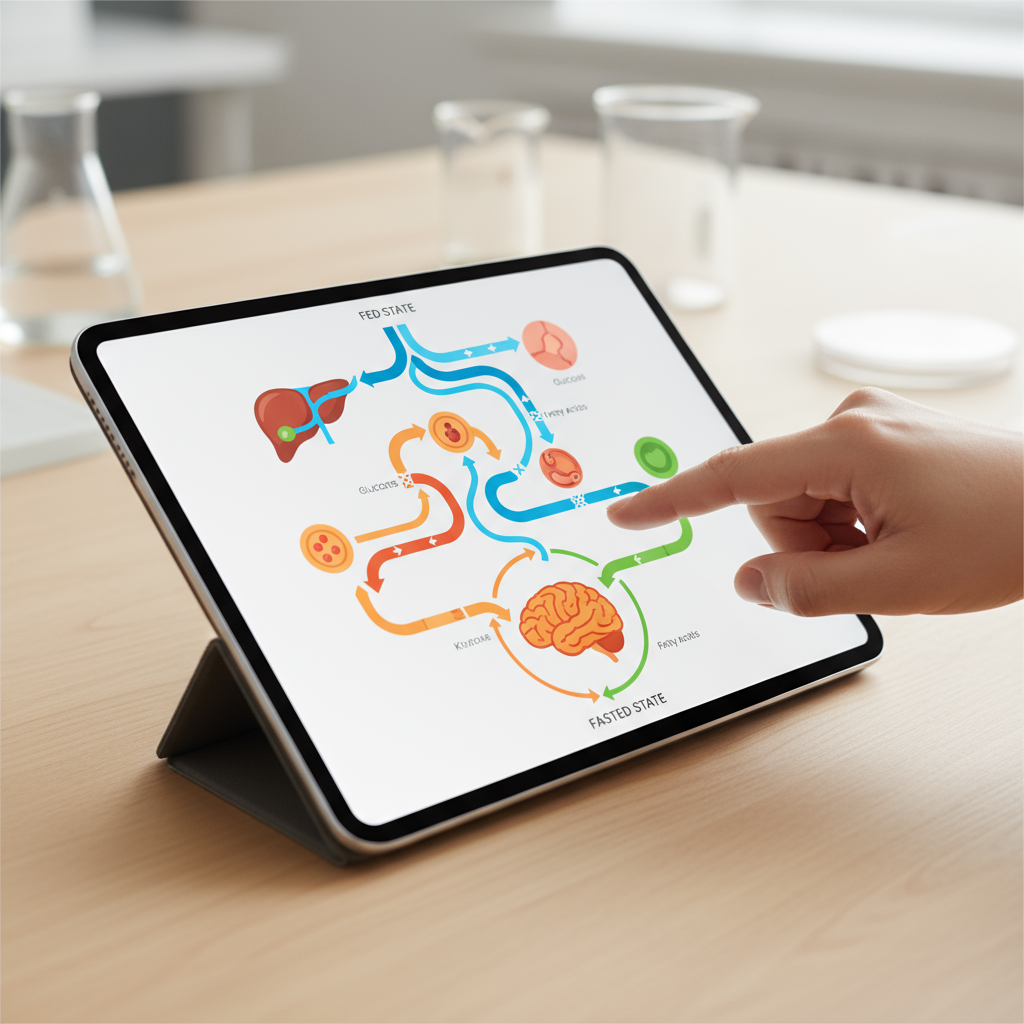
Now that we’ve covered the basics of water fasting and why it’s gaining so much attention as a weight loss method, let’s dig into what’s really happening inside your body. Because here’s the thing—water fasting isn’t just about skipping meals. It’s actually triggering some pretty fascinating biological processes that can completely transform how your body burns fat and maintains health. Understanding these mechanisms? That’s your key to making smart decisions and getting the most out of your fasting experience while staying safe. So let’s explore what’s actually going on under the hood and discover the incredible benefits that make this practice so powerful.
How Water Fasting Facilitates Weight Loss and Body Optimization
Here’s where things get interesting. When you stop eating, your body doesn’t just sit there waiting—it kicks into a completely different gear. Instead of relying on the glucose from your last meal, it starts burning through your stored fat like a well-oiled machine. This metabolic switch is called ketosis, and it’s basically your body’s way of saying, “Okay, no food coming in? No problem, I’ll just use what’s already here.” The best part? While you’re torching fat, your body is actually pretty smart about preserving your muscle mass. Want to track these changes properly? Check out this guide on weight loss and body measurements—because sometimes the scale doesn’t tell the whole story.
But wait, there’s more happening behind the scenes. Your digestive system finally gets a break (and trust me, it needs one). This rest period helps reduce inflammation throughout your body and gives your natural detox systems a chance to catch up. Meanwhile, your insulin levels drop significantly, which is huge for two reasons: better blood sugar control and less fat storage. It’s like hitting a reset button on your metabolism. Speaking of hydration during this process, understanding weight loss and water intake becomes crucial since water plays such a vital role in keeping your metabolism humming and your appetite in check.
Key Aspects of How Water Fasting Works
The science behind water fasting is pretty remarkable when you break it down. Here are the main things happening in your body:
- Metabolic Shift to Ketosis: Once your body runs out of easily available carbs, it switches to burning fat for fuel. This creates ketones—think of them as premium brain fuel that also helps reduce those nagging hunger pangs.
- Insulin Regulation and Sensitivity: With no food coming in, your insulin levels drop dramatically. This not only helps break down fat but also makes your body more sensitive to insulin when you do eat again, preventing those blood sugar spikes that lead to fat storage.
- Digestive System Rest and Detoxification: Your gut gets a much-needed vacation, which reduces inflammation and lets your liver and kidneys focus on clearing out toxins that have been hanging around way too long.
- Preservation of Muscle Mass: Contrary to what you might think, your body is surprisingly good at holding onto muscle during shorter fasts. This keeps your strength up and your metabolism running strong.
Understanding these processes gives you the confidence to approach water fasting from an informed perspective rather than just hoping for the best. And honestly? Once you see how your body responds, it’s pretty amazing. Now let’s talk about all the other benefits you might experience.
Exploring the Comprehensive Benefits of Water Fasting
Weight loss might be what draws most people to water fasting, but it’s definitely not the only benefit you’ll experience. We’re talking about improvements in physical health, mental clarity that’ll surprise you, and metabolic changes that can last well beyond your fast. The metabolism boost alone is worth paying attention to—when your insulin sensitivity improves, you’re basically teaching your body to handle food more efficiently. For a deeper dive into optimizing this aspect, the guide on how to improve insulin sensitivity pairs perfectly with fasting strategies.
And then there’s the mental side of things, which honestly caught me off guard the first time I learned about it. People consistently report feeling sharper, more focused, and emotionally more balanced during and after fasting. It makes sense when you think about it—no blood sugar roller coaster means no energy crashes or mood swings. If you’re looking to maximize the mental benefits, combining fasting with solid stress management techniques creates a powerful one-two punch for overall well-being. When you address both the physical and mental aspects together, you’re setting yourself up for sustainable success.
Key Aspects of Water Fasting Benefits
The range of benefits from water fasting goes way beyond what most people expect:
- Enhanced Physical Health and Metabolism: Your metabolism gets more efficient, fat burning kicks into high gear, and your digestive system gets the rest it desperately needs. When you start eating again, your body actually absorbs nutrients better than before.
- Mental Clarity and Emotional Balance: No more brain fog or afternoon crashes. The steady supply of ketones to your brain creates this sustained mental energy that many people describe as the best they’ve felt in years.
- Improved Insulin Sensitivity and Hormonal Balance: Your hunger hormones (ghrelin and leptin) start working properly again, and your blood sugar control improves dramatically. This means fewer cravings and better appetite regulation long after your fast ends.
- Detoxification and Cellular Repair: This is where it gets really cool—your body activates something called autophagy, which is basically cellular housekeeping. Old, damaged cells get cleaned out and replaced with fresh ones, potentially reducing your risk of chronic diseases.

Water fasting has really captured people’s attention lately—and for good reason. It’s a natural way to support weight loss and boost your overall health. We’ve covered a lot of ground here, from how your body shifts into ketosis and starts burning fat more efficiently, to how shorter fasts can actually help preserve your muscle mass. Pretty fascinating stuff, right?
But here’s the thing—weight loss is just the beginning. Water fasting can improve your insulin sensitivity, help balance your hormones, support your body’s natural detox processes, and even sharpen your mental clarity while stabilizing your mood. Now, before you get too excited, let’s be real about this: fasting isn’t all sunshine and rainbows. You might deal with dizziness, headaches, or fatigue. And honestly? It’s not for everyone. Staying hydrated and checking with your doctor first aren’t just suggestions—they’re essential.
Understanding how water fasting actually works puts you in the driver’s seat. You now know why reducing inflammation matters, why giving your digestive system a break can be so beneficial, and how your body’s natural detox processes get a boost. The mental and metabolic improvements? Those are game-changers that go way beyond just changing what you see on the scale. And knowing when to pump the brakes and seek medical advice? That’s what keeps you safe throughout this journey.
So where do you go from here? Well, there are some practical steps that can really amplify your results and help you maintain long-term progress. First up: hydration is absolutely crucial. Water doesn’t just keep you alive during a fast—it’s actively working to boost your metabolism and help regulate your appetite. Our guide on weight loss and water intake dives deep into this connection.
Here’s something else worth considering: the scale doesn’t tell the whole story. Tracking your body changes in other ways keeps you motivated and gives you a clearer picture of what’s really happening. Check out our resource on weight loss and body measurements for some effective methods. And if you want to keep improving your insulin sensitivity (which supports better metabolic health during and after fasting), we’ve got expert advice on how to improve insulin sensitivity that’s actually actionable.
Don’t forget about what happens when your fast ends. Having a solid, nutritious eating plan will help you maintain all those benefits you worked for. Consider pairing your fasting routine with a healthy nutrition plan that supports your energy, recovery, and overall wellness. This kind of holistic approach? That’s what sets you up for real, lasting success.
Remember—fasting is deeply personal. Your body will tell you what it needs if you listen. Prioritize safety, don’t hesitate to ask for support when you need it, and approach this as a positive, empowering experience. You’ve got the knowledge and practical guidance now to explore water fasting with confidence and safety. Think of it as one piece of a thoughtful lifestyle puzzle that balances your physical health, mental clarity, and nutritional wisdom. The foundation you’re building today? It’s setting you up for a healthier, more vibrant future. Trust the process, be patient with yourself, and remember that real success comes from steady, informed progress—not quick fixes.
Frequently Asked Questions
-
Is water fasting safe for everyone?
- Water fasting is not safe for everyone. It’s important to consult with a healthcare professional before starting, especially if you have underlying health conditions or take medications.
-
How long can I safely water fast?
- The safe duration of water fasting varies based on individual health and experience. Beginners should start with short fasts and gradually increase as tolerated, always under medical guidance.
-
Will water fasting cause muscle loss?
- Some muscle loss may occur during extended fasts, but shorter fasts help preserve muscle mass. Balancing fasting duration with proper nutrition and activity is crucial to minimize muscle loss.
-
Can I drink anything else besides water?
- Typically, only water is recommended during water fasting. However, some fasting variations allow non-caloric beverages like herbal tea, but always follow guidelines specific to your fasting plan.
-
How do I break a water fast safely?
- Break your fast gradually by reintroducing light, easy-to-digest meals such as broths, cooked vegetables, and small portions to avoid digestive distress and support your body’s adjustment.