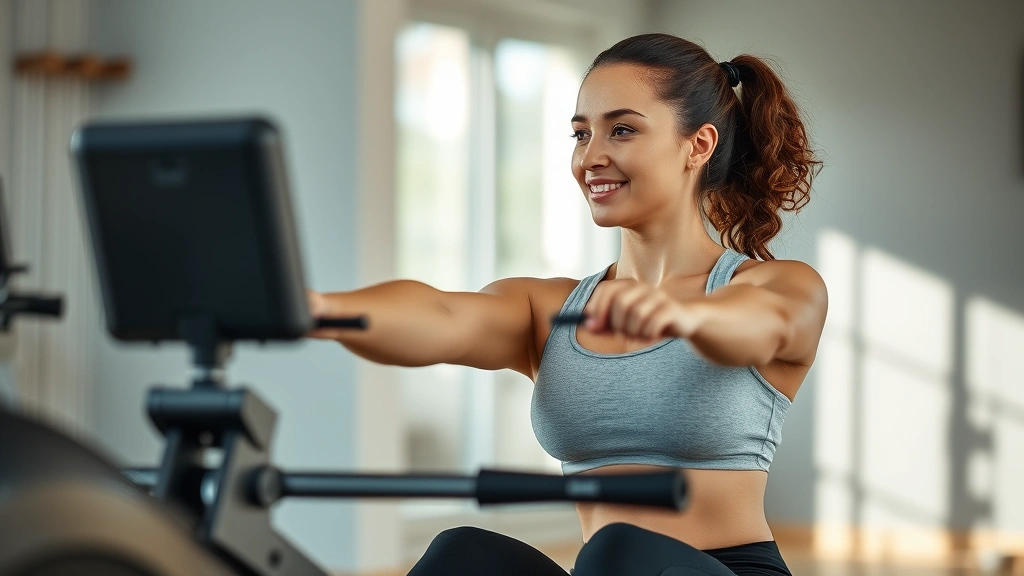
Is the Rowing Machine Effective for Weight Loss?
The rowing machine has gained significant popularity as a fitness tool for weight loss, and for good reason. This full-body exercise equipment engages multiple muscle groups simultaneously, offering impressive calorie-burning potential that rivals or exceeds many other cardio machines. Whether you’re new to fitness or looking to enhance your existing routine, understanding how rowing contributes to weight loss can help you make an informed decision about incorporating it into your exercise regimen.
Rowing machines provide a low-impact, high-intensity workout that builds lean muscle while torching calories. Unlike running or jumping exercises that stress your joints, rowing distributes the physical demand across your entire body—your legs, core, back, and arms all work together in a coordinated movement pattern. This comprehensive engagement means you’re not just doing cardio; you’re simultaneously building strength, which is crucial for long-term weight management and metabolic health.
The effectiveness of rowing for weight loss depends on several factors, including workout intensity, consistency, proper form, and how you integrate it with nutrition and other lifestyle habits. Let’s explore the science behind rowing machine workouts and how to maximize their weight loss potential.
How Rowing Burns Calories
A rowing machine is remarkably efficient at burning calories during exercise. The average person can burn between 400-600 calories in a 30-minute moderate-intensity rowing session, depending on body weight, age, and fitness level. Heavier individuals burn more calories, while those with higher fitness levels may need to increase intensity to maintain the same caloric expenditure over time.
The calorie burn comes from two primary mechanisms: the immediate energy expenditure during the workout and the afterburn effect, scientifically known as excess post-exercise oxygen consumption (EPOC). After intense rowing sessions, your body continues to burn calories at an elevated rate as it recovers and repairs muscle tissue. This metabolic elevation can persist for hours after you finish exercising, contributing additional calorie burn beyond the actual workout duration.
Research published in fitness and sports medicine journals demonstrates that rowing provides comparable or superior calorie expenditure to treadmill running and stationary cycling. What sets rowing apart is the muscle engagement factor—because you’re recruiting approximately 85% of your body’s muscles with each stroke, you’re creating a more comprehensive energy demand on your system.
Muscle Building and Metabolism
One of rowing’s most valuable contributions to weight loss is its ability to build and maintain lean muscle mass. Unlike pure cardio exercises that primarily burn calories without significant muscle development, rowing simultaneously strengthens major muscle groups including your quadriceps, hamstrings, glutes, back, shoulders, and core.
This muscle-building aspect is crucial because muscle tissue is metabolically active—it burns calories even when you’re at rest. Adding lean muscle through rowing increases your resting metabolic rate, meaning you burn more calories throughout the day, not just during workouts. Over time, this creates a significant advantage for sustainable weight loss and weight maintenance.
Studies show that individuals who combine cardiovascular exercise with resistance training achieve better long-term weight loss results than those who focus on cardio alone. Rowing provides both components in a single workout, making it exceptionally efficient for reshaping your body composition. You’re not just losing weight; you’re replacing fat with muscle, which creates visible physical changes even if the scale doesn’t move dramatically.
Rowing vs Other Cardio Equipment
When comparing rowing to other popular cardio machines, the advantages become clear. A treadmill primarily works your lower body and provides impact stress on your joints. An elliptical machine offers low-impact cardio but engages fewer muscle groups than rowing. Stationary bikes concentrate effort on your legs while leaving your upper body relatively inactive.
Rowing machines, by contrast, provide a comprehensive full-body workout in every single stroke. You engage your legs, back, core, and arms simultaneously, creating a more balanced and efficient training stimulus. This comprehensive engagement translates to greater overall calorie expenditure and more effective muscle development.
Additionally, rowing is genuinely low-impact. Your feet stay planted on the footrest throughout the entire movement, eliminating the joint stress associated with running or jumping. This makes rowing suitable for people with joint concerns or those recovering from injury, which means you can maintain consistency in your training—and consistency is essential for weight loss success.
Intensity Matters: HIIT and Steady State
The rowing machine excels at both steady-state and high-intensity interval training. Weight loss and interval training represent a powerful combination, and rowing is one of the best platforms for implementing this approach.
Steady-state rowing involves maintaining a consistent, moderate effort for extended periods—typically 20-60 minutes. This approach builds aerobic capacity and burns substantial calories while remaining sustainable for longer durations. Steady-state rowing is ideal for beginners or those preferring lower-intensity, longer-duration workouts.
High-intensity interval training (HIIT) on a rowing machine alternates between short bursts of maximum effort and recovery periods. A typical HIIT rowing workout might involve 30 seconds of all-out rowing followed by 30 seconds of light rowing, repeated for 15-20 minutes. HIIT workouts produce superior calorie burn in shorter timeframes and create a more pronounced afterburn effect.
Research comparing different exercise intensities shows that HIIT produces greater fat loss, particularly visceral fat (the dangerous fat surrounding organs), compared to steady-state cardio. However, both approaches are valuable. Many successful weight loss programs combine steady-state rowing with periodic HIIT sessions for optimal results.
Combining Rowing with Nutrition
Exercise alone cannot produce sustainable weight loss without addressing nutrition. The equation is straightforward: weight loss requires a calorie deficit, meaning you must consume fewer calories than you expend. Rowing creates the calorie expenditure side of this equation, but nutrition determines whether you maintain that deficit.
Proper nutrition for weight loss involves consuming adequate protein to support muscle recovery and maintenance, choosing whole foods over processed options, and managing portion sizes. Whey protein shakes for weight loss can supplement your nutrition plan by providing convenient, high-protein options that support muscle recovery after intense rowing sessions.
Different dietary approaches work for different people. Some find success with weight loss and the paleo diet, while others prefer Mediterranean or plant-based approaches. What matters most is finding a sustainable eating pattern you can maintain long-term. Working with a registered dietitian can help you develop a personalized nutrition plan that complements your rowing training.
Some individuals face specific health challenges that affect weight loss. If you have PCOS and are seeking weight loss solutions, specialized dietary approaches may be necessary alongside your rowing routine.
Proper Rowing Form for Maximum Results
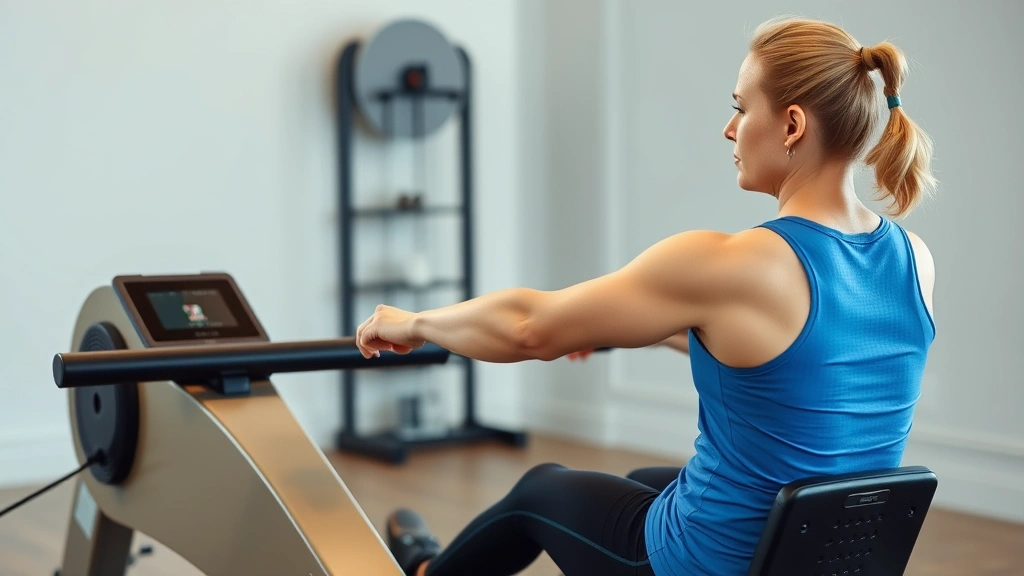
Incorrect rowing form reduces effectiveness and increases injury risk. The proper rowing stroke involves a coordinated sequence: legs drive first, then your core and back engage, and finally your arms complete the movement. The recovery phase reverses this sequence: arms extend first, then your core hinges at the hips, and finally your legs bend.
Common form mistakes include hunching your back, initiating the stroke with your arms instead of your legs, or rowing with excessive speed while sacrificing power. These errors reduce calorie burn and muscle engagement while stressing your lower back.
Most rowing machines include performance monitors displaying pace, watts, calories, and other metrics. Use these tools to maintain consistent effort and track your progress over time. Consider watching instructional videos from reputable sources or working with a trainer familiar with rowing mechanics to establish proper form before increasing intensity.
Creating Your Rowing Weight Loss Plan
An effective rowing plan for weight loss should include progressive overload—gradually increasing difficulty as your fitness improves. Begin with 2-3 rowing sessions weekly if you’re new to exercise, allowing adequate recovery time between workouts.
A sample beginner plan might include:
- Monday: 20-minute steady-state row at moderate intensity
- Wednesday: 15-minute HIIT session (30 seconds hard, 30 seconds easy)
- Friday: 25-minute steady-state row, slightly faster pace than Monday
As fitness improves, gradually increase duration, intensity, or frequency. Advanced rowers might incorporate 4-5 sessions weekly, combining long steady-state rows with multiple HIIT sessions.
Track your progress through metrics beyond the scale. Monitor energy levels, how your clothes fit, strength improvements (increased watts on the rowing machine), and performance metrics like pace and distance. These indicators often shift before the scale moves, providing motivation during plateaus.
Consistency matters more than perfection. Missing occasional workouts is normal; the key is maintaining your routine over weeks and months. Most people notice significant weight loss results within 8-12 weeks of consistent rowing combined with proper nutrition.
Consider incorporating rowing into a broader fitness program. Complementary activities like strength training on non-rowing days, flexibility work, and stress management support overall health and weight loss. Rest days are equally important—they allow your body to recover, adapt, and build strength.
Track your progress systematically. Keep a simple log noting workout duration, intensity level, and how you felt. Over time, you’ll see improvements in endurance, power output, and consistency. These tangible improvements in performance often motivate continued effort better than scale weight alone.
Remember that weight loss is individual. Factors like age, genetics, hormones, sleep quality, stress levels, and overall health influence how quickly you lose weight. A rowing machine is a powerful tool, but it works best as part of a comprehensive approach addressing exercise, nutrition, sleep, and stress management.
If you’re documenting your weight loss journey, before and after pictures weight loss can powerfully illustrate your physical transformation. Many people find that visual documentation provides motivation and accountability.
For those seeking community support and accountability, participating in a weight loss challenge can enhance motivation and consistency. Group challenges create social accountability that encourages adherence to your rowing plan.

FAQ
How many times per week should I use a rowing machine for weight loss?
Most fitness experts recommend 3-5 rowing sessions weekly for optimal weight loss. Beginners should start with 2-3 sessions weekly, allowing at least one rest day between workouts. More frequent training requires proper form, adequate nutrition, and sufficient recovery to prevent injury and burnout.
Can I lose weight using only a rowing machine?
You can create a calorie deficit through rowing alone, which is technically necessary for weight loss. However, combining rowing with resistance training preserves and builds muscle, creating better body composition changes. Additionally, addressing nutrition is crucial—exercise without dietary management rarely produces significant weight loss.
How long does it take to see weight loss results from rowing?
Most people notice changes in energy, strength, and how clothes fit within 2-3 weeks of consistent rowing. Measurable weight loss typically appears within 4-6 weeks when combined with proper nutrition. Significant transformations usually require 8-12 weeks of consistent effort.
Is rowing better than running for weight loss?
Rowing and running both effectively burn calories, but rowing engages more muscle groups and is lower-impact. Rowing builds more lean muscle, which supports long-term metabolic health. Running may be more accessible for some people. The best exercise is the one you’ll do consistently.
Can beginners use a rowing machine safely?
Yes, rowing machines are safe for beginners when proper form is used. The low-impact nature makes it suitable for various fitness levels. Start with shorter sessions at moderate intensity, focus on learning correct form, and progress gradually. If you have joint issues or injuries, consult a healthcare provider before starting.
Should I do rowing on an empty stomach?
Eating a small meal or snack 1-2 hours before rowing provides energy for better performance. Rowing on a completely empty stomach may reduce workout quality and energy levels. Post-workout nutrition is important for recovery, particularly protein consumption within a few hours after exercise.


