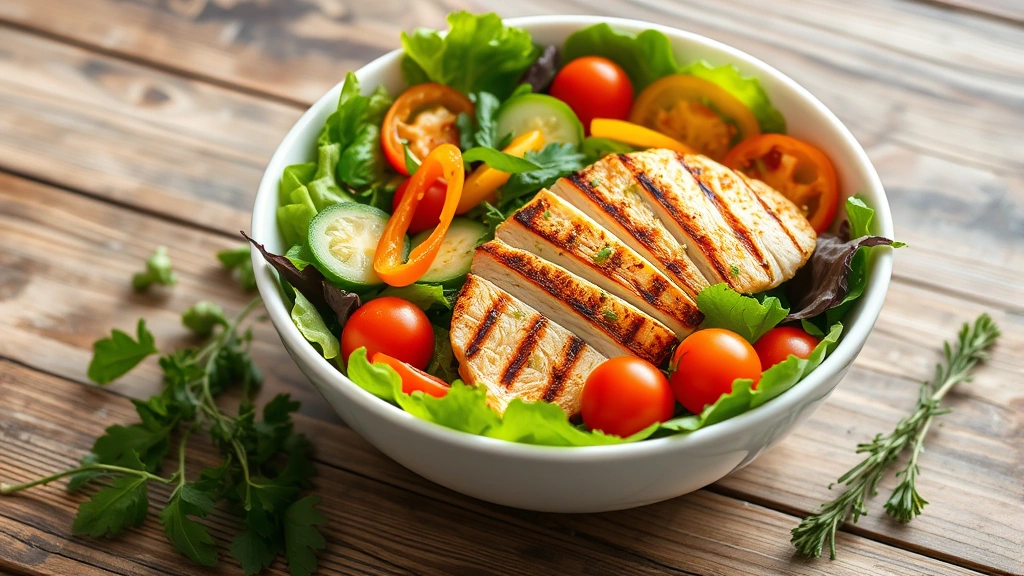
Can Salad Aid Weight Loss? Nutritionist Insight
Salad often gets positioned as the ultimate weight loss food, but the reality is more nuanced. While salads can absolutely support your weight loss journey, their effectiveness depends entirely on what you’re putting in them. A heavy cream-based dressing can transform a nutrient-dense salad into a calorie bomb that undermines your efforts. Understanding how to build salads strategically—focusing on fiber, protein, and volume—can make them one of your most powerful tools for sustainable weight management.
The truth is that salads work best as part of a comprehensive approach to weight loss that includes dietary strategies, consistent exercise routines, and lifestyle modifications. This guide breaks down exactly how salads can contribute to weight loss, what makes them effective, and how to avoid common pitfalls that sabotage your results.
Do Salads Really Help With Weight Loss?
Yes, salads can be an excellent vehicle for weight loss when constructed thoughtfully. The key lies in understanding that not all salads are created equal. A salad with iceberg lettuce, croutons, bacon bits, and ranch dressing might contain 600+ calories with minimal nutritional density. Meanwhile, a carefully composed salad with dark leafy greens, lean protein, fiber-rich vegetables, and a measured amount of vinaigrette might deliver similar satiety with only 300-350 calories.
Research published in Appetite journal demonstrates that vegetable-based meals increase satiety due to their high water and fiber content, which means you feel fuller longer on fewer calories. This is the fundamental mechanism that makes salads valuable for weight loss. The volume of food you consume matters psychologically and physiologically—your stomach’s stretch receptors signal fullness based on quantity, not just calories.
The critical factor is intentional composition. Salads work best when they include:
- Substantial vegetables that provide volume and fiber
- Lean protein sources that increase satiety hormones
- Healthy fats in moderation that slow digestion
- Controlled portions of dressing that add flavor without excess calories
When you combine these elements, salads become a cornerstone of sustainable weight loss rather than just a side dish or token healthy choice.
The Science Behind Salad and Satiety
Understanding why salads work requires examining the physiology of fullness and appetite regulation. When you consume high-volume, low-calorie foods like salads, several mechanisms activate to support weight loss:
Fiber and Digestive Satiety: Vegetables are rich in insoluble and soluble fiber. Insoluble fiber adds bulk to your meal, stretching your stomach and triggering satiety signals. Soluble fiber slows gastric emptying, meaning food stays in your stomach longer, extending the feeling of fullness. According to the CDC Nutrition and Physical Activity division, adequate fiber intake is associated with healthier body weights and improved metabolic markers.
Water Content and Volume: Most salad vegetables are 80-95% water. This high water content means you can eat a large volume of food with minimal calories. Your brain registers fullness based partly on meal volume and weight, not just caloric density. A 500-calorie plate piled high with vegetables feels more satisfying than a 500-calorie plate of pasta.
Protein and Hormonal Responses: Adding protein to your salad—whether chicken, fish, legumes, or tofu—triggers the release of peptide YY and glucagon-like peptide-1, hormones that signal satiety to your brain. Protein also has the highest thermic effect of food, meaning your body burns more calories digesting it compared to carbohydrates or fats.
Blood Sugar Stability: Salads with adequate fiber and protein help stabilize blood glucose levels, preventing the energy crashes that trigger cravings. When blood sugar remains stable, you’re less likely to reach for high-calorie snacks between meals.
These mechanisms work synergistically in a well-constructed salad, making it a metabolically advantageous choice for weight loss.
Building Weight Loss-Friendly Salads
The architecture of your salad determines its impact on your weight loss journey. A strategic approach involves layering components that work together to maximize nutrition, satiety, and sustainability.
The Foundation Layer: Start with dark leafy greens rather than iceberg lettuce. Spinach, arugula, kale, and mixed greens offer significantly more micronutrients, fiber, and phytonutrients. These greens are virtually calorie-free and provide vitamins K, A, C, and folate—all essential for metabolic function.
The Volume Layer: Add colorful, nutrient-dense vegetables. Aim for at least 3-4 cups of raw vegetables. Include options like bell peppers, cucumbers, tomatoes, broccoli, cauliflower, carrots, and radishes. This layer creates the bulk that makes your salad feel substantial while adding minimal calories.
The Protein Layer: Include 4-6 ounces of lean protein. Grilled chicken breast, wild-caught salmon, ground turkey, hard-boiled eggs, Greek yogurt, or legumes all work well. This layer is crucial for satiety and muscle preservation during weight loss. Combining salads with resistance training ensures the weight you lose comes primarily from fat, not muscle.
The Healthy Fat Layer: Add a modest amount of healthy fats—perhaps 1/4 avocado, a small handful of nuts, or seeds. Healthy fats improve nutrient absorption (many salad vitamins are fat-soluble) and contribute to satiety. However, measure these portions carefully, as they’re calorie-dense.
The Flavor Layer: Use 2-3 tablespoons of dressing, applied strategically. Toss only part of the salad with dressing to maintain some vegetables with concentrated flavor without excessive calories.
Common Salad Mistakes That Sabotage Weight Loss
Even with the best intentions, salad choices can derail weight loss progress. Recognizing these common pitfalls helps you make consistently smart decisions:
Dressing Overdose: This is the most frequent mistake. Many people pour dressing generously, thinking “it’s just salad.” A quarter cup of creamy dressing contains 200-300 calories. People often use two or three times this amount. Switch to vinegar-based dressings or use the fork-dipping method where you dip your fork in dressing before each bite, controlling portions naturally.
Invisible Calorie Additions: Croutons, cheese, bacon bits, nuts, dried fruit, and candied nuts add up quickly. A handful of candied pecans (1/4 cup) contains 200+ calories. Be intentional about these additions, measuring them rather than free-pouring.
Insufficient Protein: Salads with only vegetables and minimal protein won’t keep you satisfied. You might eat your salad at lunch and feel hungry by 2 PM, leading to snacking. Always include a substantial protein source.
Relying Solely on Salads: While salads are excellent, eating only salads for weight loss creates nutritional gaps and sustainability issues. Combine them with other dietary approaches and varied whole foods. Your body needs diverse nutrient sources for optimal function.
Choosing Pre-Made Salads Without Inspection: Restaurant and store-bought salads often contain shocking amounts of calories—sometimes 800-1200 calories before you add extra dressing. Always request dressing on the side and review nutritional information when available.
Salad Fatigue: Eating the same salad repeatedly leads to boredom and abandonment of the strategy. Rotate vegetables, proteins, and dressings to maintain interest and ensure varied nutrient intake.

Best Vegetables for Weight Loss Salads
Not all vegetables are equally effective for weight loss salads. While all vegetables are healthy, some offer superior benefits for satiety and nutrient density:
Dark Leafy Greens: Spinach, kale, arugula, and Swiss chard provide iron, calcium, and phytonutrients with virtually no calories. They’re also rich in folate, which supports metabolic function. These should form your salad base.
Cruciferous Vegetables: Broccoli, cauliflower, and Brussels sprouts contain sulforaphane, a compound with potential metabolic benefits. They’re also particularly satiating due to their fiber content. Raw broccoli florets provide satisfying crunch.
Bell Peppers: Rich in vitamin C and capsaicin (which may slightly boost metabolism), bell peppers add color, sweetness, and volume. All colors are nutritious; vary them for different phytonutrient profiles.
Cucumbers: Extremely low in calories with high water content, cucumbers add volume without caloric impact. They’re particularly useful when you want to maximize salad size.
Tomatoes: Containing lycopene and other antioxidants, tomatoes add nutritional value. However, use them in moderation if watching carbohydrate intake, as they contain more carbs than other vegetables.
Radishes and Jicama: These provide satisfying crunch with minimal calories. They’re often overlooked but deserve a place in rotation.
Carrots: While slightly higher in natural sugars, raw carrots provide beta-carotene, fiber, and satisfying crunch. Use them moderately rather than as the primary vegetable base.
Protein Additions That Boost Satiety
Protein is the macronutrient most effective for satiety and weight loss support. Including adequate protein in your salad transforms it from a side dish into a complete meal that sustains you for hours:
Poultry: Grilled chicken breast is the classic choice—lean, affordable, and versatile. A 4-ounce serving contains about 35 grams of protein with minimal fat. Turkey offers similar benefits with slightly different micronutrient profiles.
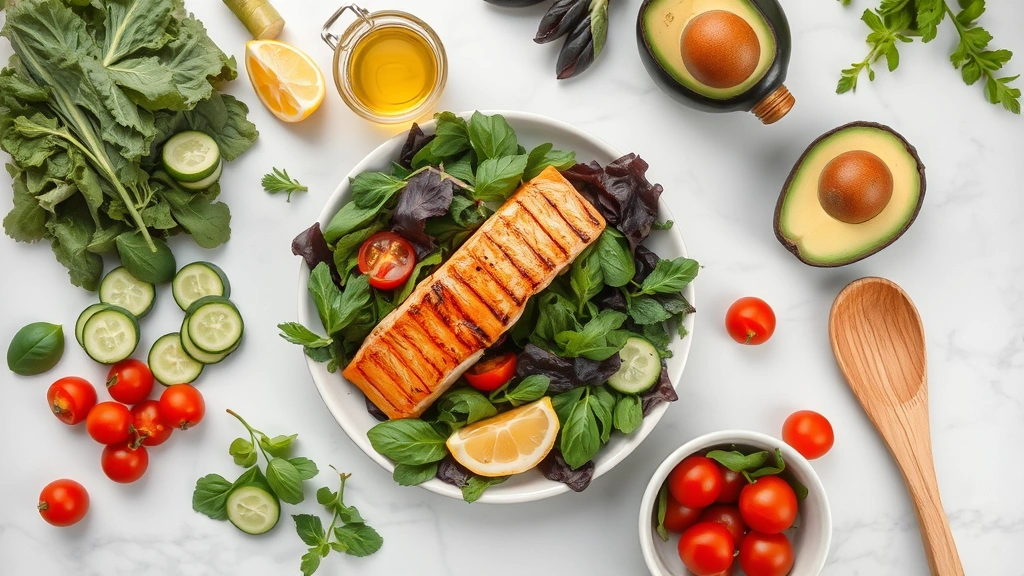
Fish and Seafood: Salmon, tuna, and other fatty fish provide omega-3 fatty acids alongside protein, offering anti-inflammatory benefits. Even canned fish works well for convenience. Shrimp is an excellent low-calorie option with high protein density.
Eggs: Hard-boiled eggs provide complete protein with choline for brain health. Two eggs add about 12 grams of protein with minimal calories. They’re also incredibly convenient for meal prep.
Legumes: Chickpeas, black beans, and lentils combine protein with fiber for exceptional satiety. While slightly higher in carbohydrates than animal proteins, they offer unique micronutrients and are ideal for vegetarian approaches.
Greek Yogurt: Plain Greek yogurt (not flavored versions with added sugar) provides protein and probiotics. Use it as a dressing base or mix with vinegar for a creamy, protein-rich dressing.
Tofu and Tempeh: These soy-based proteins work well for vegetarian and vegan approaches, providing all nine essential amino acids. Their neutral flavor absorbs dressing and seasonings well.
Smart Dressing Choices
Dressing is where salads often derail weight loss efforts. However, strategic choices allow you to enjoy flavorful salads while supporting your goals:
Vinegar-Based Dressings: Vinaigrettes with olive oil, vinegar, and seasonings offer maximum flavor with reasonable calorie density. A 2-tablespoon serving typically contains 120-150 calories. Acetic acid in vinegar may also provide modest metabolic benefits according to research in Journal of the American College of Nutrition.
Oil-Free Dressings: Balsamic vinegar reduction, lime juice with cilantro, or lemon-herb combinations provide flavor with minimal calories. These work particularly well for Asian-inspired salads.
Greek Yogurt-Based Dressings: Mix plain Greek yogurt with herbs, lemon, and garlic for a creamy dressing with 50-80 calories per 2-tablespoon serving. This approach provides protein alongside flavor.
Portion Control Strategies: Rather than pouring dressing over the entire salad, use the fork-dipping method. Dip your fork in dressing before each bite—you’ll use less while experiencing full flavor intensity. Alternatively, request dressing on the side at restaurants and measure it at home.
Dressings to Limit: Creamy dressings like ranch, blue cheese, and caesar contain 150-200 calories per 2-tablespoon serving. If you enjoy these flavors, use them sparingly or make lighter versions with Greek yogurt bases.
Homemade Advantage: Making dressing at home gives you complete control over ingredients and portions. A simple vinaigrette takes 30 seconds to prepare and costs a fraction of bottled versions.
Salad Meal Planning Strategies
Integrating salads strategically into your weight loss plan maximizes their impact. Rather than viewing salads as mandatory daily meals, consider them as flexible tools within a broader nutritional framework:
Salad Timing: Eating a salad at lunch provides sustained satiety through the afternoon. Starting dinner with a salad can reduce overall calorie intake by promoting early satiety before higher-calorie components. This strategy appears particularly effective when combined with consistent aerobic exercise.
Meal Prep Efficiency: Prepare salad components on Sunday for the week ahead. Store greens separately from dressing and wet ingredients to maintain freshness. Pre-cook proteins and chop vegetables for grab-and-go convenience. This reduces decision fatigue and ensures you have healthy options available.
Rotation System: Plan three to five different salad variations and rotate them weekly. This prevents boredom while ensuring nutritional variety. Different vegetables, proteins, and dressings keep your palate interested and your nutrition balanced.
Complementary Meals: Combine salads with other weight loss strategies. Pair lunchtime salads with metabolic support strategies and consistent strength training for optimal results. Remember that preserving muscle mass during weight loss requires adequate protein, which salads with quality proteins provide effectively.
Flexibility Framework: View salads as adaptable meals rather than rigid requirements. Some days you might need a more substantial warm meal instead. Listen to your body’s signals while maintaining your overall caloric deficit. Sustainable weight loss accommodates flexibility—participate in structured challenges that allow personalization rather than rigid rules.
Portion Awareness: A properly constructed salad with protein and healthy fats typically contains 300-450 calories—appropriate for a lunch or light dinner. Knowing your salad’s approximate calories helps you manage your overall daily intake without obsessive tracking.
FAQ
Can I eat salad every day for weight loss?
While salads are nutritious, eating only salads daily creates nutritional gaps and sustainability issues. Vary your meals to include whole grains, lean proteins from different sources, healthy fats, and cooked vegetables. Salads work best as part of a diverse, balanced eating pattern rather than your entire diet.
What’s the best time to eat salad for weight loss?
Eating salad at lunch provides sustained afternoon satiety. Starting dinner with a salad can reduce overall meal calorie intake by promoting early fullness. Timing matters less than consistency—eat salads when they fit your schedule and preferences, ensuring you stick with the habit long-term.
How many calories should my weight loss salad contain?
A properly constructed salad should contain 300-450 calories for lunch or light dinner, depending on your overall caloric needs and meal frequency. Include protein, vegetables, and modest healthy fats to achieve satiety. Your nutritionist can recommend specific calorie targets based on your individual situation.
Are store-bought salad kits good for weight loss?
Salad kits offer convenience but often include calorie-dense components like croutons, cheese, and dressing packets. You can make them weight-loss friendly by omitting high-calorie additions, using only a portion of the dressing packet, and adding extra protein. However, building salads from whole ingredients gives you superior control.
Can salad alone cause weight loss?
No single food causes weight loss—only creating a consistent caloric deficit does. Salads support weight loss by promoting satiety, reducing overall calorie intake, and providing dense nutrition. They’re most effective combined with regular exercise, adequate sleep, stress management, and behavioral changes around eating patterns.
What if I don’t like salads?
Weight loss doesn’t require eating foods you dislike. If salads don’t appeal to you, focus on other vegetable-based meals, whole grains, lean proteins, and legumes. The fundamental principle is creating a caloric deficit with nutritious, satisfying foods you genuinely enjoy. Many people lose weight effectively without regularly eating salads.
Do I need special supplements with a salad-heavy diet?
A well-constructed salad with varied vegetables, proteins, and healthy fats provides most nutrients. However, some people benefit from supplementation based on individual needs. Consult a registered dietitian to assess whether you need supplements like vitamin B12, vitamin D, or omega-3s based on your specific diet and health status.


