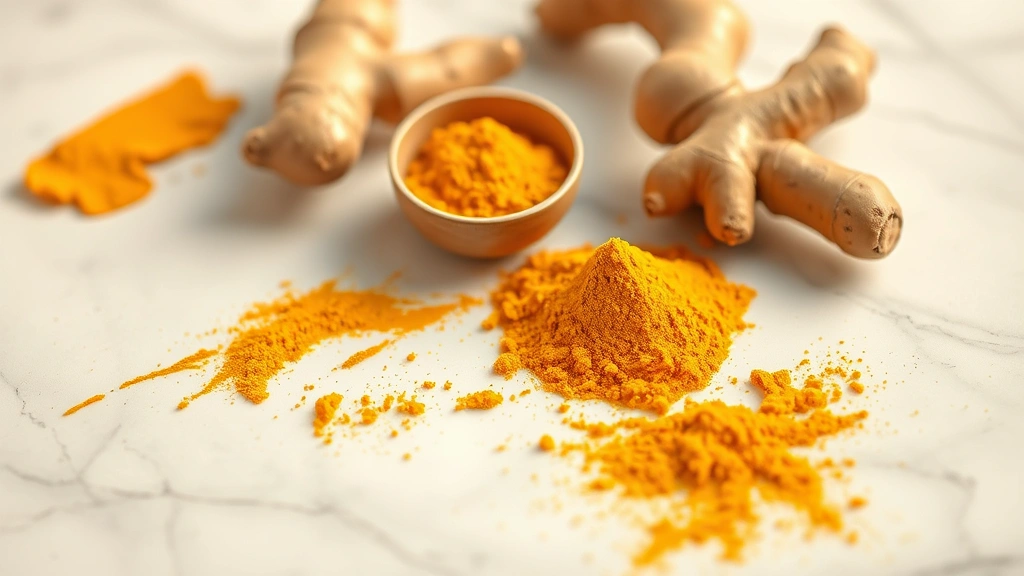
Turmeric for Weight Loss? Doctor Explains Benefits
Turmeric has emerged as one of the most discussed natural compounds in weight loss circles, with countless testimonials and social media posts promoting the turmeric trick for weight loss. But does science actually support these claims? As a health writer focused on evidence-based weight management, I’ve investigated the research behind turmeric’s potential role in your weight loss journey. This golden spice contains curcumin, a bioactive compound that has been studied extensively for its metabolic and anti-inflammatory properties.
The excitement around turmeric isn’t unfounded—multiple clinical studies have examined curcumin’s effects on body composition, insulin sensitivity, and weight management. However, the reality is more nuanced than many wellness influencers suggest. Understanding what turmeric can and cannot do is essential for making informed decisions about your health strategy, especially when combined with other proven approaches like weight loss and blood sugar management.
What Is Curcumin and How Does It Work?
Turmeric is a rhizome (underground stem) from the Curcuma longa plant, commonly used in South Asian cuisine for thousands of years. The compound responsible for turmeric’s golden color and most of its health benefits is curcumin, which makes up only 2-5% of turmeric by weight. This is a crucial distinction because many over-the-counter turmeric supplements contain minimal curcumin unless specifically standardized.
Curcumin operates through multiple biological pathways in your body. It acts as a potent antioxidant and anti-inflammatory agent, reducing oxidative stress at the cellular level. When consumed, curcumin interacts with various molecular targets, including transcription factors and enzymes involved in inflammation regulation. For weight management specifically, researchers have identified that curcumin may influence adipogenesis (fat cell formation) and lipid metabolism, the processes your body uses to store and break down fat.
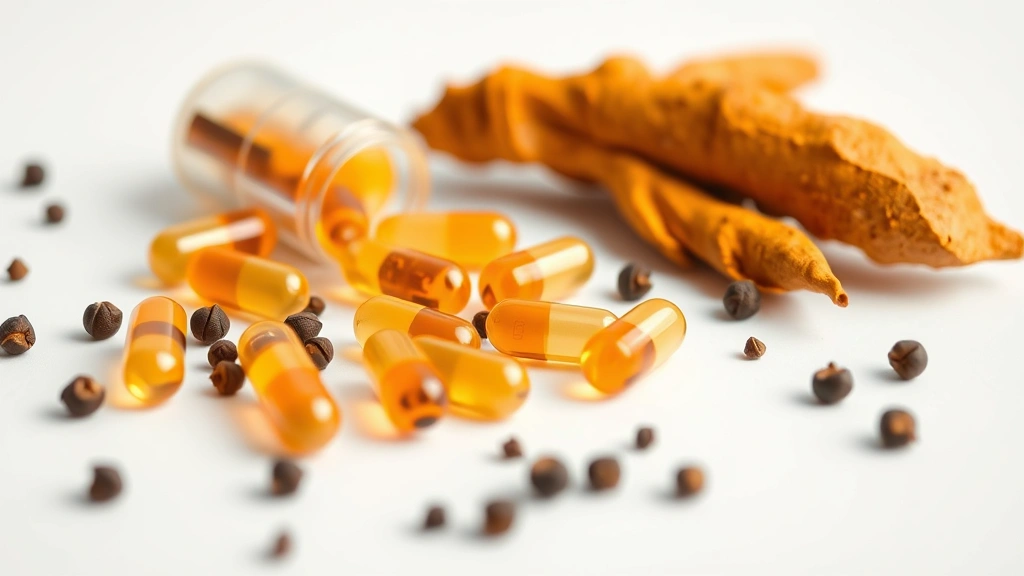
The bioavailability of curcumin is notoriously low—meaning your body struggles to absorb and utilize it effectively when taken alone. This is why many supplements combine turmeric with piperine (black pepper extract), which can increase curcumin absorption by up to 2000%. Without this enhancement, much of the turmeric you consume passes through your digestive system without being absorbed.
The Science Behind Turmeric and Metabolism
Several peer-reviewed studies have examined turmeric’s impact on metabolic rate and weight loss. A systematic review published in the National Center for Biotechnology Information analyzed multiple randomized controlled trials and found that curcumin supplementation was associated with modest reductions in body weight and body mass index (BMI) in overweight and obese individuals.
One particularly notable study involved 44 overweight adults who received either curcumin or placebo over an 8-week period. The curcumin group showed a mean weight loss of approximately 5 pounds more than the placebo group, along with improvements in waist circumference. However, these participants also followed a calorie-restricted diet, making it difficult to isolate turmeric’s unique contribution.
Turmeric may support metabolic health through several mechanisms. Curcumin appears to activate AMPK (adenosine monophosphate-activated protein kinase), an enzyme sometimes called the “metabolic master switch.” This activation can enhance your body’s energy expenditure and improve insulin sensitivity. Additionally, research suggests curcumin may increase the expression of genes involved in mitochondrial biogenesis—essentially helping your cells generate more energy-producing capacity.
The spice also shows promise for improving glucose metabolism, which indirectly supports weight management. When your body handles blood sugar more efficiently, you experience fewer energy crashes and reduced cravings. This connects directly to understanding weight loss and blood sugar relationships.
Turmeric’s Anti-Inflammatory Effects on Weight
Chronic inflammation is increasingly recognized as a significant factor in weight gain and metabolic dysfunction. When your body exists in a state of persistent low-grade inflammation, it becomes more resistant to leptin (the hormone that signals fullness) and more prone to storing excess calories as fat. This inflammatory state also slows metabolic rate and increases appetite, creating a challenging cycle.
Curcumin’s powerful anti-inflammatory properties directly address this problem. Research published in the Journal of Medicinal Food demonstrates that curcumin reduces inflammatory markers including TNF-alpha, IL-6, and C-reactive protein. By lowering inflammation, turmeric may help restore hormonal balance, improve insulin sensitivity, and reduce the metabolic resistance that makes weight loss increasingly difficult.
This anti-inflammatory action extends to the gut microbiome. Emerging research suggests that curcumin promotes beneficial bacterial growth and strengthens the intestinal barrier. A healthy microbiome is increasingly understood to be essential for weight regulation, as it influences nutrient absorption, hormone production, and appetite signaling. The diversity and composition of your gut bacteria directly impact your ability to lose weight and maintain a healthy metabolism.
Furthermore, inflammation in adipose tissue (fat cells themselves) contributes to metabolic dysfunction. Overweight individuals often have inflamed fat deposits that release inflammatory substances into the bloodstream. Turmeric’s ability to reduce this tissue-specific inflammation may help restore more normal fat cell function and improve overall metabolic health.

How to Use Turmeric for Weight Loss
If you’re considering using turmeric as part of your weight loss strategy, understanding proper usage is critical. The most effective approach involves consuming turmeric with black pepper and a fat source, as curcumin is fat-soluble and requires dietary fat for optimal absorption.
Golden Milk Method: The traditional approach involves preparing golden milk (turmeric latte), mixing 1/4 to 1/2 teaspoon of turmeric powder with warm milk (dairy or plant-based), a pinch of black pepper, and optional sweetener. This method provides both bioavailability enhancement through black pepper and fat content from the milk.
Supplementation: Standardized curcumin supplements typically contain 95% curcumin and are more concentrated than whole turmeric powder. Effective dosages in research studies range from 500mg to 2000mg daily, divided into multiple doses. Look for supplements that include piperine or use advanced delivery systems like liposomal formulations for enhanced absorption.
Culinary Use: Incorporating turmeric into your regular diet through cooking is safe and beneficial. Add turmeric to curries, rice dishes, soups, roasted vegetables, and smoothies. While culinary amounts provide lower curcumin concentrations than supplements, the cumulative effect combined with a healthy diet contributes to overall anti-inflammatory benefits.
Timing Considerations: Some research suggests consuming curcumin with meals enhances absorption. Taking supplements with breakfast or lunch, rather than on an empty stomach, optimizes bioavailability. Consistency matters more than timing—regular daily consumption provides better results than sporadic use.
When starting turmeric supplementation, begin with lower doses to assess tolerance. Your body needs time to adjust, and starting gradually helps you identify any individual sensitivities. Many practitioners recommend building up to therapeutic doses over 1-2 weeks.
Combining Turmeric with Other Weight Loss Strategies
Turmeric works best as part of a comprehensive weight loss approach rather than a standalone solution. While curcumin offers genuine metabolic and anti-inflammatory benefits, it amplifies the effects of other proven strategies.
Combining turmeric with proper nutritional approaches including frozen meals for weight loss creates synergistic benefits. A diet rich in whole foods, lean proteins, and fiber provides the caloric deficit necessary for weight loss, while turmeric enhances your metabolic function and reduces the inflammation that accompanies rapid weight changes.
Exercise amplifies turmeric’s benefits significantly. Resistance training and aerobic exercise increase inflammation temporarily, which then triggers anti-inflammatory responses that build metabolic capacity. Turmeric supplementation during this process may enhance recovery and reduce excessive post-exercise inflammation, allowing for more consistent training.
Sleep quality directly impacts weight loss success, and turmeric may support this through its anti-inflammatory effects. Chronic inflammation disrupts sleep architecture, while curcumin’s calming properties may promote better rest. Better sleep improves hormonal balance, reduces cortisol, and enhances metabolic rate.
Stress management becomes even more important when using turmeric for weight loss. Chronic stress elevates cortisol, which drives abdominal fat storage regardless of calorie intake. Turmeric’s anxiolytic (anxiety-reducing) properties may help, but should be combined with meditation, yoga, or other stress-reduction techniques.
For those considering medical weight loss interventions, turmeric can complement treatments like low-dose naltrexone for weight loss, as both work through metabolic and inflammatory pathways. Always discuss supplement combinations with your healthcare provider.
Additionally, staying properly hydrated enhances all weight loss efforts. Some research suggests combining turmeric with warm water or herbal teas, similar to the ice water weight loss strategies that promote thermogenesis, creates a multi-modal approach to metabolic enhancement.
Potential Side Effects and Interactions
Turmeric is generally well-tolerated by most people, but understanding potential side effects and interactions is essential for safe use. At culinary doses (under 1 gram daily), turmeric has an excellent safety profile with minimal reported adverse effects.
At higher supplemental doses, some individuals experience gastrointestinal symptoms including upset stomach, nausea, or diarrhea. These effects are typically dose-dependent and resolve when you reduce intake or take supplements with food. Starting with lower doses and gradually increasing allows your digestive system to adapt.
Turmeric may increase bleeding risk in individuals taking anticoagulant medications like warfarin or antiplatelet drugs like aspirin. Curcumin has mild antiplatelet properties, and combining it with blood-thinning medications could theoretically increase bleeding risk. If you take these medications, consult your healthcare provider before supplementing.
Individuals with gallbladder disease should exercise caution, as turmeric stimulates bile production. While this is beneficial for most people, those with existing gallbladder issues should discuss supplementation with their doctor. Similarly, people with iron deficiency should be aware that turmeric may reduce iron absorption when taken in large amounts.
Drug interactions are possible with certain medications. Turmeric may interact with drugs metabolized by the cytochrome P450 enzyme system, including some diabetes medications, blood pressure medications, and immunosuppressants. These interactions are generally minor at culinary doses but become relevant at high supplemental levels.
Pregnancy and breastfeeding considerations exist as well. While culinary amounts of turmeric are safe during pregnancy, high-dose supplementation hasn’t been adequately studied in pregnant women. When breastfeeding, consult your healthcare provider before beginning turmeric supplements.
Allergic reactions to turmeric are rare but possible, particularly in individuals with existing allergies to plants in the ginger family. Symptoms may include rash, itching, or difficulty breathing. Discontinue use and seek medical attention if allergic reactions occur.
What the Research Really Shows
Understanding the actual clinical evidence is crucial for setting realistic expectations. While turmeric shows genuine promise, the research findings are more modest than popular media suggests.
A comprehensive meta-analysis published in Nature journals examining multiple randomized controlled trials found that curcumin supplementation produced an average weight loss of approximately 2-3 pounds over 8-12 weeks, beyond what calorie restriction alone achieved. This is meaningful but not dramatic—approximately 1 pound every 3-4 weeks of additional weight loss.
The most significant benefits appeared in individuals with metabolic syndrome or elevated inflammatory markers at baseline. Those with the most metabolic dysfunction experienced the greatest improvements from curcumin supplementation. For individuals with normal metabolic function, benefits were more modest.
Importantly, all studies showing meaningful weight loss combined turmeric supplementation with dietary changes and/or exercise. No research demonstrates that turmeric alone, without lifestyle modifications, produces clinically significant weight loss. This is a critical distinction often missing from popular health claims.
The duration of supplementation matters. Short-term studies (4-8 weeks) showed benefits, but long-term studies (12+ months) showed that weight loss plateaued if other lifestyle factors remained unchanged. Turmeric appears to enhance results from a proper diet and exercise program but doesn’t override the fundamental requirement for caloric deficit.
Additionally, curcumin’s benefits extend beyond weight loss specifically. Research demonstrates improvements in markers of metabolic health including fasting glucose, insulin sensitivity, lipid profiles, and inflammatory markers. These improvements often precede or occur independently of weight loss, suggesting that turmeric supports metabolic health even when the scale doesn’t move dramatically.
For individuals considering pharmaceutical weight loss options, turmeric represents a complementary rather than alternative approach. If you’re exploring whether insurance covers weight loss injections or other medical interventions, turmeric can be safely combined with most prescription weight loss medications.
The research also suggests that turmeric’s benefits accumulate over time. Studies comparing short-term versus long-term supplementation show that consistent use over months produces better results than sporadic supplementation. This indicates that curcumin works through gradual metabolic remodeling rather than acute appetite suppression.
Ultimately, the scientific evidence positions turmeric as a legitimate supporting tool in comprehensive weight loss programs. It’s not a magic solution, but rather a well-researched botanical that can meaningfully enhance results when combined with proper nutrition, exercise, and lifestyle modifications. The key is maintaining realistic expectations while appreciating the genuine metabolic and anti-inflammatory benefits curcumin provides.
FAQ
Can turmeric alone cause weight loss without diet changes?
No. Research shows turmeric only produces meaningful weight loss when combined with calorie reduction and/or exercise. While curcumin enhances metabolic function, it cannot override the fundamental requirement for a caloric deficit. Think of turmeric as a metabolic enhancer that amplifies the effects of proper diet and exercise, not a replacement for them.
How much turmeric should I take daily for weight loss?
Effective dosages in clinical studies range from 500mg to 2000mg of standardized curcumin daily, typically divided into 2-3 doses with meals. Start with lower doses (250-500mg) and gradually increase to assess tolerance. Always choose supplements containing piperine for enhanced absorption, and discuss appropriate dosing with your healthcare provider based on your individual health status.
How long before turmeric shows weight loss results?
Most studies show measurable metabolic improvements within 4-8 weeks, though weight loss may take 8-12 weeks to become noticeable. Results accumulate gradually through improved insulin sensitivity, reduced inflammation, and enhanced metabolic rate. Consistency matters more than duration—daily supplementation produces better outcomes than sporadic use.
Is turmeric safe to combine with weight loss medications?
Turmeric is generally safe with most weight loss medications, but always inform your healthcare provider about all supplements you’re taking. Discuss potential interactions with your doctor or pharmacist, especially if you take blood thinners, diabetes medications, or other chronic disease medications.
What’s the difference between turmeric powder and curcumin supplements?
Turmeric powder contains only 2-5% curcumin by weight, while standardized curcumin supplements contain 95% curcumin and are much more concentrated. Supplements deliver therapeutic doses more efficiently, though culinary turmeric used regularly provides cumulative anti-inflammatory benefits. For weight loss purposes, standardized supplements with piperine are typically more effective.
Does turmeric interact with blood pressure or diabetes medications?
Turmeric may enhance the effects of diabetes medications and potentially lower blood pressure further when combined with antihypertensive drugs. While these interactions are generally minor, always consult your healthcare provider before supplementing if you take medications for chronic conditions. They can adjust dosing if necessary.


