Ultimate Weight Loss Grocery List: Expert-Approved Shopping Guide
Building a successful weight loss journey starts long before you step on the scale—it begins in the grocery store. What you bring home directly influences your food choices, energy levels, and ability to stick to your health goals. An expert-approved weight loss grocery list eliminates decision fatigue, reduces impulse purchases of processed foods, and ensures your kitchen is stocked with nutrient-dense options that support sustainable weight loss.
This comprehensive guide breaks down exactly what to buy, why these foods matter, and how to navigate your grocery store with confidence. Whether you’re new to intentional eating or refining your approach, a strategic shopping list transforms weight loss from a restrictive diet into a sustainable lifestyle built on whole, satisfying foods.
Protein Powerhouses: The Foundation of Satiety
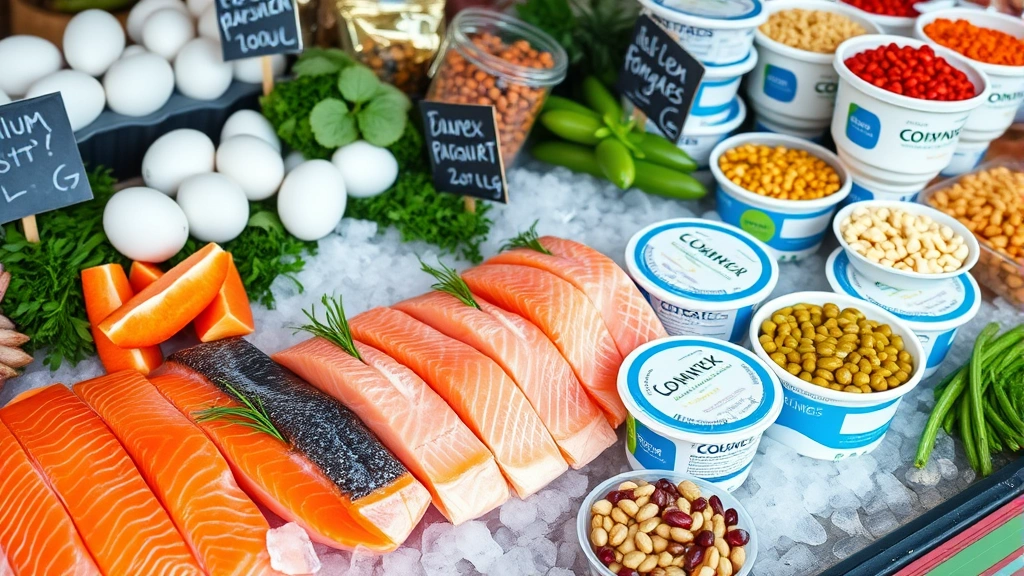
Protein is non-negotiable for weight loss success. It increases feelings of fullness, preserves lean muscle mass during calorie restriction, and has a higher thermic effect than carbohydrates or fats—meaning your body burns more calories digesting it. Research from the American Journal of Clinical Nutrition consistently shows that higher protein intake supports better weight loss outcomes and improved body composition.
Animal-Based Proteins:
- Chicken breast—lean, versatile, and affordable; aim for skinless varieties
- Turkey—ground or whole breast; excellent for meal prep
- Fish and seafood—salmon, cod, tilapia, shrimp; rich in omega-3 fatty acids
- Eggs—whole eggs contain choline for brain health; don’t fear the yolk
- Greek yogurt—double the protein of regular yogurt; choose plain, unsweetened varieties
- Cottage cheese—slow-digesting casein protein ideal for satiety
- Lean beef—90% lean ground beef or sirloin cuts; iron-rich
Plant-Based Proteins:
- Lentils—fiber and protein combination for sustained energy
- Chickpeas—versatile legume for salads, hummus, and roasted snacks
- Black beans and kidney beans—budget-friendly dried or canned options
- Tofu and tempeh—complete proteins with all amino acids
- Edamame—frozen for convenience; satisfying snack
- Nuts and seeds—almonds, walnuts, chia, and flax (portion-controlled)
Aim to include a protein source at every meal and snack. This strategy naturally reduces overall calorie intake while maintaining energy and muscle mass. For meal prep inspiration, explore our 7-Day Smoothie Weight Loss Diet Plan which incorporates protein-rich ingredients strategically.
Fiber-Rich Vegetables: Nutrient Density Without Calories
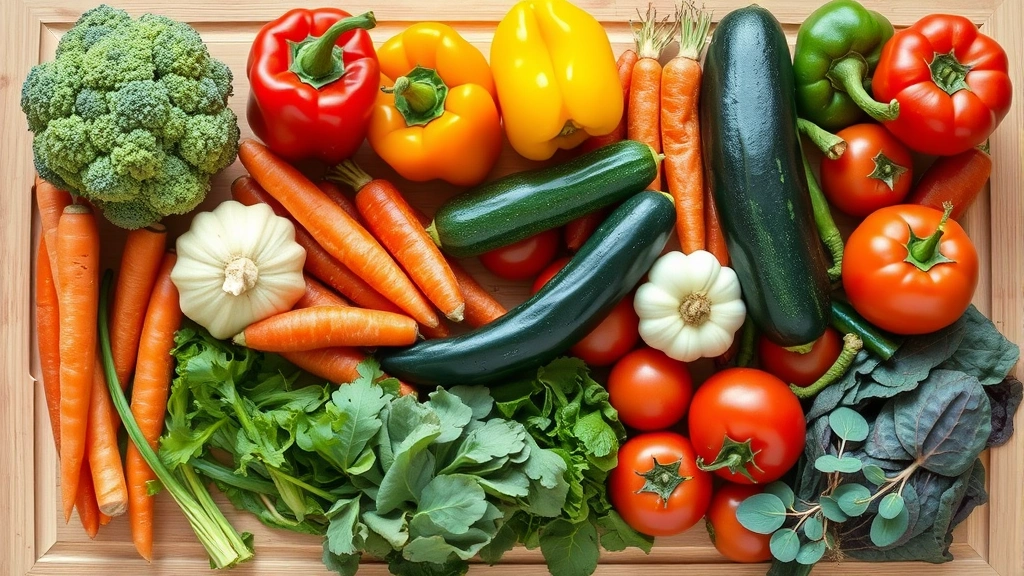
Vegetables are the unsung heroes of any weight loss grocery list. They’re calorie-sparse, nutrient-dense, and loaded with fiber that promotes digestive health and satiety. The volume of vegetables you can eat for minimal calories makes them perfect for satisfying large portions without derailing progress.
Leafy Greens (unlimited):
- Spinach, kale, arugula, romaine, mixed greens
- Use as salad bases or blend into Best Smoothies for Weight Loss
- Nutrient-dense with minimal calories
Cruciferous Vegetables:
- Broccoli, cauliflower, Brussels sprouts, cabbage
- High in sulfur compounds with anti-inflammatory properties
- Roast or steam for satisfying side dishes
Colorful Vegetables:
- Bell peppers—vitamin C and natural sweetness
- Carrots and beets—slightly higher in natural sugars; pair with protein
- Zucchini and cucumber—hydrating with minimal calories
- Tomatoes—lycopene-rich; fresh or canned without added sugar
- Asparagus and green beans—versatile and nutrient-rich
Frozen Vegetables: Don’t overlook frozen options. They’re flash-frozen at peak ripeness, maintaining nutritional value while offering convenience and longer shelf life. Mix frozen broccoli, mixed vegetables, or stir-fry blends into quick meals.
Aim for vegetables to fill half your plate at lunch and dinner. This approach naturally displaces higher-calorie foods while providing essential vitamins, minerals, and phytonutrients your body needs during weight loss.
” alt=”Fresh colorful vegetables including broccoli, bell peppers, carrots, and leafy greens arranged on wooden surface”>
Healthy Fats and Oils: Brain Function and Hormone Health
Despite outdated low-fat diet myths, healthy fats are essential for weight loss. Fats slow digestion, support hormone production, improve nutrient absorption, and enhance satiety. The key is choosing quality sources and practicing portion awareness.
Oils for Cooking:
- Extra virgin olive oil—use for dressings and low-heat cooking; heart-healthy monounsaturated fats
- Avocado oil—high smoke point suitable for medium-heat cooking
- Coconut oil—tropical option; use sparingly due to saturated fat content
- Ghee—clarified butter with higher smoke point and rich flavor
Whole Food Fat Sources:
- Avocados—potassium-rich; add to salads, smoothies, or eat plain
- Nuts—almonds, walnuts, macadamia nuts; measure portions (1 ounce servings)
- Seeds—pumpkin, sunflower, sesame, hemp; sprinkle on salads or yogurt
- Fatty fish—salmon, sardines, mackerel; omega-3 anti-inflammatory benefits
- Olives—brined or fresh; satisfying salty option
- Natural nut butters—almond or peanut butter without added oils or sugar
Healthy fats support Macro Ratio for Weight Loss balance. Rather than viewing fat as problematic, integrate it strategically to enhance meal satisfaction and nutritional completeness.
Smart Carbohydrates: Energy Without Blood Sugar Crashes
Quality carbohydrates fuel workouts, support brain function, and provide sustained energy. The distinction matters: refined carbs spike blood sugar and hunger, while whole-grain and fiber-rich options provide steady energy and satiety.
Whole Grains:
- Oats—steel-cut or rolled; beta-glucan fiber for cholesterol and blood sugar support
- Brown rice—versatile; pair with protein and vegetables
- Quinoa—complete protein containing all nine amino acids
- Whole wheat bread—check labels for at least 3g fiber per slice
- Sweet potatoes—nutrient-dense with resistant starch when cooled
- Barley and farro—ancient grains with impressive fiber profiles
Legumes as Carb Sources:
- Beans and lentils provide both protein and carbohydrates
- Lower glycemic impact than refined carbs
- Budget-friendly and shelf-stable
Fruits (Portion-Aware):
- Berries—blueberries, strawberries, raspberries; lowest sugar content
- Apples and pears—fiber-rich; eat whole rather than juiced
- Citrus fruits—oranges, grapefruit, lemons; vitamin C and hydration
- Bananas—potassium and resistant starch when slightly green
Time carbohydrate intake around workouts. Consume them with protein and fat to minimize blood sugar spikes. This strategy supports consistent energy for Compound Exercises for Weight Loss while maintaining stable appetite.
Pantry Essentials: Flavor Without Empty Calories
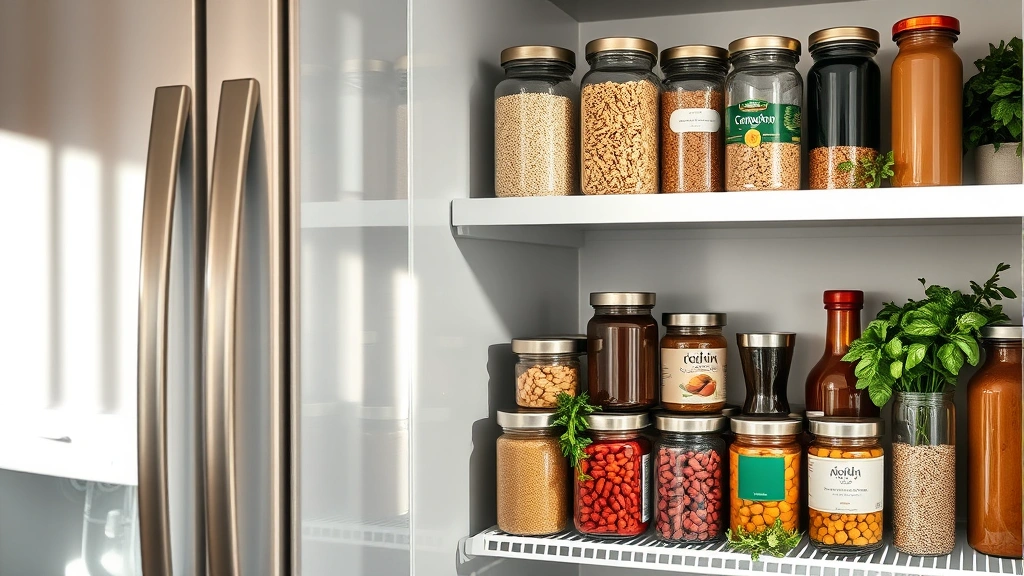
Your pantry determines meal satisfaction and adherence. Stock these staples to make healthy eating delicious and effortless:
- Spices and herbs—garlic, onion powder, cumin, paprika, Italian seasoning, cinnamon; zero calories, maximum flavor
- Low-sodium broths—chicken, vegetable, beef; foundation for soups and cooking grains
- Canned tomatoes—no added sugar varieties; base for sauces and soups
- Vinegars—apple cider, balsamic, white; enhance flavors without calories
- Low-calorie condiments—mustard, hot sauce, salsa; flavor amplifiers
- Coconut milk—full-fat for curries; check labels for minimal additives
- Nuts and seeds—raw almonds, walnuts, chia seeds; convenient snacks
- Whole grain pasta—higher fiber than refined; satisfying in smaller portions
- Canned beans—convenient protein and carb source; rinse to reduce sodium
- Nut flours—almond flour for baking alternatives lower in carbs
- Sweeteners—stevia or monk fruit for zero-calorie sweetness without artificial aftertaste
Beverages and Hydration: Liquid Calories Matter
Beverages represent hidden calorie sources that derail weight loss efforts. Strategic choices support hydration and metabolism without sabotaging progress.
- Water—primary beverage; aim for half your body weight in ounces daily
- Unsweetened tea—green, black, white; metabolism-boosting compounds
- Coffee—black or with minimal additions; explore our Coffee and Weight Loss guide for optimization
- Sparkling water—satisfying carbonation without calories
- Herbal teas—chamomile, peppermint, ginger; evening hydration without caffeine
- Bone broth—collagen and amino acids; sipping option
Avoid: Sugary juices, regular soda, sweetened coffee drinks, and alcohol (7 calories per gram with minimal satiety). These liquid calories bypass fullness signals, making weight loss significantly harder.
Shopping Strategy Tips: Execution Matters
Plan Before Shopping: Decide on 3-4 breakfasts, lunches, dinners, and snacks for the week. This prevents impulse purchases and ensures balanced nutrition. Use this list as a framework, then customize based on your preferences and schedule.
Shop the Perimeter: Whole foods cluster around store edges—produce, proteins, dairy. Processed foods dominate center aisles. Spend 80% of shopping time on the perimeter.
Read Labels Strategically: Check ingredient lists (fewer, recognizable items are better), not just calories. Look for added sugars, sodium levels, and fiber content. The FDA’s nutrition label guide helps decode packaging claims.
Buy in Bulk Strategically: Frozen vegetables, canned beans, nuts, and grains offer value without spoilage risk. Fresh produce should match your eating timeline to prevent waste.
Prep Upon Arrival: Wash and chop vegetables immediately. Cook proteins in batches. Pre-portioned, ready-to-eat foods dramatically increase adherence and reduce decision fatigue during busy weeks.
Budget-Friendly Approach: Buy seasonal produce, choose store brands, purchase frozen vegetables and proteins, and buy dried beans and lentils rather than canned. Effective weight loss doesn’t require expensive specialty foods.
Consider joining a Weight Loss Challenge where community accountability enhances grocery shopping commitment and meal planning consistency.
” alt=”Organized kitchen pantry and refrigerator shelves stocked with fresh produce, proteins, whole grains, and healthy pantry items”>
FAQ
What’s the most important item on a weight loss grocery list?
Protein. It’s the single most impactful macronutrient for satiety, muscle preservation, and metabolic support. Every meal and snack should contain a protein source. Without adequate protein, hunger increases and muscle loss becomes likely during calorie restriction.
Can I eat carbs while trying to lose weight?
Absolutely. Quality carbohydrates from whole grains, legumes, fruits, and vegetables support energy, brain function, and long-term adherence. The key is choosing complex carbs with fiber, eating appropriate portions, and timing them around activity. Eliminating carbs entirely often leads to fatigue and unsustainable restriction.
How often should I shop for groceries?
Weekly shopping works best for most people. It maintains freshness of produce, prevents food waste, and keeps you engaged with your nutrition plan. If you prefer less frequent trips, buy hardy vegetables and frozen options that store longer.
Are frozen vegetables as nutritious as fresh?
Yes. Frozen vegetables are flash-frozen at peak ripeness, locking in nutrients. They’re often more nutritious than fresh vegetables that have traveled long distances or sat in stores for days. Plus, they’re convenient and reduce food waste.
How do I handle cravings when grocery shopping?
Never shop hungry—this is rule number one. Eat a satisfying meal or snack before shopping. Shop with a list and stick to it. If you want occasional treats, plan them intentionally rather than impulse-buying. Budget 5-10% of calories for foods you genuinely enjoy; this prevents feelings of deprivation.
Should I buy organic produce?
Conventional produce is safe and nutritious. Prioritize buying organic for the “Dirty Dozen” (strawberries, spinach, kale, apples, grapes, peaches) where pesticide residues are highest. For other produce, conventional options provide the same nutritional benefits at lower cost. Don’t let organic costs prevent you from eating adequate vegetables.
What about meal replacement shakes and weight loss products?
Whole foods should be your foundation. If shakes serve as convenient post-workout nutrition or occasional breakfast, choose options with adequate protein and minimal added sugars. However, the Academy of Nutrition and Dietetics emphasizes that sustainable weight loss comes from whole food habits, not products.
How can I make healthy eating affordable?
Buy in-season produce, choose store brands, purchase dried beans and lentils instead of canned, buy frozen vegetables and proteins, and consider buying chicken and ground turkey in bulk when on sale. Meal planning prevents waste. Eggs, oats, and beans offer exceptional nutrition-per-dollar value.


