
Top Coffee Creamers for Weight Loss? Nutritionist Picks
Your morning cup of coffee shouldn’t sabotage your weight loss goals. Many people don’t realize that their favorite creamer could be adding 100+ calories and excessive sugar to their daily routine—which quickly compounds into significant weight gain over time. The good news? You have plenty of nutritionist-approved options that let you enjoy creamy, delicious coffee while staying on track with your health objectives.
Choosing the right coffee creamer is a small decision with big implications for sustainable weight loss. Unlike restrictive diets that leave you feeling deprived, swapping to a weight-loss-friendly creamer means you can enjoy your daily coffee ritual guilt-free. This guide breaks down the best options available, explains what makes certain creamers better for weight loss, and helps you make informed choices that align with your nutritional needs.

Why Creamer Matters for Weight Loss
It’s easy to underestimate the impact of creamer on your daily calorie needs. A typical serving of traditional creamer contains 35-50 calories, but many people use 2-3 tablespoons per cup. If you drink coffee twice daily, that’s potentially 140-300 extra calories weekly—roughly equivalent to 1.5 pounds of body weight gain per month if not balanced by other dietary adjustments.
Beyond calories, the composition of your creamer matters significantly. Standard creamers often contain high amounts of added sugars and unhealthy trans fats, which can trigger inflammation, increase hunger hormones, and make sustainable weight loss more difficult. The Academy of Nutrition and Dietetics emphasizes that quality matters as much as quantity when it comes to weight management success.
The psychological component shouldn’t be overlooked either. Forcing yourself to drink black coffee when you genuinely dislike it creates unnecessary willpower depletion. Finding a creamer you actually enjoy makes adherence easier and weight loss more sustainable long-term. This aligns with research showing that small, sustainable changes outperform dramatic dietary overhauls.
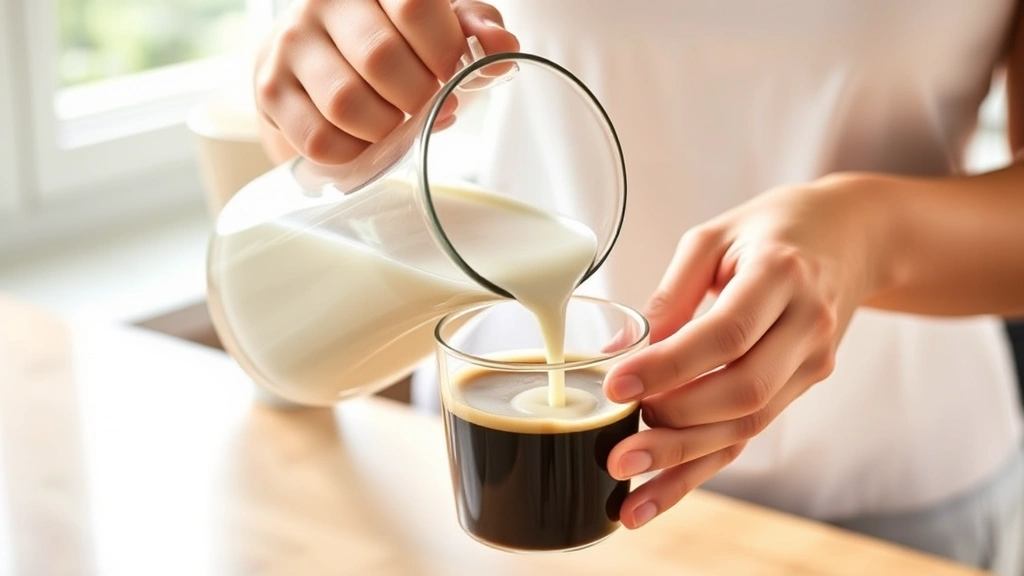
Best Low-Calorie Coffee Creamers
Unsweetened Almond Milk remains one of the top nutritionist picks for weight loss. At just 30-40 calories per tablespoon with virtually no sugar, it’s an excellent starting point. The mild, slightly nutty flavor complements coffee well, and it’s affordable and widely available. Look for brands with minimal ingredients—ideally just almonds, water, and perhaps a touch of salt.
Oat Milk (Unsweetened) has gained popularity and rightfully so. With approximately 10-20 calories per tablespoon, it’s even lighter than almond milk while providing a creamier texture that many people prefer. The natural sweetness of oats means you don’t need added sugars, making it an excellent choice for those watching their carbohydrate intake.
Coconut Milk Creamer (Light Versions) offers a luxurious taste with reasonable calorie counts. Choose the lighter versions specifically marketed for coffee rather than full-fat cooking coconut milk. These typically contain 25-35 calories per tablespoon and add a subtle tropical note to your morning beverage.
Heavy Cream in Moderation might surprise you on a weight loss list, but here’s the nutritionist secret: a small amount of genuine heavy cream (about 1 tablespoon) contains roughly 50 calories and almost no carbohydrates. For people practicing intermittent fasting or following low-carb approaches, this can be a satisfying option that doesn’t spike blood sugar.
Half-and-Half (Limited Use) sits between milk and cream, offering about 20 calories per tablespoon. While higher in fat than milk alternatives, the smaller amount needed for creaminess makes it viable for weight loss when portions are controlled.
Cashew Milk deserves mention for its creamy consistency and pleasant flavor. Unsweetened versions contain approximately 25-30 calories per tablespoon and provide a neutral taste that doesn’t overpower coffee.
Plant-Based and Dairy-Free Options
Plant-based creamers have revolutionized coffee enjoyment for people with lactose intolerance, dairy allergies, or those following vegan lifestyles. The weight loss advantage? Most are naturally lower in calories than traditional dairy options.
Soy Milk provides the highest protein content among plant-based options—approximately 1 gram per tablespoon—which supports satiety and muscle preservation during weight loss. At 15-20 calories per tablespoon, it’s efficient and satisfying.
Pea Protein Creamers are emerging options that combine low calories (10-15 per tablespoon) with meaningful protein content. These work particularly well if you’re concerned about maintaining muscle mass while losing weight.
Macadamia Milk offers exceptional creaminess with minimal calories (10-15 per tablespoon). While slightly pricier, many find the superior texture worth the investment for daily coffee enjoyment.
Flax Milk provides omega-3 fatty acids alongside low calorie counts (10-20 per tablespoon). The additional nutritional benefit makes it attractive for health-conscious weight loss seekers.
A critical consideration: check ingredient lists on all plant-based options. Some brands add significant amounts of added sugars, gums, and preservatives that undermine weight loss efforts. Look for “unsweetened” on the label and review the nutrition facts panel.
What to Avoid in Your Creamer
Sweetened Coffee Creamers are the primary culprit sabotaging weight loss. Flavored varieties like French vanilla, hazelnut, and caramel often contain 35-50 calories per tablespoon plus 3-7 grams of added sugar. A single cup can contain more sugar than a candy bar.
Powdered Creamers typically contain partially hydrogenated oils (trans fats) and significant added sugars. The convenience factor doesn’t justify the metabolic impact. The CDC reports that added sugars contribute to weight gain and metabolic dysfunction, making avoidance crucial for weight loss success.
Sweetened Condensed Milk should never be used as creamer—it’s essentially sugar with milk. One tablespoon contains 25+ grams of sugar and 50+ calories, completely incompatible with weight loss goals.
High-Fat Specialty Creamers marketed as “premium” often contain unnecessary calories from added oils and emulsifiers. While some fat is acceptable and even beneficial, these often exceed reasonable portion sizes.
Creamers with Added Syrups are essentially liquid candy. These can contain 40-60 calories and 8-12 grams of sugar per tablespoon, making them worse than adding regular sugar to black coffee.
How to Calculate Impact on Daily Intake
Understanding how your creamer choice impacts your overall nutrition plan is essential. Start by calculating your daily calorie needs to establish your target range for weight loss—typically a 300-500 calorie deficit from maintenance.
Next, map out your coffee consumption. If you drink three cups daily with two tablespoons of creamer each, that’s six tablespoons total. Using unsweetened almond milk at 35 calories per tablespoon equals 210 daily calories, or 1,470 weekly calories. Over a month, that’s roughly 6,300 calories—equivalent to 1.8 pounds of potential weight loss or gain depending on your creamer choice.
Consider your best time to eat for weight loss strategy. If practicing intermittent fasting, black coffee is ideal during fasting windows. However, small amounts of creamer containing less than 50 calories may not significantly break a fast, depending on your approach.
Track your creamer usage for one week to establish your baseline. Many people use significantly more than they realize, which explains why switching to lower-calorie options produces noticeable results.
Making the Transition Easier
Abruptly switching to black coffee often fails because it feels like deprivation. Instead, gradually reduce creamer amounts while introducing new options. Start by mixing your current creamer with an unsweetened alternative in a 50-50 ratio, slowly shifting the balance toward the lower-calorie option over 2-3 weeks.
Experiment with different temperatures and brew methods. Cold brew coffee naturally tastes smoother and less bitter, requiring less creamer to achieve satisfaction. Similarly, high-quality, freshly ground beans taste better with minimal additions.
Consider complementary weight loss strategies. Combining creamer optimization with pilates and weight loss efforts or other exercise routines amplifies results. Small nutritional improvements compound when combined with consistent physical activity.
Invest in a milk frother if using plant-based milks. The aeration creates a luxurious texture that feels indulgent, satisfying the psychological need for a “special” morning beverage without excess calories.
Flavor your coffee with spices instead of sweetened creamers. Cinnamon, nutmeg, or vanilla extract add complexity and satisfaction without calories or added sugars. Many specialty coffee shops offer these additions at no extra charge.
Remember that maintaining motivation requires celebrating small victories. When you successfully swap to a better creamer and maintain the habit for a week, acknowledge that achievement. These small wins compound into significant lifestyle transformation.
FAQ
Can I use cream cheese in my coffee?
Technically yes, but it’s not recommended for weight loss. Cream cheese contains approximately 50 calories and 5 grams of fat per tablespoon, plus it doesn’t dissolve smoothly and creates a grainy texture. Stick with dedicated creamers designed for coffee.
Is black coffee truly calorie-free?
Black coffee contains negligible calories—typically less than 5 per 8-ounce cup—making it essentially calorie-free for weight loss tracking purposes. The real calories come from added creamer and sweeteners.
What about coffee creamer alternatives like butter or coconut oil?
These create bulletproof-style coffee with high fat content (100+ calories per tablespoon). While suitable for ketogenic diets, they’re calorie-dense for standard weight loss approaches. Use sparingly if at all.
How does creamer choice affect metabolism?
Creamer itself doesn’t significantly impact metabolic rate. However, high-sugar options trigger insulin spikes that can increase hunger and fat storage. Lower-calorie, unsweetened options prevent these metabolic disruptions, supporting weight loss indirectly.
Can artificial sweeteners in creamers help with weight loss?
Research on artificial sweeteners shows mixed results—some studies suggest they may increase sweet cravings, potentially undermining weight loss efforts. Natural unsweetened options are generally preferable.
What’s the best creamer for sensitive stomachs?
Oat milk and macadamia milk are typically gentlest on digestion. Avoid dairy-based creamers if lactose intolerant, and choose options without added gums if you have sensitivity to these stabilizers.
Should I count creamer calories separately from meals?
Yes, track creamer calories within your daily total. Don’t view coffee as “free” calories—every tablespoon counts toward your daily intake and impacts weight loss results.


