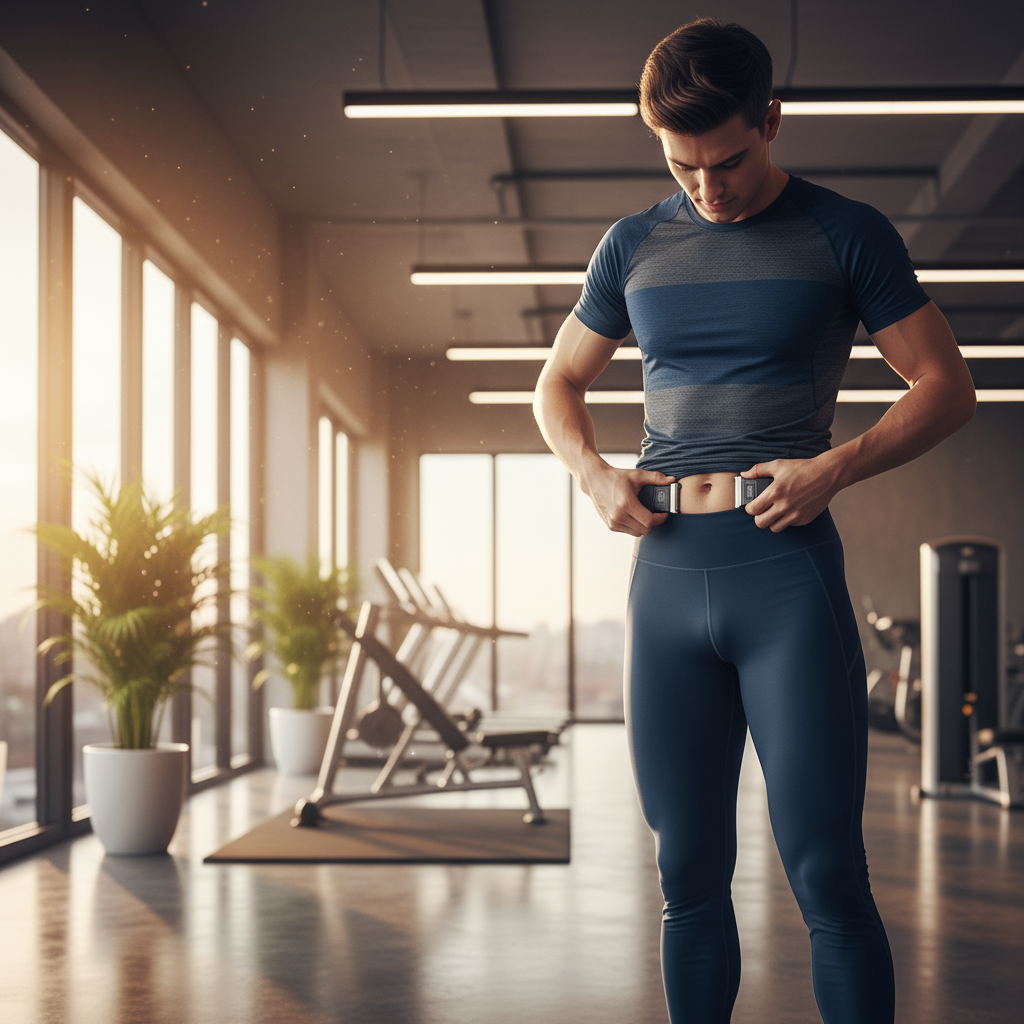
Table of Contents
Introduction
You step on the scale. The number stares back at you. But here’s the thing—that number? It’s not telling you the whole story. Not even close. Sure, it’s easy to track your weight, but honestly, it can be pretty misleading. What you really need to know is your body fat percentage. Think of it as the difference between knowing how much your car weighs versus knowing how much gas is actually in the tank. One gives you the big picture; the other tells you what you actually need to know.
Body fat percentage is where the magic happens. It shows you exactly what portion of your body is fat versus lean muscle and everything else. And trust me, this changes everything about how you approach your health goals. No more wondering if that weight gain is muscle or something else—you’ll actually know. This guide will walk you through why measuring body fat percentage beats the scale every single time, and how it can completely flip your perspective on what being healthy really means.
Here’s what makes body fat percentage so much better than regular weight: it doesn’t lie to you. Your weight can swing up and down based on whether you had extra salt yesterday, how much water you drank, or if you’ve been building muscle. But body fat percentage? That tells the real story of your fitness journey. It’s like having X-ray vision for your health progress. When you’re trying to lose fat or build muscle, tracking this number gives you the confidence to know you’re actually moving in the right direction. For solid ways to track your progress beyond just stepping on a scale, check out these techniques for weight loss and body measurements that actually show you what’s happening with your body. And if you want to really transform your body composition, resistance training is your secret weapon. Get the inside scoop on weight loss and resistance training to supercharge your metabolism.
Now, getting your body composition where you want it isn’t just about exercise—though that’s huge. What you eat plays a massive role too. The right nutrition plan can help you lose fat while keeping (or even building) muscle, which is exactly what you want. No crash diets or extreme measures needed. For a down-to-earth approach to eating that actually works long-term, dive into our guide on healthy meal plans for weight loss that won’t leave you feeling deprived. Regular exercise is another game-changer—not just for fat loss, but for your overall energy and heart health. You’ll be amazed at what consistent movement can do for you. Learn more about these benefits in our breakdown of the benefits of regular physical activity. Want to put it all together? Combining cardio, strength training, and smart eating is your winning formula. Check out these proven fitness tips for weight loss that actually work in the real world. And here’s something cool—you don’t need to rely on animal products to get enough protein. There are amazing plant based protein sources that can fuel your workouts and recovery perfectly.
Let’s get real for a second. Knowing your body fat percentage isn’t just about looking good (though that’s a nice bonus). It’s about your health—like, your actual, long-term, “I want to feel great when I’m 70” kind of health. Higher body fat levels are linked to increased risks of heart disease, diabetes, and other metabolic issues. But when you understand your body’s composition, you can make smarter choices about your lifestyle. Here’s something fitness pros know that most people don’t: changes in body fat percentage often happen before you see anything in the mirror. So when the scale isn’t budging but your body fat is dropping? You’re winning. Having accurate measurement techniques gives you the power to fine-tune your nutrition, workouts, and recovery. No more guessing games.
As we dive deeper, you’ll discover the best methods for measuring body fat, how to prep for accurate readings, and—this is important—how to actually understand what your results mean. This isn’t just about getting a number; it’s about using that number to take control of your health journey with real confidence.
What You’ll Learn in This Guide
This complete guide will teach you everything you need to know about measuring your body fat percentage. We’ll cover practical methods, prep strategies, and how to interpret your results so you can use this information to actually improve your health and fitness.
- Understanding Body Fat Percentage: Learn what body fat percentage represents and why it provides deeper insight than weight alone. Discover the health implications of different body fat ranges and how they vary by age and sex.
- Common Measurement Methods: Explore popular techniques such as skinfold calipers, bioelectrical impedance analysis, and advanced scans. Understand pros, cons, and how each method works.
- Preparing for Measurement: Get tips on how to ensure accurate readings, including hydration, fasting, and timing considerations for different tools and methods.
- Interpreting Results and Next Steps: Understand how to make sense of your measurements, set realistic fitness goals, and when to seek professional advice for personalized assessment and guidance.
In the sections coming up, you’ll get step-by-step instructions for measuring your body fat accurately, practical tips for getting the most reliable results, and key insights for understanding what those numbers actually mean for you. We’ll also talk about when it makes sense to get a professional assessment for a deeper dive into your body composition. This knowledge will help you start (or improve) your health journey with real, measurable data instead of just hoping for the best.
Having the right tools and knowledge about body fat percentage means you can design exercise and nutrition plans that actually work for your body. No more throwing spaghetti at the wall to see what sticks. You’ll move beyond the frustrating, often misleading scale and embrace an approach based on actual evidence. When you understand these metrics, you can integrate smart activity choices, eating habits, and lifestyle changes that make sense for you. As you work through this guide, you’ll pick up strategies that don’t just improve your body composition—they enhance how you feel every single day.
Ready to get started? Let’s dive into accurately measuring your body fat percentage and figure out what it means for your health and fitness goals. With this foundation, you’ll be able to navigate the different methods with confidence and interpret your results to make the best decisions for your well-being.
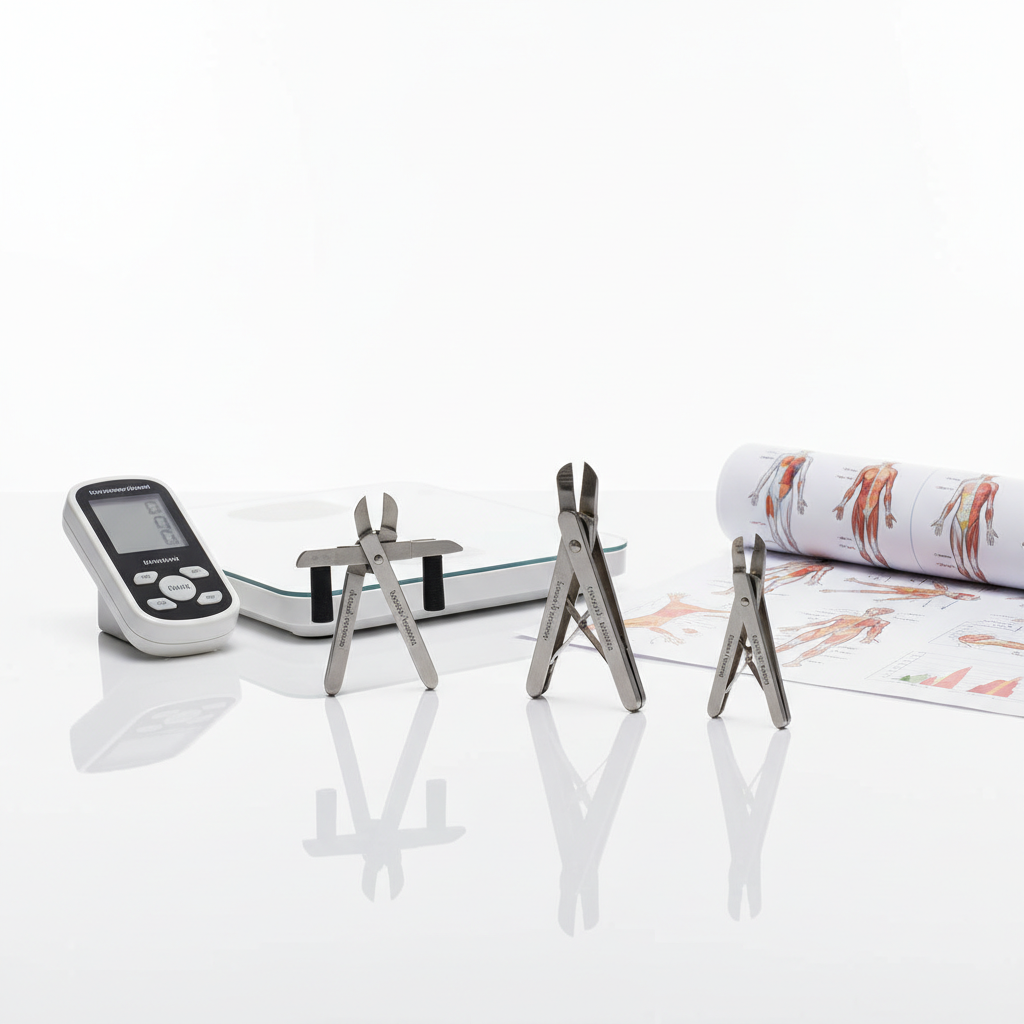
So we’ve covered the basics of body fat percentage—now let’s get into the real stuff. Here’s why this matters more than you might think: body fat percentage tells a completely different story than what your bathroom scale shows you. Your weight? It bounces around like a pinball machine. Had extra salt last night? Up two pounds. Hit the gym hard yesterday? Maybe down a pound from sweating. But body fat percentage? That’s the real deal—it shows you exactly what’s happening with your actual fat tissue versus everything else in your body.
Think of it this way: two people can weigh exactly the same but look completely different. One might be carrying more muscle, the other more fat. The scale won’t tell you that, but body fat percentage will. And when you’re trying to get healthier or change how you look? This number becomes your north star for making smart choices about food, exercise, and lifestyle changes.
We’re about to walk through the most common ways to measure body fat percentage, plus give you the inside scoop on how to prep for testing so your results actually mean something. Trust me—there’s a right way and a wrong way to do this.
Common Methods to Measure Body Fat Percentage
Alright, let’s talk options. You’ve got everything from simple tools you can use at home to fancy medical-grade equipment that costs more than your car. The trick? Figuring out what works for your situation, your budget, and how precise you need to be.
Here’s the thing—every method has its sweet spots and its blind spots. Some are super convenient but might be off by a few percentage points. Others are incredibly accurate but require a trip to a lab and a chunk of change. The key is knowing what you’re getting into and setting realistic expectations. If you’re serious about tracking changes over time, consistency matters way more than perfect accuracy.
And here’s something most people don’t think about: your hydration level and what you did at the gym yesterday can actually mess with your readings. For foundational knowledge on managing body composition effectively, exploring nutritional guidance and healthy meal plans offers complementary insights to support your measurement results healthy meal plans for weight loss and portion control for weight loss.
Let’s be honest—if you’ve been crushing it with weights lately, your body composition is shifting in ways that might surprise you. Muscle weighs more than fat, but it also changes how these measurements work. That’s why understanding how resistance training affects your body fat readings can save you from some serious head-scratching moments weight loss and weight training.
Key Aspects of Common Measurement Techniques
Let’s break down your main options. Each one has its place—you just need to know what you’re signing up for:
- Skinfold Calipers: These little gadgets are probably your best bang for the buck. You pinch specific spots on your body and measure the thickness—sounds simple, right? The catch is that technique matters. A lot. Get it right, and you’ll have surprisingly accurate results. Mess it up, and you might as well be guessing. The good news? Once you learn the proper technique, you can track changes pretty reliably.
- Bioelectrical Impedance Analysis (BIA): This is the tech you’ll find in those fancy bathroom scales and handheld devices. It sends a tiny electrical signal through your body (don’t worry, you won’t feel it) and measures how much your tissues resist it. Fat and muscle conduct electricity differently, so it can estimate your body fat. The downside? Your hydration level can throw it off completely. Had an extra glass of water? Your reading might be different.
- DEXA Scans and Advanced Imaging: Want the gold standard? DEXA scans are incredibly accurate—they can tell you not just your body fat but exactly where it’s distributed and even check your bone density while they’re at it. The reality check? They’re expensive and you’ll need to find a facility that offers them. Think of this as the high-end option for when you really need precise data.
- Consistency and Preparation: Here’s what really matters: whatever method you choose, stick to the same routine every time. Same time of day, same hydration level, same pre-measurement activities. This consistency is what turns random numbers into meaningful progress tracking.
Now that you know your options, let’s talk about something that can make or break your results: preparation. Because even the best measurement method in the world won’t help you if you’re not setting yourself up for success.
How to Prepare for Body Fat Measurement
Here’s where most people mess up. They think they can just hop on a scale or grab some calipers whenever and get meaningful results. Wrong. Your body is constantly changing throughout the day—hydration shifts, food moves through your system, exercise affects your muscles. If you want numbers you can actually trust and compare over time, you need to control these variables.
Think of it like taking your car to get weighed. You wouldn’t do it sometimes with a full gas tank and sometimes empty, right? Same principle here. The goal is to create the same conditions every single time so you’re comparing apples to apples, not apples to oranges.
The basics aren’t complicated, but they matter enormously. Don’t eat for a few hours beforehand—your digestive system can add temporary weight and throw off readings. Skip the intense workouts for about 24 hours before measuring because exercise affects your hydration and can cause temporary muscle inflammation. Measure at the same time of day (morning is usually best) to avoid daily hormone fluctuations. For more context on how staying hydrated affects your overall health journey, check out weight loss and water intake and how to maintain a balanced diet.
And if you’re using one of those electrical impedance devices? Hydration becomes even more critical. Too much water, too little water—both will skew your results. It’s like trying to measure the depth of a river when the water level keeps changing. You want that water level as consistent as possible.
Understanding how your fitness routine impacts these measurements can also help you set realistic expectations. If you’re doing serious resistance training, your body composition changes in ways that might surprise you—and knowing this helps you interpret your results better fitness tips for weight loss and weight loss and resistance training.
Key Preparation Tips for Accurate Measurement
Want consistent, meaningful results? Follow these guidelines every single time:
- Maintain Consistent Hydration: Drink water like you normally would in the days leading up to measurement, but don’t chug a bunch right before. For BIA devices especially, your hydration level directly affects the reading. Think steady and consistent, not dramatically high or low.
- Fast for a Few Hours Before Measurement: Give yourself at least 2-3 hours after eating before you measure. Food and digestion can add temporary weight and shift your body’s water distribution. Morning measurements work great for this reason—you’ve naturally been fasting while you sleep.
- Avoid Intense Exercise: Take it easy for about 24 hours before measuring. Hard workouts can cause temporary muscle inflammation and affect your hydration status. You want your body in its normal, rested state for the most accurate reading.
- Measure at the Same Time and Conditions: Pick a time and stick with it. Morning is ideal because your body is in a more consistent state—you haven’t eaten, you’re fully hydrated from the night, and your hormones are at baseline levels. Same conditions, same time, every time.
Get these preparation steps down, and you’ll have a solid foundation for tracking real changes in your body composition. Because here’s the thing—knowing how to measure is only half the battle. The other half is understanding what those numbers actually mean for your health and fitness goals. That’s where the real insights come from.

Here’s the thing about body fat percentage—it tells you what the scale can’t. While your bathroom scale might say you’ve gained three pounds (thanks, pizza night), your body fat percentage reveals what’s really happening inside. Is that weight gain muscle? Water? Or actual fat? Body fat percentage cuts through the noise and shows you the truth about your body composition. When you focus on this metric instead of just the number on the scale, you’ll finally understand whether you’re making real progress toward your health goals.
We’ve covered a lot of ground in this guide—from using skinfold calipers (yes, they actually work when you use them right) to fancy DEXA scans that give you the full picture. But here’s what really matters: consistency. You can have the most expensive body fat scale in the world, but if you’re measuring yourself after a big meal one day and first thing in the morning the next, those numbers won’t mean much. Stay hydrated the same way each time. Measure under the same conditions. Make it routine, and suddenly those measurements start telling a story instead of just confusing you.
Now, about interpreting those results—this is where things get personal. Your ideal body fat percentage isn’t the same as your friend’s or some fitness model on Instagram. Age matters. Gender matters. Your goals matter too. Are you trying to get stronger? Lose weight? Just feel better in your own skin? Understanding where you stand (and where you want to go) helps you create a plan that actually works for your life. Plus, this isn’t just about looking good—keeping your body fat in a healthy range can seriously reduce your risk of heart disease, diabetes, and other health issues down the road.
Ready to put this knowledge to work? Start with the basics: learn how to track your progress properly using the methods we discussed in our guide on weight loss and body measurements. Want to speed things up? Add some strength training to your routine—it’s one of the best ways to build muscle while losing fat, and we’ve got you covered with our detailed guide on weight loss and resistance training. Don’t forget about nutrition either. Check out our practical meal plans at healthy meal plans for weight loss—they’re designed for real people with real lives. And here’s something you might not have considered: staying properly hydrated isn’t just good for your health, it actually helps those BIA measurements stay accurate. Learn more about this connection in our guide on weight loss and water intake.
Want to take a broader view of your health? Your relationship with food affects more than just your waistline—it impacts your mood, energy, and mental clarity too. Our friends at Nutrients Pathway have an excellent resource on nutrition and mental health that’s worth exploring. Because let’s be honest—sustainable weight loss isn’t just about the physical changes. It’s about feeling good in every aspect of your life.
You’ve got everything you need now. The tools, the knowledge, the plan. What happens next is up to you—and that’s the exciting part. Consistency beats perfection every time, so start where you are and keep showing up. Need some extra motivation along the way? Our collection of fitness tips for weight loss is packed with practical advice to keep you moving forward, even on the tough days. Your healthiest, strongest self is waiting. Time to make it happen.
Frequently Asked Questions
-
What is the most accurate way to measure body fat?
- DEXA scans are the most accurate but often less accessible; skinfold calipers and BIA devices provide good estimates when used properly.
-
Can I measure body fat percentage at home?
- Yes, with the right technique, you can use calipers or BIA scales at home to estimate your body fat with reasonable accuracy.
-
Does hydration affect body fat measurement?
- Hydration significantly impacts measurements, especially with BIA devices, so maintaining consistent hydration levels is crucial for reliable results.
-
How often should I measure my body fat?
- Monthly measurements are recommended to accurately track changes over time and adjust your plan accordingly.
-
Is body fat percentage more important than weight?
- Yes, body fat percentage gives a clearer picture of your health and fitness progress than weight alone, which doesn’t distinguish fat from muscle.