Brazilian Mounjaro Recipe: Nutritionist Approved Guide for Weight Loss
Mounjaro (tirzepatide) has revolutionized weight management for millions worldwide, and when combined with strategic nutrition planning, results can be remarkable. If you’re using Mounjaro as part of your weight loss journey, understanding how to pair your medication with nutrient-dense Brazilian-inspired recipes can amplify your success. This comprehensive guide explores how traditional Brazilian cuisine aligns with tirzepatide dosing for weight loss principles and provides you with practical, delicious recipes that support your health goals.
Brazil’s culinary tradition emphasizes whole foods, lean proteins, and plant-based ingredients that naturally complement GLP-1 receptor agonist therapy. When you’re taking Mounjaro, your appetite naturally decreases, making portion control easier—but choosing the right foods ensures you’re still getting essential nutrients. Brazilian cuisine offers an abundance of such options, from fresh seafood to nutrient-packed beans and vibrant vegetables.
The synergy between Mounjaro therapy and Brazilian nutritional principles creates an optimal environment for sustainable weight loss. Rather than fighting your medication’s appetite-suppressing effects, you can work with them by selecting recipes that are satisfying in smaller portions and packed with protein and fiber.
How Mounjaro Works With Nutrition
Understanding your medication is essential for optimizing results. Mounjaro works by activating GLP-1 and GIP receptors, which regulate blood sugar and appetite. This dual-action mechanism means you’ll experience genuine satiety—not just willpower-based restriction. When you track your Mounjaro weight loss by week, you’ll notice that consistent nutrition choices matter tremendously.
The medication reduces ghrelin (hunger hormone) production while increasing peptide YY, which signals fullness to your brain. This physiological shift means smaller portions feel completely satisfying. However, this doesn’t mean nutrition becomes irrelevant—quite the opposite. Your reduced capacity means every calorie and nutrient must count.
Brazilian recipes are particularly well-suited to this scenario because they emphasize flavor-dense ingredients that satisfy cravings without excessive volume. A small portion of moqueca (Brazilian fish stew) delivers more nutritional value and satisfaction than processed alternatives.
Studies from the National Institutes of Health demonstrate that GLP-1 agonist therapy combined with structured nutrition yields 15-22% body weight reduction over 68 weeks. When you pair this with recipes designed for satiety and nutrition density, you’re positioning yourself for success within the upper range of these results.
Brazilian Ingredients for Weight Loss Success
Brazil’s pantry contains numerous ingredients that align perfectly with Mounjaro therapy objectives. These staples form the foundation of every recipe in this guide:
- Lean Fish: Tilapia, mahi-mahi, and snapper provide 25+ grams of protein per 3-ounce serving with minimal fat. These are ideal for Mounjaro users managing portions.
- Black Beans and Pinto Beans: High in fiber and resistant starch, beans promote satiety and feed beneficial gut bacteria. One cup provides 15 grams of protein and 15 grams of fiber.
- Cassava (Yuca): While starchy, cassava offers more resistant starch than regular potatoes when boiled, meaning slower glucose absorption. Portion control remains important, but it’s nutrient-dense compared to refined carbs.
- Palm Fruit and Acai: Rich in antioxidants, these fruits support metabolic health. Acai’s fiber content (10 grams per 100g) makes it ideal for smoothies.
- Coconut (Fresh): Unlike coconut oil, fresh coconut meat provides fiber and MCTs. Use moderately—it’s calorie-dense but more satisfying than processed alternatives.
- Peppers and Tomatoes: Brazilian cuisine features these liberally. They’re virtually calorie-free and packed with vitamin C, which supports collagen during rapid weight loss.
- Garlic and Lime: These flavor-builders mean you create satisfaction without salt or added fats.
Protein-Rich Brazilian Recipes
Protein becomes your primary macronutrient when taking Mounjaro, as it preserves lean muscle during weight loss and maximizes satiety. These recipes deliver 30+ grams of protein per serving in authentic Brazilian style.
Grilled Peixe com Limão (Lime Fish Fillet)
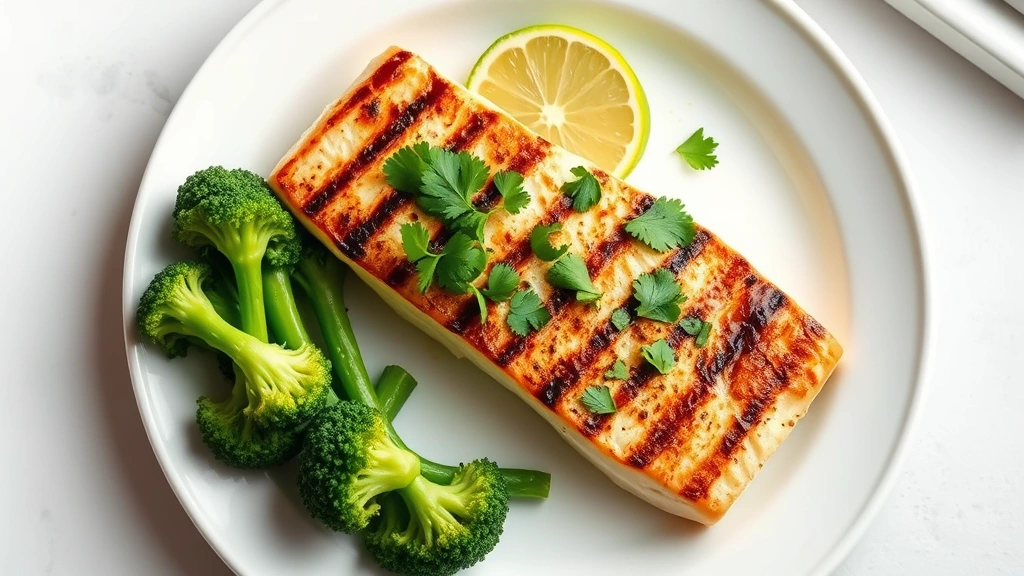
This elementary yet elegant dish epitomizes Brazilian simplicity. Season firm white fish fillets with fresh lime juice, minced garlic, and cracked black pepper. Grill on high heat for 3-4 minutes per side until flaking easily. Serve with steamed broccoli and a small portion of white rice. One fillet provides approximately 35 grams of protein, 180 calories, and virtually zero carbohydrates. The lime’s citric acid aids digestion and enhances nutrient absorption.
Frango Grelhado (Grilled Chicken Breast)
Pound chicken breasts to even thickness, then marinate for at least 2 hours in a mixture of lime juice, garlic, oregano, and a touch of olive oil. Grill until golden and cooked through (165°F internal temperature). One breast provides 45 grams of protein and 220 calories. This recipe freezes beautifully—prepare multiple servings on Sunday for grab-and-go weekday meals. The marinade tenderizes the meat while the acidic lime prevents it from drying during cooking.
Caldo de Carne (Beef Broth with Vegetables)
This traditional soup combines lean beef chuck with carrots, celery, onions, and tomatoes in a slow-simmered broth. The collagen from beef bones converts to gelatin, which supports skin elasticity during weight loss—a concern for many people experiencing rapid body composition changes. A single bowl delivers 25 grams of protein with only 150 calories. Prepare a large batch and portion into glass containers for convenient reheating.
Seafood-Based Mounjaro-Friendly Dishes
Brazil’s extensive coastline provides exceptional seafood options that are naturally compatible with appetite-suppressed eating patterns. Seafood is particularly beneficial during weight loss medication therapy because omega-3 fatty acids reduce inflammation and support neurological function.
Moqueca Baiana (Bahian Fish Stew)
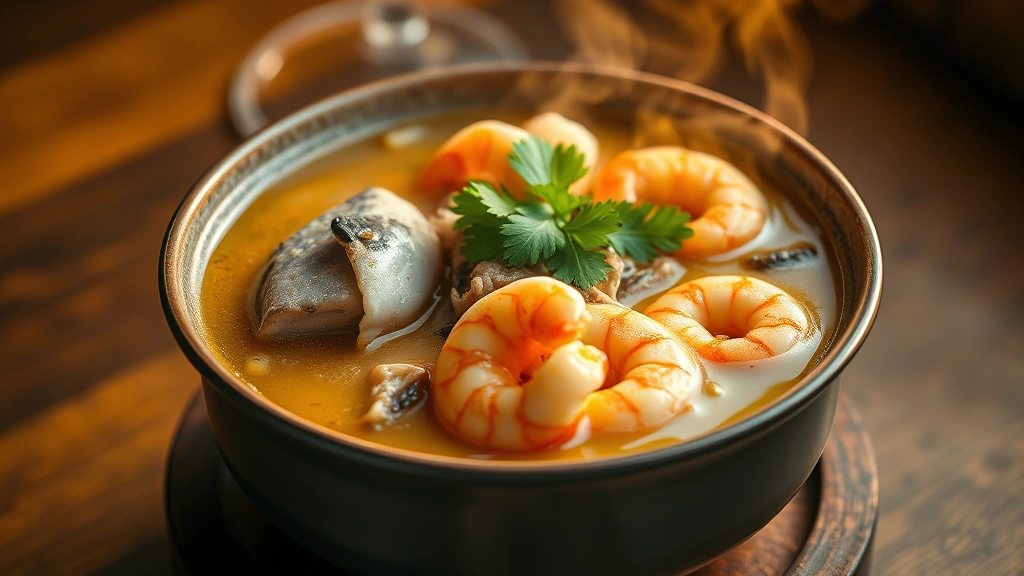
This iconic dish combines white fish, shrimp, coconut milk, palm oil, cilantro, and lime in a fragrant broth. Traditional recipes use substantial coconut milk; modify by using light coconut milk (5% fat instead of 13%) and increase the proportion of broth to cream. One serving (6 ounces fish, 2 ounces shrimp) contains 32 grams of protein and 220 calories. The dish’s aromatic spices—particularly cilantro and lime—aid digestion and provide phytonutrients that support metabolic function.
Camarão à Baiana (Bahian Shrimp)
Sauté shrimp with diced onions, garlic, and fresh cilantro, then add diced tomatoes and a splash of lime juice. Cook until shrimp turns pink (approximately 4 minutes). This light preparation yields 28 grams of protein per 4-ounce serving with just 120 calories. The quick cooking time preserves heat-sensitive nutrients, and the simplicity allows Mounjaro’s appetite suppression to work effectively—you’ll feel satisfied with a smaller portion than you might expect.
Peixe Assado (Whole Grilled Fish)
In Brazilian coastal communities, whole fish grilled with minimal seasoning is standard. Ask your fishmonger to clean and scale a 2-pound snapper or sea bass. Season inside and outside with sea salt, cracked pepper, fresh thyme, and lemon slices. Grill over medium heat for 20-25 minutes until flesh is opaque. A 6-ounce portion provides 40 grams of protein and includes beneficial micronutrients from the skin and bones.
Bean and Legume Recipes
Beans are the backbone of Brazilian cuisine and nutritional powerhouses for weight loss. They contain resistant starch—carbohydrates that resist digestion and feed beneficial bacteria, improving metabolic health. When combined with Mounjaro, beans provide sustained energy without blood sugar spikes.
Feijoada Modificada (Modified Black Bean Stew)
Traditional feijoada uses pork belly and other fatty cuts; this modified version uses lean pork tenderloin or omits meat entirely. Combine black beans with diced pork (if using), onions, garlic, bay leaves, and a pinch of smoked paprika. Simmer for 2-3 hours until beans are creamy. One cup provides 18 grams of protein, 15 grams of fiber, and 220 calories. The extended cooking time increases digestibility and reduces anti-nutrients (phytic acid) that can impair mineral absorption.
Arroz e Feijão (Rice and Beans)
This Brazilian staple combines brown rice with black beans in a 1:1 ratio. Cook beans until tender, then combine with cooked rice, sautéed garlic, and a touch of olive oil. This combination provides complete protein (all nine essential amino acids) and sustained energy release due to the fiber in beans. A half-cup portion delivers 7 grams of protein and 12 grams of carbohydrates—ideal for Mounjaro users managing portions since the fiber prevents rapid glucose absorption.
Lentil and Vegetable Soup (Sopa de Lentilha)
Combine red lentils, carrots, celery, onions, and spinach in vegetable broth. Red lentils cook faster than other varieties (approximately 20 minutes) and develop a creamy texture. One bowl provides 12 grams of protein, 10 grams of fiber, and 160 calories. The combination of lentils and leafy greens provides iron and vitamin C simultaneously—vitamin C enhances iron absorption from plant sources.
Vegetable-Forward Brazilian Meals
Brazilian cuisine celebrates vegetables in ways that Western diets often overlook. These recipes prove that vegetable-centered meals can be deeply satisfying, particularly when appetite is naturally suppressed by Mounjaro.
Salada Brasileira (Brazilian Salad)
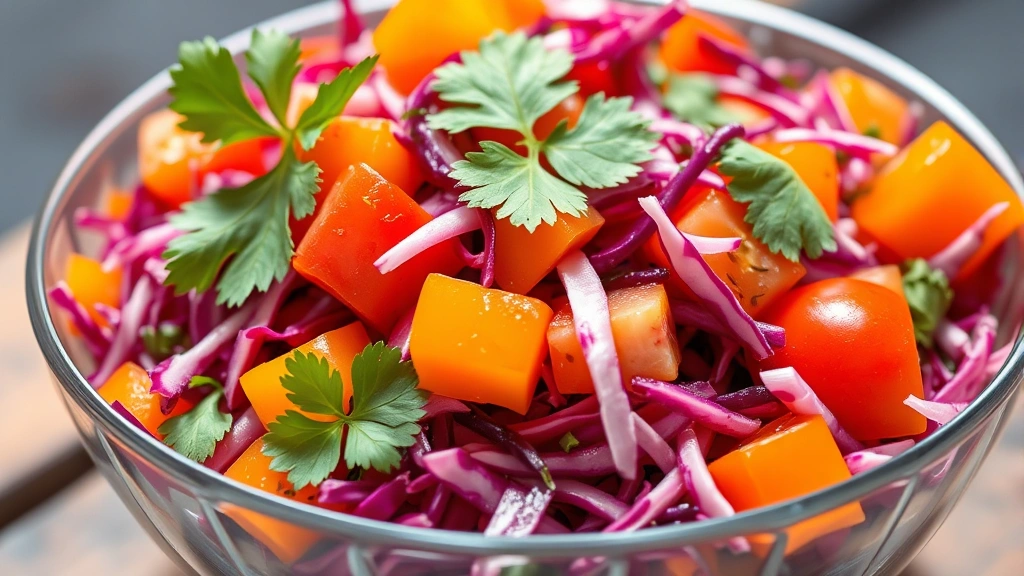
Combine shredded cabbage, diced tomatoes, diced bell peppers (red, yellow, and orange), thinly sliced red onion, and fresh cilantro. Dress with fresh lime juice, a touch of olive oil, and sea salt. This salad provides 50+ servings of vegetables in a single bowl while delivering only 80 calories. The variety of colors ensures diverse phytonutrient intake—red tomatoes provide lycopene, orange peppers provide beta-carotene, and cruciferous cabbage provides sulforaphane, all supporting metabolic health.
Mandioca Refogada (Sautéed Cassava Leaves)
Cassava leaves are nutritional powerhouses—more nutrient-dense than kale by most measures. Sauté fresh cassava leaves (or frozen, if fresh unavailable) with garlic, onions, and a touch of olive oil. One cup provides 3 grams of protein, 3 grams of fiber, and only 50 calories. Pair with grilled fish for a complete meal. Note: cassava leaves must be thoroughly cooked to eliminate naturally occurring cyanogenic compounds.
Legumes and Greens Side Dish
Sauté collard greens (a Brazilian favorite) with garlic and a minimal amount of olive oil. Serve alongside black beans. This combination provides iron, calcium, and complete amino acids in a preparation method that maximizes nutrient bioavailability. The slight bitterness of greens pairs beautifully with the earthiness of beans.
Meal Timing and Portion Strategies
Taking Mounjaro changes not just what you eat, but when and how much. These strategies optimize medication effectiveness while ensuring nutritional adequacy.
Breakfast Timing
Many Mounjaro users report diminished morning appetite. Rather than forcing breakfast, respect your body’s signals. When you do eat, prioritize protein and fat for satiety. A small portion of grilled fish with vegetables, or a protein-rich smoothie using best protein shakes for weight loss principles, provides sustained energy without excess volume.
Lunch as Your Main Meal
Most Mounjaro users report best tolerance with their largest meal at lunch. This aligns with Brazilian tradition—the main meal (almoço) is midday. Prepare a plate combining 4-6 ounces of grilled fish or chicken, 1/2 cup of beans or legumes, and 2 cups of non-starchy vegetables. This plate delivers 35+ grams of protein, 15+ grams of fiber, and 400-450 calories—completely satisfying despite the modest volume.
Dinner Considerations
Evening meals should be lighter than lunch, as Mounjaro’s appetite suppression intensifies throughout the day for many users. A light seafood soup or grilled fish with vegetables (2-3 ounces protein, 1.5 cups vegetables) provides adequate nutrition without overeating. Eating 2-3 hours before bedtime supports sleep quality—Mounjaro can cause vivid dreams if taken too close to sleep.
Hydration Strategy
Mounjaro can reduce thirst perception, yet weight loss and water intake work synergistically for optimal results. Aim for 2.5-3 liters daily. Herbal teas (particularly those with ginger, which aids digestion) count toward hydration and provide additional phytonutrients.
Snacking Approach
True hunger becomes rare on Mounjaro—what feels like hunger is often habit or boredom. Before snacking, drink 8 ounces of water and wait 15 minutes. If genuine hunger remains, choose protein-forward options: a small portion of grilled fish, a handful of nuts, or a string cheese. Avoid snacking directly from containers; portion into small bowls to maintain awareness of quantity.
Tracking Without Obsession
While calorie counting isn’t necessary on Mounjaro (the medication handles much of the appetite regulation), tracking food initially helps you understand portion sizes and nutrient density. Use a tracking app for 2-3 weeks to establish baseline awareness, then transition to intuitive eating guided by hunger cues and satiety signals.
Research from CDC’s Healthy Weight Resources confirms that combining medication with structured nutrition yields superior long-term outcomes compared to medication alone. The key is consistency—preparing meals in advance, maintaining adequate protein intake, and respecting your body’s satiety signals.
FAQ
Can I eat carbohydrates while taking Mounjaro?
Yes, but prioritize complex carbohydrates with high fiber content. Brazilian beans, legumes, and whole grains digest slowly, preventing blood sugar spikes. The key is portion control—Mounjaro naturally reduces the quantity you’ll consume, so smaller portions of nutrient-dense carbs are appropriate. Avoid refined carbohydrates (white bread, sugary foods) as they spike blood sugar and can reduce the medication’s effectiveness.
How much protein do I need daily on Mounjaro?
Aim for 1.2-1.6 grams per kilogram of body weight to preserve lean muscle during rapid weight loss. For a 200-pound person, this equals 110-145 grams daily. Brazilian seafood and poultry recipes easily meet this target while keeping calories moderate due to portion reduction from appetite suppression.
Are there foods I should avoid while taking Mounjaro?
Avoid high-fat, high-sugar foods not because they’re forbidden, but because they often trigger nausea and gastrointestinal distress on Mounjaro. Fried foods, sugary desserts, and fatty cuts of meat are poorly tolerated. Additionally, alcohol can intensify nausea—if you choose to drink, do so moderately with food.
How do these recipes support the weight loss timeline?
These recipes align with Mounjaro weight loss by week expectations by providing adequate protein (preserving muscle), high fiber (supporting satiety and metabolic health), and nutrient density (preventing deficiencies during rapid weight loss). Most users lose 3-5 pounds weekly initially, then 1-2 pounds weekly long-term when combined with consistent nutrition like these recipes provide.
Can I meal prep these recipes?
Absolutely. Most Brazilian recipes freeze beautifully. Prepare grilled fish, beans, and soups in bulk on Sundays. Store in glass containers for up to 4 days refrigerated or 3 months frozen. Reheat gently to preserve nutrients. Salads and raw vegetables should be prepared fresh or stored separately from dressings.
What if I experience nausea with these foods?
Nausea on Mounjaro often indicates portions are too large or foods are too rich. Reduce portion sizes, increase meal spacing, and temporarily focus on broths and lighter preparations. If nausea persists beyond the first 2-3 weeks, consult your prescribing physician—dose adjustment may be necessary.
How do these recipes compare to commercial weight loss meal services?
Home-prepared Brazilian recipes offer superior nutrition (no preservatives), better flavor, and significantly lower cost. Commercial services typically charge $10-15 per meal; these recipes cost $3-5 per serving. Additionally, learning to prepare nutritious food builds sustainable habits that extend beyond your Mounjaro treatment.
Are there registered dietitian resources for Mounjaro nutrition planning?
Yes. The Academy of Nutrition and Dietetics provides a provider directory where you can find registered dietitian nutritionists (RDN) specializing in weight management and medication-assisted therapy. Insurance often covers dietitian consultations when referred by your physician.
Can I use these recipes long-term after stopping Mounjaro?
These recipes represent sustainable, whole-food nutrition that benefits anyone regardless of medication status. The habits you develop—prioritizing protein, choosing whole foods, respecting hunger cues—remain valuable indefinitely. Research from The Obesity Society demonstrates that combining medication with lifestyle changes produces lasting weight loss maintenance, whereas medication alone without behavioral change often results in weight regain after discontinuation.