
Table of Contents
Introduction
Here’s something that might surprise you: the time you lace up those sneakers could be just as important as the workout itself. I know, I know—it sounds almost too simple to be true. But if you’ve been hitting the gym religiously and still feeling stuck with your weight loss progress, timing might be the missing piece of your puzzle. Your body isn’t just a calorie-burning machine—it’s more like a sophisticated orchestra, and every hormone, metabolic process, and energy system has its own rhythm throughout the day.
Think about it this way: you wouldn’t expect your phone to perform the same way with a dead battery versus a full charge, right? Your body works similarly. Those metabolism and hormone levels? They’re constantly shifting, creating windows where your workouts can be incredibly effective—or just mediocre. Some research suggests that exercising at certain times can actually enhance fat burning or boost your performance in ways that translate to real, lasting results. And if you’re serious about tracking those changes, learning about weight loss and body measurements will give you the tools to see exactly how your timing experiments are paying off.
Now, before you start panicking about whether you’ve been doing everything wrong, take a breath. There’s no single “magic hour” that works for everyone. Morning workouts can be incredible for fat burning—especially if you’re exercising on an empty stomach—and they tend to set a positive tone that carries through your entire day. Afternoon sessions? That’s when your body temperature peaks and your muscles are primed for peak performance. Evening workouts might be your stress-buster after a long day, plus they can actually improve your sleep quality (contrary to what you might have heard). When you combine smart timing with strategies like a high protein diet and well-planned healthy meal plans for weight loss, you’re setting yourself up for success that actually sticks.
Let’s be honest—staying motivated is probably the biggest challenge you’ll face on this journey. (It definitely was for me!) The good news is that we live in an age where technology can actually help instead of just distracting us. Weight loss and fitness apps aren’t just fancy step counters anymore—they’re like having a personal trainer and nutritionist in your pocket, helping you track workouts, monitor your nutrition, and experiment with different exercise times to see what clicks with your lifestyle. Plus, understanding concepts like how to improve insulin sensitivity shows us that exercise timing and smart eating work together like a well-oiled machine for managing blood sugar and overall metabolic health.
What You’ll Learn in This Guide
Ready to crack the code on when your body is primed for maximum fat burning? This guide will walk you through everything you need to know about finding your personal sweet spot for exercise timing. You’ll discover how to work with your body’s natural rhythms instead of against them.
- Key Point 1: Discover the science behind how different times of day impact fat burning and metabolic rate. You’ll learn about circadian rhythms and hormonal cycles that influence your workout effectiveness.
- Key Point 2: Understand the unique benefits of morning, afternoon, and evening exercise sessions. We’ll break down which times are ideal for fat loss, performance, stress relief, and sleep enhancement.
- Key Point 3: Get practical tips on how to align your exercise schedule with your lifestyle, energy levels, and fitness goals. Learn how consistency and listening to your body make a bigger difference than rigid timing.
- Key Point 4: Explore additional strategies like combining strength training and cardio, proper nutrition including a nutritious diet rich in foods like kale, and how fitness apps can help monitor progress and keep you motivated.
Here’s what makes this different from other fitness advice you’ve probably heard: we’re going beyond the “just burn more calories” mentality. Each time of day offers distinct advantages, and once you understand how your hormones, energy levels, and lifestyle factors all play together, you can make informed decisions that actually work for you. Morning exercise might tap into those lower insulin levels and ramped-up fat metabolism, while afternoon workouts can harness your peak body temperature and muscle performance to maximize every calorie burned.
But here’s the real game-changer—learning to listen to your body’s unique signals. If your current workout schedule feels like you’re swimming upstream, or if you’re not seeing the results you want, your body might be trying to tell you something. Using tools like fitness apps and tracking systems doesn’t just improve accountability (though that’s huge)—it helps you fine-tune your approach as your needs evolve. This isn’t about following someone else’s rigid schedule; it’s about creating a sustainable system that works specifically for you.
By the time you finish reading this, you’ll have science-backed insights and real-world strategies to optimize your exercise timing for weight loss. No more guessing, no more frustration—just clear direction on how to unlock your body’s full potential and create the energized, healthy lifestyle you’ve been working toward. Sound good? Let’s dive in.
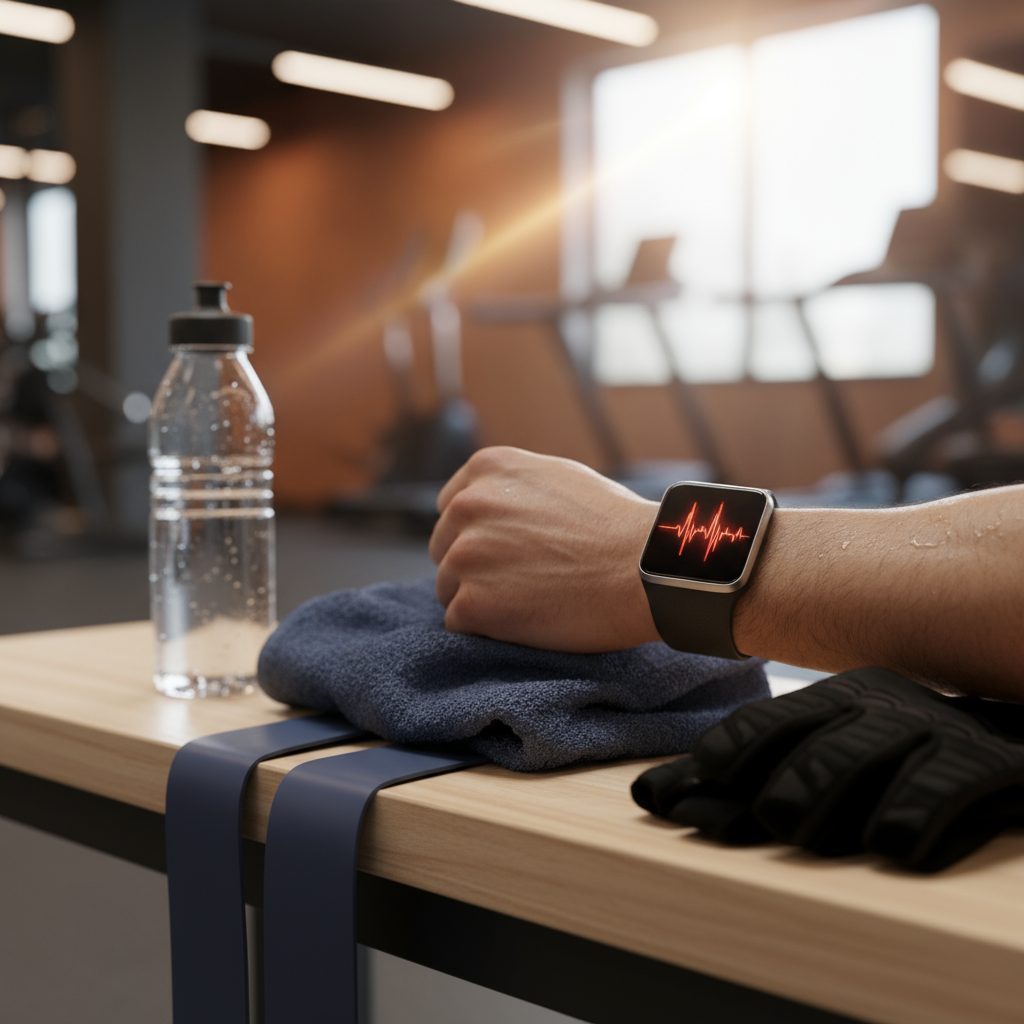
You’ve probably heard it a million times: exercise is key for weight loss. But here’s what most people don’t talk about—when you work out can be just as important as how you work out. Sure, staying active matters, but the best time to exercise for weight loss? That depends on your body’s natural rhythms, your hormones, and honestly, what actually fits into your crazy schedule. We’re going to dig into the science behind workout timing and give you practical insights on when to sweat it out for optimal fat loss, better metabolism, and energy that actually lasts. When you sync your workouts with how your body naturally works (plus your real-life constraints), you can seriously amplify your weight loss results.
Understanding How Exercise Drives Weight Loss Effectively
Let’s get one thing straight: exercise helps you lose weight by burning calories and revving up your metabolism. Different types of workouts hit fat burning, muscle building, and energy use in completely different ways. When you understand what’s actually happening in your body during and after exercise, you start to see why timing might matter—and how to tweak your routine for maximum fat loss. This foundation is crucial because it explains why your workout schedule isn’t just about convenience. For those serious about fat burning, checking out weight training’s role in boosting metabolism is a smart move to complement whatever schedule you choose.
The type of exercise you pick makes a huge difference too. Cardio gets your heart pumping to torch calories in the moment. Strength training? That builds lean muscle that keeps burning calories even when you’re binge-watching Netflix. Then there’s HIIT—those intense bursts followed by recovery periods create what I like to call the “gift that keeps on giving” because you keep burning calories long after you’re done sweating. Balance these with your daily life, and you’ve got variety, proper recovery, and steady progress. If you want to dive deeper, fitness tips focused on weight loss can help you personalize your approach even more.
Key Aspects of Exercise for Weight Loss
When you’re putting together a weight loss workout plan, these elements deserve your attention if you want results that actually stick.
- Metabolism Boost and Calorie Burn: Exercise doesn’t just burn calories while you’re moving—there’s this thing called the afterburn effect where your body keeps torching calories afterwards. This helps create that caloric deficit you need for fat loss.
- Muscle Preservation and Growth: Weight training keeps your muscle mass intact (and even builds more). Without it, you might lose muscle along with fat, which slows your metabolism. More muscle = higher resting metabolism = easier long-term weight control.
- Varied Exercise Modalities: Cardio, strength training, and HIIT each bring something unique to the fat-burning party. Mix them up to optimize results, keep things interesting, and avoid getting injured from doing the same thing over and over.
- Consistency and Adaptation: Your body is smart—it adapts. Keep challenging yourself with progressive intensity and different workouts to maintain steady weight loss and fitness gains.
Now that you understand how exercise works its magic for weight loss, let’s talk about something most people overlook: when you exercise can actually impact these benefits and help you work with your body’s natural patterns instead of against them.
Best Times of Day to Exercise for Weight Loss and Metabolic Optimization
Here’s where it gets interesting—the best time to exercise isn’t the same for everyone. Morning workouts get a lot of love, and for good reason. Working out on an empty stomach can kick your fat-burning into high gear because your body has to dig into fat stores for fuel. Plus, there’s something about starting your day with exercise that just sets you up for better choices all day long. (Ever notice how a morning workout makes you crave a salad instead of donuts?) For solid guidance on timing and staying motivated, this resource on best exercise times has some really helpful insights.
But afternoon workouts? They’ve got their own superpowers. Your body temperature is higher, your muscles are naturally warmer, and your reaction time is faster. Translation: you can often push harder and burn more calories. This timing works great if mornings are pure chaos for you—you can actually focus and give your workout the attention it deserves. Evening exercise has its perks too. It’s like hitting a reset button on your day, melting away stress, and for some people, it actually helps them sleep better. (Though if you’re someone who gets wired from exercise, working out close to bedtime might backfire.) The key is experimenting to see what works for your body and schedule. If you’re curious about how fasting fits into the timing equation, weight loss strategies with fasting can add another layer to your timing strategy.
Key Aspects of Exercise Timing for Weight Loss
Choosing when to exercise means understanding how different times of day affect your metabolism, hormones, and energy levels:
- Morning Fat Burning: Working out before breakfast, when your glycogen levels are low, may push your body to use fat as its primary fuel source. Think of it as forcing your body to tap into its savings account.
- Afternoon Peak Performance: Your muscles are strongest and your cardiovascular system most efficient in the afternoon, which could mean more intense workouts and higher calorie burn.
- Evening Stress Relief: Evening workouts can wash away the day’s stress and help you mentally decompress, which indirectly supports healthy weight management (stress and weight gain are definitely connected).
- Hormonal Fluctuations: Cortisol, insulin, and growth hormone levels change throughout the day, affecting how your body stores and burns fat. Time your workouts right, and you can work with these natural fluctuations instead of against them.

Here’s the thing about exercise timing—it can actually make a real difference in your weight loss journey. Your body has its own rhythm, and when you work with it instead of against it, magic happens. Take morning workouts, for example. Your insulin levels are naturally lower when you wake up, which means your body is primed to burn fat. Plus, there’s something pretty amazing about starting your day with that endorphin rush. You’ll feel energized and accomplished before most people even have their coffee.
But maybe you’re more of an afternoon person? That’s perfectly fine too. Your muscles are actually strongest in the afternoon, and your body temperature peaks around this time. Translation: you can push harder and get more out of your workout. And for all you night owls out there—evening exercise isn’t just convenient, it’s actually great for stress relief. Some people even find it helps them sleep better (though this varies from person to person).
The real truth? There’s no one-size-fits-all answer here. What works for your coworker might not work for you, and that’s completely normal. Your lifestyle, energy patterns, and personal preferences all play a role. The secret sauce is consistency and actually paying attention to how your body feels. When you tune into those signals and adjust accordingly, you’ll see real progress. And here’s where things get interesting—timing your workouts is just one piece of the puzzle. Pair it with smart nutrition choices like a high protein diet to preserve muscle and rev up your metabolism. Don’t forget about hydration either—our guide on weight loss and water intake shows you just how crucial this is. And honestly? Tracking your progress will keep you motivated when the scale decides to be stubborn.
Ready to put this into action? Start by experimenting. Try working out at different times for a week each and see what feels right. Your body will tell you. Once you find your sweet spot, add some strength training to the mix—it’s a game-changer for burning calories and keeping muscle. Our resistance training guide will show you exactly how. Don’t skip the cardio either; check out our complete cardio guide for fat-burning workouts that actually work. Of course, exercise is only half the equation. You need to fuel your body right, and our healthy meal plans make this way easier than you think. Love using apps? Our guide to fitness apps can help you stay on track. And here’s something people don’t talk about enough—having your finances in order (like building an emergency fund) actually reduces stress, which makes sticking to your health goals so much easier.
Look, your body is unique, and once you embrace that fact, everything becomes clearer. Trust what it’s telling you, stay consistent, and remember that this isn’t just about exercise—it’s about creating a lifestyle that works for you. You’ve got all the tools you need right here. The hardest part? Taking that first step. But once you do, you’ll wonder why you waited so long. Your healthier, more energetic self is waiting—let’s make it happen.
Frequently Asked Questions
-
Is morning exercise better for burning fat?
- Morning exercise can increase fat burning on an empty stomach, but overall calorie burn depends on total activity and consistency.
-
Can I lose weight if I exercise at night?
- Yes, exercising at night can aid weight loss and help relieve stress. It may also improve sleep quality for some individuals.
-
Does exercising on an empty stomach improve weight loss?
- Exercising fasted may increase fat utilization but is not necessary for effective weight loss. Consistency matters more than timing.
-
How often should I exercise to lose weight?
- Aim for at least 150 minutes of moderate exercise weekly. Consistency and combining cardio with strength training yield the best weight loss results.
-
What should I eat before exercising?
- Consume a balanced meal or snack with carbohydrates and protein about 1-2 hours before your workout to fuel energy and support recovery.