
Table of Contents
Introduction
Ever notice how some diets promise you’ll drop pounds fast, then leave you hungrier than before? There’s usually one thing missing from those plans: fiber. And honestly? That’s a huge mistake. When you start eating more high-fiber foods, something pretty amazing happens—you actually feel satisfied after meals. Your digestion runs smoother. Your weight starts moving in the right direction and stays there. Whether you’re just starting out or trying to fix a diet that’s not quite working, understanding fiber might be the missing piece you’ve been looking for.
Here’s what’s really interesting about fiber—it does way more than just help with weight loss. Think of it as your body’s multitasker. It keeps your digestive system happy, stops your blood sugar from going on a roller coaster, and even gives your heart some love. With obesity rates climbing everywhere you look, nutrition experts keep pointing to fiber as one of the most important things you can focus on. The numbers don’t lie: people who get enough fiber typically weigh less and have lower risks of diabetes and heart disease. (Makes you wonder why we don’t talk about it more, right?)
But here’s where most people get stuck—knowing which foods actually pack the fiber punch and how to eat them without getting bored. It’s not just about choking down salads or forcing yourself to eat cardboard-tasting whole grain bread. You need a smart strategy that includes vegetables, fruits, legumes, and grains that you actually enjoy eating. When you understand which foods work best and how they help your metabolism, you can make choices that stick. A lot of people find that learning about the importance of dietary fiber really opens their eyes to what they’ve been missing.
Now, tracking weight loss can feel pretty overwhelming sometimes. But when you combine it with eating more fiber? The results speak for themselves. Smart approach: track your body measurements along with the scale—you’ll get a much clearer picture of what’s actually happening. The right meal plans that focus on fiber naturally boost your metabolism, give you more energy, and help you eat fewer calories without feeling deprived. There are some really practical guides on weight loss and body measurements that show you how to work fiber in while keeping track of your progress. And don’t forget about water—it works perfectly with fiber to keep everything moving smoothly. You can find solid strategies that combine fiber and hydration in resources about weight loss and water intake. Trust me, these two work better together than apart.
What You’ll Learn in This Guide
This guide is going to walk you through everything you need to know about using high-fiber foods to lose weight. We’ll dig into the science (don’t worry, we’ll keep it simple), explore the different types of fiber, and show you exactly how they affect your metabolism and appetite. Plus, you’ll get practical food suggestions across all the major categories—vegetables, fruits, whole grains, and legumes that’ll actually make your meals more interesting.
- Understanding Dietary Fiber: We’ll break down the different types of fiber—soluble and insoluble—and explain what each one does for your body. Once you get this, you’ll know exactly which foods to reach for to get the biggest bang for your buck.
- Benefits of Fiber in Weight Loss: You’ll discover how fiber keeps you feeling full, naturally cuts your calorie intake, and gives your metabolism a boost. We’ll show you the real science behind why fiber works so well for weight management.
- Top High Fiber Foods to Include: Get ready for detailed lists of the best fiber-packed vegetables, fruits, grains, and legumes. This is your go-to resource for planning meals that are both filling and nutritionally solid.
- Incorporating Fiber into Your Routine: Learn the tricks for adding more fiber gradually (your digestive system will thank you), plus snack ideas and meal plans that make your weight loss journey actually enjoyable instead of a chore.
As we go through this together, you’ll also pick up expert tips on avoiding the common mistakes people make, dealing with any side effects, and knowing when it’s time to talk to a healthcare professional about your fiber intake. If you want to take your meal planning to the next level, checking out some healthy meal plans for weight loss can give you even more ideas and inspiration.
I’ve put this guide together to be useful whether you’re completely new to thinking about fiber or you’re already on a weight loss journey and want to make it more effective. The sections ahead aren’t just about information—they’re about giving you real, practical steps you can take starting today. When you start adding these high-fiber foods to your routine, you’ll probably notice you have more energy, your digestion improves, and you feel better overall. These are the kinds of changes that help you maintain a healthy weight for the long haul.
Choosing to focus on high-fiber foods is really an investment in yourself that pays off in multiple ways. You’ll control hunger better, your metabolism will work more efficiently, and you’ll just feel better day to day. Think of this guide as your roadmap—it’s here to give you the knowledge and tools you need to make changes that actually stick. Ready to explore what high-fiber foods can do for you? Let’s jump in.
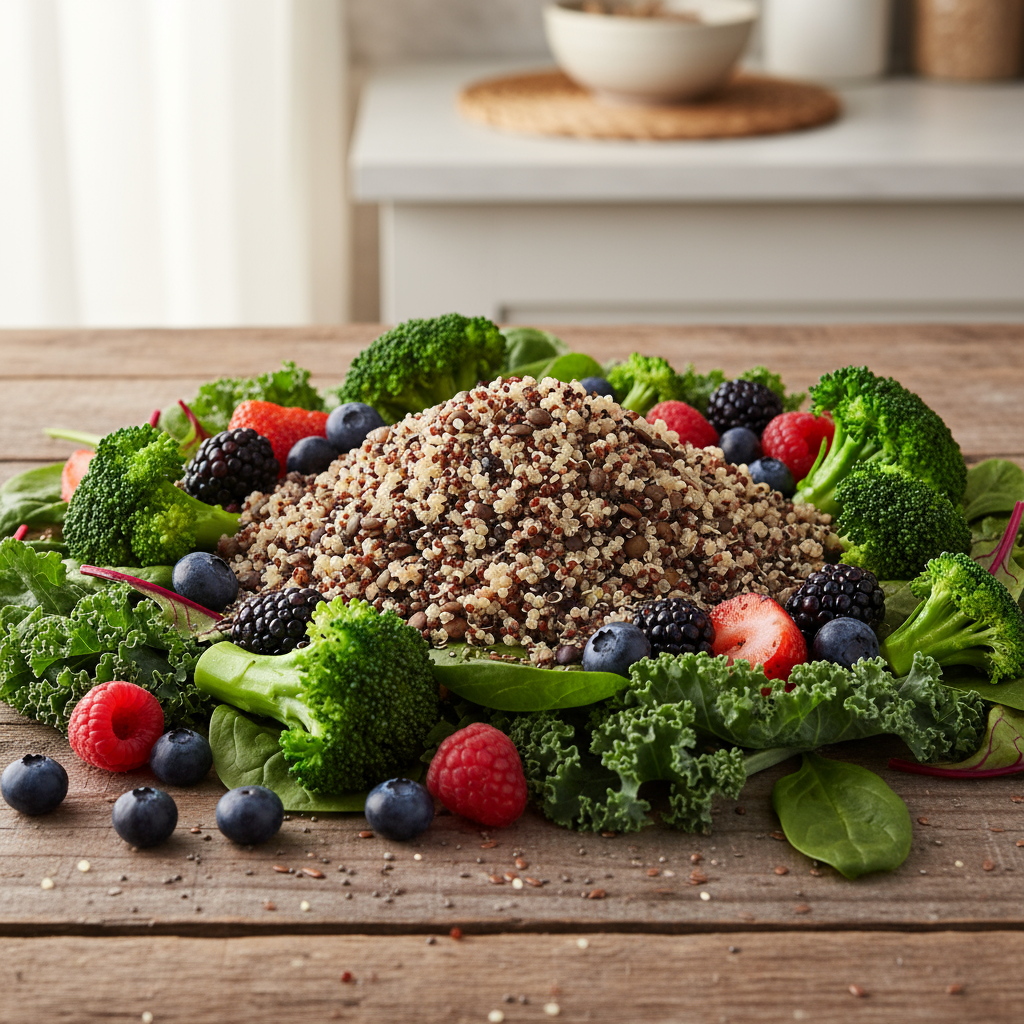
Let’s get real about fiber—this stuff is a game-changer for weight loss, and most people have no idea how powerful it really is. You know that plant-based roughage your grandmother always talked about? Turns out she was onto something big. Fiber is basically the carbohydrate your body can’t break down, which might sound useless, but it’s actually brilliant. Think of it as your digestive system’s best friend: keeping blood sugar steady, making you feel satisfied after meals, and helping you eat less without even trying. Once you understand how this works, you’ll never look at fruits and vegetables the same way again. Ready to discover why fiber might be the missing piece in your weight loss puzzle?
The Role of Dietary Fiber in Weight Loss and Health
Here’s where things get interesting. Fiber comes in two main types, and each one has its own superpower. Soluble fiber? It dissolves in water and turns into this gel-like substance in your gut. Pretty cool, right? This gel slows everything down—your digestion, your blood sugar spikes, even your hunger pangs. Meanwhile, insoluble fiber is like nature’s broom, sweeping through your digestive tract and keeping everything moving smoothly.
But here’s the magic part: when you eat fiber-rich foods, you feel full. Really full. For hours. It’s like having a natural appetite suppressant that actually nourishes your body instead of depleting it. Want to understand the full picture? Check out the importance of dietary fiber for your health—it breaks down exactly how these fiber types work in your body.
Now, let’s talk about the bigger picture. Fiber doesn’t just help you lose weight—it transforms your entire health profile. Those fiber-rich foods (fruits, vegetables, whole grains, legumes) come packed with vitamins, antioxidants, and all sorts of good stuff your immune system craves. Your gut bacteria? They absolutely love fiber. Happy gut bacteria means better digestion, less inflammation, and a metabolism that actually works with you instead of against you.
This is why smart nutritionists often recommend adding whole grains to your fiber strategy. They’re nutrient-dense powerhouses that keep your energy levels stable throughout the day. No more 3 PM crashes!
Key Aspects of Dietary Fiber’s Impact
Let’s break down exactly how fiber works its magic on your body:
- Satiety and Appetite Regulation: Picture this: fiber slows down how fast your stomach empties, so you stay satisfied way longer. No more mindless snacking or reaching for that second helping because you still feel hungry.
- Caloric Density Reduction: Here’s a neat trick—high-fiber foods are typically low in calories but take up lots of space in your stomach. You get to eat satisfying portions without the calorie overload.
- Metabolic Benefits: Fiber keeps your blood sugar from going on a roller coaster ride, which means better insulin sensitivity and less fat storage. Your metabolism will thank you.
- Digestive Health Support: Beyond keeping you regular (let’s be honest, that’s important too), fiber feeds the good bacteria in your gut. These little guys help you absorb nutrients better and fight inflammation linked to weight gain.
See what I mean? Fiber isn’t just about digestion—it’s working behind the scenes to support every aspect of healthy weight management. That’s why any solid, sustainable weight loss plan has fiber front and center. Speaking of plans, let’s get practical about how to actually get more of this stuff into your daily routine.
Practical Strategies to Incorporate High Fiber Foods Into Your Diet
Alright, enough theory—time for action. The key to boosting your fiber intake isn’t to overhaul your entire diet overnight (trust me, your digestive system won’t appreciate that approach). Instead, think gradual, sustainable changes that you can actually stick with long-term.
Start by making sure each meal has at least one solid fiber source. Breakfast? Throw some berries on your oatmeal. Lunch? Load up that salad with chickpeas. Dinner? Swap white rice for quinoa or add some roasted Brussels sprouts on the side. For a complete roadmap on building these habits, take a look at this healthy nutrition plan that shows you how to structure fiber-rich meals for maximum benefit.
The beauty of high-fiber foods is that they’re naturally delicious when you know how to prepare them. Broccoli, carrots, apples, pears, berries—these aren’t punishment foods, they’re flavor powerhouses. Lentils and beans might sound boring, but they’re incredibly versatile and add both protein and serious fiber to any dish. The trick is learning to balance your taste preferences with your health goals, which includes understanding portion control strategies that work with high-fiber eating.
Key Steps to Boost Fiber Intake
Here’s your practical game plan for increasing fiber without the uncomfortable side effects:
- Start Slow and Increase Gradually: Your gut needs time to adjust to more fiber. Jump in too fast and you’ll deal with bloating and gas—not fun. Add one new fiber source every few days instead of going all-in at once.
- Hydrate Adequately: This is crucial—fiber needs water to do its job properly. Think of water as fiber’s essential partner. Without enough fluids, fiber can actually cause constipation instead of preventing it.
- Diversify Fiber Sources: Don’t just stick to one type of fruit or vegetable. Mix it up with different colors, textures, and sources. Your gut microbiome loves variety, and you’ll get a better balance of soluble and insoluble fiber.
- Plan Balanced Meals and Snacks: Fiber works best when it’s part of a complete meal. Pair it with protein and healthy fats for meals that keep you satisfied and energized for hours. This combination is pure gold for weight management.

Here’s the bottom line: fiber is your secret weapon for weight loss that actually works. It keeps you full longer, slows down digestion, and naturally helps you eat less—without that awful feeling of being deprived. Plus, it’s doing amazing things for your metabolism and blood sugar behind the scenes. And let’s not forget your digestive system—fiber feeds those good gut bacteria and keeps everything running smoothly (if you know what I mean). Want the best results? Load up on a mix of veggies like broccoli and Brussels sprouts, fruits such as apples and berries, plus whole grains and legumes like quinoa and lentils. This combo gives you both types of fiber your body craves.
Now, here’s something important—you can’t just go from zero to fiber hero overnight. Trust me, your stomach won’t thank you for that mistake. The trick is adding it gradually to avoid the bloating and gas that nobody wants. Start including fiber in every meal, swap out your usual snacks for fiber-rich options, drink plenty of water (seriously, this part matters), and mix up your fiber sources. This approach isn’t just sustainable—it’s actually enjoyable. And here’s the best part: you’re not just losing weight, you’re building habits that’ll keep it off for good. Fiber works its magic when you pair it with smart meal planning and staying hydrated.
Ready to put this into action? Start exploring some balanced meal ideas that make fiber the star—check out these healthy meal plans for weight loss. Don’t just rely on the scale to track your progress either. Our weight loss and body measurements guide will show you better ways to see how you’re doing. And since hydration is crucial (I can’t stress this enough), dive into our weight loss and water intake resources to complement your fiber-rich eating perfectly. Want to think bigger picture? Building an emergency fund can actually support your health goals when life gets unpredictable—here’s a finance guide that breaks it down.
Adding more fiber to your life? It’s one of the smartest moves you can make for lasting weight management and better health. You’ve got the knowledge now—time to make choices that actually satisfy your hunger, boost your metabolism, and keep you moving forward. Want to go deeper? Our guide on how to maintain weight loss has everything you need for the long haul. Your healthier, more energized self is waiting. Keep going, stay curious, and celebrate every win along the way.
Frequently Asked Questions
-
What are the best sources of fiber for weight loss?
- Vegetables, fruits, whole grains, and legumes are the best high fiber sources that support weight management.
-
How much fiber should I eat daily for weight loss?
- Generally, 25-30 grams of fiber daily is recommended, but individual needs may vary based on health and activity levels.
-
Can increasing fiber cause digestive discomfort?
- Yes, but gradually increasing fiber intake and drinking plenty of water can help prevent bloating and gas.
-
Is fiber alone enough for weight loss?
- Fiber is helpful but should be part of a balanced diet combined with regular physical activity for effective weight loss.
-
When should I see a doctor about fiber intake?
- If you experience severe digestive issues or have existing health conditions, consult a healthcare provider before making dietary changes.