Table of Contents
Introduction
Let’s be honest—starting a weight loss journey feels like standing at the base of Mount Everest sometimes. You’ve got every diet imaginable screaming for your attention, each one promising to be “the one.” But here’s something that might surprise you: one of the most powerful tools for sustainable weight loss is probably sitting in your refrigerator right now. Vegetables.
I know, I know. You were probably expecting some revolutionary secret. But stick with me here—vegetables really are game-changers. They’re like nature’s cheat code for weight loss. You can pile your plate high with them without worrying about calorie overload, and they’ll actually keep you satisfied longer than you’d expect. Take leafy greens and cruciferous veggies, for example. They’re packed with fiber that makes your stomach say “I’m good” while your taste buds stay happy. The science behind this is fascinating, and if you want to dig deeper, this guide on high fiber foods for weight loss breaks it down beautifully. What I love most? When you start adding more vegetables to your meals, those annoying cravings tend to disappear.
But vegetables aren’t just about dropping pounds—they’re working behind the scenes to fix your metabolism too. Your blood sugar levels? Vegetables help keep those steady, which means no more energy crashes at 3 PM. (You know the ones I’m talking about.) This connection between weight loss and blood sugar levels is something more people should understand. And if you’re curious about going all-in with vegetables, a plant-based diet can seriously reduce inflammation and make your heart happier. Think of vegetables as your body’s maintenance crew—they’re constantly fixing things you didn’t even know were broken.
Now, here’s where it gets really interesting. Keeping weight off after you’ve lost it? That’s where vegetables become your best friend for life. Most people can lose weight—it’s the keeping it off part that trips them up. The strategies outlined in how to maintain weight loss consistently point to one thing: sustainable habits. And guess what forms the backbone of those habits? You got it—vegetables. Plus, when you pair them with a solid fitness routine (check out weight loss and fitness apps for some tech-savvy help), vegetables fuel your workouts and help you recover faster.
What You’ll Learn in This Guide
This guide is going to give you everything you need to turn vegetables into your secret weight loss weapon. We’re talking real, practical advice that you can actually use—not just theory.
- Top Vegetables for Weight Loss: We’ll identify the MVPs of the vegetable world—the low-calorie, high-satisfaction champions like leafy greens and cruciferous vegetables that actually help you burn fat.
- Health Benefits Explained: You’ll discover exactly how vegetables work their magic on your metabolism, digestion, and energy levels—and why this matters for your weight loss goals.
- Practical Incorporation Tips: Get ready for easy, delicious ways to sneak more vegetables into every meal and snack, including meal prep tricks and cooking methods that’ll make you actually crave your greens.
- Maximizing Weight Loss Success: Learn the smart strategies—like pairing vegetables with protein and managing those sneaky salad dressing calories—that turn good intentions into real results.
As we dive into the specific vegetables that can transform your weight loss journey, you’ll get practical tips and nutritional insights that actually make sense for your lifestyle. We’re going to talk about how to prepare these vegetables so they taste amazing (because let’s face it, nobody sticks with food they don’t enjoy). If you’re looking to create a well-rounded approach to eating, this guide on healthy nutrition plans makes a perfect companion read.
By the time you finish this guide, you’ll know exactly how to make vegetables work for your body and your taste buds. Whether you’re just starting out or you’ve been struggling to find what works, you’re going to walk away with strategies you can use starting today. Ready to discover how vegetables can become your favorite weight loss tool?
Here’s the truth: vegetables aren’t just side dishes anymore. They’re about to become the star of your weight loss story. And the best part? This doesn’t have to feel like punishment. With the right approach, eating for weight loss can actually be delicious and satisfying. Let’s make it happen.

So we’ve talked about why vegetables matter for weight loss and your health. Now let’s dig deeper into which ones actually work—and more importantly, why they work so well. Because here’s the thing: not all vegetables are created equal when it comes to dropping pounds. Some are absolute powerhouses that can transform your entire approach to eating, while others are just… well, okay. Understanding which vegetables pack the biggest punch can be a game-changer for your weight loss journey. We’ll also cover the smart ways to work these into your meals (because let’s be honest, plain steamed broccoli gets old fast) and share some tricks to maximize their fat-burning potential. By the time we’re done here, you’ll know exactly how to use vegetables as your secret weapon for sustainable weight loss.
Top Vegetables That Promote Weight Loss
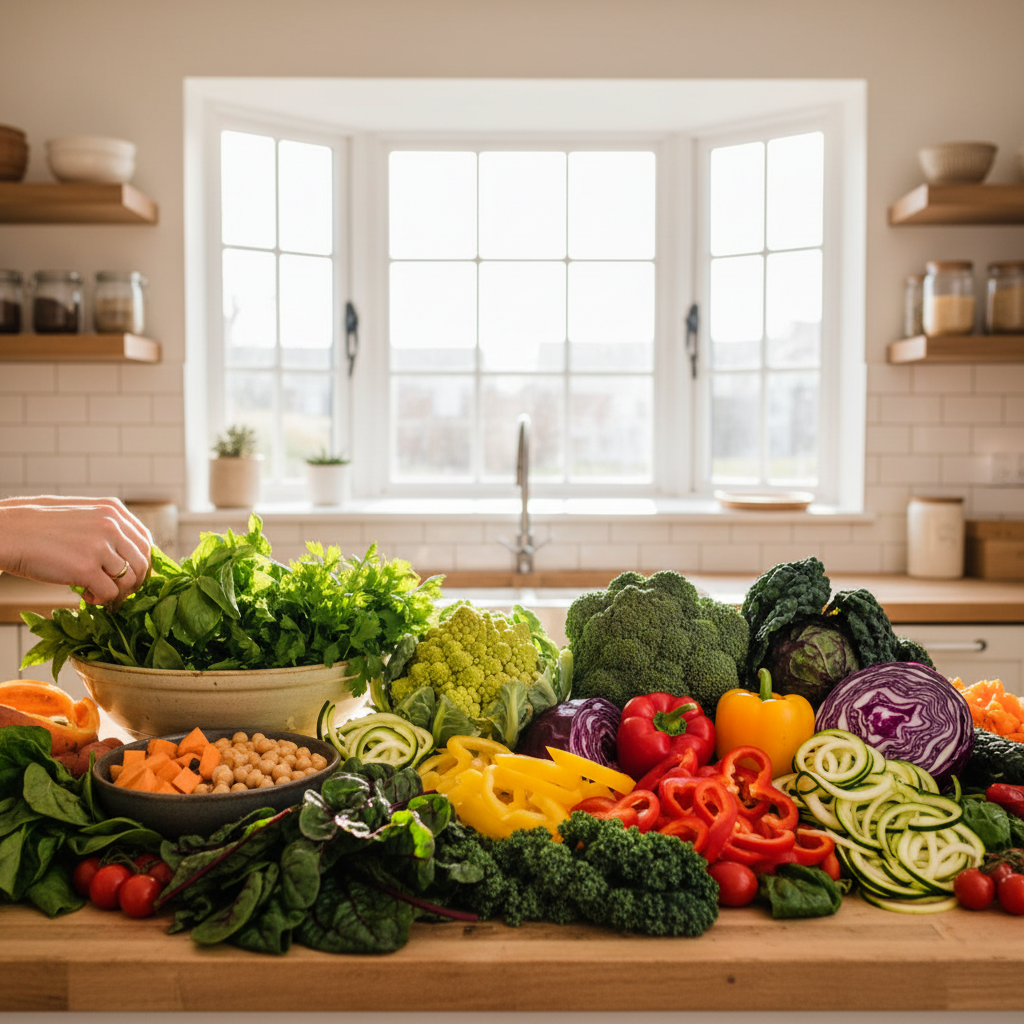
When you’re trying to lose weight, you want vegetables that give you the biggest bang for your caloric buck. Enter leafy greens and cruciferous vegetables—the superstars of the weight loss world. These guys are incredibly low in calories but packed with nutrients that actually matter. What makes them so special? It’s all about the fiber and water content. They fill you up without filling you out, if you know what I mean. Your stomach gets the “I’m satisfied” signal, but your calorie counter barely budges. Start adding these gradually to your meals (don’t go from zero to kale overnight—trust me on this), and you’ll notice how much more food you can eat while still losing weight. Want to dive deeper into the fiber game? Check out our guide on high fiber foods for weight loss to understand exactly how fiber works its magic.
Now, let’s talk about the water-rich champions: zucchini, cucumbers, and bell peppers. These vegetables are like nature’s way of helping you eat more while consuming less. Sounds too good to be true? It’s not. Their high water content keeps you hydrated (which most of us forget about), while their low calorie density means you can pile them on your plate guilt-free. Plus, they’re loaded with antioxidants that help fight inflammation—and here’s something interesting: chronic inflammation can actually mess with your metabolism. So when you’re munching on these colorful veggies, you’re not just filling up; you’re supporting your body’s natural fat-burning processes. Ready to put this into action with actual meal plans? Our detailed guide on healthy meal plans for weight loss shows you exactly how to build these vegetables into meals that actually taste good.
Key Aspects of Vegetables That Support Weight Loss
What makes certain vegetables so effective for weight loss? It comes down to a few key characteristics that work together like a well-oiled machine.
- Leafy Greens as Nutrient-Packed Low-Calorie Options: Think kale, spinach, and Swiss chard. These are nutritional goldmines—loaded with Vitamin K, Vitamin A, and folate—but they’re practically calorie-free. It’s like getting premium nutrition without the premium price tag (calorie-wise, anyway).
- Cruciferous Vegetables for Fiber and Fullness: Broccoli, cauliflower, Brussels sprouts—these are your satiety superstars. The fiber content is through the roof, which means better digestion, longer-lasting fullness, and steadier blood sugar. When your blood sugar isn’t on a roller coaster, your cravings stay in check.
- Hydrating Vegetables Help Maintain Satiety: Cucumbers and zucchini are basically water with a crunch. That high water content adds serious volume to your meals, helping trick your brain into feeling satisfied while keeping your hunger hormones happy.
- Rich Antioxidants and Phytonutrients: These compounds are like your metabolism’s best friends. They reduce oxidative stress (the cellular equivalent of rust) and support the processes that help your body burn fat more efficiently.
Once you understand these fundamentals, everything else starts to click. And speaking of clicking—let’s explore exactly how these vegetables work their magic on your metabolism and digestion.
Health Benefits of Vegetables in Weight Loss
Here’s where things get really interesting. Vegetables don’t just help you lose weight by being low-calorie—they’re actively working behind the scenes to make your body better at burning fat. The fiber feeds your gut bacteria (yes, the good ones), which improves how you absorb nutrients and keeps everything moving smoothly. But there’s more. Because vegetables are so nutrient-dense yet low in calories, you can eat bigger portions. Your brain sees a full plate and thinks “feast,” but your body gets exactly the fuel it needs without excess baggage. The antioxidants? They’re busy reducing inflammation that can otherwise throw a wrench in your metabolic machinery. If you want to get really strategic about this whole weight loss thing, our guide on portion control for weight loss breaks down how to maximize these benefits.
And here’s something most people overlook: hydration. Those water-rich vegetables aren’t just filling—they’re keeping your metabolism humming along at optimal speed. When you’re properly hydrated, your body can efficiently eliminate waste and your appetite stays more regulated. (Ever notice how sometimes when you think you’re hungry, you’re actually just thirsty?) The potassium and magnesium in these vegetables are the unsung heroes supporting your muscles and energy production—especially important if you’re adding exercise to your weight loss plan. Speaking of which, if you want to supercharge your results by combining smart eating with smart movement, check out our fitness tips for weight loss to create the perfect one-two punch.
Key Aspects of Vegetable Health Benefits for Weight Loss
Let’s break down exactly how vegetables become your weight loss allies through their health benefits.
- Rich in Fiber Supports Digestive Health and Appetite Control: Think of fiber as your hunger’s best friend and worst enemy. It keeps your digestive system running smoothly, feeds the beneficial bacteria in your gut, and sends strong “I’m full” signals to your brain. Less hunger, fewer cravings, better results.
- Low-Calorie but Nutrient-Dense Allowing More Volume: This is the secret sauce. You can pile your plate high with vegetables and still stay within your calorie goals. Your stomach gets the volume it needs to feel satisfied, but your waistline doesn’t pay the price.
- Hydration and Antioxidants Reduce Inflammation: Proper hydration keeps your metabolism firing on all cylinders, while antioxidants tackle the inflammation that can sabotage your fat-burning efforts. It’s like having a cleanup crew working around the clock.
- Supports Muscle Function and Energy Metabolism: The potassium and magnesium in vegetables keep your muscles functioning properly and your energy levels stable. When you feel good and energized, you’re more likely to stay active and stick to your healthy eating plan.

Here’s the bottom line: vegetables aren’t just good for weight loss—they’re game-changers. Think about it. You get to eat more food, feel fuller, and still lose weight. How? Because veggies like spinach, kale, and broccoli are packed with fiber and nutrients but barely register on the calorie counter. Your stomach feels satisfied while your waistline thanks you. Plus, all that fiber keeps your digestion humming and helps you avoid those 3 PM snack attacks we all know too well. And don’t get me started on hydrating vegetables like cucumbers and zucchini—they’re basically nature’s way of helping your body flush out toxins while keeping your metabolism firing on all cylinders.
But not all vegetables are created equal. (And that’s actually a good thing.) Some boost your metabolism, others help stabilize your blood sugar, and many fight inflammation that can sabotage your weight loss efforts. When you mix different types of vegetables into your meals, you’re giving your body a complete nutritional toolkit. The best part? You can pile your plate high with these colorful powerhouses without worrying about calories. It’s like having your cake and eating it too—except it’s broccoli, and it’s actually helping you reach your goals.
Ready to put this into action? Start by checking out some structured healthy meal plans for weight loss that show you exactly how to make vegetables the star of delicious, satisfying meals. Once you start seeing results, you’ll want to keep them—that’s where understanding how to maintain weight loss becomes crucial. Want to stay on track more easily? Try some weight loss and fitness apps to monitor your progress without the guesswork. And if you’re ready to take your nutrition knowledge to the next level, explore comprehensive nutrition plans that go beyond just vegetables.
You’ve got everything you need to make vegetables work for you, not against you. Stop thinking of them as the boring side dish you have to choke down. Start seeing them as your secret weapon for sustainable weight loss. Try new recipes, experiment with different cooking methods, and remember—every vegetable-packed meal is moving you closer to your goals. The beauty of this approach? It’s not about deprivation or complicated rules. It’s about eating real food that happens to be incredibly good at helping you lose weight and feel amazing.
Frequently Asked Questions
-
What are the lowest calorie vegetables for weight loss?
- Leafy greens like spinach and kale, and crunchy vegetables such as cucumbers and celery are very low in calories.
-
Can eating more vegetables help boost metabolism?
- Yes, vegetables high in fiber and nutrients support metabolism and improve digestive health.
-
How many servings of vegetables should I eat daily for weight loss?
- Aim for at least 3-5 servings of vegetables per day as part of a balanced diet.
-
Are cooked or raw vegetables better for weight loss?
- Both have benefits; cooking enhances digestibility, while raw vegetables retain more vitamins. A mix is ideal.
-
Is it okay to rely mostly on vegetables for losing weight?
- While important, vegetables should be part of a balanced diet that includes protein and healthy fats for sustainable weight loss.