Table of Contents
Introduction
Picture this: dropping those stubborn pounds without ever setting foot in a gym. No sweaty workout clothes, no early morning runs, no expensive fitness memberships. Sounds pretty amazing, right? Here’s the thing—it’s not just wishful thinking. You really can lose weight through smart food choices and simple lifestyle tweaks, and we’re going to show you exactly how.
Most people think weight loss is all about hitting the gym hard, but that’s only part of the story. What you eat and how you live your daily life? That’s where the real magic happens. Think of your metabolism like a furnace—and certain foods are like premium fuel that makes it burn hotter and more efficiently. High-protein foods, for example, actually boost your metabolism while keeping hunger at bay (pretty neat, right?). Then you’ve got fiber-rich vegetables that make you feel satisfied and help your digestion run smoothly, making it so much easier to eat fewer calories without feeling deprived. When you understand weight loss and high protein diet principles and learn about the importance of dietary fiber for your health, you’re setting yourself up for real, lasting success.
But here’s what might surprise you—diet is just one piece of the puzzle. Your daily habits pack a serious punch when it comes to weight loss. Getting quality sleep isn’t just about feeling rested (though that’s nice too). It actually controls the hormones that make you hungry or satisfied. Wild, right? And don’t get me started on water—staying hydrated can kick your metabolism into higher gear and help you feel full, so you naturally eat less. Stress is another big player here. When you’re constantly stressed out, your hormones go haywire and suddenly you’re reaching for that bag of chips at 10 PM. Sound familiar? Learning about healthy sleep habits and discovering effective stress reduction methods can completely transform your approach to weight loss.
Now, let’s zoom out for a second. Weight loss isn’t happening in a vacuum—it’s connected to your overall well-being in ways you might not expect. Understanding how weight loss and stress management work together can help you make choices that benefit both your body and your peace of mind. And sometimes the simplest changes make the biggest difference. Take something as basic as the benefits of drinking water—it’s one of those small shifts that can have a surprisingly big impact on your weight loss journey.
What You’ll Learn in This Guide
Ready to dive in? This guide is packed with everything you need to successfully lose weight without breaking a sweat. We’re focusing on realistic diet and lifestyle changes that actually fit into your busy life.
- Understanding Weight Loss Without Exercise: You’ll discover how managing calories and tweaking your metabolism can melt fat even when you’re not working out, plus we’ll help you set goals that actually make sense for your lifestyle.
- Effective Dietary Changes: We’ll walk through the best foods to embrace and which ones to skip, along with meal planning strategies that create a calorie deficit while keeping you satisfied and happy with your meals.
- Lifestyle Habits That Promote Weight Loss: Find out how your sleep quality, water intake, and stress levels are secretly controlling your hormones and metabolism—and learn simple daily habits that support your weight goals.
- When to Consult a Healthcare Professional: Know the warning signs that it’s time to bring in the experts, so you can keep your weight loss journey both safe and effective.
In the next sections, we’re going to dig deep into each of these topics with expert-backed information and tips you can actually use. Whether you want to overhaul your eating habits, fine-tune your lifestyle, or figure out when to get professional help, we’ve got you covered with advice that’s both evidence-based and totally doable.
We’ll also share some insider tips for staying motivated and tracking your progress along the way. Want to know the secret to keeping weight off long-term? Check out our insights on how to maintain weight loss—because reaching your goal is just the beginning. And if you’re curious about really understanding your body’s changes, learning how to measure body fat percentage will give you the tools to make smart decisions every step of the way.
So let’s get started on this journey together. We’re exploring weight loss without exercise by focusing on what really moves the needle: smart food choices and a lifestyle that works with your body, not against it. By the time you finish this guide, you’ll have everything you need to take confident, informed steps toward becoming the healthiest, happiest version of yourself.
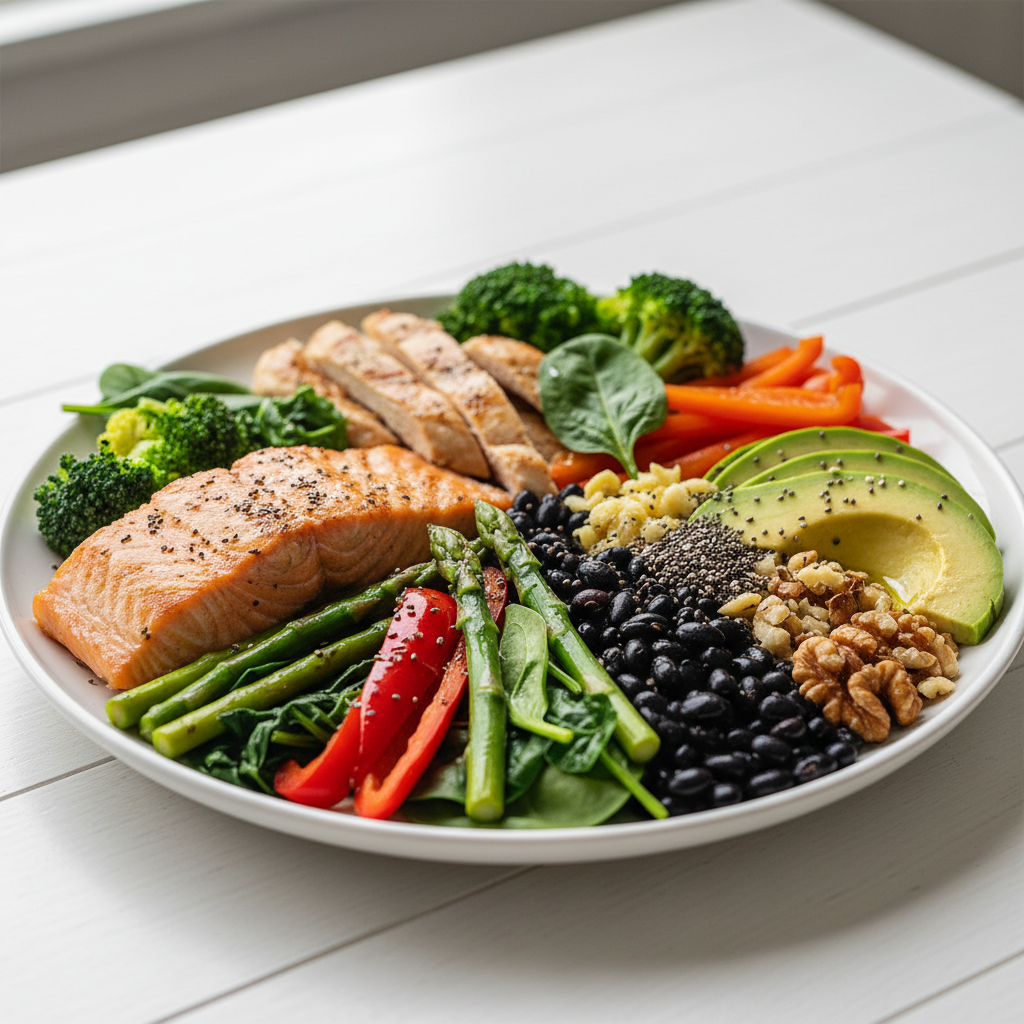
Building on what we covered about losing weight without hitting the gym, let’s get real about something: this absolutely can work. I know it might sound too good to be true—losing pounds without sweating it out on a treadmill. But here’s the thing: your body doesn’t actually need those intense workout sessions to start burning fat. What it needs is the right approach to eating and some smart tweaks to how your metabolism works. With the strategies we’re about to dive into, you can make serious progress toward your goals without ever stepping foot in a gym. We’re talking about a balanced, sustainable way that actually fits into your real life.
Understanding Weight Loss Without Exercise
Here’s where the magic happens: it all comes down to energy balance. Think calories in versus calories out. When you eat fewer calories than your body burns just keeping you alive (breathing, pumping blood, thinking), your body has no choice but to dip into its fat stores for energy. That’s weight loss in action.
But wait—there’s more to this story than just “eat less.” Your metabolic health plays a huge role here. Things like how well your body handles insulin and manages blood sugar can make or break your weight loss efforts. If you’re dealing with metabolic syndrome or insulin resistance (and trust me, more people have these than realize it), your body becomes stubborn about burning fat. The good news? Research shows that eating nutrient-rich foods and watching your portions can actually help fix these metabolic roadblocks. Want to understand how this all connects? Check out this deep dive on weight loss and metabolic syndrome—it’s a game-changer for understanding what’s really happening in your body.
Now, when I say calorie control, I’m not talking about starving yourself. That’s a recipe for disaster. Instead, think quality over quantity. Here’s something interesting: vitamin C actually helps your body burn fat more efficiently. Who knew? And here’s another piece of the puzzle—when your insulin sensitivity improves, fat loss speeds up. Pretty cool, right? Don’t just rely on your scale to track progress, either. Your weight can fluctuate for a dozen reasons that have nothing to do with fat loss. That’s why tracking weight loss and body measurements gives you a much clearer picture of what’s actually happening. And if you’re tech-savvy, there are some fantastic weight loss and fitness apps that can help you manage calories and make better food choices—no gym membership required. Getting a handle on your blood sugar and insulin levels through what you eat can seriously accelerate your results. These resources on weight loss and blood sugar levels and weight loss and insulin resistance will show you exactly how to do it.
Key Aspects of Understanding Weight Loss Without Exercise
Let’s break down what really matters when you’re trying to lose weight without working out:
- Calorie Deficit through Diet: You need to eat fewer calories than your body burns at rest. Sounds simple, but the trick is choosing foods that keep you satisfied while staying within your calorie budget. Think nutrient-dense options that actually fill you up.
- Metabolic Health Optimization: If your metabolism is sluggish or you’re dealing with insulin resistance, fix that first. Eating foods that keep your blood sugar stable will help your body become a better fat-burning machine.
- Vitamin C’s Role: This isn’t just for preventing colds. Vitamin C actually helps your body burn fat more effectively during weight loss. Easy win—just add more citrus, berries, or bell peppers to your meals.
- Monitoring Progress Accurately: Your scale is a liar (okay, not really, but it’s definitely not telling the whole story). Taking body measurements shows you the real changes happening—fat loss and muscle preservation—which keeps you motivated when the scale decides to be stubborn.
Once you grasp these fundamentals, making smart food choices becomes so much easier. No more guessing or falling for diet myths. You’ll have a clear, personalized roadmap that actually works with your lifestyle, not against it.
Lifestyle Habits That Promote Weight Loss
Okay, let’s talk about the lifestyle tweaks that can seriously boost your weight loss—and none of them involve a gym membership. We’re looking at hydration, sleep, and stress management. These might not seem like weight loss tools, but they control the hormones that decide whether your body holds onto fat or burns it.
Take water, for example. Staying hydrated actually revs up your metabolism and helps you feel full, which means you naturally eat less. It’s like getting a metabolism boost from your kitchen tap. The science behind hydration and weight loss is pretty fascinating, and the benefits of drinking water go way beyond just weight management.
Then there’s sleep—and this one’s huge. When you’re not getting quality sleep, your hunger hormones (leptin and ghrelin) go haywire. Suddenly you’re craving everything in sight and your metabolism slows down. Not exactly a recipe for weight loss success. And stress? That’s another metabolism killer. High stress means high cortisol, which basically tells your body to store fat and crave junk food. Learning to manage stress isn’t just good for your sanity—it’s essential for your waistline. Understanding the effects of stress on the body will show you just how much this impacts your weight loss efforts.
Your eating patterns matter too, especially what you eat and when. Meals packed with protein and fiber don’t just nourish your body—they keep you satisfied for hours, which means less mindless snacking. High-fiber foods are particularly brilliant because they help with digestion and appetite control. Check out these guides on healthy meal plans for weight loss and high fiber foods for weight loss for specific ideas. Want to give your metabolism an extra boost? There are natural ways to improve metabolic rate through simple lifestyle changes focused on sleep, hydration, and nutrition.
Key Aspects of Lifestyle Habits That Promote Weight Loss
These lifestyle changes can dramatically improve your weight loss results without any exercise:
- Hydration and Metabolism Boost: Drinking plenty of water isn’t just about staying healthy—it actually increases the calories your body burns and helps control your appetite by making you feel fuller.
- Prioritizing Quality Sleep: Good sleep keeps your hunger hormones in check, preventing overeating and supporting your body’s natural fat-burning processes. Think of sleep as your secret weight loss weapon.
- Stress Management Techniques: Whether it’s meditation, deep breathing, or just finding time for hobbies you love, managing stress keeps cortisol levels down and prevents stress-related weight gain and food cravings.
- Nutritious, Balanced Meal Planning: Focus on high-protein, high-fiber foods that keep you satisfied. Planning your meals with the right portions helps create that calorie deficit safely and sustainably—no starvation required.
If you do want to add some movement to the mix (and I get it—some people just feel better with a little activity), there are gentle weight loss workout routines at home that can complement these habits. But here’s the beautiful thing: they’re completely optional for losing weight. These lifestyle habits work together to support your metabolism and create sustainable weight management that fits your individual needs and preferences. No one-size-fits-all approach here—just practical strategies that work with your real life.

So here’s what we’ve discovered together: losing weight without hitting the gym isn’t just possible—it’s totally doable when you know what you’re doing. The secret sauce? It all comes down to being smart about what you eat and how you live. Think of calorie control and metabolic health as your best friends in this journey—they’re working behind the scenes to help your body burn fat even while you’re binge-watching your favorite show. When you focus on high-protein foods, load up on fiber-rich veggies, and embrace healthy fats, something amazing happens: you stay full longer and your metabolism gets a natural boost. Skip the processed junk, ditch those sneaky refined sugars, and avoid high-calorie snacks that sabotage your progress. With some thoughtful meal planning and portion control, you can create that sweet spot—a calorie deficit that actually feels sustainable.
But wait—there’s more to this story than just food. Your lifestyle habits are like secret weapons for weight loss. Getting quality sleep? Game changer. It literally controls the hormones that make you hungry, so you’re not fighting constant cravings. Staying hydrated gives your metabolism a natural kick and helps you feel full (sometimes when we think we’re hungry, we’re actually just thirsty). And here’s something interesting—managing stress isn’t just good for your mental health. Lower stress means less cortisol, which means less emotional eating and fat storage. Pretty cool how it all connects, right?
Now, let’s get real for a moment. Your weight loss journey is uniquely yours. What works like magic for your friend might need some tweaking for you—and that’s completely normal. The key is listening to your body, setting goals that actually make sense for your life, and making changes you can stick with long-term. We’re not looking for quick fixes here; we’re building habits that’ll serve you for years to come.
Ready to dive deeper? I’ve got some resources that’ll take your knowledge to the next level. If you want to understand how protein can be your weight loss superpower, check out our detailed guide on weight loss and high protein diet—it’ll show you exactly how protein boosts your metabolism and keeps hunger at bay. When it comes to tracking your progress (and trust me, you’ll want to), our guide on weight loss and body measurements gives you practical ways to measure success that go way beyond what the scale says. Need help with actual meal planning? Our healthy meal plans for weight loss take the guesswork out of creating satisfying meals that support your goals. Want to give your metabolism an extra boost? Our guide on how to improve metabolic rate covers nutrition, hydration, and daily habits that make a real difference. And since stress plays such a huge role in weight management, you might find our resource on effective stress reduction methods incredibly helpful for your overall wellness journey.
You’ve got everything you need to succeed right here. This approach isn’t about restriction or deprivation—it’s about working with your body, not against it. Be patient with yourself (seriously, this is important), celebrate the small wins, and remember that every positive choice you make is building toward something bigger. You’re not just losing weight; you’re creating a healthier, happier version of yourself. So take that first step today—your future self will thank you.
Frequently Asked Questions
-
Can I lose weight without exercising?
- Yes, by combining smart dietary choices with lifestyle habits like sleep and hydration, weight loss without exercise is achievable.
-
What foods help with weight loss?
- Foods rich in protein, fiber, and healthy fats support satiety, metabolism, and sustainable fat loss.
-
Is it safe to lose weight without exercise?
- Generally, yes, as long as you maintain a balanced diet and monitor your health. Consulting a healthcare professional is recommended for personalized advice.
-
How important is sleep for weight loss?
- Sleep regulates key hormones affecting hunger and metabolism, making it crucial for effective weight management.
-
When should I see a doctor about weight loss?
- If you experience unexplained weight changes or have underlying health concerns, consulting a healthcare professional is important for safe management.