
Table of Contents
Introduction
Here’s the million-dollar question: how do you lose fat without watching your hard-earned muscle disappear? If you’ve ever stood in front of the mirror after weeks of dieting, wondering where your muscle definition went, you’re definitely not alone. This balancing act—dropping fat while keeping muscle—feels impossible sometimes. But here’s the thing: it’s not just about looking good (though that’s a nice bonus). Your muscle mass directly impacts your metabolism, how you move through daily life, and honestly? How strong you feel.
Let me be straight with you—muscle is metabolic gold. Every pound of muscle you maintain burns calories even while you’re binge-watching Netflix. Lose that muscle during your fat loss journey, and you’re basically making future weight management harder for yourself. Not fun. The key lies in understanding a few critical concepts: eating enough protein (more than you probably think), creating the right caloric deficit (not too aggressive), and choosing the right exercises. If you’re just getting started with muscle preservation, checking out how to maintain muscle mass will give you a solid foundation to work from.
You know what trips up most people? Going to extremes. Crash diets that slash calories to nothing. Hours of cardio every day. Sound familiar? These approaches might show quick results on the scale, but they’re muscle killers. What actually works is a smarter approach: prioritizing protein-rich foods, timing your nutrients right, and including plenty of lean meats, fish, and nutrient-packed vegetables. The research on weight loss and high protein diets really drives home how crucial protein timing and quality become when you’re trying to transform your body composition.
Now, let’s talk exercise. Cardio has its place, sure—but strength training? That’s your secret weapon. When you’re eating in a deficit, resistance training sends a clear message to your body: “Hey, we still need this muscle!” Skip the weights and focus only on cardio, and your body might just decide that muscle is optional. (Spoiler alert: it’s not.) Understanding effective strength training exercises can completely change your results. The biggest mistakes I see? People cutting calories too drastically, not getting enough recovery, or thinking they can out-cardio a bad diet.
What You’ll Learn in This Guide
We’re going to break down everything you need to know about losing fat while keeping your muscle intact. No fluff, just the strategies that actually work.
- Understanding Fat Loss and Muscle Preservation: Learn about the physiological processes behind fat metabolism and muscle retention, including how caloric deficits and protein intake impact your body.
- Effective Nutrition Strategies: Discover the importance of protein consumption, balanced macronutrients, and managing an appropriate caloric deficit to support muscle health while losing fat.
- Exercise Recommendations: Get insights on the types of workouts, with a focus on strength training and cardio balance, that best promote fat loss without muscle loss.
- Common Mistakes to Avoid: Identify frequent errors such as over-restricting calories, neglecting protein, and skipping resistance training that can hinder your fat loss efforts and muscle retention.
Throughout this guide, you’ll get practical, science-backed strategies you can actually implement. We’re diving deep into what really works—not just theory, but actionable steps you can start using immediately. And if you’re curious about alternative approaches, exploring weight loss with plant-based diet options might give you some fresh ideas for supporting both fat loss and muscle preservation through different dietary approaches.
Whether you’re a complete beginner or you’ve been spinning your wheels with the same old routine, this guide will give you clarity. No more guessing whether you’re doing it right. The strategies we’ll cover work because they’re based on how your body actually responds to different stimuli—not on the latest fitness fad or miracle solution.
Ready to finally crack the code on losing fat without sacrificing muscle? The next sections will arm you with everything you need: the right mindset, proven techniques, and practical tools to make this transformation both effective and sustainable. Let’s get started on building the stronger, leaner version of yourself you’ve been working toward.
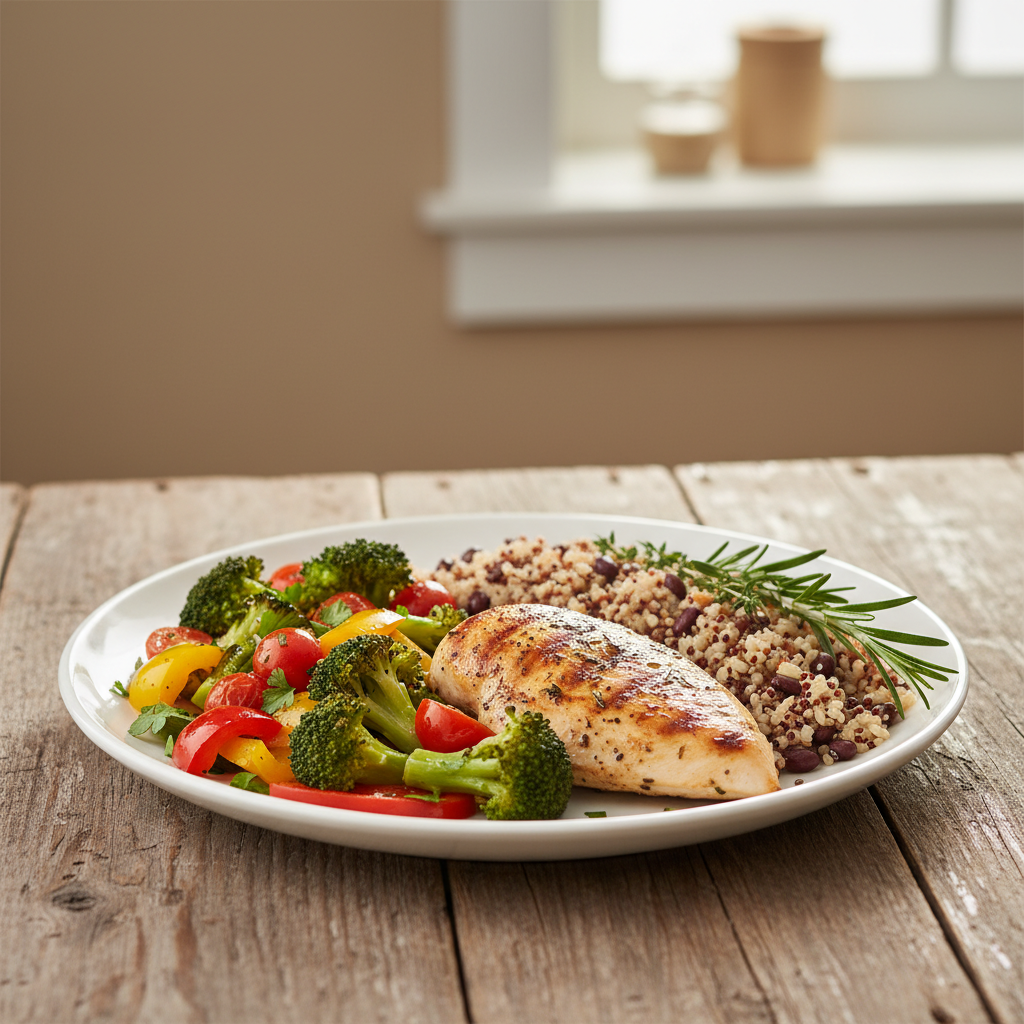
Now that we’ve covered the basics of fat loss while keeping your muscle, let’s get into the nitty-gritty. You need to understand what’s actually happening inside your body—and more importantly, how to work with these processes instead of against them. Losing fat without sacrificing muscle isn’t just about eating less and moving more. It’s about being smart with your approach. The good news? Once you understand the science behind it, everything starts to make sense.
Understanding Fat Loss and Muscle Preservation
Here’s the deal: fat loss comes down to burning more calories than you eat. Simple enough, right? Your body dips into fat stores for energy when you create this deficit. But here’s where things get tricky—your body doesn’t always play by the rules we want it to. Sometimes it decides muscle tissue looks like a pretty good energy source too, especially when you’re not giving it enough protein, cutting calories too aggressively, or spending too much time on the couch. And trust me, losing muscle is the last thing you want when you’re trying to get lean and strong. If you want to dive deeper into how protein can actually protect your muscle, check out protein intake and its role in preventing muscle loss.
But it’s not just about what you eat. Your lifestyle choices play a huge role too. Sitting around all day, not getting enough sleep, or going on those crazy crash diets? Yeah, that’s asking for trouble. When you lose muscle, your metabolism takes a hit. Suddenly, burning fat becomes harder, and you might not like what you see in the mirror. The secret sauce is combining smart eating with strength training—this tells your body to hold onto that precious muscle while torching fat. Want to make sure you’re actually losing fat and not muscle? Tracking your progress the right way makes all the difference, and you can learn more about that in our guide on effective body measurement tracking strategies. Bottom line: when you balance nutrition with the right kind of exercise, magic happens.
Key Aspects of Fat Loss and Muscle Preservation
Let’s break down what really matters when you’re trying to lose fat without kissing your muscle goodbye:
- Caloric Deficit Creation: You need to eat less than you burn—that’s non-negotiable. But here’s the kicker: go too extreme and your body starts breaking down muscle for fuel. Aim for a moderate deficit that you can actually stick with long-term.
- Protein’s Role: Think of protein as your muscle’s bodyguard. It provides the building blocks your muscles need to repair and grow, plus it keeps you feeling full longer. Win-win.
- Exercise and Activity Level: Strength training is your best friend here. It sends a clear signal to your body: “Hey, we need this muscle, so don’t touch it.” Keep lifting, keep moving, keep that muscle safe.
- Recovery and Hormonal Balance: Sleep isn’t optional—it’s when the real muscle magic happens. Skimp on rest and you’re basically sabotaging yourself. Your hormones need that downtime to keep everything running smoothly.
Here’s what you need to remember: these pieces all work together. Mess up one area and the whole system gets thrown off balance. It’s like trying to drive a car with three good tires and one flat—you’re not going to get very far. Get all four working together, and you’ve got yourself a sustainable, effective approach to changing your body composition. Now let’s talk about the nutrition side of things and how to fuel this whole process properly.
Effective Nutrition Strategies
Alright, let’s talk food—because this is where the real work happens. Getting your nutrition dialed in is probably 70% of the battle when it comes to losing fat while keeping muscle. You need to think about more than just calories in versus calories out. We’re talking about the quality of those calories, when you eat them, and how they work together to fuel your workouts and recovery. The goal is to eat foods that actually serve a purpose: powering your training, helping you recover, and keeping your muscles happy. If you’re serious about this, our in-depth guide on high protein diets and weight loss is a game-changer.
Now, about that calorie deficit—this is where people usually mess up. They think bigger is better and slash their calories like they’re in some kind of diet emergency. Bad idea. Sure, you might see the scale drop fast, but you’re also waving goodbye to your muscle (and probably your energy and sanity too). Slow and steady wins this race. Your body needs time to adapt and learn that fat—not muscle—is what should go. Meal timing matters too, though not as much as some people make it out to be. Eating quality carbs and healthy fats keeps your energy stable and your hormones happy, which is crucial for burning fat efficiently.
Key Aspects of Effective Nutrition Strategies
Here’s your nutrition roadmap for losing fat without losing muscle:
- Adequate Protein Intake: Get your protein from quality sources and spread it throughout the day. Your muscles are constantly breaking down and rebuilding—give them what they need to rebuild stronger.
- Balanced Macronutrients: Don’t demonize carbs or fats. Your brain needs glucose, your hormones need fat, and your workouts need fuel. Balance is everything.
- Moderate Caloric Deficit: Create a deficit you can live with for months, not days. Think marathon, not sprint. Your future self will thank you.
- Hydration and Micronutrients: Water and vitamins might seem boring, but they’re the supporting cast that makes everything else work. Don’t overlook the basics.
When you combine smart nutrition with consistent training and proper rest, you create the perfect storm for body transformation. It’s not about perfection—it’s about consistency and making choices that support your goals day after day. Stick with these principles, and you’ll see real, lasting changes in how you look and feel.

So here’s what we’ve figured out together: losing fat while keeping your hard-earned muscle isn’t just about eating less and moving more. It’s about getting smart with your approach. You need that sweet spot—a moderate caloric deficit that tells your body to burn fat, not muscle. Go too extreme with your calorie cuts? Your body panics and starts breaking down muscle for fuel. Nobody wants that.
Protein becomes your best friend in this process. Think of it as the building blocks your muscles desperately need to repair and stick around. And while we’re talking about exercise—strength training isn’t optional here. It’s your direct message to your body saying, “Hey, we still need these muscles!” Cardio has its place, but don’t go overboard. Too much can actually work against you.
Here’s where people mess up: they slash calories like they’re going out of style, forget about protein (big mistake), and skip the weights thinking cardio alone will save them. Spoiler alert—it won’t. This whole thing is as much mental as it is physical. Consistency beats perfection every single time. Listen to your body, plan smart, and remember that keeping your muscle while losing fat means you’re protecting your metabolism, your strength, and your overall health.
Want to dig deeper? Check out our guide on weight loss and high protein diet—it breaks down exactly how protein fires up your metabolism and supports fat loss. Need to track your progress properly? Our article on weight loss and body measurements will show you how to measure what actually matters. And if you’re ready to level up your workout game, our guide to strength training exercises for weight loss is packed with science-backed moves that’ll help you preserve muscle while torching fat. Oh, and while you’re transforming your body, don’t forget about your financial health—check out this practical guide on how to build an emergency fund because a healthy lifestyle includes financial wellness too.
Bottom line? You’ve got everything you need to lose fat without sacrificing muscle. This approach keeps you strong, keeps your metabolism humming, and keeps you healthy for the long haul. Forget the quick fixes—they don’t work anyway. Focus on steady progress, trust the process, and be patient with yourself. Every small step you take is building toward something bigger. You’ve got this, and every milestone along the way deserves celebration.
Frequently Asked Questions
-
Can I lose fat and gain muscle at the same time?
- It’s possible but usually requires careful nutrition and tailored training strategies to achieve both goals simultaneously.
-
How much protein should I consume?
- Aim for 1.2-2.0 grams of protein per kilogram of body weight per day to support muscle repair and retention during fat loss.
-
Is cardio necessary for fat loss?
- Cardio can support fat loss but must be balanced with strength training to prevent muscle loss and maintain metabolic rate.
-
What are signs I’m losing muscle?
- Look for decreased strength, reduced muscle size, and increased fatigue, which indicate muscle loss during fat reduction.