Pink Salt for Weight Loss? What Nutritionists Actually Say
You’ve likely seen it trending on social media: the pink salt trick for weight loss. Videos showcase people dissolving pink Himalayan salt in water, claiming it melts belly fat and accelerates metabolism. The claims sound promising, but do they hold up to scientific scrutiny? As a nutritionist, I’m here to break down what pink salt actually is, whether it supports weight loss, and what evidence-based strategies really work for sustainable results.
Pink salt has become a wellness darling, promoted as a mineral-rich alternative to table salt. However, when it comes to weight loss specifically, the reality is far less glamorous than the hype suggests. Understanding the difference between marketing claims and nutritional science is essential for making informed decisions about your health journey.
Let’s explore what research actually tells us about this popular trend and how it fits—or doesn’t fit—into a legitimate weight loss plan.

What Is Pink Himalayan Salt?
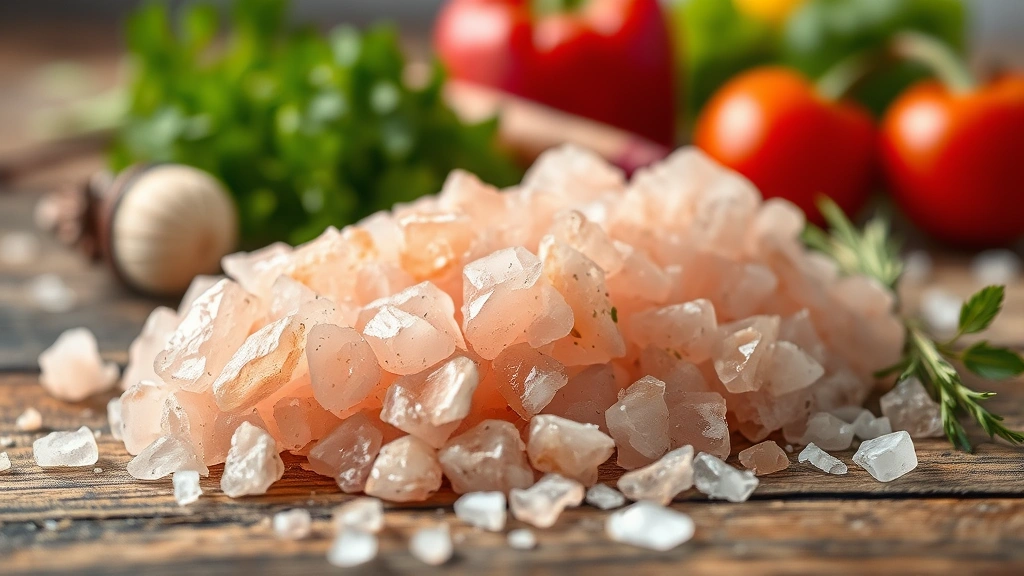
Pink Himalayan salt is mined from salt deposits in the Punjab region of Pakistan, near the foothills of the Himalayas. It contains trace minerals including potassium, magnesium, and calcium alongside sodium chloride. The pink color comes from iron oxide and other mineral compounds naturally present in the salt deposits.
Compared to standard table salt, pink salt contains:
- Lower sodium content per serving (slightly less dense)
- Trace minerals that comprise about 2% of the salt
- No anti-caking agents like those found in refined table salt
- Larger crystal structure that some believe allows better mineral absorption
While these differences are real, they don’t translate into weight loss benefits. The mineral content in a typical serving of pink salt is negligible compared to what you’d get from a balanced diet. A teaspoon of pink salt contains roughly 380 milligrams of sodium—comparable to table salt—and the trace minerals are present in such small quantities that they contribute minimally to daily nutritional needs.
The Pink Salt Weight Loss Claims Explained
The viral pink salt weight loss trend typically involves one of these claims:
- Metabolic boost: Pink salt supposedly increases metabolism and burns fat faster
- Appetite suppression: Drinking salt water reduces hunger and calorie intake
- Detoxification: Pink salt removes toxins that supposedly prevent weight loss
- Electrolyte balance: Better mineral balance accelerates fat burning
- Digestive improvement: Enhanced digestion leads to faster weight loss
These claims are particularly appealing because they suggest weight loss is possible without diet or exercise changes. Unfortunately, this is precisely why they’re misleading. Weight loss requires a caloric deficit—consuming fewer calories than you burn. No salt, pink or otherwise, can override this fundamental principle.
The mechanism behind these claims often involves vague references to electrolytes, metabolism, and detoxification—terms that sound scientific but are used incorrectly in the context of salt and weight loss. Your body already has sophisticated systems for maintaining electrolyte balance and eliminating waste without requiring special salt supplementation.
What Science Actually Shows
Research on salt and weight loss is clear: there is no credible evidence that pink salt promotes weight loss. A comprehensive review published in the American Journal of Clinical Nutrition found no mechanism by which adding salt to your diet could increase fat burning or reduce body weight.
What studies do show about salt and body weight:
- High sodium intake is associated with water retention, which can increase scale weight temporarily but has no effect on fat loss
- Excessive salt consumption is linked to increased appetite, potentially leading to higher calorie intake
- High sodium diets are associated with increased blood pressure, which poses cardiovascular risks
- Salt doesn’t affect metabolism in the way weight loss promoters claim
A study from the CDC examining sodium intake and weight management found that reducing sodium consumption was associated with better weight loss outcomes, not consuming more salt.
The trace minerals in pink salt are often highlighted as the weight loss mechanism, but this is misleading marketing. The amounts present are so minimal that they provide negligible nutritional benefit. For example, a teaspoon of pink salt contains only about 24 milligrams of potassium—less than 1% of the daily recommended intake—while a single banana provides over 400 milligrams.
How Salt Affects Your Body and Metabolism
Understanding how salt actually works in your body helps explain why the pink salt weight loss trend doesn’t hold up. Your metabolism—the process of converting food into energy—is regulated by your thyroid, hormones, physical activity, and muscle mass. Salt plays no significant role in this process.
What salt does affect:
Fluid Balance: Salt regulates water retention in your body. When you consume excess salt, your body retains more water to maintain proper electrolyte balance. This increases scale weight but is temporary and not fat loss. Once you normalize sodium intake, excess water weight is typically lost within days.
Blood Pressure: Sodium affects blood vessel function and fluid volume, which influences blood pressure. This is why health organizations recommend limiting sodium intake—excessive salt increases cardiovascular disease risk, not because it prevents weight loss, but because it strains your heart and blood vessels.
Appetite Regulation: Interestingly, high sodium intake can actually increase appetite. Research shows that salty foods stimulate hunger signals, potentially leading to increased calorie consumption—the opposite of what weight loss requires.
Mineral Absorption: While your body does need electrolytes like potassium, magnesium, and calcium, these are best obtained from whole foods like leafy greens, nuts, seeds, and fruits. The trace amounts in pink salt are insufficient for meaningful nutritional support.
If you’re interested in optimizing your metabolism, focus on strategies with actual evidence: how to improve metabolic rate through exercise, adequate protein, quality sleep, and stress management.
Real Strategies That Actually Work for Sustainable Weight Loss
Instead of chasing trends like the pink salt trick, evidence-based weight loss relies on proven strategies:
Create a Caloric Deficit
Weight loss fundamentally requires consuming fewer calories than you burn. This doesn’t mean extreme restriction—a moderate deficit of 500-750 calories daily typically results in 1-1.5 pounds of fat loss weekly. Calculate your daily calorie needs as a starting point, then adjust based on your goals and progress.
Prioritize Protein Intake
Protein is essential for weight loss because it increases satiety, preserves muscle mass during caloric deficit, and has a higher thermic effect than carbohydrates or fats. Aim for 0.7-1 gram of protein per pound of body weight daily. Good sources include lean meats, fish, eggs, dairy, legumes, and plant-based options.
Incorporate Regular Exercise
Physical activity supports weight loss by increasing calorie expenditure and preserving muscle mass. Both cardiovascular exercise and resistance training are valuable. Research shows that timing your exercise strategically can enhance results, though consistency matters more than timing.
Focus on Whole Foods
Processed foods are calorie-dense and nutrient-poor, making it easy to overeat. Whole foods—vegetables, fruits, lean proteins, whole grains, and healthy fats—provide satiety with fewer calories. They also contain the actual minerals your body needs, unlike pink salt.
Track Your Progress Accurately
Scale weight fluctuates daily based on water retention, digestion, hormones, and sodium intake. For a more complete picture, track body measurements and progress photos alongside weight. This prevents discouragement from temporary water weight changes.
Maintain Long-Term Habits
Weight loss is only meaningful if you maintain it. Rather than following trends, develop sustainable eating and exercise habits. How to maintain weight loss requires consistency with nutrition, physical activity, and lifestyle choices that you can sustain indefinitely.
Use Technology and Support Systems
Many people find success with structured approaches. Weight loss and fitness apps can help track calories, monitor workouts, and provide accountability. Working with a registered dietitian or certified health coach can also significantly improve outcomes.
According to research from the Academy of Nutrition and Dietetics, people who work with registered dietitian nutritionists lose more weight and maintain it better than those following trends alone.
FAQ
Is pink salt better than regular table salt for weight loss?
No. Both pink salt and table salt contain similar amounts of sodium and have no weight loss benefits. The trace minerals in pink salt are present in amounts too small to meaningfully affect your body or metabolism. If anything, the lower anti-caking agents in pink salt don’t provide an advantage—the sodium content and metabolic effects are virtually identical.
Can drinking salt water help you lose weight?
No. Drinking salt water may temporarily increase water retention and bloating, making you feel heavier. It can also increase thirst and potentially lead to dehydration if not balanced with adequate fresh water. Some people use salt water for digestive purposes, but this has no connection to fat loss.
Does pink salt boost metabolism?
No. Metabolism is regulated by thyroid hormones, physical activity, muscle mass, age, and genetics—not by salt consumption. While your body does need sodium for nerve function and muscle contraction, the amount is modest and easily obtained from normal food intake. Extra sodium doesn’t increase calorie burning.
Why is the pink salt trend so popular if it doesn’t work?
Trending weight loss claims succeed because they offer simplicity and hope. They suggest you can lose weight without the hard work of changing eating habits or exercising. Additionally, any initial weight loss someone experiences might be attributed to the salt when it’s actually from increased awareness of their diet or placebo effect. Social media amplifies these claims without requiring scientific evidence.
What should I do instead of trying the pink salt trick?
Focus on evidence-based strategies: create a moderate caloric deficit, eat adequate protein, exercise regularly, prioritize whole foods, and track your progress. If you’re struggling, consult a registered dietitian nutritionist who can provide personalized guidance based on your health status and goals.
Is pink salt safe to consume regularly?
Like regular salt, pink salt is safe in moderate amounts but problematic in excess. Health organizations recommend limiting sodium to 2,300 milligrams daily. Consuming large amounts of pink salt—whether for weight loss or any other reason—can contribute to high blood pressure and cardiovascular disease risk. The trace minerals don’t offset the sodium concerns.


