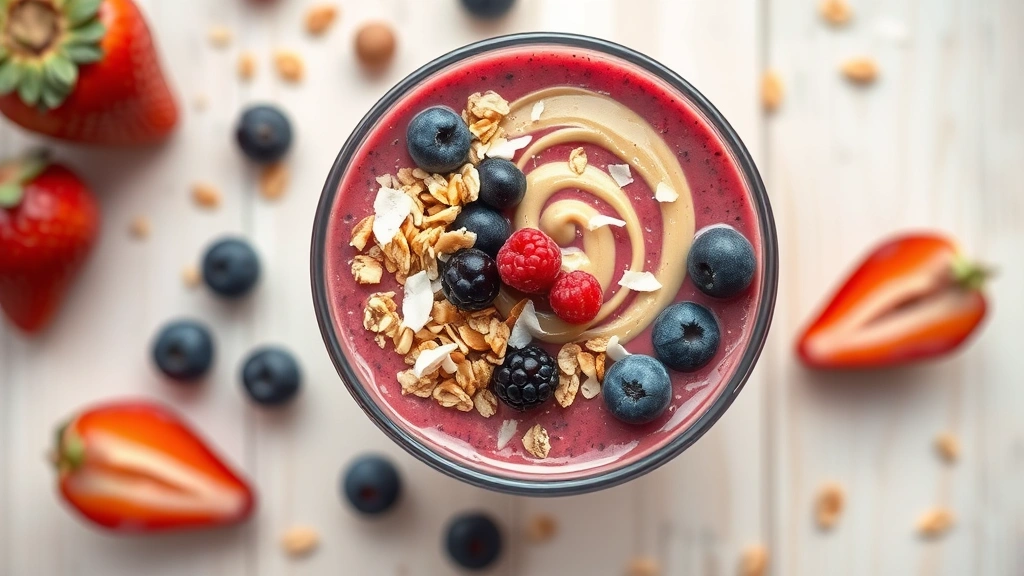
Top Smoothie Recipes for Weight Loss: Nutritionist Picks
Smoothies have become a cornerstone of modern weight loss strategies, offering a convenient way to pack nutrients into a single glass. When formulated correctly, smoothie recipes for weight loss can provide sustained energy, promote satiety, and support your metabolic goals. The key lies in understanding which ingredients work synergistically to create a beverage that nourishes rather than sabotages your progress.
As a weight loss nutrition specialist, I’ve seen countless clients transform their results by incorporating strategically designed smoothies into their daily routine. These aren’t indulgent dessert drinks—they’re carefully balanced meals or snacks engineered to keep you satisfied, energized, and on track toward your health goals. This guide presents my top picks, backed by nutritional science and real-world results.
Why Smoothies Work for Weight Loss
Smoothies support weight loss through multiple mechanisms. First, they increase satiety—the feeling of fullness that prevents overeating. A well-designed smoothie containing protein, fiber, and healthy fats creates a sustained release of glucose into your bloodstream, stabilizing blood sugar and reducing cravings. Research from the American Journal of Clinical Nutrition demonstrates that protein-rich beverages significantly reduce subsequent calorie intake compared to lower-protein alternatives.
Second, smoothies provide portion control. Rather than estimating serving sizes of individual ingredients, you’re creating a measured, contained meal. This removes guesswork from your nutrition plan and aligns with how to calculate daily calorie needs for sustainable weight loss. Third, smoothies deliver micronutrients efficiently. Blending fruits, vegetables, and protein sources creates a nutrient-dense beverage that supports metabolic function, energy production, and hormonal balance—all critical for successful weight loss.
The convenience factor cannot be overstated. When healthy smoothies are readily available, you’re less likely to reach for processed snacks or drive-thru meals. This behavioral advantage often determines long-term compliance and results.
Essential Smoothie Components
Every successful weight loss smoothie contains four foundational elements:
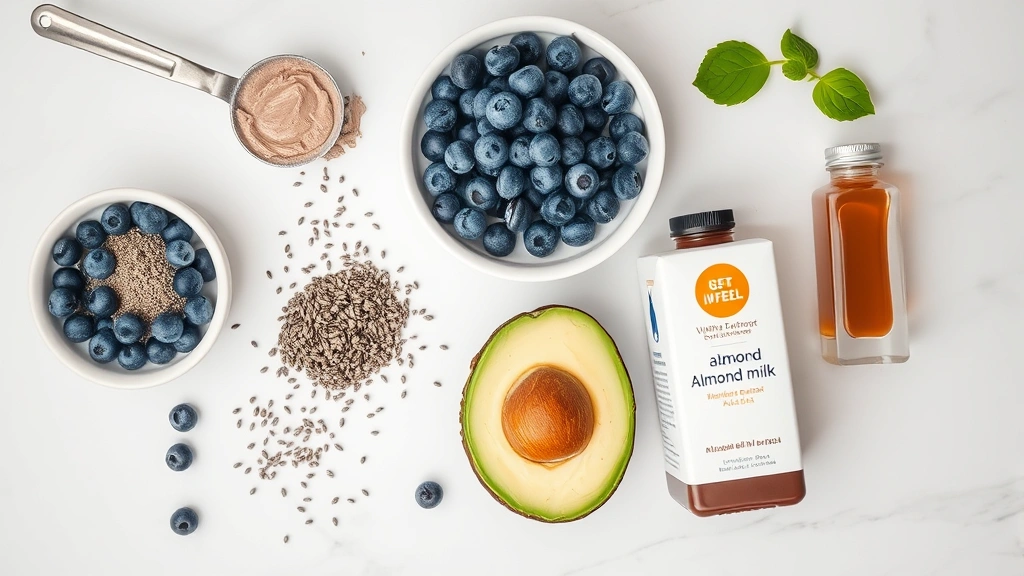
- Protein Source: Whey protein powder, plant-based protein powder, Greek yogurt, cottage cheese, or nut butters provide the protein foundation essential for weight loss and protein intake. Aim for 20-30 grams per smoothie.
- Liquid Base: Unsweetened almond milk, coconut water, or water keep calorie content minimal while providing volume. Avoid sweetened varieties and fruit juices.
- Fiber Source: Ground flaxseed, chia seeds, or psyllium husk add viscosity and promote digestive health. These ingredients slow gastric emptying, extending satiety.
- Produce: Spinach, kale, berries, and frozen banana provide vitamins, minerals, and phytonutrients without excessive calories. Frozen options prevent dilution from melting ice.
Optional additions include healthy fats (avocado, MCT oil), spices (cinnamon, turmeric), and adaptogenic powders. The critical principle: every ingredient should serve a nutritional purpose.
Top 5 Nutritionist-Approved Recipes
Recipe 1: The Protein-Packed Green Machine
Ingredients: 1 cup unsweetened almond milk, 1 scoop vanilla whey protein, 2 cups fresh spinach, ½ frozen banana, ½ cup frozen blueberries, 1 tablespoon ground flaxseed, ½ teaspoon vanilla extract
Nutritional Profile: 180 calories | 25g protein | 18g carbs | 4g fat | 4g fiber
This recipe delivers maximum nutrition in minimal calories. Spinach provides iron and magnesium while remaining virtually tasteless, masked by berry flavors. The flaxseed contributes omega-3 fatty acids and soluble fiber, both supporting metabolic health. This smoothie works excellently as a post-workout recovery drink or breakfast replacement, providing the protein necessary for strength training exercises for weight loss recovery.
Recipe 2: The Creamy Peanut Butter Power Blend
Ingredients: 1 cup unsweetened almond milk, 1 scoop chocolate protein powder, 1 tablespoon natural peanut butter, ½ frozen banana, 1 tablespoon unsweetened cocoa powder, 1 tablespoon chia seeds, ice
Nutritional Profile: 215 calories | 22g protein | 20g carbs | 7g fat | 5g fiber
Peanut butter satisfies cravings for indulgent flavors while providing monounsaturated fats that support hormonal function. The combination of chocolate and peanut butter creates psychological satisfaction, reducing the likelihood of seeking additional snacks. Chia seeds expand in liquid, creating a thicker consistency that promotes satiety. This recipe proves weight loss doesn’t require deprivation.
Recipe 3: The Tropical Metabolism Booster
Ingredients: 1 cup coconut water, 1 scoop vanilla protein powder, ½ cup frozen pineapple, ½ cup frozen mango, 1 tablespoon coconut oil, ¼ teaspoon turmeric, handful of ice
Nutritional Profile: 195 calories | 20g protein | 22g carbs | 6g fat | 2g fiber
Tropical fruits provide bromelain and papain—enzymes supporting digestive function. Coconut oil contains medium-chain triglycerides (MCTs) that may enhance fat oxidation. Turmeric offers anti-inflammatory properties, supporting recovery and metabolic efficiency. This smoothie works particularly well for individuals who exercise regularly and need post-workout carbohydrate replenishment.
Recipe 4: The Berry Antioxidant Blast
Ingredients: 1 cup unsweetened almond milk, 1 scoop vanilla protein, ½ cup frozen strawberries, ½ cup frozen raspberries, ½ cup frozen blueberries, 2 tablespoons Greek yogurt, 1 tablespoon ground flaxseed
Nutritional Profile: 165 calories | 24g protein | 16g carbs | 3g fat | 4g fiber
This recipe maximizes antioxidant density. Berries contain anthocyanins, resveratrol, and quercetin—compounds that reduce oxidative stress and support cellular health. The combination of three berry types ensures diverse phytonutrient profiles. Greek yogurt adds creaminess and additional protein without excess calories. This smoothie supports metabolic rate improvement through enhanced cellular function.
Recipe 5: The Creamy Avocado Dream
Ingredients: 1 cup unsweetened coconut milk, 1 scoop vanilla protein, ½ avocado, ½ frozen banana, ½ cup spinach, 1 tablespoon almond butter, pinch of sea salt
Nutritional Profile: 235 calories | 18g protein | 19g carbs | 11g fat | 5g fiber
Avocado provides lutein, potassium, and healthy fats supporting cardiovascular health and hormone production. Despite higher calorie content, the fat density promotes extended satiety. Coconut milk adds richness without refined sugars. This smoothie suits individuals with higher activity levels or those following higher-fat nutritional approaches.
Protein and Satiety Strategy
Protein represents the most critical macronutrient for weight loss smoothies. A meta-analysis in Nutrients journal confirmed that increased protein intake enhances satiety, reduces hunger hormones, and supports lean muscle preservation during caloric restriction.
Aim for 20-30 grams of protein per smoothie. Quality sources include:
- Whey protein isolate (fast-absorbing, high bioavailability)
- Plant-based protein blends (suitable for vegans, often containing pea and brown rice protein)
- Greek yogurt (provides probiotics and calcium)
- Cottage cheese (casein-rich, slower digestion)
- Nut butters (combined with other protein sources)
The protein-to-calorie ratio matters significantly. A 180-calorie smoothie containing 25 grams of protein provides superior satiety compared to a 250-calorie smoothie with 15 grams of protein. This efficiency aligns with sustainable weight management principles.
Common Smoothie Mistakes
Despite good intentions, many people sabotage their weight loss through smoothie preparation errors:
- Excessive Fruit: More than one cup of fruit rapidly increases natural sugar content. Prioritize lower-sugar options like berries over mangoes and pineapples.
- Sweetened Additions: Flavored yogurts, sweetened nut butters, and honey add unnecessary calories. Read labels carefully; many “healthy” ingredients contain 5+ grams of added sugar per serving.
- Insufficient Protein: Fruit-only smoothies spike blood sugar without promoting satiety, often leaving you hungrier within 90 minutes.
- Oversized Portions: Blenders make it easy to create 500+ calorie drinks while perceiving them as “healthy.” Use measuring cups; don’t estimate.
- Liquid Overload: Excessive liquid dilutes nutrients and reduces satiety. Use just enough to blend; thicker smoothies promote greater fullness.
- Neglecting Fiber: Smoothies without seeds, ground flaxseed, or vegetable fiber lack the satiety-promoting properties that support long-term compliance.
These mistakes transform weight loss smoothies into calorie-dense treats that undermine progress. Awareness and intentional preparation prevent these pitfalls.
Timing and Frequency
Strategic smoothie timing maximizes weight loss benefits. Consider these applications:
As Breakfast Replacement: A protein-rich smoothie consumed within 30 minutes of waking stabilizes morning blood sugar and extends satiety through mid-morning. This approach reduces subsequent snacking and supports consistent progress tracking through reduced calorie variability.
Post-Workout Recovery: Consuming a smoothie within 30-60 minutes after resistance training supports muscle protein synthesis. The carbohydrate content replenishes glycogen stores, while protein initiates repair processes. This timing optimizes training adaptations and supports body composition improvements.
Afternoon Energy Stabilizer: A mid-afternoon smoothie prevents the 3 PM energy crash that often triggers snacking. This strategic intervention reduces total daily calorie intake without requiring willpower.
Frequency Recommendations: Most individuals benefit from one to two smoothies daily. More frequent consumption risks replacing whole foods, which provide superior satiety and micronutrient density. Less frequent consumption misses the behavioral benefits of having convenient, healthy options available.
Avoid smoothies immediately before meals, as their liquid nature doesn’t trigger adequate satiety signals to reduce subsequent food intake. Always consume smoothies with intention, not as supplements to existing meals.
FAQ
Can I use frozen fruit instead of fresh?
Absolutely. Frozen fruit often contains superior nutrient profiles compared to fresh fruit shipped long distances. Freezing preserves antioxidants and phytonutrients. Additionally, frozen fruit prevents smoothie dilution from melting ice, creating thicker, more satisfying beverages. Choose unsweetened frozen options without added sugars.
Is protein powder necessary for weight loss smoothies?
Protein powder dramatically simplifies achieving adequate protein intake without excess calories. However, alternatives exist: Greek yogurt, cottage cheese, and nut butters provide protein, though requiring larger portions. Protein powder offers convenience and consistency, particularly for busy individuals prioritizing compliance.
How long do homemade smoothies stay fresh?
Consume smoothies immediately after blending for optimal nutrient retention. If preparing ahead, refrigerate for up to 24 hours in an airtight container. Separate liquid components from solid ingredients when possible; add liquids immediately before consuming to prevent separation and nutrient oxidation.
Can smoothies replace meals completely?
Smoothies work excellently as occasional meal replacements but shouldn’t comprise your entire diet. Whole foods provide superior satiety through mechanical digestion and chewing, which triggers neurological fullness signals. A balanced approach incorporates smoothies strategically while maintaining whole food meals.
What if I have a sensitive stomach?
Start with smaller smoothie portions to assess tolerance. Include easily digestible ingredients initially: banana, berries, and vanilla protein. Gradually introduce fiber-rich additions like chia seeds and ground flaxseed. If digestive distress persists, consult a registered dietitian to identify specific sensitivities.
Are store-bought smoothies comparable to homemade?
Most commercial smoothies contain excessive added sugars, often 40+ grams per serving. Additionally, pasteurization reduces certain heat-sensitive nutrients. Homemade smoothies provide superior control over ingredients, nutritional content, and cost-effectiveness. Prepare your own whenever possible.


