Is Weight Loss Dog Food Effective? Vet Insights
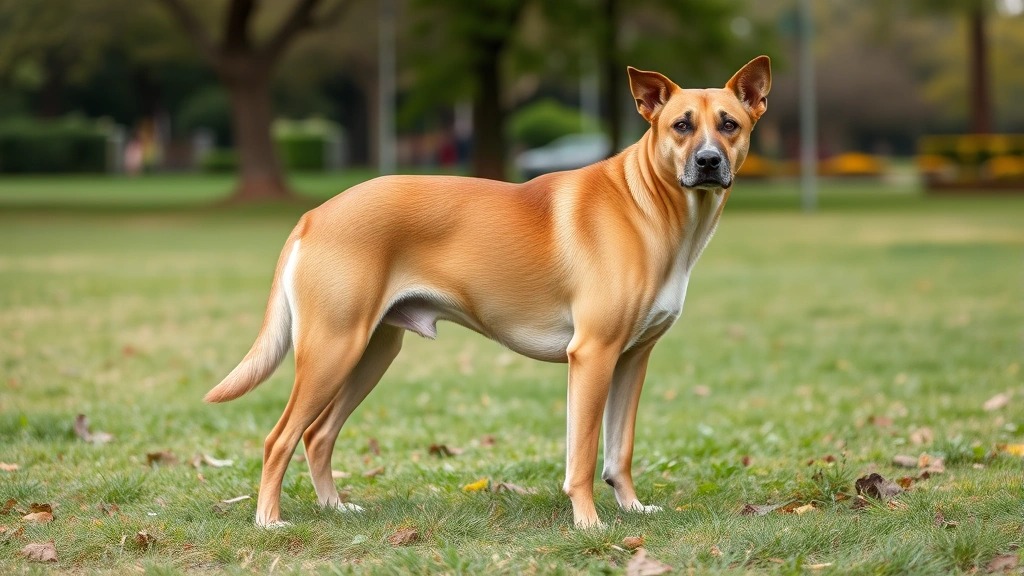
If your furry companion is carrying extra pounds, you’re not alone. Canine obesity affects millions of dogs worldwide, leading to serious health complications including joint problems, diabetes, and heart disease. Many pet owners turn to weight loss dog food as a solution, hoping specialized formulas can help their dogs shed excess weight safely and effectively. But does it actually work, and what do veterinarians really think about these products?
The answer isn’t as simple as switching to a diet formula. While weight loss dog food can be a valuable tool in your pet’s weight management journey, it’s most effective when combined with proper exercise, portion control, and veterinary guidance. This comprehensive guide explores what veterinarians know about weight loss dog food, how it works, and whether it’s the right choice for your canine companion.
How Weight Loss Dog Food Works
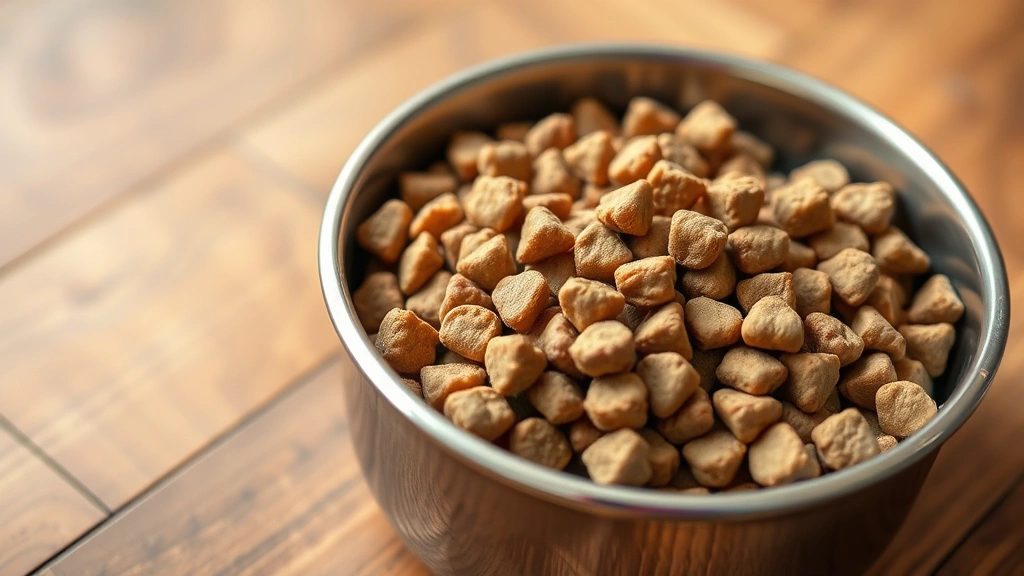
Weight loss dog food operates on the same fundamental principle that applies to humans: creating a calorie deficit. When dogs consume fewer calories than they burn, their bodies tap into stored fat reserves, resulting in gradual weight loss. However, the mechanism is more sophisticated than simple calorie reduction.
These specialized formulas are designed to maintain your dog’s muscle mass while promoting fat loss—a concept similar to understanding how to lose fat without losing muscle in humans. Quality weight loss dog foods contain elevated protein levels that help preserve lean muscle tissue during the weight reduction process. This is crucial because muscle tissue is metabolically active and helps maintain a healthy metabolism.
The fiber content in weight loss formulas also plays a significant role. Higher fiber promotes satiety, meaning your dog feels fuller longer after eating smaller portions. This addresses one of the biggest challenges in canine weight loss: managing hunger and preventing begging behaviors that undermine the diet plan.
Additionally, these foods typically contain controlled fat levels and balanced micronutrients to ensure your dog receives complete nutrition despite consuming fewer total calories. The caloric density is deliberately reduced, allowing dogs to eat reasonable portion sizes while maintaining the calorie deficit necessary for weight loss.
Key Ingredients and Nutritional Components
Effective weight loss dog foods share several common nutritional characteristics that set them apart from maintenance formulas. Understanding these components helps you evaluate whether a particular product is genuinely designed for weight management.
Protein Content: Quality weight loss formulas typically contain 25-35% protein on a dry matter basis. This elevated protein level is essential for preserving muscle mass and supporting metabolic function. Just as humans benefit from weight loss and high protein diet strategies, dogs thrive when their weight loss diet prioritizes protein sources.
Fiber Enhancement: Soluble and insoluble fiber typically comprise 10-15% of weight loss formulas. Common fiber sources include beet pulp, cellulose, and pumpkin. These ingredients increase digestive bulk without adding significant calories, promoting feelings of fullness and supporting healthy digestion.
Fat Modulation: While fat is essential for dogs, weight loss formulas reduce fat content to 8-12% (compared to 15-20% in regular maintenance foods). This reduction decreases overall caloric density without eliminating the essential fatty acids dogs require for skin, coat, and organ health.
Micronutrient Density: Because weight loss foods are calorie-restricted, they must be nutrient-dense. Vitamins, minerals, and antioxidants are often added in higher concentrations to ensure dogs receive adequate nutrition despite eating smaller quantities.
Digestibility: High-quality weight loss formulas use highly digestible ingredients and cooking methods that maximize nutrient absorption. This ensures that even with reduced portions, your dog extracts maximum nutritional benefit from each meal.
What Veterinarians Say About Effectiveness
Veterinary professionals generally agree that weight loss dog food can be effective, but with important caveats. The American Animal Hospital Association recommends weight management as a critical component of preventive veterinary care, and specialized diet foods are often part of this strategy.
Dr. research from the American Veterinary Medical Association indicates that dogs on calorie-restricted diets combined with exercise lose weight more effectively than those on diet alone. However, the diet itself is only one piece of the puzzle. Veterinarians emphasize that weight loss dog food is most effective when:
- Used as part of a comprehensive weight management plan that includes increased physical activity
- Combined with proper calorie calculation for your specific dog’s needs
- Implemented under veterinary supervision with regular monitoring
- Paired with behavioral modifications and elimination of high-calorie treats
- Supported by family commitment to consistent feeding practices
One significant finding from veterinary studies is that weight loss success depends heavily on owner compliance. Dogs don’t gain weight independently—environmental factors like overfeeding, excessive treats, and insufficient exercise are primary culprits. Even the best weight loss food can’t overcome a household that consistently provides additional calories outside the diet plan.
Veterinarians also note that certain dogs respond better to weight loss diets than others. Dogs with thyroid issues, metabolic disorders, or on medications that affect appetite may require additional interventions beyond diet food alone. This is why professional veterinary guidance is essential before starting any weight loss program.
Comparing Weight Loss Food to Regular Diet Food
Not all diet dog foods are created equal, and understanding the differences between weight loss formulas and regular maintenance foods is crucial for making informed decisions.
Caloric Content: Weight loss formulas typically contain 300-350 calories per cup, compared to 350-450 calories in regular maintenance foods. This 20-30% reduction in caloric density is significant when considering daily intake.
Protein Levels: Weight loss formulas emphasize protein more heavily than standard formulas. This isn’t just marketing—the protein-to-calorie ratio in weight loss foods is optimized for fat loss while preserving lean tissue.
Fiber Composition: Regular dog foods contain moderate fiber (3-5%), while weight loss formulas often contain double or triple this amount. The increased fiber is specifically engineered to promote satiety.
Palatability Considerations: Some dog owners worry that weight loss foods taste less appealing. Quality weight loss formulas use flavor enhancement techniques and ingredient selection to maintain palatability despite being lower in fat (which carries flavor). However, some dogs may require an adjustment period.
Cost Differential: Weight loss dog foods typically cost 20-40% more than standard formulas. This premium reflects the specialized formulation, higher-quality ingredients, and nutritional optimization required for effective weight loss.
Implementing a Weight Loss Plan for Your Dog
Switching to weight loss dog food is a significant step, but successful implementation requires a structured approach. Here’s how veterinarians recommend proceeding:
Step 1: Veterinary Assessment
Before starting any weight loss program, schedule a comprehensive veterinary examination. Your vet will assess your dog’s current health status, identify any underlying conditions that might affect weight loss, and determine an appropriate target weight based on breed standards and individual body composition.
Step 2: Establish Baseline Metrics
Document your dog’s current weight, body condition score (rated on a 1-9 scale), and take baseline photographs from multiple angles. These metrics help you track progress objectively and maintain motivation throughout the weight loss journey.
Step 3: Calculate Caloric Needs
Work with your veterinarian to calculate your dog’s daily caloric requirements. Most weight loss programs aim for a 25-30% calorie reduction from maintenance levels, typically resulting in loss of 1-2% of body weight per week. This gradual approach prevents metabolic adaptation and maintains muscle mass.
Step 4: Gradual Transition
Never switch dog foods abruptly. Gradually transition to the new weight loss formula over 7-10 days, mixing increasing proportions of the new food with the old food. This prevents digestive upset and allows your dog to acclimate to the new taste and formula.
Step 5: Eliminate Hidden Calories
This is often the most challenging step for pet owners. All treats, table scraps, and additional foods must be eliminated or strictly accounted for within the daily caloric allotment. Even “healthy” treats like carrots and green beans contain calories that must be deducted from the main meal portion.
Step 6: Increase Physical Activity
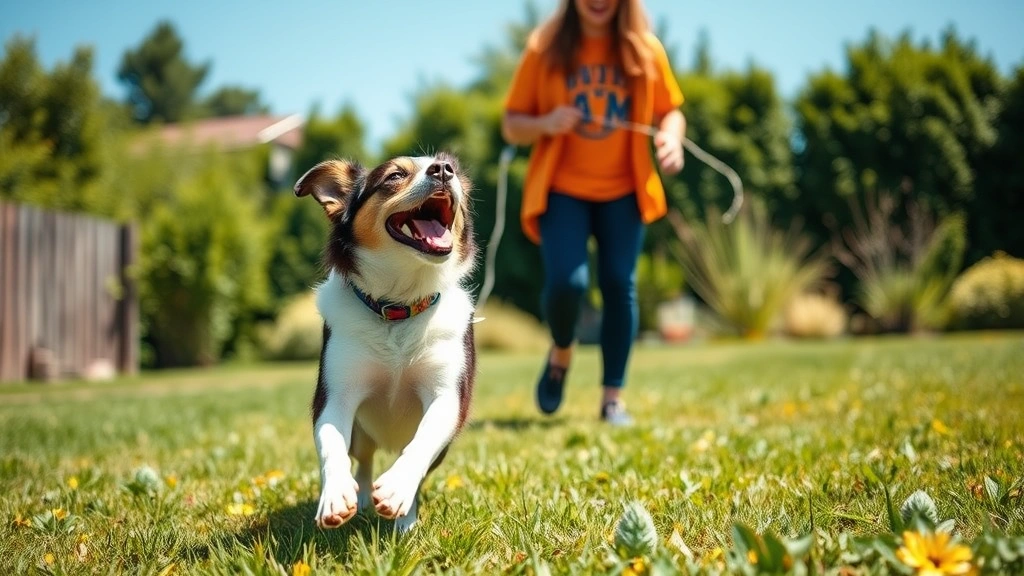
Combine dietary changes with increased exercise. Most dogs benefit from 45-60 minutes of moderate activity daily. This might include walks, swimming, or interactive play. Exercise supports weight loss, improves cardiovascular health, and enhances mental well-being. Learn more about effective strategies in our guide to best aerobic exercises for fat loss, principles which apply to canine fitness as well.
Common Mistakes Pet Owners Make
Even with the best weight loss dog food, several common errors undermine success. Being aware of these pitfalls helps you avoid them:
Overestimating Portion Sizes: Many pet owners feed more than the recommended amount, thinking “a little extra won’t hurt.” Weight loss requires precision. Use a measuring cup rather than estimating by eye, and follow the feeding guidelines on the package adjusted for your dog’s specific caloric target.
Forgetting About Treats: Treats can comprise 10-20% of daily calories and are frequently forgotten when calculating intake. All treats must be counted, and many weight loss plans recommend replacing traditional treats with low-calorie alternatives like air-popped popcorn (unsalted) or frozen green beans.
Family Inconsistency: Weight loss fails when some family members consistently sneak extra food or treats. Everyone in the household must commit to the plan. This is particularly challenging with children who may not understand why they can’t give the dog “just one treat.”
Insufficient Exercise: Diet alone cannot achieve optimal weight loss results. Without increased physical activity, weight loss is slower and muscle loss is greater. Exercise is not optional—it’s essential for healthy weight management.
Switching Foods Too Frequently: Some owners become discouraged if results aren’t immediate and switch to different weight loss formulas. Give each food at least 8-12 weeks to demonstrate effectiveness, as weight loss is gradual.
Ignoring Veterinary Monitoring: Regular check-ins with your veterinarian help track progress, adjust portions as needed, and identify any health issues that might develop during weight loss. Skip these appointments and you lose valuable objective feedback.
Expected Timeline and Results
Understanding realistic expectations helps maintain motivation throughout your dog’s weight loss journey. Healthy canine weight loss follows predictable patterns:
Weeks 1-2: Initial weight loss may be rapid (2-4 pounds) as your dog’s body adjusts to reduced calories and your household adapts to the new routine. Much of this initial loss is water weight, not fat loss.
Weeks 3-8: Weight loss typically stabilizes at 1-2 pounds per week, depending on your dog’s size, metabolism, and activity level. This is the ideal rate for sustainable fat loss while preserving muscle tissue. Progress may plateau occasionally—this is normal and typically temporary.
Months 3-6: By this point, visible changes become apparent. Your dog’s waist should be more defined, ribs should be palpable (but not visibly protruding), and energy levels often improve significantly. Many owners report behavioral improvements as their dogs become more active and comfortable.
Long-term Maintenance: Once your dog reaches target weight, transition to a maintenance formula and adjust portions accordingly. Successful long-term weight management requires the same commitment that achieved initial weight loss. Learn strategies for success in our comprehensive guide on how to maintain weight loss.
The timeline varies significantly based on individual factors. A 20-pound Beagle might reach target weight in 4-6 months, while a 100-pound Labrador might require 6-12 months. Patience is essential—rapid weight loss often leads to rebound weight gain and metabolic complications.
Research from PubMed Central demonstrates that dogs losing weight at 1-2% of body weight weekly have the best long-term outcomes. Faster weight loss frequently results in muscle loss, metabolic slowdown, and eventual weight regain.
Understanding Metabolic Factors in Canine Weight Loss
Just as metabolic rate improvement affects human weight loss, canine metabolism plays a crucial role in weight management success. Some dogs naturally have faster metabolisms, while others are predisposed to weight gain due to breed characteristics, age, or metabolic disorders.
Senior dogs often require fewer calories than younger adults, while puppies and young adults have higher metabolic demands. Certain breeds, particularly Labrador Retrievers and Beagles, are genetically predisposed to obesity and may require more aggressive dietary management than other breeds.
Thyroid disorders, particularly hypothyroidism, significantly impact weight management. A dog with an underactive thyroid may struggle to lose weight despite dietary compliance. Your veterinarian can perform thyroid testing to rule out this common condition before assuming diet food alone will solve the problem.
Additionally, some medications affect appetite and metabolism. Corticosteroids, for example, increase appetite while potentially slowing metabolism. If your dog is on medications, discuss potential weight management impacts with your veterinarian.
FAQ
How long does it take to see results with weight loss dog food?
Most owners notice visible changes within 6-8 weeks, though weight loss typically begins within the first 2-3 weeks. Significant transformation usually requires 3-6 months depending on your dog’s starting weight and individual metabolism.
Can I use weight loss dog food without increasing exercise?
While diet alone can produce weight loss, results are significantly better when combined with increased physical activity. Exercise supports muscle preservation, improves overall health, and helps prevent weight regain. It’s not optional for optimal results.
Is weight loss dog food safe for all dogs?
Most healthy adult dogs can safely transition to weight loss formulas under veterinary supervision. However, puppies, pregnant or nursing dogs, dogs with certain medical conditions, and those on specific medications may require modified approaches. Always consult your veterinarian before making dietary changes.
What if my dog refuses to eat the weight loss food?
Some dogs resist dietary changes. Try mixing the new food with warm water or low-sodium broth to enhance palatability. Gradual transitions over 2-3 weeks rather than 7-10 days may help. If your dog continues refusing the food, discuss alternative weight loss strategies with your veterinarian.
Can I make homemade weight loss food for my dog?
Homemade diets can work for weight loss but require careful formulation to ensure complete nutrition. Work with a veterinary nutritionist to develop a balanced recipe. Most veterinarians prefer professionally formulated weight loss foods because they’re nutritionally complete and have been tested for effectiveness.
How much weight loss is considered healthy for dogs?
Healthy weight loss is typically 1-2% of body weight per week. For a 100-pound dog, this means 1-2 pounds weekly. Faster weight loss often results in muscle loss and metabolic complications, while slower loss may indicate insufficient calorie reduction.
What happens after my dog reaches target weight?
Transition to a maintenance formula and adjust portions to maintain weight. Continue the exercise routine and dietary discipline that achieved weight loss. Many owners find that maintaining weight loss requires similar commitment to achieving it, as weight regain happens quickly if habits revert.


