
Potatoes and Weight Loss? Nutritionist Explains
The relationship between potatoes and weight loss is more nuanced than most people realize. While potatoes have earned a reputation as a weight-loss villain, the science tells a different story. In fact, when prepared correctly and consumed mindfully, potatoes can be a valuable ally in your weight management journey. This comprehensive guide explores the nutritional science behind potatoes, their role in satiety, and how to incorporate them strategically into a weight-loss plan.
Many people automatically assume that all carbohydrates are problematic for weight loss. However, potatoes contain compounds that may actually support your goals when you understand how to use them effectively. The key lies not in eliminating potatoes entirely, but in understanding preparation methods, portion sizes, and how they fit into your overall caloric intake. Let’s dive into what the research actually shows about this misunderstood vegetable.
Nutritional Profile of Potatoes
A medium-sized potato with skin contains approximately 165 calories, 37 grams of carbohydrates, 4 grams of protein, and minimal fat. More importantly, potatoes are rich in essential micronutrients including potassium, vitamin C, vitamin B6, and manganese. The skin contains significant fiber, particularly when left intact. This nutrient density makes potatoes more beneficial than many processed carbohydrate sources.
Potatoes rank exceptionally high on the Satiety Index, a measure of how filling foods are relative to their calorie content. According to research published in the American Journal of Clinical Nutrition, boiled potatoes ranked higher than whole wheat bread, oatmeal, and brown rice in terms of satiety. This means that potatoes keep you feeling fuller longer compared to many other carbohydrate sources, which can naturally reduce overall calorie intake.
The fiber content in potatoes, particularly when the skin is consumed, supports digestive health and promotes beneficial gut bacteria. A medium potato with skin provides about 3 grams of fiber, contributing to your daily intake target of 25-35 grams. This fiber content is especially important when you’re calculating your daily calorie needs because high-fiber foods help prevent blood sugar spikes that can trigger hunger.
Resistant Starch and Satiety
One of the most fascinating aspects of potatoes for weight loss involves resistant starch. When potatoes are cooked and then cooled, the starch structure changes, creating resistant starch. This type of starch behaves differently than regular starch—your body doesn’t fully digest it, meaning fewer calories are absorbed.
Research from the American Journal of Clinical Nutrition demonstrates that resistant starch increases feelings of fullness and may enhance fat burning during rest. A 2015 study found that people who consumed foods with resistant starch had improved insulin sensitivity and better glucose control. These metabolic improvements can support weight loss efforts by reducing cravings and stabilizing energy levels throughout the day.
To maximize resistant starch content, cook potatoes and refrigerate them for at least 24 hours before eating. You can eat them cold in salads, reheat them gently, or use them in various dishes. This simple technique transforms potatoes into an even more weight-loss-friendly option without changing the food itself. This strategy aligns well with using weight loss and fitness apps to track your food preparation methods and nutritional intake.
Preparation Methods Matter
How you prepare potatoes dramatically impacts their suitability for weight loss. Boiling, baking, steaming, and air-frying are excellent methods that require minimal added fat. A boiled potato with skin contains around 165 calories. However, french fries prepared in oil contain approximately 365 calories per serving, plus added sodium and often trans fats.
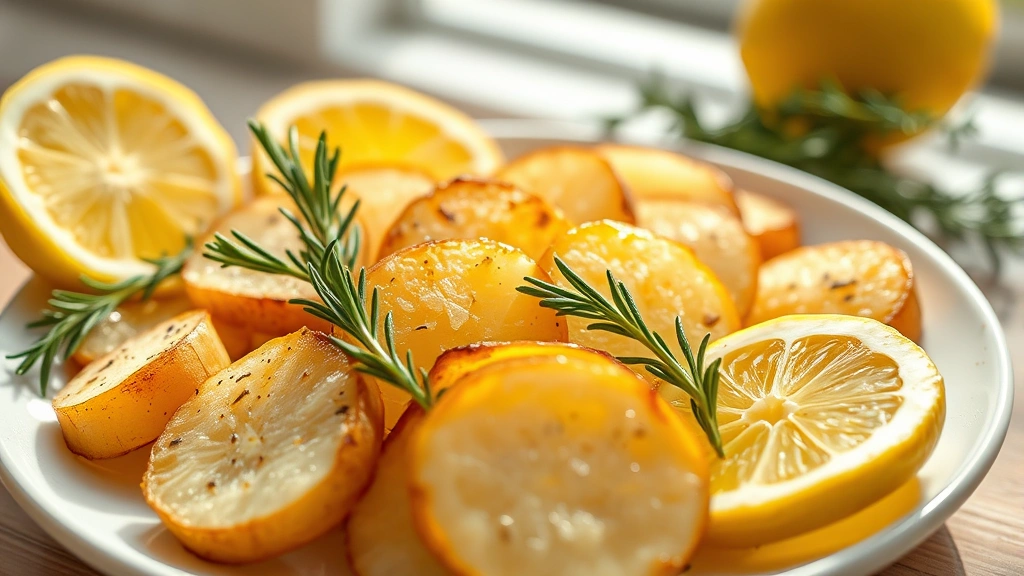
The preparation method significantly affects both calorie content and nutrient retention. Boiling and steaming preserve water-soluble vitamins like vitamin C and B vitamins. Air-frying has become increasingly popular as it provides a crispy texture with minimal oil—using just a light spray compared to deep-frying. Baking potatoes in their skin is another excellent option that maintains nutritional integrity.
Avoid preparations that involve heavy cream, butter, sour cream, cheese, or fried cooking methods if weight loss is your goal. A loaded baked potato with all the toppings can exceed 400-500 calories, while a plain baked potato with skin remains around 165 calories. When dining out, request potatoes prepared simply, and bring your own seasonings if needed. This mindful approach to preparation ensures potatoes support rather than hinder your progress.
Potatoes vs Other Vegetables
When considering the best vegetables for weight loss, potatoes deserve a place at the table alongside leafy greens and cruciferous vegetables. While non-starchy vegetables like spinach and broccoli contain fewer calories and carbohydrates, potatoes offer superior satiety due to their starch content and nutrient density.
The advantage of potatoes lies in their ability to satisfy hunger more effectively than many other vegetables. A cup of broccoli contains about 55 calories and 11 grams of carbs, while a medium potato contains 165 calories and 37 grams of carbs. However, the potato will keep you satisfied longer, potentially preventing you from consuming additional calories elsewhere. This satiety advantage is crucial for sustainable weight loss.
Potatoes also provide more complete nutrition than some vegetables. They contain all essential amino acids, making them a more complete protein source than most vegetables. For individuals following plant-based diets, potatoes become even more valuable as a nutrient-dense carbohydrate that supports both weight management and nutritional adequacy.
How to Include Potatoes in Your Plan
Successfully incorporating potatoes into a weight-loss plan requires understanding portion sizes and preparation methods. A typical serving is one medium potato or about 150 grams. This serving size fits comfortably into most weight-loss calorie targets while providing substantial satiety benefits.
Consider potatoes as your primary carbohydrate source at a meal rather than adding them to meals that already contain significant carbohydrates. For example, a plate with grilled chicken, a medium baked potato, and steamed vegetables creates a balanced, weight-loss-friendly meal. This approach ensures you’re not exceeding your daily calorie needs through carbohydrate accumulation.
Potatoes pair excellently with lean proteins and healthy fats. The combination of protein and potato starch creates optimal satiety. Consider adding a small amount of olive oil for cooking or drizzling over cooled potatoes to improve nutrient absorption and satisfaction. This balanced approach supports both weight loss and nutritional adequacy.
Meal prep strategies work wonderfully with potatoes. Cook a batch of potatoes at the beginning of the week, cool them to develop resistant starch, and portion them into containers. You can then reheat them, add them to salads, or use them in various meal combinations throughout the week. This preparation method saves time and ensures you have weight-loss-friendly options readily available.
Portion Control Strategies
Portion control is essential when including potatoes in a weight-loss plan. Use your hand as a guide: a serving of potatoes should be roughly the size of your closed fist. This natural portion control method helps prevent overconsumption while ensuring adequate carbohydrate intake for energy and satiety.
Measuring tools can also help. One medium potato (about 150 grams) provides approximately 165 calories and serves as an ideal portion for most people. Larger potatoes can be split into two portions or shared as part of a meal. Tracking your intake using weight loss and fitness apps helps you understand how potatoes fit into your daily calorie allowance.
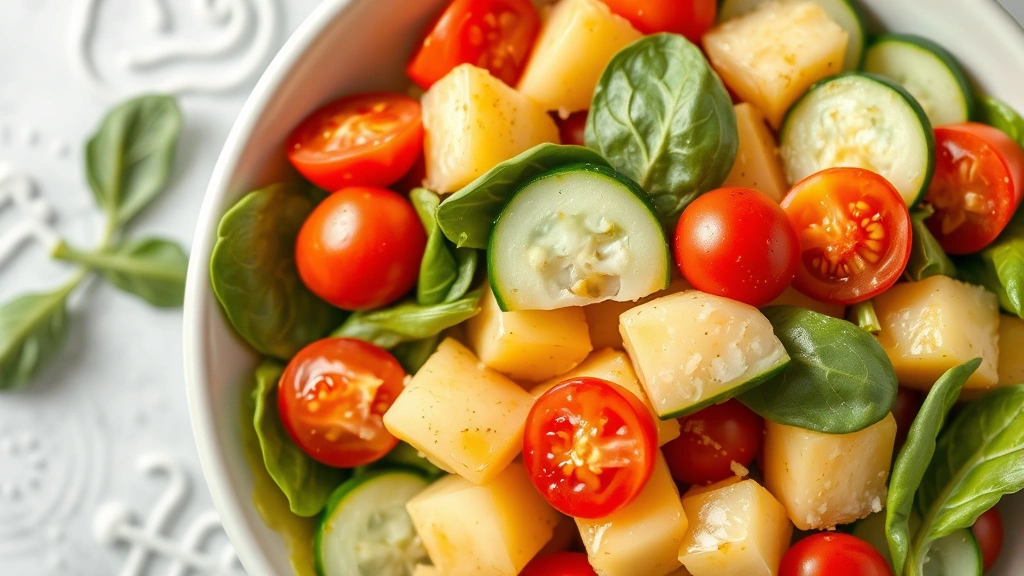
Combining potatoes with fiber-rich vegetables increases volume and satiety without significantly increasing calories. A meal featuring one medium potato, a large portion of steamed broccoli, and grilled fish creates substantial volume that satisfies hunger effectively. This strategy of combining potatoes with non-starchy vegetables optimizes both nutrition and weight loss results.
Avoid eating potatoes in isolation. Always pair them with protein and vegetables to create a balanced meal that maximizes satiety and nutrient absorption. This combination approach prevents blood sugar spikes that can trigger subsequent hunger and cravings, supporting stable energy levels throughout your day.
Complementing your dietary efforts with appropriate exercise enhances results significantly. The best cardio exercises for weight loss work synergistically with dietary changes to create a comprehensive approach. Regular physical activity improves insulin sensitivity, enhances metabolism, and supports the weight loss achieved through mindful eating.
Monitoring your progress through weight loss and body measurements helps you understand how potatoes specifically affect your individual results. Some people respond extremely well to potato-based diets, while others may need to moderate portions more carefully. Individual variation in carbohydrate tolerance means you should track your personal results rather than following generic advice.
FAQ
Are potatoes really good for weight loss?
Yes, potatoes can support weight loss when prepared properly and consumed in appropriate portions. They rank exceptionally high on the Satiety Index, meaning they keep you feeling fuller longer than many other carbohydrate sources. The key is choosing cooking methods that don’t add excessive calories (boiling, baking, steaming) and pairing them with protein and vegetables.
What’s the best way to prepare potatoes for weight loss?
Boiling, baking, steaming, and air-frying are optimal preparation methods that require minimal added fat. Cool cooked potatoes in the refrigerator for at least 24 hours to develop resistant starch, which may enhance satiety and reduce calorie absorption. Avoid fried preparations, heavy cream, butter, and excessive cheese toppings.
How many potatoes can I eat while trying to lose weight?
A medium potato (approximately 150 grams) serves as an ideal portion and contains about 165 calories. This fits comfortably into most weight-loss calorie targets. Use your closed fist as a natural portion guide, and always pair potatoes with protein and non-starchy vegetables for optimal satiety and nutrition.
Do potato skins contain important nutrients?
Absolutely. Potato skins contain significant fiber (about 1.5 grams per medium potato) and many essential minerals including potassium and magnesium. Eating potatoes with the skin intact maximizes nutritional value and fiber content, supporting both digestive health and weight loss through improved satiety.
Can I eat potatoes every day while losing weight?
Yes, potatoes can be included in your diet daily as long as they fit within your calorie and macronutrient targets. Many successful weight-loss approaches include potatoes as a regular carbohydrate source. The important factors are portion size, preparation method, and how potatoes fit into your overall meal structure and daily calorie intake.
Are some types of potatoes better for weight loss than others?
All potato varieties contain similar nutritional profiles, though waxy potatoes (like red potatoes) contain slightly more resistant starch when cooled. Russet potatoes work excellently as well. The variety matters less than the preparation method and portion size. Choose whatever type you prefer and prepare it in a weight-loss-friendly manner.
Should I count potato calories differently because of resistant starch?
While resistant starch may reduce calorie absorption slightly, it’s best to count potatoes at their standard calorie value for tracking purposes. The resistant starch benefit is a bonus that may enhance results, but you shouldn’t rely on it as a significant calorie reduction. Track normally and let the additional satiety be an advantage.


