
Zepbound Weight Loss Reviews: What Real Users Are Saying
Zepbound has emerged as one of the most talked-about weight loss medications in recent years, generating significant interest among individuals struggling with obesity and overweight conditions. As a GLP-1 receptor agonist medication, Zepbound (tirzepatide) has shown remarkable results in clinical trials and real-world settings. However, what matters most to prospective users are the authentic experiences of people who have actually used this medication. This comprehensive review explores genuine user feedback, scientific evidence, and practical insights about Zepbound’s effectiveness for weight loss.
The conversation around prescription weight loss medications has shifted dramatically over the past few years. Where once these treatments were viewed with skepticism or reserved only for extreme cases, they’re now recognized as legitimate medical tools for managing weight. Zepbound specifically has gained attention as an FDA-approved medication that combines two hormone mechanisms to help regulate appetite and blood sugar. Understanding real user experiences can help you make an informed decision about whether this medication might be right for your weight loss journey.
What Is Zepbound and How Does It Work?
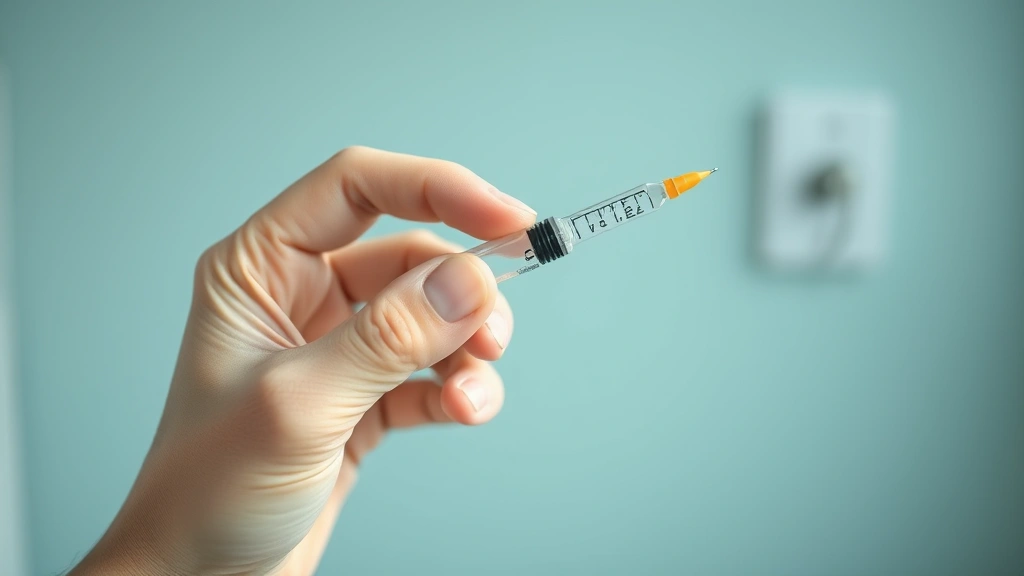
Zepbound is the brand name for tirzepatide, a medication that works through a dual mechanism targeting two hormone receptors in the body: GLP-1 and GIP receptors. This dual action distinguishes it from earlier weight loss medications that only targeted GLP-1 receptors. By activating both pathways, Zepbound helps reduce appetite, increases feelings of fullness, and improves blood sugar regulation. The medication is administered as a weekly subcutaneous injection, making it relatively simple for users to incorporate into their routine.
The medication was originally developed for type 2 diabetes management under the brand name Mounjaro, but its remarkable weight loss effects led to FDA approval specifically for weight management in 2023. Clinical trials demonstrated that users could lose up to 22% of their body weight over approximately one year when combined with lifestyle modifications. This level of effectiveness has made Zepbound a game-changer for many individuals who have struggled with traditional diet and exercise approaches alone.
Understanding how Zepbound works is essential for setting realistic expectations. The medication doesn’t create permanent changes to your metabolism or appetite—its effects are dependent on continued use. This means that maintaining weight loss requires ongoing commitment even while taking the medication. However, many users report that the appetite suppression makes it significantly easier to stick to healthy meal plans for weight loss.

Real User Reviews: Success Stories
When examining authentic user reviews, a clear pattern emerges of significant weight loss success. Many users report losing 15-35 pounds within the first three to six months of treatment. One commonly reported experience involves a dramatic shift in food cravings and eating behavior. Users frequently describe no longer thinking about food constantly and feeling satisfied with smaller portions—changes they attribute directly to Zepbound’s appetite-suppressing effects.
Sarah, a 42-year-old user from Texas, shared her experience after six months on Zepbound: “I’ve tried every diet imaginable. With Zepbound, I finally don’t feel like I’m fighting my own biology. I lost 28 pounds, and more importantly, I don’t obsess over food anymore.” This type of feedback appears consistently across user communities and online forums. The psychological relief of reduced food obsession often resonates as strongly as the actual weight loss numbers.
Another notable theme in user reviews involves improved energy levels and physical capability. Many users report being able to engage in cardio exercises for weight loss more comfortably as they lose weight. Marcus, a 38-year-old from California, noted: “After losing 32 pounds on Zepbound, I can actually run again without my knees hurting. That’s been life-changing for my overall fitness journey.” These secondary benefits often contribute significantly to users’ overall satisfaction with the medication.
Success stories also frequently mention improvements in related health markers. Users report better blood sugar control, reduced blood pressure readings, and improved cholesterol levels. These metabolic improvements often occur alongside weight loss, providing additional health benefits beyond the scale. According to CDC obesity statistics, weight loss medications that improve these markers represent significant advances in obesity medicine.
Common Challenges Users Report
While success stories dominate positive reviews, it’s important to acknowledge challenges that users have experienced. The most frequently reported difficulty involves gastrointestinal side effects, particularly in the early weeks of treatment. Nausea, constipation, and changes in bowel habits affect a significant percentage of users initially. However, most users report that these effects diminish substantially after the first few weeks as their bodies adjust.
Some users report difficulty adjusting their eating patterns to match their reduced appetite. This might seem counterintuitive, but several users describe struggling to eat enough food, especially in the early days of treatment. One user noted feeling uncomfortably full after eating only a small portion of their usual meals. This adjustment period typically lasts a few weeks, after which users naturally adapt to smaller meal sizes.
Another challenge users mention involves the medication’s cost and insurance coverage. Zepbound remains expensive for many individuals, and insurance coverage varies widely. Some users have explored weight loss and fitness apps as complementary tools while managing medication costs, combining digital support with pharmaceutical intervention.
Social and psychological adjustments also appear in user reviews. Some individuals describe feeling self-conscious about using a medication for weight loss, despite its legitimate medical status. Others mention challenges explaining their rapid weight loss to friends and family, or navigating social eating situations where the medication’s appetite suppression becomes noticeable.
Weight Loss Results: The Numbers
Examining quantifiable results from user reviews provides important context for expected outcomes. Clinical trial data shows that participants using Zepbound lost an average of 21-22% of their body weight over approximately 68 weeks when combined with lifestyle modifications. Real-world user reviews generally align with these figures, though individual results vary considerably.
Users with starting weights around 250 pounds commonly report losing 30-50 pounds over six to twelve months. Those starting at higher weights sometimes achieve even greater absolute weight loss, while individuals with less weight to lose report more modest but still significant results. The variation in outcomes relates to factors including baseline weight, adherence to the medication protocol, dietary choices, and physical activity levels.
An important distinction appears in user reviews between rapid initial weight loss and sustained long-term results. Most users experience significant weight loss in the first three months, often losing 10-15 pounds. Weight loss typically continues but at a slower pace in subsequent months. By month six, many users have reached a plateau where weight loss slows considerably, though some continue losing weight more gradually throughout the year.
User reviews also highlight that weight loss results depend partly on adherence to lifestyle modifications. Users who combine Zepbound with consistent healthy water intake and regular physical activity tend to report better results than those relying primarily on the medication. This underscores that Zepbound works best as part of a comprehensive weight management approach rather than as a standalone solution.
Side Effects and Tolerance
User reviews provide valuable insights into the side effect profile and how individuals experience them. Nausea appears in approximately 25-40% of user reports, particularly during the dose escalation phase. Most users describe nausea as mild to moderate and manageable, though some report it as more severe. The key finding from user reviews is that nausea typically improves significantly after the first month as the body adjusts to the medication.
Gastrointestinal effects beyond nausea include constipation, diarrhea, and general digestive changes. Users frequently mention that staying well-hydrated and maintaining adequate fiber intake helps manage these effects. Some users specifically credit proper water intake with reducing constipation severity.
Fatigue appears in some user reviews, particularly in the early weeks of treatment. This typically resolves as users adjust to the medication. A few users report experiencing appetite suppression that feels too aggressive initially, describing difficulty eating sufficient calories. This usually normalizes within a few weeks as users adjust to smaller meal portions.
Importantly, user reviews rarely mention serious adverse events, though any medication carries potential risks. Users consistently emphasize the importance of medical supervision when taking Zepbound, with most reviews highlighting regular check-ins with healthcare providers as essential for safe use. According to research from the American Society of Bariatric Physicians, medical supervision significantly improves outcomes and safety profiles.
Cost and Accessibility Concerns
A significant theme throughout user reviews involves medication cost and insurance coverage challenges. Zepbound typically costs $900-1,200 per month without insurance, making it inaccessible for many individuals. User reviews frequently express frustration about insurance denials or coverage limitations. Some users report that insurance requires documentation of previous weight loss attempts or specific BMI thresholds before approving coverage.
Several users mention exploring alternative options or assistance programs. Some have found manufacturer discount programs or patient assistance programs that reduce out-of-pocket costs. Others have discussed the cost-benefit analysis of using Zepbound versus traditional approaches, particularly when considering the comprehensive health improvements and reduced complications from obesity-related conditions.
User reviews also highlight geographic variations in accessibility. Availability varies by location, with some areas experiencing medication shortages or limited prescribing providers. This has led some users to travel for appointments or use telehealth services to access Zepbound treatment. The accessibility challenges users report underscore the importance of advocating for equitable access to weight loss medications.
Combining Zepbound with Lifestyle Changes
User reviews consistently emphasize that Zepbound works best when combined with intentional lifestyle modifications. Users who report the best long-term outcomes typically describe implementing dietary changes, increasing physical activity, and addressing behavioral eating patterns simultaneously with starting the medication. This comprehensive approach appears to produce both better weight loss results and improved psychological adjustment.
Many users describe using Zepbound as a tool that makes lifestyle changes more sustainable. The reduced appetite and food cravings created by the medication make it easier to stick to healthy meal plans consistently. Users frequently report that what was previously a constant struggle becomes manageable once the medication reduces their physiological drive to overeat.
Physical activity appears prominently in user success stories. As users lose weight and feel better physically, many increase their engagement with exercise. Users describe starting with walking or gentle activities and progressing to more intense workouts as their fitness improves. This progression often contributes significantly to sustained weight loss and improved overall health markers.
User reviews also highlight the importance of behavioral and psychological work alongside medication use. Some users describe working with therapists or counselors to address emotional eating patterns or develop healthier relationships with food. These comprehensive approaches—combining medication, dietary modification, physical activity, and psychological support—appear to produce the most positive long-term outcomes based on user experiences.
Additionally, users recommend utilizing supportive resources like weight loss podcasts to stay motivated throughout their journey. Many users credit community support and ongoing education as crucial factors in maintaining their commitment to lifestyle changes while using Zepbound.
FAQ
How quickly do users see weight loss results with Zepbound?
According to user reviews, most people begin noticing weight loss within the first 2-4 weeks of treatment. However, the most dramatic results typically appear between weeks 4-12, with many users reporting 10-15 pound losses in the first three months. The rate of weight loss varies based on individual factors, baseline weight, and adherence to lifestyle modifications.
Can users stop taking Zepbound once they reach their weight loss goal?
User reviews indicate that weight loss typically returns if the medication is discontinued. Most users who have attempted to stop the medication report regaining weight within several months. This is why Zepbound is considered a long-term treatment rather than a short-term intervention. Users should discuss long-term treatment plans with their healthcare providers.
Do user reviews mention interactions with other medications?
Yes, some users report discussing potential medication interactions with their healthcare providers. While user reviews suggest that Zepbound can often be safely combined with other medications, individual circumstances vary. Users consistently emphasize the importance of comprehensive medication reviews with qualified healthcare professionals before starting Zepbound.
What do user reviews say about maintaining weight loss after stopping Zepbound?
User experiences suggest that maintaining weight loss after discontinuing Zepbound requires strong commitment to ongoing lifestyle changes. Users who have maintained weight loss typically describe continuing with the dietary and exercise habits they developed while taking the medication. This reinforces that Zepbound works best as part of a comprehensive, sustainable approach to weight management.
How do users describe the injection process?
User reviews consistently describe the weekly injection as easy and minimally uncomfortable. Most users report that the needle is small and the injection takes only a few seconds. Many describe the injection process as much easier than they anticipated, with some noting that the simplicity of weekly dosing compared to daily pills is actually a significant advantage.
Do user reviews mention any long-term use concerns?
While most user reviews focus on positive experiences with Zepbound, some users express interest in long-term safety data. Since Zepbound for weight management is relatively new, some users acknowledge that long-term safety profiles are still being established. However, user reviews consistently emphasize the importance of regular medical monitoring, which addresses safety concerns through ongoing professional oversight.


