
Amble for Weight Loss? Trainer Tips Included
Walking is one of the most underrated forms of physical activity for weight loss, and ambling—a leisurely, comfortable pace of walking—might be the sustainable approach your body has been waiting for. While high-intensity workouts dominate fitness conversations, a growing body of research suggests that consistent, moderate-intensity walking can deliver meaningful results without the burnout. If you’ve been intimidated by gym culture or exhausted by intense exercise regimens, ambling offers an accessible entry point to meaningful weight loss and improved health.
The beauty of ambling lies in its simplicity and sustainability. Unlike sprinting or running, which require significant joint stress and recovery time, ambling is gentle enough for most fitness levels yet effective enough to create the caloric deficit necessary for weight loss. When combined with proper nutrition and lifestyle habits, ambling becomes a powerful tool in your weight loss arsenal. This guide explores how trainers recommend incorporating ambling into your weight loss journey, along with science-backed strategies to maximize results.
What Is Ambling and Why It Works for Weight Loss
Ambling is essentially walking at a comfortable, conversational pace—typically 2.5 to 3.5 miles per hour. Unlike power walking or jogging, ambling doesn’t require you to focus on speed or intensity. Instead, it emphasizes consistency and duration. This distinction matters significantly for weight loss because sustainable habits trump sporadic intense efforts every time.
From a physiological perspective, ambling activates your aerobic system, meaning your body burns fat as its primary fuel source. This is different from high-intensity exercise, which relies more heavily on carbohydrate metabolism. For people seeking steady, sustainable weight loss, this metabolic preference for fat burning makes ambling particularly valuable. The American College of Sports Medicine recommends 150 minutes of moderate-intensity aerobic activity weekly for weight management, and ambling fits perfectly within this prescription.
Beyond calorie expenditure, ambling offers psychological benefits that support long-term adherence. It doesn’t feel punishing, which means you’re more likely to maintain the habit. You can amble while listening to podcasts, enjoying nature, or spending time with friends. This lifestyle integration makes ambling fundamentally different from exercise that feels like a chore.
Calorie Burn and Metabolic Benefits
A person weighing 180 pounds burns approximately 240-300 calories during 60 minutes of leisurely ambling, depending on terrain and individual metabolism. While this might seem modest compared to running, the advantage emerges when you consider sustainability. Someone who ambles five days per week for a year burns significantly more total calories than someone who runs intensely twice weekly and then quits from burnout.
The metabolic benefits extend beyond immediate calorie expenditure. Regular ambling improves insulin sensitivity, meaning your body processes glucose more efficiently. This is particularly important for weight loss because improved insulin sensitivity reduces cravings and stabilizes energy levels throughout the day. Research published in PubMed’s nutrition database demonstrates that consistent moderate-intensity walking improves metabolic markers associated with obesity and type 2 diabetes.
Additionally, ambling preserves lean muscle mass better than aggressive calorie restriction alone. When combined with adequate protein intake for weight loss, ambling supports the preservation of muscle tissue while facilitating fat loss. This matters because muscle tissue is metabolically active—it burns calories even at rest—making it essential for maintaining your weight loss long-term.
Ambling also elevates your resting metabolic rate modestly over time. While the effect is smaller than with strength training, the cumulative impact of consistent ambling on your daily calorie expenditure is meaningful. Your body becomes more efficient at utilizing energy, and your baseline metabolic rate gradually improves.
Trainer-Approved Ambling Strategies
Professional trainers recognize ambling as a legitimate weight loss tool when implemented strategically. Here are evidence-based approaches that maximize results:
Progressive Duration and Frequency
Start with 20-30 minutes of ambling three times weekly, then gradually increase to 45-60 minutes five times weekly over 4-6 weeks. This progressive approach builds aerobic capacity without overwhelming your joints or schedule. Trainers emphasize that consistency matters more than duration—three reliable weekly ambles beat sporadic hour-long walks.
Terrain Variation
Walking on varied terrain—hills, trails, or slightly uneven surfaces—increases calorie burn by 5-10% compared to flat pavement walking. Terrain variation also engages stabilizer muscles, providing subtle strength benefits that support the goal of losing fat without losing muscle. Aim to incorporate one hilly or trail amble weekly.
Pace Variation Within Ambling
Rather than maintaining identical pace throughout, include gentle tempo variations. Amble at your comfortable pace for three minutes, then increase slightly (while remaining conversational) for two minutes, then return to baseline. This creates a modest interval effect without requiring intense effort. Repeat this pattern 4-5 times during your session.
Time-of-Day Optimization
Morning ambling, particularly before eating, may provide modest metabolic advantages by priming your body to utilize fat stores. However, the most important factor is ambling when you’ll actually do it consistently. If you’re a night person, evening ambles beat skipped morning sessions.
Purposeful Ambling
Structure ambling into your daily life rather than treating it as separate exercise. Amble to work, to run errands, or to visit friends. This “incidental” movement accumulates significantly and feels less like exercise, increasing adherence. Many successful weight loss maintainers amble 8,000-12,000 steps daily through natural life integration.
Combining Ambling With Nutrition for Optimal Results
Ambling alone produces modest weight loss. Combined with strategic nutrition adjustments, results accelerate meaningfully. The synergy between movement and eating habits is where transformation happens.
Caloric Deficit Without Severe Restriction
Ambling creates a foundation for modest caloric deficit. If ambling burns 250 calories daily, you need only reduce dietary intake by 250-300 calories to create a 500-600 calorie daily deficit (approximately 1-1.5 pounds weekly loss). This is more sustainable than achieving the entire deficit through diet alone, which often leads to extreme hunger and abandonment.
Protein Prioritization
Ensure adequate protein intake during weight loss—aim for 0.8-1.0 grams per pound of body weight daily. Protein supports muscle preservation during ambling-based weight loss and increases satiety, reducing overall calorie intake naturally. Consider high-protein recipes designed for weight loss to make this easier.
Hydration and Timing
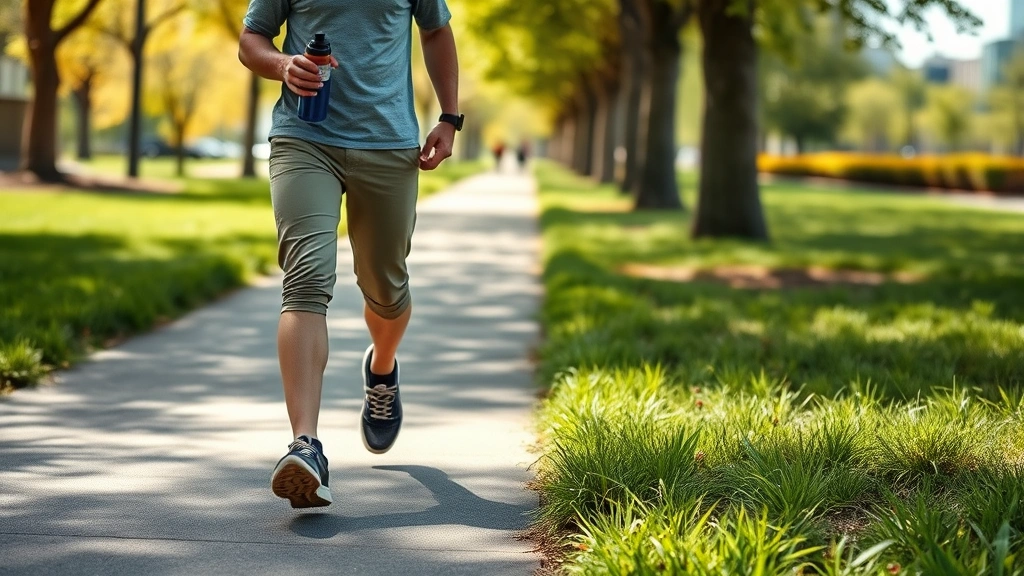
Drink water before, during, and after ambling sessions. Proper hydration supports metabolic function and helps distinguish thirst from hunger. Many people misinterpret thirst as hunger, leading to unnecessary eating. Amble with a water bottle to maintain hydration throughout your walk.
Meal Timing Around Ambling
Avoid ambling on a completely empty stomach (which can cause fatigue) or immediately after large meals (which causes discomfort). Ideally, amble 1-2 hours after eating or 30-45 minutes after a small snack. This timing supports consistent effort and prevents blood sugar crashes that trigger cravings.
Building Your Sustainable Ambling Routine
Sustainability separates successful weight loss from temporary results. Here’s how to build ambling into your life permanently.
Environmental Design
Create an environment that supports ambling. Keep comfortable walking shoes by your door. Identify scenic routes that make ambling enjoyable. If weather is a barrier, locate indoor walking locations—malls, gyms, or covered trails. Remove friction between intention and action.
Social Integration
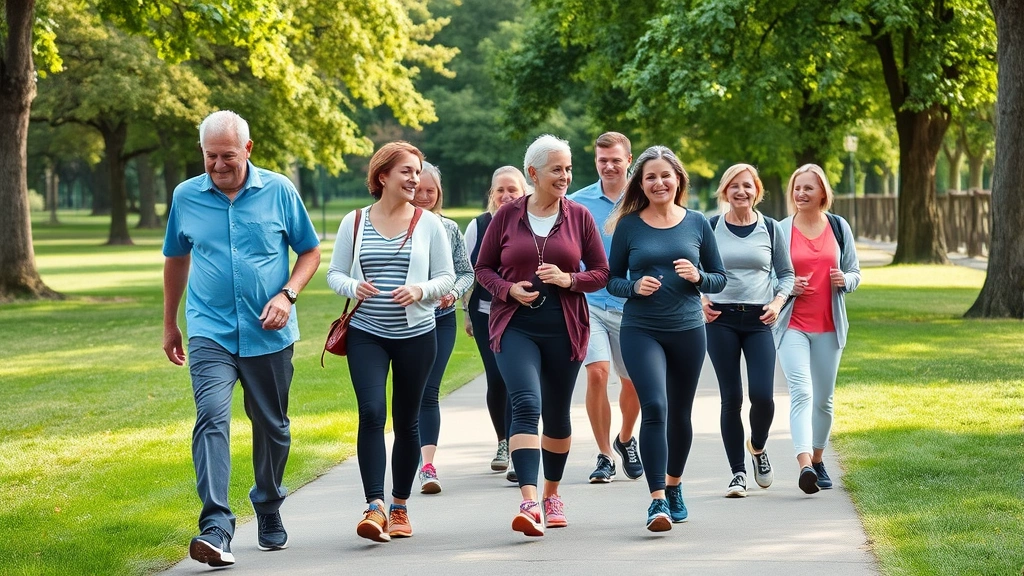
Amble with friends, family, or a walking group. Social accountability increases consistency dramatically. You’re more likely to show up for a scheduled amble with a friend than for a solo session. Many communities have free walking groups; joining one provides structure and community.
Tracking Progress Meaningfully
While weight loss is the primary goal, track your progress through multiple metrics beyond the scale. Monitor distance covered, consistency (days per week), how you feel during ambles, energy levels, and clothing fit. These non-scale victories maintain motivation when weight loss plateaus temporarily.
Combining With Strength Training
While ambling is excellent for calorie burn and cardiovascular health, adding basic strength training 2-3 times weekly amplifies results. You needn’t do intense workouts; bodyweight exercises or light resistance work for 20-30 minutes supports muscle preservation and accelerates fat loss. Learn about strength training exercises specifically designed for weight loss to complement your ambling routine.
Common Mistakes That Sabotage Ambling Weight Loss
Overestimating Calorie Burn
Many people overestimate calories burned during ambling, then eat surplus calories believing they’re in deficit. Use conservative estimates (most fitness trackers overestimate by 15-25%) and verify results by monitoring weight trends over 2-3 weeks. Adjust intake if weight doesn’t change as expected.
Inconsistency and All-or-Nothing Thinking
Skipping one amble session and then abandoning the routine entirely is common. Instead, adopt a flexible consistency approach: aim for five sessions weekly, but commit to a minimum of three. Missing one or two sessions doesn’t require starting over.
Ignoring Nutrition Entirely
Ambling without addressing eating habits produces negligible weight loss. You cannot out-walk a poor diet. Weight loss fundamentally requires caloric deficit; ambling facilitates this but doesn’t override nutrition. Conversely, don’t use ambling as justification for excessive eating.
Expecting Rapid Results
Ambling produces steady, sustainable weight loss—typically 0.5-2 pounds weekly depending on deficit size and individual factors. This seems slow compared to crash diets, but it’s actually the ideal rate for preserving muscle and maintaining results long-term. Expect 8-12 weeks to see significant visual changes.
Neglecting Recovery and Rest Days
While ambling is low-impact, your body still needs recovery. Include at least one complete rest day weekly. This prevents overuse injuries and allows your body to adapt to training stimulus. Rest days actually enhance weight loss by supporting hormonal balance.
FAQ
How much weight can I lose by ambling?
Weight loss depends on starting point, ambling frequency/duration, and dietary habits. Realistically, ambling combined with moderate dietary adjustment produces 0.5-2 pounds weekly. Over three months of consistent ambling and proper nutrition, expect 6-24 pounds of weight loss, with greater losses for those with more weight to lose.
Is ambling better than running for weight loss?
Both work, but ambling may be superior for many people because sustainability matters more than intensity. Someone who ambles consistently for a year loses more weight than someone who runs intensely for two months then quits. Ambling is also lower-injury risk, making it more sustainable long-term.
How long until I see weight loss results from ambling?
Initial water weight changes may appear within 3-5 days. Visible fat loss typically becomes apparent after 4-6 weeks of consistent ambling combined with proper nutrition. Weight loss isn’t linear—expect plateaus lasting 1-3 weeks, then sudden drops. Patience is essential.
Can I lose weight ambling without changing my diet?
Technically yes, but results are minimal. Ambling alone might produce 0.25-0.5 pounds weekly loss. Combined with modest dietary adjustments (reducing calories by 250-500 daily), results accelerate to 0.75-1.5 pounds weekly. Diet is the primary weight loss lever; ambling amplifies results.
Should I amble on rest days from strength training?
Yes. Ambling is low-intensity recovery activity that doesn’t interfere with strength training adaptation. Many trainers recommend ambling on rest days from strength training as active recovery that supports fat loss without compromising muscle-building goals. This combination is optimal for body composition changes.
What pace should I amble at for weight loss?
Amble at a pace where you can talk but not sing—roughly 50-70% of maximum heart rate. For most people, this is 2.5-3.5 mph. If you can’t speak, you’re too intense. If you could sing easily, increase pace slightly. The exact speed matters less than consistency and duration.
How does calculating daily calorie needs help with ambling-based weight loss?
Understanding your caloric baseline helps you determine the appropriate deficit. If you amble and burn 250 calories, knowing your maintenance calories allows you to reduce intake precisely, creating optimal deficit without excess restriction. This prevents both insufficient deficit (no weight loss) and excessive deficit (muscle loss, unsustainability).


