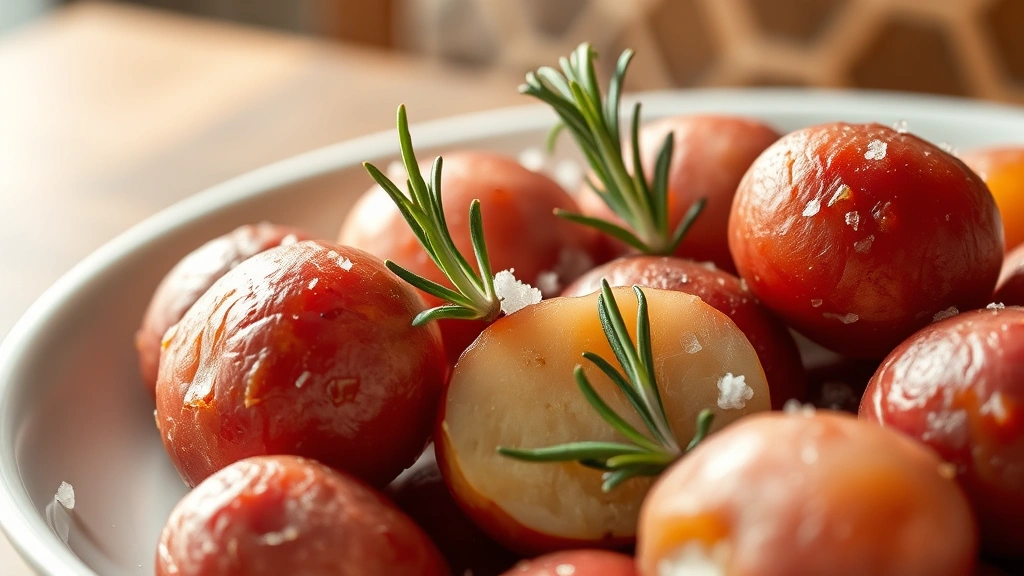
Are Potatoes Good for Weight Loss? Nutritionist Insights
Potatoes have long been vilified in weight loss circles, often blamed for weight gain and poor dietary choices. However, the reality is far more nuanced. When prepared correctly and consumed as part of a balanced approach, potatoes can actually be a valuable ally in your weight loss journey. The key lies in understanding their nutritional profile, preparation methods, and how to incorporate them strategically into your diet.
As a registered dietitian nutritionist, I’ve worked with countless clients who initially avoided potatoes entirely during their weight loss efforts, only to discover that reintroducing them—prepared healthily—actually improved their results. Potatoes are nutrient-dense, filling, and can support sustainable weight loss when you make informed choices about how you prepare and consume them.
The Nutritional Truth About Potatoes
Potatoes are often misunderstood because people focus on their carbohydrate content while ignoring their impressive nutritional benefits. A medium-sized potato (about 165 grams) with skin contains approximately 103 calories, 2.1 grams of protein, 23 grams of carbohydrates, 2.1 grams of fiber, and virtually no fat. More importantly, potatoes are rich in essential nutrients that support overall health during weight loss.
The nutrient density of potatoes is remarkable. They contain significant amounts of vitamin B6, vitamin C, manganese, and potassium. Potatoes also provide resistant starch when cooled after cooking, which acts similarly to dietary fiber and may support digestive health. This resistant starch is particularly beneficial because it can improve insulin sensitivity, a critical factor in successful weight management.
According to research published in the American Journal of Clinical Nutrition, potatoes rank high on the satiety index, meaning they keep you feeling full longer compared to many other foods. This satiety effect is crucial for weight loss because it naturally reduces calorie intake without requiring constant willpower or strict portion control.
The misconception about potatoes likely stems from how they’re typically prepared. A baked potato is fundamentally different from french fries or potato chips in terms of calories, fat content, and nutritional value. The preparation method, not the potato itself, determines whether it supports or hinders weight loss.
Potato Satiety and Weight Loss
One of the most compelling reasons potatoes can support weight loss is their exceptional satiety index score. Research from the University of Sydney found that boiled potatoes scored higher on the satiety index than whole wheat bread, brown rice, and oatmeal. This means a serving of potatoes will keep you satisfied longer, reducing overall calorie consumption throughout the day.
Satiety is driven by several factors in potatoes. First, the fiber content, especially in the skin, promotes digestive health and fullness. Second, the resistant starch in cooled potatoes feeds beneficial gut bacteria and signals satiety to your brain. Third, the water content and density of potatoes create bulk in your stomach, which triggers satiety hormones like peptide YY and cholecystokinin.
When you feel genuinely satisfied after eating, you’re less likely to experience cravings or reach for unhealthy snacks between meals. This is why including potatoes in your healthy meal plans for weight loss can be more sustainable than restrictive approaches that leave you perpetually hungry.
The satiety benefit extends beyond the immediate post-meal period. Studies show that potato consumption can reduce hunger hormones for several hours, making it easier to maintain a calorie deficit without feeling deprived. This is particularly important for long-term weight loss success, as hunger-driven approaches typically fail within weeks.
Preparation Methods Matter Most
The way you prepare potatoes fundamentally determines their impact on weight loss. This is where most people go wrong. Potatoes themselves are inherently low in calories, but common preparation methods add significant amounts of fat and calories.
Healthy Preparation Methods:
- Boiling: Plain boiled potatoes contain minimal added calories and preserve most nutrients. This is one of the best options for weight loss.
- Baking: Baking potatoes in the oven without added oil creates a satisfying meal with intact nutrition. The skin becomes slightly crispy while the inside remains tender.
- Steaming: Steaming preserves nutrients better than boiling and creates a fluffy texture. You can season with herbs and spices for flavor without added calories.
- Air frying: Using an air fryer with minimal oil creates a crispy texture similar to fried potatoes but with a fraction of the calories and fat.
- Microwaving: Quick and convenient, microwaving potatoes requires no added fat and takes just minutes.
Preparation Methods to Avoid:
- Deep frying: French fries and chips absorb massive amounts of oil, turning a 100-calorie potato into a 365-calorie dish. The added fat also increases inflammation and provides empty calories.
- Loaded with butter and sour cream: A baked potato topped with butter, sour cream, cheese, and bacon can exceed 500 calories—more than a complete balanced meal.
- Creamy potato salad: Traditional potato salad made with mayonnaise-based dressing can contain 350+ calories per cup, mostly from added fat.
- Hash browns with oil: Shredded potatoes cooked in generous amounts of oil become a calorie bomb rather than a weight loss food.
The difference between a weight-loss-friendly potato preparation and a weight-gain-promoting one often comes down to added fats. A medium baked potato with skin is around 103 calories, but add two tablespoons of butter and you’ve added 200 calories. Choose your toppings and cooking methods deliberately.
Best Potato Types for Weight Loss
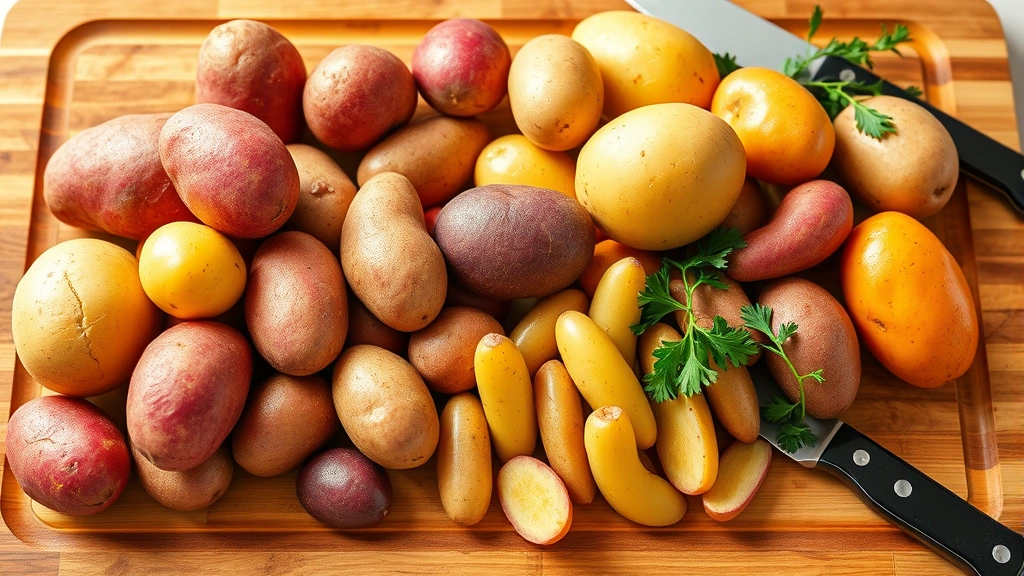
Not all potatoes are created equal when it comes to weight loss. Different varieties have varying nutrient profiles and resistant starch content.
Waxy Potatoes (Red and White): These smaller potatoes with thin skin are excellent for weight loss. They retain their shape during cooking and have lower starch content, making them ideal for boiling or steaming. Red potatoes also contain beneficial anthocyanins, which have antioxidant properties.
Fingerling Potatoes: Small and elongated, fingerling potatoes are naturally portion-controlled. Their high surface-area-to-volume ratio means you get more satisfying texture with fewer calories. They’re perfect for roasting with minimal oil or boiling.
Yellow Potatoes: These offer a creamy texture and naturally slightly sweet flavor, allowing you to enjoy them with minimal added seasonings or toppings. They work well boiled, steamed, or baked.
Purple and Blue Potatoes: These heirloom varieties contain anthocyanins and other phytonutrients that regular potatoes lack. While they’re slightly higher in certain compounds, they’re equally suitable for weight loss when prepared healthily.
Russet Potatoes (with caution): Russets are higher in starch and lower in resistant starch compared to waxy varieties. They’re not off-limits for weight loss, but waxy potatoes are generally the better choice. If using russets, cool them after cooking to increase resistant starch content.
A key strategy is cooling potatoes after cooking. When potatoes cool, their resistant starch content increases significantly. This means a cold potato salad (made with vinegar-based dressing rather than mayonnaise) or chilled boiled potatoes are superior weight loss choices compared to hot preparations.
Portion Control and Calorie Considerations
Understanding portion sizes is essential when incorporating potatoes into your weight loss strategy. While potatoes are nutrient-dense and satisfying, they still contain calories that must fit within your overall intake.
A healthy potato portion for weight loss is typically one medium potato (about 165 grams or 103 calories). This is roughly the size of a computer mouse or a standard tennis ball. For comparison, restaurant servings are often 2-3 times this size, which explains why people associate potatoes with weight gain.
When calculating your daily calorie needs, include potato portions in your carbohydrate allowance. For someone consuming 1,500 calories daily, a medium potato represents about 7 percent of daily intake—entirely reasonable and sustainable.
The satiety of potatoes actually makes portion control easier. Because they keep you full, you’re naturally satisfied with appropriate portions rather than feeling deprived. This is why potatoes can support tracking your progress effectively on a weight loss journey—they help you maintain consistent calorie intake without hunger.
Consider these practical portion guidelines:
- One medium baked potato: 100-110 calories
- One cup boiled potato cubes: 135 calories
- One cup mashed potato (prepared with minimal butter): 170-190 calories
- Half cup roasted potato cubes (with 1 teaspoon oil): 80-90 calories
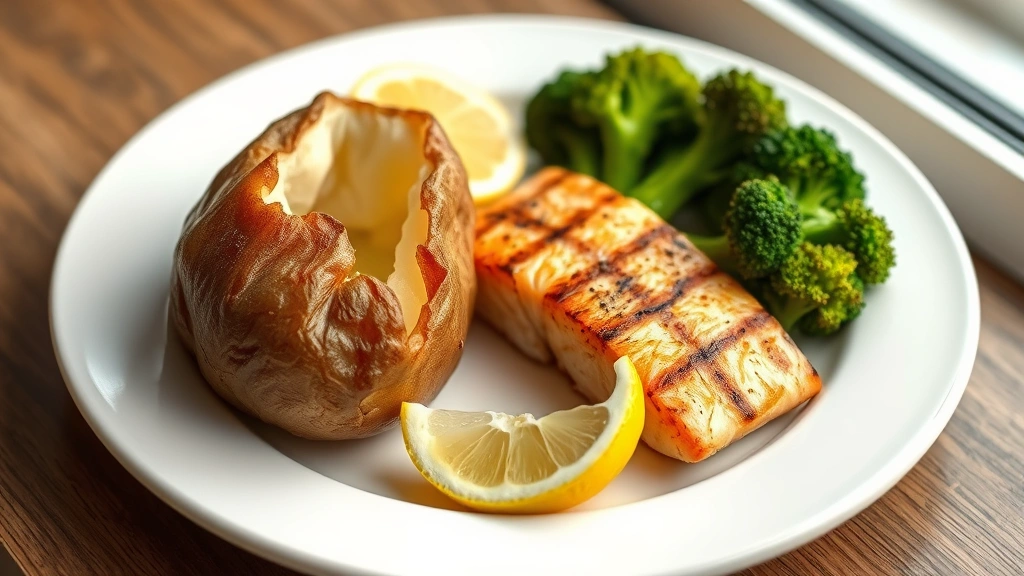
Pairing your potato with protein and vegetables creates a balanced meal that further enhances satiety. For example, a medium baked potato with grilled chicken breast and steamed broccoli creates a complete, satisfying meal under 400 calories.
Potatoes in Your Weight Loss Meal Plan
Integrating potatoes into a structured weight loss meal plan requires strategic thinking about meal composition and timing.
Breakfast Options: While potatoes aren’t traditional breakfast foods, they can work well. Try hash browns made with minimal oil, paired with eggs and vegetables. The combination of potato carbohydrates with protein from eggs creates sustained energy and satiety through the morning.
Lunch and Dinner: Potatoes shine as lunch and dinner components. A medium baked potato with lean protein (salmon, chicken breast, or legumes) and roasted vegetables creates a complete, balanced meal. The fiber from the potato skin, protein, and vegetable nutrients work synergistically to support weight loss.
Side Dish Strategy: Use potatoes to replace less nutritious carbohydrate sources. Instead of white rice or refined pasta, choose boiled or baked potatoes. You’ll consume fewer calories, more fiber, and greater nutrient density.
Pre-Workout Nutrition: Potatoes are excellent pre-exercise fuel. The easily digestible carbohydrates provide energy without sitting heavy in your stomach. A small baked potato 30-45 minutes before exercise supports performance without hindering weight loss. This complements well with weight loss and interval training approaches.
Snack Alternative: While unconventional, cold boiled potatoes can serve as a filling snack when paired with a small amount of hummus or a sprinkle of salt and pepper. This provides sustained satiety without the empty calories of typical snacks.
The key to successful potato inclusion is consistency. Rather than treating potatoes as forbidden foods to be avoided, incorporate them regularly in controlled portions. This approach is more sustainable than restrictive dieting and typically yields better long-term results.
Common Mistakes to Avoid
Understanding what not to do is as important as knowing what to do. These are the most common mistakes people make when trying to lose weight with potatoes:
Mistake 1: Excessive Toppings A perfectly healthy baked potato becomes a calorie bomb when loaded with butter, sour cream, cheese, and bacon. Limit toppings to small amounts of Greek yogurt, fresh herbs, or nutritional yeast for flavor without excessive calories.
Mistake 2: Ignoring Portion Size The satiety of potatoes is powerful, but it only works if you eat reasonable portions. A three-potato meal defeats the purpose. Measure your portions, especially when starting your weight loss journey.
Mistake 3: Preparing Potatoes with Excessive Oil Roasting potatoes with two tablespoons of oil per serving adds 240 calories. Use just one teaspoon (45 calories) and rely on dry-heat cooking methods instead.
Mistake 4: Consuming Potatoes Without Protein Eating potatoes alone spikes blood sugar and doesn’t provide optimal satiety. Always pair them with protein—chicken, fish, legumes, or tofu—for balanced nutrition and sustained fullness.
Mistake 5: Choosing Processed Potato Products Instant mashed potatoes, frozen french fries, and potato chips bear little nutritional resemblance to whole potatoes. These processed versions contain added sodium, preservatives, and often added fats. Stick to whole potatoes.
Mistake 6: Not Cooling Potatoes Failing to cool potatoes after cooking means missing out on resistant starch benefits. Prepare potatoes ahead, refrigerate them, and consume cold or reheated. This simple step enhances weight loss benefits.
Mistake 7: Pairing with High-Fat Dressings Potato salads made with mayonnaise-based dressings contain 350+ calories per cup. Use vinegar-based dressings instead, keeping calories minimal while adding flavor.
Avoiding these mistakes transforms potatoes from perceived weight-loss obstacles into valuable tools. Many people find that once they correct these errors, potatoes become a dietary staple that supports consistent, sustainable weight loss.
FAQ
Can I eat potatoes every day during weight loss?
Yes, potatoes can be part of your daily diet during weight loss. Many cultures with excellent health outcomes consume potatoes daily. The key is preparation method and portion control. A medium baked or boiled potato daily, prepared without excessive fat, fits easily into a weight loss plan. Variety matters too—alternate potato types and preparation methods to maintain dietary interest and nutrient diversity.
Are sweet potatoes better than regular potatoes for weight loss?
Both sweet potatoes and regular potatoes can support weight loss. Sweet potatoes contain slightly more fiber and have a lower glycemic index, making them excellent choices. However, they’re also slightly higher in calories (about 103 calories for medium regular potato versus 103 calories for medium sweet potato, though sizes vary). The difference is negligible. Choose based on preference and availability. The preparation method matters far more than the variety.
What’s the best time to eat potatoes for weight loss?
Timing matters less than total daily intake, but there are strategic considerations. Eating potatoes earlier in the day provides energy and satiety through your most active hours. For evening meals, potatoes are fine but pair them with lean protein and vegetables rather than additional carbohydrate sources. Pre-workout, potatoes are excellent fuel. Avoid large potato meals close to bedtime if you’re sensitive to evening carbohydrate intake.
Do potato skins contain toxins I should worry about?
Potato skins are nutritious and safe when prepared from fresh potatoes stored properly. Green-tinged potatoes indicate solanine accumulation and should be avoided, but this is rare with proper storage. Most potatoes you purchase are safe. The skin contains most of the fiber and several important nutrients, so eating potatoes with skin is recommended for weight loss. Simply wash them thoroughly before cooking.
Can potatoes help with weight loss if I have diabetes?
Potatoes can be included in diabetic weight loss plans when portion-controlled and prepared healthily. Cooling potatoes increases resistant starch, which has a lower glycemic impact. Pairing potatoes with protein and fat slows glucose absorption. However, individuals with diabetes should monitor blood sugar responses and work with their healthcare provider or registered dietitian to determine appropriate portions and frequency.
Are instant mashed potatoes acceptable for weight loss?
Instant mashed potatoes are less ideal than whole potatoes because they’ve been processed and often contain added sodium and preservatives. They also lack the fiber of whole potatoes, particularly skin fiber. If convenience is important, choose instant varieties with minimal additives, prepare them with low-fat milk rather than butter, and keep portions moderate. However, whole potatoes are nutritionally superior.
Should I count potato calories differently than other carbohydrates?
No, potato calories count the same as other carbohydrate calories in your overall daily intake. However, because of their superior satiety, you may naturally consume fewer total calories when including potatoes. This makes them valuable for weight loss not because calories work differently, but because they help you maintain a calorie deficit more comfortably.


