Banana Smoothie for Weight Loss? Chef-Approved Recipes & Science-Backed Tips
Bananas often get a bad reputation in weight loss circles, but the truth is far more nuanced. A well-crafted banana smoothie can absolutely support your weight loss goals when made with intention and paired with a balanced lifestyle. Professional chefs and registered dietitians agree that bananas bring valuable nutrients, natural sweetness, and satiety-promoting fiber to your smoothie bowl—making them a smart choice for sustainable weight management.
The key lies not in avoiding bananas, but in understanding how to incorporate them strategically into your nutrition plan. This comprehensive guide explores chef-approved banana smoothie recipes, the science behind banana nutrition for weight loss, and practical tips to maximize your results. Whether you’re looking for a quick breakfast replacement or a post-workout recovery drink, these evidence-based approaches will help you harness the power of this humble fruit.
Why Bananas Work for Weight Loss
Bananas contain resistant starch, particularly when slightly underripe, which functions similarly to dietary fiber. This compound resists digestion in the small intestine, reaching your colon where it feeds beneficial bacteria and promotes feelings of fullness. Research from the Academy of Nutrition and Dietetics demonstrates that resistant starch can enhance satiety and support metabolic health.
The natural sweetness of bananas eliminates the need for added sugars in your smoothie, addressing one of the biggest obstacles in weight loss nutrition. A medium banana contains only 27 grams of carbohydrates with 3 grams of fiber, resulting in just 24 grams of net carbs—reasonable for most dietary approaches. When combined with protein intake strategies, bananas create a balanced meal that stabilizes blood sugar and prevents energy crashes.
Bananas also provide essential potassium, which regulates fluid balance and supports muscle function during physical activity. Athletes and fitness enthusiasts have long relied on bananas for pre-workout nutrition, and this same benefit applies to weight loss efforts. The fruit’s natural dopamine precursors may also support mood regulation, addressing emotional eating triggers that derail many weight loss attempts.
Nutritional Breakdown of Bananas
Understanding the exact nutritional profile helps you make informed decisions about portion sizes and recipe formulation:
- Medium banana (118g): 105 calories, 27g carbs, 3g fiber, 1.3g protein, 0.3g fat
- Potassium content: 422mg (12% of daily value) supports cardiovascular health and muscle recovery
- Vitamin B6: 0.4mg aids in brain development and immune function
- Vitamin C: 8.7mg supports collagen synthesis and immune response
- Manganese: 0.3mg promotes bone health and metabolic function
The glycemic index of a banana varies with ripeness. Greener bananas have a lower GI (around 42), while fully yellow bananas reach approximately 51-60. For weight loss purposes, slightly underripe bananas provide superior blood sugar control. This distinction matters when you’re trying to maintain stable energy levels throughout your day and avoid cravings that sabotage your progress.
Bananas also contain pectin, a soluble fiber that forms a gel in your digestive system, slowing gastric emptying and extending satiety. This physiological response directly supports weight loss by reducing overall calorie intake without requiring restrictive eating patterns.
Chef-Approved Banana Smoothie Recipes
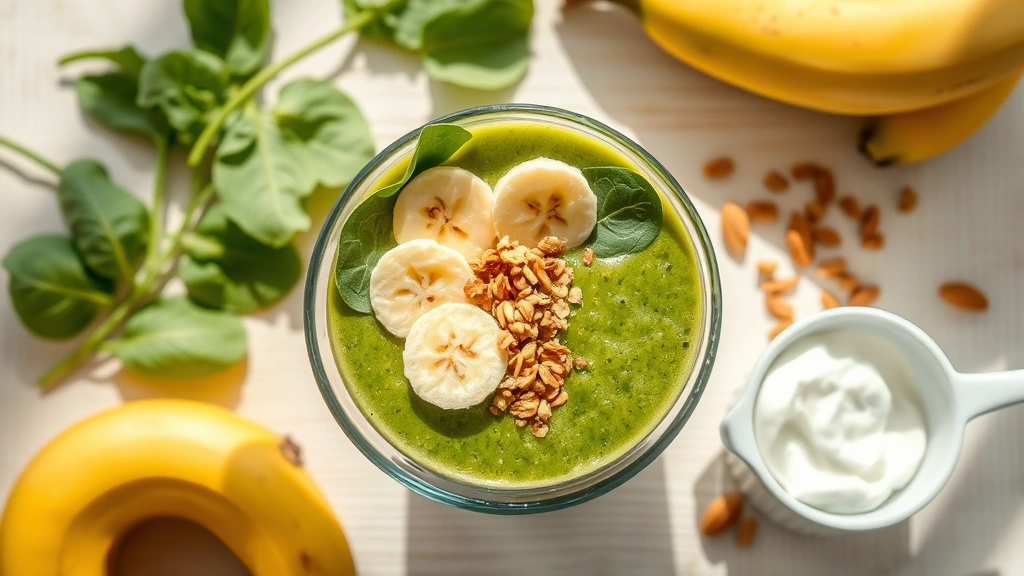
Recipe 1: High-Protein Green Banana Smoothie
Professional nutritionist chefs recommend this formula for sustained energy and muscle preservation during weight loss:
- 1 medium banana (slightly underripe)
- 1 cup unsweetened almond milk
- 1 scoop vanilla protein powder (20-25g protein)
- 2 cups fresh spinach
- 1 tablespoon natural almond butter
- ½ cup Greek yogurt (non-fat or 2%)
- 5-6 ice cubes
Blend until smooth and consume within 30 minutes of preparation. This recipe delivers approximately 280 calories with 32g protein, making it ideal as a meal replacement breakfast. The combination of protein, healthy fats from almond butter, and fiber from spinach creates a synergistic effect that keeps you satisfied until lunch.
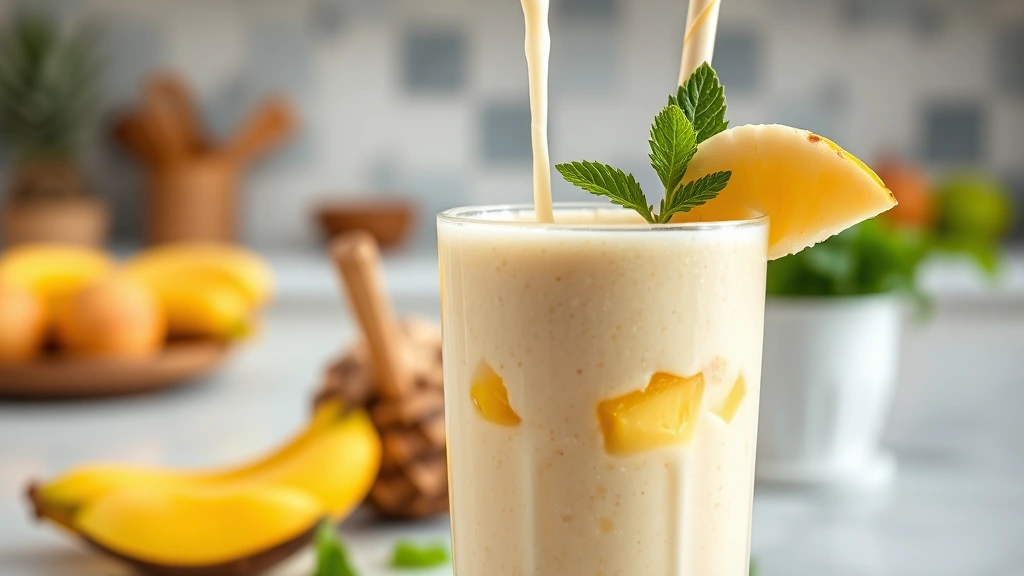
Recipe 2: Tropical Metabolism-Boosting Smoothie
This chef-created blend incorporates thermogenic ingredients that slightly elevate your metabolic rate:
- 1 medium banana
- ½ cup frozen pineapple
- ½ cup coconut water
- ½ cup Greek yogurt
- 1 teaspoon raw cacao powder (rich in polyphenols)
- ¼ teaspoon cayenne pepper (capsaicin for thermogenesis)
- 1 tablespoon honey (optional, for sweetness)
- Handful of ice
The cacao and cayenne combination activates brown adipose tissue, your body’s metabolic furnace. Research from obesity medicine specialists shows that capsaicin can increase energy expenditure by 3-5%, a modest but measurable effect when combined with consistent exercise and proper nutrition.
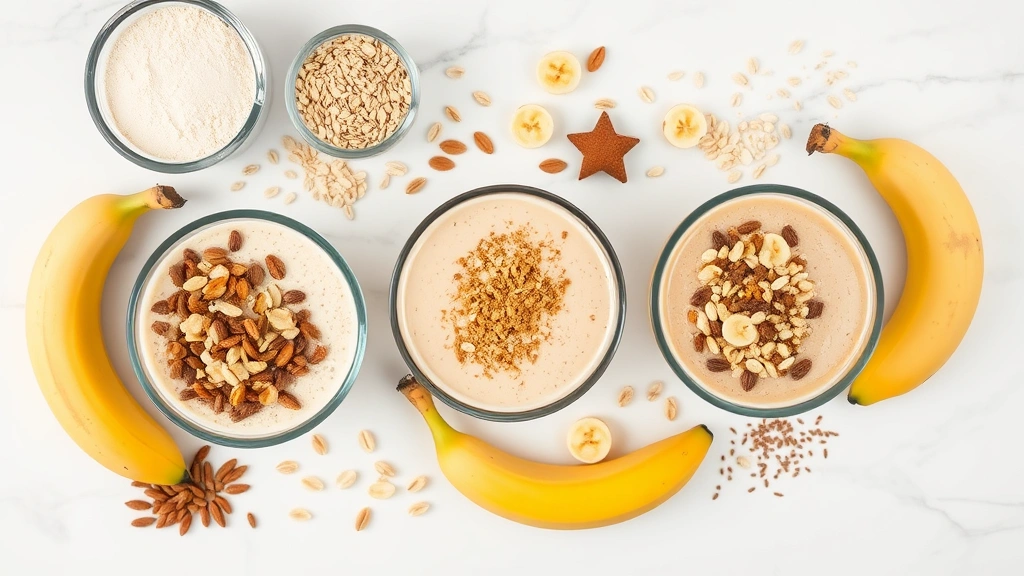
Recipe 3: Fiber-Forward Banana Oat Smoothie
This option maximizes satiety through soluble and insoluble fiber:
- 1 medium banana
- ½ cup rolled oats (steel-cut preferred)
- 1 cup unsweetened almond milk
- ¼ cup cottage cheese (casein protein for sustained release)
- 1 tablespoon ground flaxseed
- ½ teaspoon vanilla extract
- Cinnamon to taste
- Ice cubes
Oats contain beta-glucan, a soluble fiber proven to reduce appetite hormones and extend post-meal satiety. The combination of banana’s resistant starch, oat fiber, and flaxseed creates a triple-threat satiety mechanism that makes this smoothie particularly effective for weight loss.
Protein Integration for Maximum Results
The most successful banana smoothies for weight loss incorporate strategic protein intake approaches that preserve lean muscle mass while you lose fat. Protein increases thermogenesis (the thermic effect of food), requiring your body to expend energy during digestion. Whey, casein, and plant-based proteins all work effectively—choose based on your dietary preferences and digestive tolerance.
Chef recommendations emphasize protein diversity. Alternating between whey isolate, micellar casein, collagen peptides, and plant-based proteins prevents adaptation and provides varied amino acid profiles. Greek yogurt and cottage cheese offer additional benefits beyond protein: they contain probiotics that support gut health, which research increasingly links to weight regulation and metabolic function.
Timing matters significantly. A banana smoothie consumed 30-60 minutes before resistance training provides readily available carbohydrates and amino acids for performance. Consumed post-workout, the same smoothie facilitates muscle protein synthesis and glycogen replenishment. For weight loss specifically, consuming a protein-rich banana smoothie within 2 hours of waking initiates a favorable metabolic cascade that extends through your entire day.
Common Mistakes to Avoid
Even well-intentioned banana smoothies can sabotage weight loss when constructed carelessly. Here are critical errors professional chefs and dietitians consistently identify:
Mistake 1: Excessive Sweeteners and Syrups Many commercial smoothie shops add honey, agave, maple syrup, or chocolate syrups that transform a 150-calorie banana smoothie into a 450+ calorie dessert. When making smoothies at home, the banana’s natural sweetness should suffice. If additional sweetness is necessary, opt for stevia or monk fruit—zero-calorie sweeteners without the metabolic consequences of sugar.
Mistake 2: Oversized Portions A single banana provides adequate carbohydrates. Adding multiple bananas, combined with fruit juice, granola, and honey, creates calorie density that exceeds your daily deficit targets. Professional chefs emphasize portion awareness: one medium banana per smoothie, period.
Mistake 3: Liquid Calories from Juice Fruit juice, even freshly squeezed, lacks the fiber of whole fruit and spikes blood sugar rapidly. Replace juice with unsweetened almond milk, coconut water, or plain water. This single substitution can save 100+ calories while improving blood sugar stability.
Mistake 4: Neglecting Healthy Fats Smoothies without fat-soluble nutrients and satiety-promoting fats leave you hungry shortly after consumption. Include nut butters, seeds, avocado, or coconut oil in measured amounts to extend fullness and support nutrient absorption.
Mistake 5: Inconsistent Macronutrient Balance A banana smoothie consisting solely of banana and milk fails to deliver the protein necessary for weight loss success. Aim for a macronutrient ratio of approximately 40% carbs, 30% protein, and 30% fat within your smoothie to optimize satiety and metabolic response.
Pairing Your Smoothie with Sustainable Habits
Even the most perfectly formulated banana smoothie produces results only within the context of comprehensive lifestyle change. Chef-nutritionists emphasize that smoothies serve as tools supporting broader dietary patterns, not replacements for fundamental healthy habits.
Incorporate your banana smoothie into a structured meal plan for weight loss that includes whole foods, adequate vegetables, lean proteins, and consistent calorie awareness. The smoothie might function as your breakfast, providing a convenient entry point to your day that prevents poor choices driven by morning hunger.
Combine smoothie nutrition with resistance training and strength workouts that preserve muscle mass during caloric deficit. The carbohydrates and protein in your banana smoothie fuel these critical training sessions, creating a synergistic relationship between nutrition and exercise.
Consider using nutrition tracking apps to monitor your smoothie ingredients and overall calorie intake. Transparency regarding what you consume—including seemingly innocent smoothie additions—provides the awareness necessary for sustained weight loss.
Hydration deserves emphasis. While your smoothie contributes to fluid intake, consuming adequate water independent of smoothies supports metabolic function, appetite regulation, and exercise performance. Professional chefs recognize that many weight loss plateaus trace to inadequate hydration rather than dietary problems.
Sleep and stress management complete the picture. The dopamine-supporting compounds in bananas offer modest mood benefits, but comprehensive stress management and 7-9 hours of quality sleep provide far greater impact on weight loss hormones like cortisol, ghrelin, and leptin. Your banana smoothie works within this holistic context, not as an isolated solution.
Approaches like low-carb diets for weight loss sometimes restrict fruits, but moderate banana consumption aligns well with most nutritional frameworks. The key involves intentional portion control and pairing bananas with protein and healthy fats—exactly what our chef-approved recipes deliver.
FAQ
Can I eat bananas while losing weight?
Absolutely. Bananas are nutrient-dense fruits containing fiber, potassium, and resistant starch that support weight loss when consumed in appropriate portions. A single medium banana contains only 105 calories and pairs excellently with protein sources. The concern isn’t bananas themselves but rather portion sizes and preparation methods.
What’s the best time to drink a banana smoothie for weight loss?
Early morning consumption initiates favorable metabolic cascades throughout your day, particularly when your smoothie contains adequate protein. Post-workout consumption (within 2 hours of training) optimizes muscle recovery and glycogen replenishment. Avoid banana smoothies late in the evening, as their carbohydrate content may interfere with sleep quality if consumed too close to bedtime.
How many bananas can I include in a weight loss smoothie?
One medium banana per smoothie represents the optimal amount for weight loss. Additional bananas increase calorie and carbohydrate density without proportionally extending satiety. If you require additional sweetness or volume, increase non-caloric ingredients like spinach, unsweetened almond milk, or ice instead.
Should I use frozen or fresh bananas?
Frozen bananas offer several advantages: they create creamier texture without requiring added ice, they’re often cheaper, and they preserve nutrients effectively through the freezing process. Simply freeze peeled banana halves in bags, then blend directly from frozen. Both frozen and fresh bananas deliver equivalent nutritional benefits.
Can banana smoothies replace entire meals for weight loss?
Yes, when formulated with adequate protein (25-30g), healthy fats, and fiber. However, most people benefit from occasional whole-food meals that engage chewing and digestive processes differently than smoothies. Use banana smoothies for 1-2 meals daily maximum, maintaining whole-food diversity throughout your week.
What protein powder works best with bananas?
Vanilla, unflavored, and cinnamon protein powders complement banana flavors beautifully. Whey isolate absorbs quickly (ideal post-workout), while micellar casein provides sustained amino acid release (better for breakfast). Plant-based options work equally well for weight loss—choose based on personal preference and digestive tolerance rather than perceived superiority.