
When it comes to shedding pounds, the cardio machine you choose can make a significant difference in your results. As a fitness trainer who has worked with hundreds of clients pursuing weight loss goals, I’ve seen firsthand which machines deliver the best bang for your buck. The truth is, there’s no one-size-fits-all answer, but certain cardio machines consistently outperform others when it comes to calorie burn, sustainability, and long-term adherence.
The best cardio machine for weight loss depends on your fitness level, joint health, preferences, and available equipment. However, after years of training clients and analyzing the science behind cardiovascular exercise, I can confidently say that the rowing machine stands out as the ultimate choice for maximum calorie expenditure and full-body engagement. That said, other machines like the stair climber, assault bike, and treadmill each offer unique advantages worth exploring.
In this comprehensive guide, I’ll break down the top cardio machines for weight loss, explain the science behind why they work, and help you determine which is best for your individual circumstances. Whether you’re just starting your weight loss journey or looking to optimize your current routine, understanding how different machines impact your body will empower you to make informed decisions about your fitness strategy.
Why Cardio Matters for Weight Loss
Cardiovascular exercise is a cornerstone of any effective weight loss program. When you engage in cardio, your heart rate elevates, your body burns calories, and over time, consistent cardio sessions create the caloric deficit necessary for weight loss. According to research from the CDC on physical activity and weight management, adults should aim for at least 150 minutes of moderate-intensity aerobic activity weekly for health benefits.
However, weight loss requires more aggressive cardiovascular engagement than basic health maintenance. The machines we’ll discuss can help you achieve higher intensity levels, which amplifies calorie burn both during and after exercise through a phenomenon called excess post-exercise oxygen consumption (EPOC). This means your body continues burning calories at an elevated rate even after you’ve finished your workout.
It’s important to note that while cardio is powerful for weight loss, it works best when combined with proper protein intake and nutrition. You cannot out-exercise a poor diet, so incorporating cardiovascular training alongside dietary changes maximizes your results.

The Rowing Machine: The Champion
The rowing machine deserves the top spot as the best cardio machine for weight loss, and here’s why: it engages approximately 85% of your body’s muscles simultaneously. Unlike machines that isolate your lower body or upper body, rowing works your legs, back, core, shoulders, and arms in a coordinated, powerful movement.
Calorie Burn Potential: A 185-pound person can burn 300-500 calories in 30 minutes of moderate to intense rowing, depending on effort level and rowing speed. This exceptional calorie burn stems from the machine’s full-body engagement and the significant power required to propel yourself backward against resistance.
Why It’s Superior for Weight Loss:
- Muscle Engagement: More muscle involvement means higher metabolic demand and greater calorie expenditure
- Low Impact: The seated position protects your joints while still delivering intense cardiovascular benefits
- Scalability: You can easily adjust resistance to match your fitness level and progress over time
- Afterburn Effect: The intense nature of rowing creates substantial EPOC, extending calorie burn post-workout
- Sustainable: The smooth, rhythmic motion is easier to maintain for longer durations compared to high-impact alternatives
Research published in the American College of Sports Medicine journal confirms that rowing machine workouts produce significant cardiovascular adaptations and metabolic improvements in weight loss populations.
The key to maximizing rowing machine results is proper form and consistent progression. Many beginners make the mistake of using only their arms; effective rowing is 60% legs, 20% core, and 20% arms. Once you master the technique, you’ll unlock the machine’s full weight loss potential.
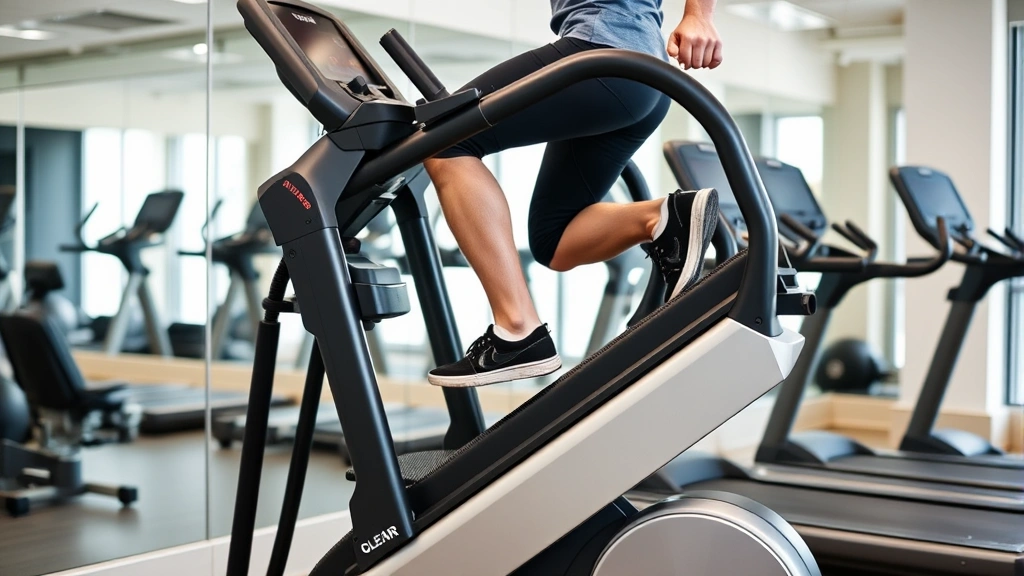
Stair Climber: The Leg Burner
If building lower body strength while burning calories appeals to you, the stair climber is an excellent choice. This machine specifically targets your glutes, quadriceps, hamstrings, and calves, making it ideal if you want to reshape your lower body while losing weight.
Calorie Burn: A 185-pound person typically burns 250-400 calories in 30 minutes on a stair climber, depending on speed and resistance level. The exact burn depends heavily on how aggressively you climb and your body weight.
Advantages for Weight Loss:
- Muscle Building: Unlike pure cardio machines, the stair climber builds and tones leg muscles, increasing resting metabolic rate
- Progressive Challenge: You can continuously increase speed or resistance as your fitness improves
- Natural Movement: Climbing stairs mimics a functional movement pattern you perform daily
- Psychological Benefit: The sense of climbing toward a goal provides mental motivation
The stair climber is particularly effective when combined with structured meal plans designed for weight loss. The muscle development from stair climbing increases your daily calorie expenditure, making dietary adherence more manageable.
One consideration: the stair climber places more stress on your knees and lower back than some alternatives. If you have joint concerns, start with shorter durations and lower resistance levels, gradually building tolerance over weeks.
Assault Bike: The Intensity Machine
The assault bike (or fan bike) is a favorite among high-intensity interval training (HIIT) enthusiasts for good reason. This machine features a fan for resistance, meaning the harder you pedal, the harder it becomes—there’s no coasting.
Calorie Burn: Intense assault bike sessions can burn 400-600+ calories in 30 minutes for a 185-pound person, making it one of the highest calorie-burning options available.
Why It Excels for Weight Loss:
- HIIT-Friendly: The bike’s design makes it perfect for alternating between sprint and recovery intervals
- Extreme Afterburn: High-intensity work creates substantial EPOC, extending calorie burn for hours post-exercise
- Both Legs and Arms: Unlike traditional stationary bikes, assault bikes engage your upper body through the moving handles
- No Momentum: The fan resistance prevents cheating, ensuring you’re always working hard
The assault bike’s primary drawback is intensity. It’s challenging for beginners and requires significant cardiovascular fitness to sustain longer sessions. However, if you’re ready for aggressive training, the assault bike delivers exceptional weight loss results in shorter timeframes.
Treadmill: The Accessible Classic
Despite newer machines emerging, the treadmill remains the most popular cardio equipment in gyms worldwide. Its accessibility and familiarity make it an excellent starting point for those beginning their weight loss journey.
Calorie Burn: Running at moderate intensity (6 mph) for 30 minutes burns approximately 300-400 calories for a 185-pound person. Walking at a brisk pace (4 mph) burns 150-250 calories in the same timeframe.
Advantages:
- Accessibility: Most people know how to use a treadmill, eliminating the learning curve
- Adjustable Intensity: You can walk, jog, or sprint based on fitness level
- Entertainment: Many treadmills feature built-in screens for watching shows or following virtual classes
- Familiarity: Running/walking patterns feel natural, encouraging consistency
Considerations: The treadmill’s high-impact nature can stress joints, particularly knees and ankles. Additionally, treadmill running engages fewer muscles than rowing or stair climbing, resulting in lower overall calorie burn compared to other machines.
For maximum treadmill weight loss results, incorporate incline intervals. Adding a 5-10% incline significantly increases calorie burn and engages glute muscles similar to hill running, without requiring high speed that stresses joints.
Elliptical: The Joint-Friendly Option
The elliptical machine offers a middle ground between accessibility and joint protection. It provides a running-like motion without the impact, making it ideal for people with joint concerns or those recovering from injury.
Calorie Burn: A 185-pound person typically burns 200-350 calories in 30 minutes on an elliptical, making it the lowest-burn option among these machines.
Best For:
- Individuals with knee, ankle, or hip pain
- Those returning to exercise after injury
- Beginners building cardiovascular base fitness
- People seeking sustainable, long-duration cardio sessions
While the elliptical’s calorie burn is lower than other machines, its sustainability advantage shouldn’t be overlooked. If you can comfortably perform 60-minute elliptical sessions while only managing 20 minutes on a rowing machine, the elliptical might deliver superior total calorie burn for your situation.
Comparing Calorie Burn Across Machines
Here’s how the machines compare for a 185-pound person during 30 minutes of moderate to intense effort:
- Rowing Machine: 300-500 calories
- Assault Bike: 400-600+ calories
- Stair Climber: 250-400 calories
- Treadmill (running): 300-400 calories
- Treadmill (walking/incline): 150-250 calories
- Elliptical: 200-350 calories
These numbers vary based on age, weight, fitness level, intensity, and individual metabolism. Heavier individuals burn more calories, while very fit individuals might burn slightly fewer calories as their bodies adapt to exercise stress.
The most important takeaway: the best machine is the one you’ll consistently use. Someone who rows three times weekly will achieve better weight loss results than someone who occasionally uses a high-calorie-burn machine they dislike.
Combining Cardio with Nutrition
Cardio machines are powerful tools, but weight loss fundamentally requires a caloric deficit. You cannot out-exercise poor nutrition, regardless of which machine you choose. This is where understanding protein intake and nutrition becomes critical.
Protein plays multiple roles in weight loss success:
- Satiety: Protein keeps you fuller longer, reducing overall calorie intake
- Muscle Preservation: During weight loss, adequate protein prevents muscle loss, maintaining metabolic rate
- Thermic Effect: Your body burns calories digesting protein, contributing to your total daily energy expenditure
Consider incorporating protein shakes designed for weight loss to support your cardio training. A post-workout protein shake supplies amino acids for recovery while keeping calorie intake controlled.
For comprehensive nutritional guidance, structured meal plans for weight loss remove guesswork from eating. These plans ensure you’re creating the necessary caloric deficit while maintaining nutritional adequacy and supporting your cardiovascular training.
Creating Your Cardio Strategy
The optimal weight loss cardio strategy combines multiple factors:
1. Choose Based on Your Situation Consider your current fitness level, joint health, and time availability. Beginners might start with ellipticals or treadmills; those with solid fitness foundations can jump into rowing or assault bikes.
2. Implement Progressive Overload Regardless of machine choice, gradually increase duration, intensity, or resistance over weeks. This progression prevents adaptation and keeps calorie burn elevated.
3. Mix Machine Types Using different machines prevents boredom, works different muscle groups, and reduces repetitive stress injury risk. A weekly routine might include two rowing sessions, one stair climber session, and one assault bike session.
4. Balance Cardio Intensity Include both moderate-intensity steady-state sessions (sustainable for 45-60 minutes) and high-intensity interval training (20-30 minutes of alternating hard/easy work). This combination maximizes calorie burn while managing fatigue and injury risk.
5. Prioritize Consistency Over Perfection Three consistent 30-minute cardio sessions weekly outperforms sporadic intense workouts. Build sustainable habits rather than unsustainable extremes.
6. Combine with Resistance Training While this guide focuses on cardio machines, adding 2-3 weekly resistance training sessions preserves muscle during weight loss and increases resting metabolic rate. For personalized guidance, consider consulting a weight loss specialist near you.
7. Monitor Progress Appropriately Don’t rely solely on scale weight. Track energy levels, how clothes fit, body composition changes, and cardiovascular improvements. Muscle weighs more than fat, so someone building muscle while losing fat might see minimal scale changes despite significant body composition improvements.
Understanding how weight loss impacts metabolic health helps you appreciate cardio’s broader benefits beyond just the number on the scale. Regular cardiovascular exercise improves insulin sensitivity, reduces inflammation, and decreases heart disease risk—outcomes far more important than temporary weight fluctuations.
Remember, successful weight loss requires patience and consistency. While cardio machines accelerate results, sustainable weight loss typically occurs at 1-2 pounds weekly. Faster weight loss often indicates water loss or muscle loss rather than fat loss, which isn’t sustainable long-term.
FAQ
Which cardio machine burns the most calories?
The assault bike typically burns the most calories per 30-minute session (400-600+ calories), followed closely by the rowing machine (300-500 calories). However, actual calorie burn depends on your intensity, body weight, and fitness level.
Is rowing machine better than treadmill for weight loss?
For most people, yes. The rowing machine engages more muscle groups, burns more calories, and is lower-impact than treadmill running. However, the best machine is whichever you’ll use consistently. If you love running and hate rowing, a treadmill you use regularly beats a rowing machine you avoid.
Can I lose weight using only a cardio machine?
Cardio machines help create the caloric deficit necessary for weight loss, but diet is equally important. Most fitness professionals recommend combining cardio with proper nutrition and strength training for optimal results. You cannot out-exercise poor eating habits.
How often should I use a cardio machine for weight loss?
Most experts recommend 150-300 minutes of moderate-intensity cardio weekly, or 75-150 minutes of vigorous-intensity cardio weekly. For weight loss specifically, aim for at least 300 minutes weekly combined with dietary changes. This might mean 5-6 sessions of 45-60 minutes, or 4-5 sessions of 60+ minutes.
Are cardio machines better than outdoor running?
Both have advantages. Cardio machines offer controlled environments, precise intensity control, and joint protection. Outdoor running engages stabilizer muscles and provides mental health benefits. Ideally, incorporate both for variety and complete fitness development.
Can beginners use a rowing machine?
Yes, but proper form is essential. Beginners should start with low resistance and focus on technique: pushing with legs first, then engaging your core and back, finally pulling with arms. Many gyms offer rowing instruction; consider a few sessions to learn proper form and prevent injury.


