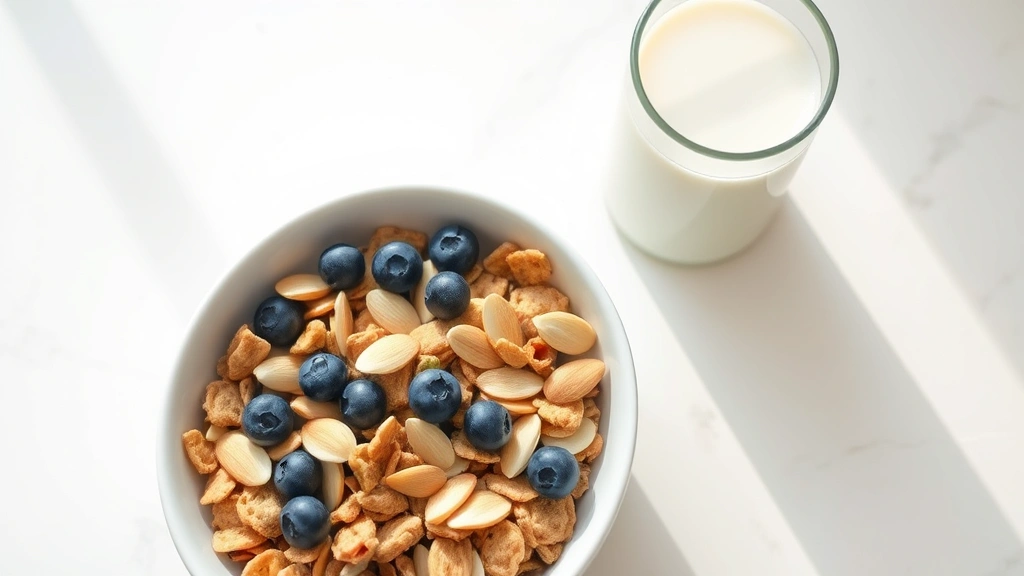
Best Cereal for Weight Loss? Nutritionist Picks
Breakfast sets the tone for your entire day, and choosing the right cereal can make a significant difference in your weight loss journey. While many cereals are loaded with sugar and refined carbohydrates that spike blood glucose and leave you hungry an hour later, certain options provide sustained energy, keep you fuller longer, and support your health goals. As a nutritionist specializing in weight management, I’ve evaluated dozens of cereals to identify which ones truly deserve a place in your pantry.
The key to finding the best cereal for weight loss isn’t about deprivation—it’s about making strategic choices that align with your body’s nutritional needs. A quality breakfast cereal should deliver fiber for satiety, adequate protein to stabilize blood sugar, and minimal added sugars that contribute to calorie creep. This guide breaks down what to look for, reveals top nutritionist-approved picks, and explains how to incorporate cereal into your broader healthy meal plans for weight loss.

What Makes a Weight Loss-Friendly Cereal
Before diving into specific product recommendations, understanding the nutritional criteria that distinguish weight loss-friendly cereals from problematic ones is essential. Too many people select cereals based on marketing claims or childhood nostalgia without examining what’s actually in the bowl.
Fiber Content (8+ grams per serving): Dietary fiber is your secret weapon for weight loss. It slows digestion, promotes feelings of fullness, and helps stabilize blood sugar levels. When you consume adequate fiber, you’re less likely to experience the mid-morning energy crash that sends you hunting for snacks. Research from the Academy of Nutrition and Dietetics demonstrates that individuals consuming 25-35 grams of fiber daily show better weight management outcomes.
Protein (5+ grams per serving): Protein increases satiety hormones and requires more energy to digest than carbohydrates or fats. A cereal containing at least 5 grams of protein per serving helps prevent the rapid blood sugar fluctuations that trigger cravings. This is particularly important because many traditional cereals contain minimal protein, leaving you hungry shortly after eating.
Added Sugar (less than 6 grams per serving): The American Heart Association recommends limiting added sugars to 6 teaspoons (25 grams) daily for women and 9 teaspoons (36 grams) for men. Many popular cereals contain 10-15 grams of sugar per serving alone, consuming your entire daily allowance before lunch. Excess sugar contributes to insulin resistance, which makes weight loss significantly more difficult.
Whole Grains as First Ingredient: Refined grains are stripped of their nutrient-dense bran and germ layers, leaving mostly starch that digests rapidly. Whole grain cereals retain this fiber and nutrient content, providing sustained energy and supporting your metabolic health.

Top Nutritionist-Recommended Cereals
Based on comprehensive nutritional analysis and real-world results with weight loss clients, these cereals consistently deliver on the criteria outlined above:
1. Kashi GO Lean Crunch
This cereal stands out with 9 grams of protein and 8 grams of fiber per serving, making it a powerhouse for satiety. The combination of whole grains, almonds, and seeds provides sustained energy without the sugar crash. With only 6 grams of added sugar, it fits comfortably into a weight loss protocol. Many clients report staying satisfied until lunch when eating this with unsweetened almond milk.
2. Nature’s Path Organic Heritage Flakes
Featuring organic whole grains as the primary ingredient, this option provides 5 grams of fiber and 3 grams of protein with minimal added sugar. It’s an excellent choice for those transitioning from sugary cereals because the subtle sweetness from organic cane juice feels indulgent without derailing progress.
3. Bob’s Red Mill Organic High Fiber
With an impressive 10 grams of fiber per serving and only 1 gram of sugar, this cereal is specifically formulated for digestive health and weight management. The higher fiber content may feel heavier in your stomach, which translates to extended fullness. Pair it with Greek yogurt for added protein.
4. Cascadian Farm Organic Granola
While granola typically carries a reputation as a weight loss enemy due to calorie density, this organic option provides 5 grams of fiber and uses real fruit rather than artificial flavoring. The key is portion control—enjoy a smaller serving mixed with lower-calorie cereals to achieve satisfaction with fewer calories.
High-Fiber Options That Keep You Full
Fiber deserves special attention in any weight loss discussion because it’s the one macronutrient that doesn’t contribute calories in the traditional sense. Your digestive system cannot break down most fiber, so it passes through relatively unchanged while promoting beneficial effects throughout your digestive tract.
Psyllium Husk-Based Cereals: Products like Metamucil-brand cereals contain soluble fiber that absorbs water and expands in your stomach, creating significant volume and fullness signals. A single serving can contain 12+ grams of fiber, making these exceptional choices for appetite control.
All-Bran Buds: These small, concentrated buds pack 13 grams of fiber into a modest serving size. They’re intentionally designed for weight management and digestive health. The intense fiber content means you’ll feel satisfied with smaller portions compared to fluffier cereals.
Fiber One Original: With 14 grams of fiber and only 1 gram of sugar per serving, this cereal demonstrates that weight loss-friendly options don’t require sacrifice. The small serving size (half cup) concentrates nutrients and fiber, promoting satiety on fewer calories.
When increasing fiber intake, do so gradually over 2-3 weeks to allow your digestive system to adapt. Staying hydrated is crucial when consuming high-fiber cereals, as adequate water helps fiber move through your system efficiently.
Protein-Packed Cereals for Sustained Energy
Protein-forward cereals represent a newer category that addresses a significant gap in traditional breakfast options. These cereals typically contain 10-15 grams of protein per serving, approaching the protein content of many protein bars.
Kashi GO Lean Crunch Clusters: This variation contains 12 grams of protein and 7 grams of fiber per serving. The clusters provide satisfying crunch and texture while delivering macronutrient ratios that support sustained energy and reduced appetite.
One Degree Organic Sprouted Cereal: Sprouted grains contain higher protein levels than their non-sprouted counterparts because sprouting activates amino acids. This cereal provides 6 grams of protein with 8 grams of fiber, creating an excellent macronutrient balance.
GoLean Crunch Cereal: Specifically engineered for weight management, this option delivers 13 grams of protein and 6 grams of fiber. The high protein content makes this cereal particularly effective for individuals with active lifestyles who need sustained energy for workouts.
Combining high-protein cereal with Greek yogurt or protein-enriched milk amplifies the satiety effect. This combination can suppress hunger for 4-5 hours, reducing overall calorie intake throughout the day.
Low-Sugar Choices to Avoid Blood Sugar Spikes
Sugar consumption at breakfast sets metabolic patterns for the entire day. When you consume high-sugar cereals, your blood glucose spikes rapidly, triggering an insulin response that stores excess energy as fat. As insulin levels drop, blood sugar crashes, creating intense cravings by mid-morning.
Grape-Nuts: This classic cereal contains zero added sugar and relies on the natural sweetness of whole grains. While less sweet than modern options, it provides 7 grams of fiber and satisfying crunch. Many clients find that their sugar cravings diminish significantly after a few weeks of eating low-sugar breakfasts.
Cheerios and Multi-Grain Cheerios: With less than 2 grams of sugar per serving, plain Cheerios represent a reliable baseline option. While they don’t contain as much fiber as optimal choices, they’re vastly superior to sugary alternatives and provide a gentle introduction to lower-sugar eating.
Cascadian Farm Organic Granola with Protein: Sweetened with organic cane juice rather than high fructose corn syrup, this option contains 8 grams of protein and 3 grams of fiber with only 6 grams of sugar. The protein addition helps moderate blood sugar response.
Reading nutrition labels carefully is non-negotiable. Look for cereals where grams of sugar represent no more than 20% of total carbohydrates. This simple rule filters out the majority of problematic options.
How to Build a Weight Loss Breakfast Bowl
Selecting a quality cereal is just the beginning. How you assemble your breakfast bowl dramatically influences its weight loss effectiveness. Strategic combinations amplify satiety and nutritional value.
The Foundation (Your Cereal): Start with 1 cup of your chosen weight loss-friendly cereal. This provides the base carbohydrates, fiber, and micronutrients. Measure with a scale or measuring cup rather than pouring freely—portion control prevents calorie creep.
The Liquid (Milk Selection Matters): Choose unsweetened almond milk (30 calories per cup), unsweetened oat milk (20 calories per cup), or low-fat Greek yogurt mixed with water (higher protein). Avoid whole milk (150 calories) and flavored varieties (100-150 calories) that add unnecessary sugar.
The Protein Boost: Add 6-8 ounces of plain Greek yogurt (15-20 grams protein), cottage cheese, or protein powder to your cereal. This addition transforms a simple breakfast into a complete meal with balanced macronutrients. Research from the National Institutes of Health shows that high-protein breakfasts reduce overall daily calorie intake by 400+ calories.
The Healthy Fat (Optional but Recommended): Add 1 tablespoon of ground flaxseed, chia seeds, or sliced almonds. These additions provide omega-3 fatty acids, fiber, and satiety without excessive calories. The healthy fat slows digestion and prevents blood sugar spikes.
The Fruit (Fresh, Not Dried): Top with fresh berries (blueberries, strawberries, raspberries) rather than dried fruit. Fresh fruit contains fiber and water that increase volume without excessive calories. Dried fruit concentrates sugars and calories—a quarter cup of dried cranberries contains as many calories as a full cup of fresh berries.
This assembled breakfast typically contains 300-400 calories, 25-35 grams of protein, 10-15 grams of fiber, and minimal added sugar. Research demonstrates that such breakfasts reduce hunger throughout the morning and support weight loss more effectively than low-protein alternatives.
Common Cereal Mistakes That Sabotage Weight Loss
Even when selecting a quality cereal, common preparation and consumption errors undermine weight loss efforts. Being aware of these pitfalls helps you maintain progress.
Mistake 1: Oversized Portions
Serving sizes on cereal boxes are intentionally conservative (typically 3/4 to 1 cup). Most people pour 2-3 times the recommended serving, tripling calorie intake without realizing it. Use a measuring cup for the first two weeks until you develop accurate portion awareness. This single adjustment can create a 300-400 calorie daily deficit.
Mistake 2: Choosing “Low-Fat” Cereals
When manufacturers remove fat from cereals, they typically add sugar to compensate for lost flavor. These “low-fat” options often contain more sugar and fewer satiety-promoting compounds than regular versions. Choose cereals based on fiber and protein content rather than fat reduction claims.
Mistake 3: Adding Too Much Milk
Drowning cereal in milk adds liquid calories that don’t contribute to satiety. Use just enough milk to lightly coat the cereal—typically 3/4 to 1 cup rather than a full bowl of liquid. This approach reduces calorie intake while maintaining the eating experience.
Mistake 4: Ignoring Added Sweeteners
Many “healthy” cereals contain honey, agave, or brown sugar listed as secondary ingredients. These add significant sugar despite the health-conscious branding. Compare total sugar content across options rather than relying on marketing language.
Mistake 5: Eating Cereal as a Snack
When consumed as a standalone snack without protein or fat, cereal provides rapid carbohydrate absorption that spikes blood sugar and creates hunger within 30-60 minutes. Always pair cereal with protein-containing additions if eating outside traditional mealtimes.
Understanding these mistakes empowers you to navigate cereal selection confidently. Your breakfast choices compound over time—small improvements create significant long-term results.
FAQ
What’s the absolute best cereal for weight loss?
No single cereal works universally because individual preferences and nutritional needs vary. However, Kashi GO Lean Crunch consistently ranks highest among nutritionists because it delivers 9 grams of protein, 8 grams of fiber, and only 6 grams of sugar. This macronutrient profile supports sustained satiety and stable blood sugar. Start here if unsure, then adjust based on your preferences and results.
Can I eat cereal every day while losing weight?
Yes, absolutely. Cereal can be part of daily weight loss routines when you select nutritionally sound options and consume appropriate portions. The key is variety—rotate between 2-3 different cereals to ensure diverse nutrient intake and prevent boredom that leads to abandonment. Pair with different toppings and milk alternatives to maintain interest.
How much cereal should I eat per serving?
Follow the serving size listed on the nutrition label, typically 3/4 to 1 cup. Measure portions initially with a measuring cup, as visual estimation usually leads to consuming 1.5-2 times the intended amount. Once you develop portion awareness, you can estimate more accurately. A 300-400 calorie breakfast with adequate protein and fiber provides optimal satiety for weight loss.
Should I choose organic cereal for weight loss?
Organic certification doesn’t automatically mean a cereal supports weight loss. Some organic cereals contain as much sugar as conventional options. Focus on nutritional content—fiber, protein, and added sugar levels—rather than organic labeling. An organic cereal with 12 grams of sugar is less weight-loss friendly than a conventional cereal with 4 grams of sugar.
Can I eat cereal if I have diabetes or metabolic syndrome?
Yes, with careful selection. Individuals managing weight loss and metabolic syndrome benefit from cereals with minimal added sugar and maximum fiber. Kashi GO Lean, Bob’s Red Mill High Fiber, and All-Bran Buds are particularly suitable. Always consult your healthcare provider or registered dietitian for personalized recommendations based on your specific health status.
How does cereal fit into broader weight loss strategies?
Breakfast quality influences entire-day eating patterns. A satisfying breakfast supports best cardio exercises for weight loss by providing sustained energy and preventing mid-morning snacking. Cereal combined with protein creates an accessible breakfast that fits busy schedules while supporting weight management. However, cereal alone isn’t sufficient—sustainable weight loss requires comprehensive approaches including exercise, adequate hydration, and balanced nutrition throughout the day.
Should I switch to cereal if I currently eat other breakfast options?
Not necessarily. Eggs, Greek yogurt, oatmeal, and other protein-rich breakfasts can be equally effective for weight loss. The ideal breakfast is one you’ll consistently enjoy and that keeps you satisfied until lunch. If you currently eat breakfast options you love, there’s no requirement to switch. However, if your current breakfast leaves you hungry by mid-morning, cereal provides an accessible alternative worth exploring.


