
PCOS Weight Loss: Dietitian’s Best Picks for Managing Insulin Resistance and Hormonal Balance
Polycystic ovary syndrome (PCOS) affects millions of women worldwide, and weight management remains one of the most challenging yet transformative aspects of treatment. Unlike standard weight loss approaches, the best diet for PCOS weight loss must address the underlying metabolic dysfunction—specifically insulin resistance—that makes traditional calorie-counting ineffective for many women with this condition.
Registered dietitians specializing in PCOS recognize that successful weight loss requires a multifaceted approach combining strategic nutrition, hormone-aware meal timing, and lifestyle modifications. Research consistently demonstrates that women with PCOS who follow insulin-sensitive dietary patterns experience not only weight reduction but also improved fertility outcomes, clearer skin, and better hormonal balance. This comprehensive guide shares evidence-based strategies that leading nutrition experts recommend for sustainable PCOS weight loss.
Understanding PCOS and Insulin Resistance
Before discussing dietary interventions, it’s essential to understand why PCOS makes weight loss particularly difficult. Approximately 70-80% of women with PCOS have insulin resistance, a metabolic condition where cells don’t respond effectively to insulin signaling. This creates a vicious cycle: elevated insulin levels trigger the ovaries to produce excess androgens (male hormones), which disrupts ovulation and promotes fat storage, particularly around the abdomen.
The American College of Obstetricians and Gynecologists emphasizes that PCOS management requires individualized approaches addressing metabolic dysfunction. Traditional low-fat, high-carbohydrate diets often fail for PCOS patients because they can worsen insulin spikes. Instead, dietitians recommend focusing on foods and eating patterns that minimize blood sugar fluctuations and support insulin sensitivity.
Weight loss of just 5-10% of body weight can significantly improve PCOS symptoms, restore ovulation, and enhance fertility. The key is choosing an eating pattern you can sustain long-term while managing the hormonal aspects unique to PCOS.
The Low-Glycemic Approach: Foundation for PCOS Management
The glycemic index (GI) measures how quickly foods raise blood sugar levels. For PCOS management, prioritizing low-glycemic foods is fundamental because they minimize insulin spikes that exacerbate hormonal imbalance. Leading dietitians specializing in PCOS consistently recommend a low-glycemic eating pattern as the cornerstone of successful weight management.
High-glycemic foods to minimize:
- Refined grains (white bread, regular pasta, white rice)
- Sugary beverages and processed sweets
- Most breakfast cereals and granola
- Instant oatmeal and quick-cooking grains
- High-sugar condiments and sauces
Low-glycemic alternatives dietitians prefer:
- Steel-cut oats and old-fashioned rolled oats
- Legumes (lentils, chickpeas, black beans)
- Non-starchy vegetables (leafy greens, broccoli, bell peppers, zucchini)
- Whole grains in limited portions (quinoa, farro, barley)
- Nuts, seeds, and healthy fats that slow digestion
Research published in the journal Nutrients demonstrates that low-glycemic diets produce superior weight loss outcomes in PCOS populations compared to standard low-fat diets. The mechanism is straightforward: stable blood sugar prevents the insulin spikes that trigger hunger hormones and fat storage signals.
[IMAGE_1]
Protein Priority: Building Satiety and Lean Muscle
Adequate protein intake is non-negotiable for PCOS weight loss success. Protein serves multiple critical functions: it increases satiety, preserves lean muscle during weight loss, supports stable blood sugar, and requires more energy to digest than carbohydrates or fats. Dietitians typically recommend 1.2-1.6 grams of protein per kilogram of body weight for women with PCOS pursuing weight loss.
Consider incorporating a 7-day protein diet plan for weight loss that emphasizes whole food sources. Excellent protein options include:
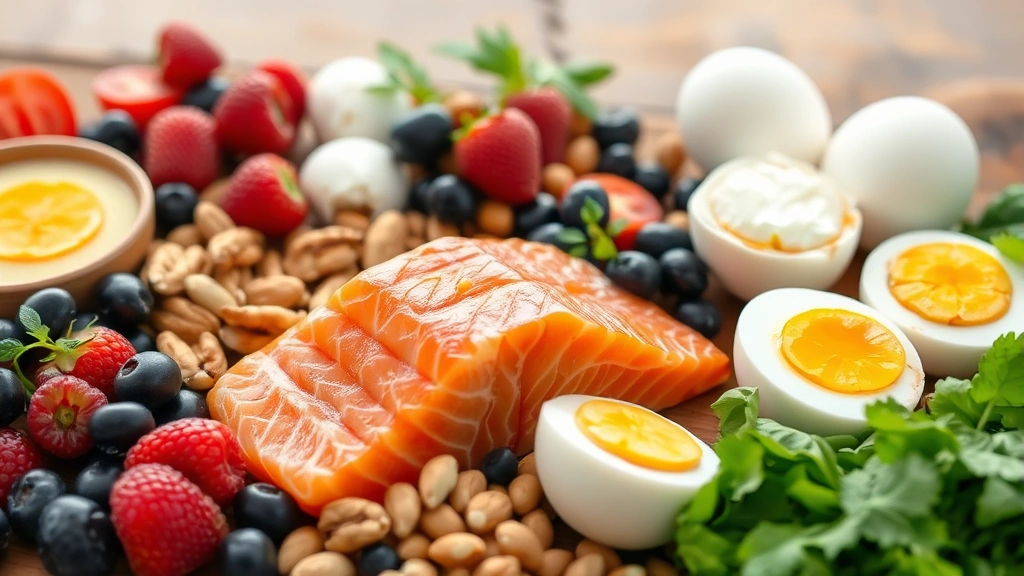
- Fish and seafood: Salmon, sardines, and cod provide omega-3 fatty acids that reduce inflammation
- Poultry: Chicken and turkey offer lean protein with minimal saturated fat
- Eggs: Complete proteins containing choline for metabolic health
- Greek yogurt: High-protein dairy with probiotics for gut health
- Legumes: Beans and lentils combine protein with fiber for sustained satiety
- Tofu and tempeh: Plant-based options with complete amino acid profiles
For convenience, weight loss meal replacement options can support consistent protein intake when whole food preparation isn’t feasible. Additionally, best smoothies for weight loss made with protein powder, Greek yogurt, and low-glycemic fruits provide quick, nutrient-dense options for busy mornings.
Nutrient-Dense Foods Dietitians Recommend
Beyond macronutrient balance, PCOS management requires attention to specific micronutrients that support metabolic health and reduce inflammation. Many women with PCOS have deficiencies in nutrients critical for insulin sensitivity and hormonal regulation.
Anti-inflammatory foods with PCOS benefits:
- Fatty fish: Salmon, mackerel, and sardines provide omega-3s that reduce systemic inflammation
- Berries: Blueberries and raspberries contain anthocyanins with antioxidant properties
- Leafy greens: Spinach and kale deliver magnesium, iron, and polyphenols
- Cruciferous vegetables: Broccoli and Brussels sprouts support estrogen metabolism
- Nuts and seeds: Almonds, walnuts, flaxseeds provide healthy fats and micronutrients
- Extra virgin olive oil: Contains polyphenols with anti-inflammatory effects
The Mediterranean diet pattern aligns exceptionally well with PCOS nutritional needs. Research from the CDC’s nutrition and physical activity resources supports plant-forward eating patterns that emphasize whole foods and healthy fats—precisely what PCOS management requires.
Strategic Meal Timing and Frequency
How you eat matters as much as what you eat. Dietitians recommend consistent meal timing to support stable blood sugar and prevent excessive hunger that leads to poor food choices. Many women with PCOS benefit from three balanced meals with strategic snacking rather than grazing throughout the day.
Optimal meal structure for PCOS:
- Breakfast within 1-2 hours of waking: Combines protein, healthy fat, and low-glycemic carbohydrates to stabilize morning blood sugar. Example: eggs with whole grain toast and avocado
- Mid-morning snack (optional): Small protein-fat combination if needed. Example: apple with almond butter
- Lunch: Substantial meal with protein, non-starchy vegetables, and healthy fat. Example: grilled chicken with roasted vegetables and olive oil
- Afternoon snack (optional): Prevents excessive hunger before dinner. Example: Greek yogurt with berries
- Dinner: Similar protein-vegetable-fat balance as lunch, ideally completed 2-3 hours before sleep
Intermittent fasting requires caution for women with PCOS. While some women benefit from extended fasting periods, others experience worsened insulin resistance. Work with a registered dietitian to determine if intermittent fasting aligns with your individual metabolic profile.
Targeted Supplements and Micronutrients
While food should provide most nutrients, certain supplements support PCOS weight loss and metabolic health. Consult with healthcare providers before starting any supplement regimen.
Evidence-supported supplements for PCOS:
- Inositol and D-chiro-inositol: These compounds improve insulin sensitivity and ovulation rates. Studies show improvements in both metabolic and reproductive outcomes
- Vitamin D: Deficiency is common in PCOS; supplementation supports insulin sensitivity and hormonal balance
- Omega-3 fatty acids: Reduce inflammation and support cardiovascular health, particularly important given PCOS-related metabolic syndrome risk
- Chromium: May improve insulin sensitivity and reduce carbohydrate cravings
- NAC (N-acetylcysteine): Supports insulin sensitivity and antioxidant defense
- Magnesium: Supports insulin sensitivity and may reduce menstrual irregularities
The Journal of Human Reproduction Update published comprehensive evidence on inositol supplementation for PCOS, confirming its role in improving metabolic and reproductive outcomes. However, supplements work best alongside dietary changes, not as replacements for them.
Exercise Synergy: Combining Nutrition with Movement
Nutrition and exercise create synergistic effects for PCOS weight loss. While diet addresses metabolic dysfunction, exercise improves insulin sensitivity, supports lean muscle preservation, and enhances hormonal balance. Dietitians working with PCOS patients emphasize that the right nutritional support enables more effective exercise.
Weight loss and resistance training deserves particular attention for PCOS management. Strength training builds muscle tissue, which improves insulin sensitivity and increases metabolic rate. A balanced exercise program combines:
- Resistance training 2-3 times weekly to build and preserve lean muscle
- Moderate-intensity aerobic activity 150 minutes weekly for cardiovascular health
- Flexibility and stress-reduction practices like yoga or Pilates
Proper nutrition timing around exercise enhances performance and recovery. Consuming protein and carbohydrates within 30-60 minutes post-workout supports muscle repair and replenishes glycogen stores depleted during exercise.
Practical Implementation Strategies
Week 1-2: Assessment and Baseline
Track current eating patterns without judgment. Identify trigger foods that cause bloating, energy crashes, or mood changes. Many women with PCOS discover they’re sensitive to specific carbohydrate sources or inflammatory foods.
Week 3-4: Gradual Modifications
Begin replacing high-glycemic carbohydrates with low-glycemic alternatives. For example, swap white rice for cauliflower rice or quinoa. Add protein to every meal. Increase non-starchy vegetable intake. These changes shouldn’t feel restrictive—focus on addition rather than deprivation.
Week 5+: Habit Solidification
Once initial changes feel manageable, refine meal timing and introduce targeted supplementation. Consider using weight loss and fitness apps to track meals, water intake, and movement without obsessive calorie counting. Some women benefit from working with registered dietitians who can provide personalized meal planning.
Sample day of eating:
- Breakfast: 2-egg omelet with spinach and cheese, 1 slice whole grain toast with butter, ½ avocado
- Mid-morning snack: Apple with 1 tablespoon almond butter
- Lunch: 4 oz grilled chicken breast, 2 cups mixed green salad with olive oil dressing, ½ cup roasted sweet potato
- Afternoon snack: ¾ cup Greek yogurt with ⅓ cup berries
- Dinner: 4 oz baked salmon, 2 cups roasted broccoli and Brussels sprouts with olive oil, ⅓ cup brown rice
Addressing Common Challenges
Cravings often decrease as blood sugar stabilizes, typically within 2-3 weeks of consistent low-glycemic eating. If intense cravings persist, assess sleep quality, stress levels, and whether meals contain sufficient protein and healthy fats. Women with PCOS often find that addressing these foundational factors naturally reduces cravings for processed foods.
Social eating situations don’t require perfection. Choose protein-rich appetizers, request vegetable-based sides, and enjoy moderate portions of foods you enjoy. The goal is sustainable balance, not rigid restriction.

FAQ
How much weight can I expect to lose with a PCOS-specific diet?
Weight loss timelines vary individually, but research shows women with PCOS lose approximately 1-2 pounds weekly when following consistent low-glycemic, protein-adequate eating patterns. More importantly, 5-10% weight loss produces significant improvements in PCOS symptoms, hormone levels, and fertility markers, even without achieving “ideal” body weight.
Is a low-carb diet necessary for PCOS weight loss?
Not necessarily. While some women benefit from very low-carb approaches, others do well with moderate carbohydrate intake focused on low-glycemic sources. The key is finding your individual carbohydrate tolerance through experimentation and working with a registered dietitian. Many women thrive with 40-50% of calories from carbohydrates, provided they’re low-glycemic choices.
Can I lose weight with PCOS without exercise?
Dietary changes alone can produce weight loss, but combining nutrition with exercise creates superior outcomes for PCOS specifically. Exercise improves insulin sensitivity independent of weight loss, addressing the root metabolic dysfunction. Even modest movement—daily walking, gentle strength training—enhances results significantly.
How long until PCOS symptoms improve?
Some women notice improvements within 4-6 weeks of consistent dietary changes: reduced bloating, clearer skin, more stable mood, and improved energy. Hormonal markers like testosterone typically improve within 3 months. Menstrual cycle regularity may take longer, but many women see restoration of ovulation within 3-6 months of sustained weight loss and dietary management.
Should I count calories with PCOS?
Rigid calorie counting often backfires for PCOS because it ignores the hormonal mechanisms driving weight gain. Instead of counting calories, focus on food quality, portion sizes of protein and carbohydrates, and satiety cues. Many women find that eating adequate protein and fat naturally self-regulates calorie intake without conscious restriction.
Can medications like Mounjaro weight loss replace dietary changes for PCOS?
Medications can support weight loss, but dietary changes address the underlying metabolic dysfunction unique to PCOS. The most effective approach combines medication (if prescribed), dietary modifications, exercise, and lifestyle changes. Medications work best when supported by the nutritional strategies outlined in this guide.
What if I have other health conditions alongside PCOS?
PCOS frequently coexists with thyroid dysfunction, autoimmune conditions, or metabolic syndrome. Work with healthcare providers to address all conditions holistically. Some modifications may be necessary—for example, women with hypothyroidism need adequate iodine and selenium, while those with autoimmune conditions may benefit from anti-inflammatory dietary approaches. Personalized nutrition from registered dietitians becomes particularly valuable in complex cases.
Final Thoughts
The best diet for PCOS weight loss is one you can sustain long-term while addressing the insulin resistance and hormonal imbalance underlying your symptoms. Success requires patience—meaningful metabolic changes take time. Work with registered dietitians specializing in PCOS, celebrate non-scale victories like improved energy and hormonal markers, and remember that sustainable weight loss supports not only your appearance but your fertility, cardiovascular health, and overall quality of life. You’re not just losing weight; you’re reclaiming metabolic health.


