Top Weight Loss Drinks? Nutritionist Recommended
When it comes to shedding pounds, most people focus on food choices—but what you drink matters just as much. The beverages you consume throughout the day can either support your weight loss goals or sabotage them entirely. Many popular drinks are loaded with hidden sugars, artificial sweeteners, and empty calories that add up quickly without providing satiety or nutritional value. Understanding which drinks truly support weight loss, backed by nutritional science, can be a game-changer for your wellness journey.
This comprehensive guide explores the best drinks for weight loss, recommended by registered dietitians and backed by clinical research. Whether you’re looking to boost your metabolism, reduce appetite, or simply replace calorie-dense beverages with healthier alternatives, these evidence-based recommendations will help you make smarter hydration choices. Let’s dive into the science behind each drink and discover how to incorporate them strategically into your daily routine.
Water: The Foundation of Weight Loss
Water remains the single most important beverage for weight loss, yet it’s often overlooked in favor of more exotic options. Drinking adequate water supports your body’s natural metabolic processes, aids digestion, and helps regulate appetite hormones. Research published in clinical nutrition journals demonstrates that drinking water before meals increases satiety and reduces overall calorie intake by approximately 13-30 percent.
The mechanism is straightforward: water fills your stomach, triggering stretch receptors that signal fullness to your brain. This happens before your body absorbs significant calories, making water an excellent appetite suppressant. Additionally, proper hydration supports your liver’s ability to metabolize fat efficiently. When you’re dehydrated, your kidneys demand assistance from your liver, which diverts the liver from its fat-burning function.
Aim for at least 8-10 glasses of water daily, adjusting upward if you exercise regularly or live in a hot climate. Drinking water first thing in the morning jumpstarts your metabolism and helps flush out overnight metabolic waste. Infusing water with cucumber, lemon, or mint can improve palatability without adding significant calories, making it easier to maintain consistent hydration habits throughout your day.
Green Tea and Catechins
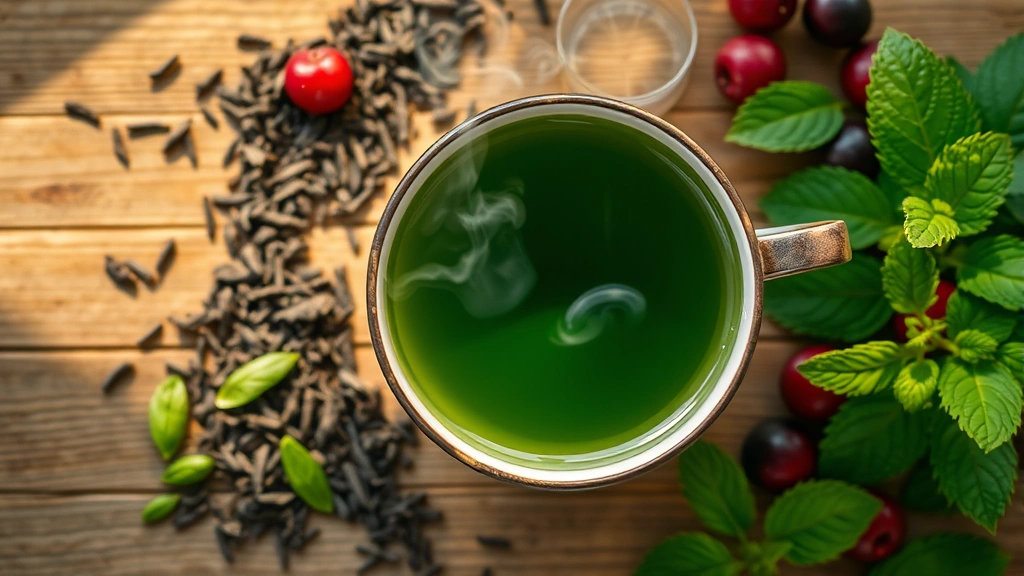
Green tea stands out as one of the most researched beverages for weight management, thanks to its powerful catechin content—particularly a compound called EGCG (epigallocatechin gallate). Multiple clinical studies from registered dietitian organizations confirm that green tea’s catechins work synergistically with caffeine to enhance fat oxidation, especially during exercise.
The weight loss mechanism involves thermogenesis—the process of heat production in your body. Green tea catechins increase fat burning by approximately 4-5 percent when consumed regularly. Studies show that individuals consuming green tea extract while engaging in weight loss and interval training experienced significantly greater fat loss compared to placebo groups. The beverage also contains L-theanine, an amino acid that promotes relaxation without drowsiness, helping manage stress-related eating.
To maximize green tea’s weight loss benefits, brew it properly: use water between 160-180°F for 3-5 minutes to extract optimal catechin levels without creating a bitter taste. Aim for 2-3 cups daily, spacing them throughout the day. Avoid adding honey, sugar, or high-calorie milk alternatives, as these negate the drink’s metabolic advantages. Best weight loss shakes often incorporate green tea extract for additional metabolic support.
Research from the National Institutes of Health demonstrates that green tea consumption correlates with improved cardiovascular health markers alongside weight reduction, making it a comprehensive wellness beverage.
Black Coffee for Metabolism
Coffee is often misunderstood in weight loss discussions, but black coffee—consumed without added sugars, cream, or syrups—is genuinely beneficial for metabolic health. Caffeine is a natural thermogenic agent that increases your resting metabolic rate by 3-11 percent, depending on individual factors like body composition and caffeine sensitivity.
Beyond thermogenesis, coffee improves mental clarity and exercise performance, allowing you to work out with greater intensity and duration. Studies show that caffeine consumption 30-60 minutes before exercise enhances fat oxidation, particularly in moderate-intensity workouts. Additionally, coffee acts as a mild appetite suppressant, reducing hunger signals for 1-3 hours after consumption.
The optimal approach involves drinking black coffee—no sugar, artificial sweeteners, or high-fat creamers. If you need flavor, add a small amount of unsweetened almond milk or cinnamon. Limit consumption to 3-4 cups daily to avoid jitteriness, sleep disruption, or increased anxiety. Timing matters: consume coffee in the morning or early afternoon to prevent sleep interference, which negatively impacts weight loss by disrupting hormonal balance and increasing cortisol levels.
Important note: if you’re considering pharmaceutical weight loss support alongside coffee consumption, consult healthcare providers about potential interactions. Those using Mounjaro weight loss medications should discuss caffeine intake with their prescribing physician.
Apple Cider Vinegar Drinks
Apple cider vinegar (ACV) has gained significant popularity in weight loss communities, with some claims bordering on miraculous. While the research is less robust than for green tea or coffee, several studies suggest modest benefits for weight management and metabolic health.
The active compound in apple cider vinegar is acetic acid, which may enhance satiety and improve insulin sensitivity. A notable study published in a peer-reviewed nutrition journal found that participants consuming vinegar with meals experienced 23 percent greater fullness and reduced subsequent calorie intake. Acetic acid may also slow gastric emptying—the rate at which food leaves your stomach—prolonging the feeling of fullness.
To use apple cider vinegar safely, dilute 1-2 tablespoons in 8 ounces of water and drink before meals. Never consume undiluted vinegar, as the acidity can damage tooth enamel and irritate your digestive tract. Some people experience improved digestion and reduced bloating, though individual responses vary significantly. If you have a history of acid reflux or gastroparesis, consult a registered dietitian before incorporating ACV into your routine.
The weight loss benefits from ACV are modest—typically 1-3 pounds over several months when combined with calorie reduction and exercise. It’s not a miracle solution, but a supportive tool within a comprehensive weight management strategy.
Protein-Rich Smoothies
Protein smoothies represent one of the most versatile options for weight loss when formulated correctly. High-protein beverages increase satiety significantly more than carbohydrate or fat-based drinks, reducing overall daily calorie intake by promoting fullness and reducing hunger hormones like ghrelin.
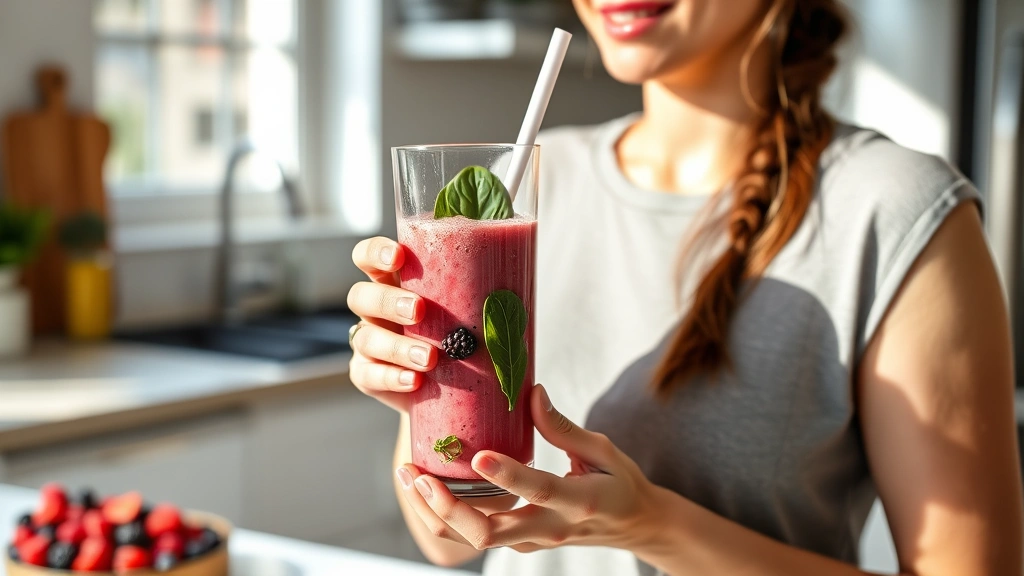
Our guide to best weight loss shakes details specific recipes and protein sources. The ideal weight loss smoothie contains 20-30 grams of protein, primarily from sources like Greek yogurt, whey protein powder, or plant-based alternatives like pea or hemp protein. Combine protein with fiber-rich ingredients such as berries, spinach, or ground flaxseed to enhance satiety further.
Avoid common smoothie pitfalls: excessive fruit (which adds natural sugars), honey or agave, nut butter beyond one tablespoon, and full-fat dairy products. A properly formulated protein smoothie contains 150-250 calories and can serve as a meal replacement for breakfast or lunch. Research confirms that protein-based meal replacements support sustainable weight loss while preserving lean muscle mass during calorie restriction.
For comprehensive nutritional guidance on incorporating protein throughout your diet, review our article on weight loss and high protein diet, which details macronutrient distribution and protein timing for optimal results.
Herbal Teas and Infusions
Beyond green tea, numerous herbal options support weight loss through various mechanisms. Oolong tea, a traditional Chinese beverage, contains catechins similar to green tea and may promote fat oxidation more effectively due to its unique oxidation process. Studies show oolong drinkers experienced weight reductions and improved metabolic markers over 12 weeks.
Peppermint tea aids digestion and may reduce appetite sensations. The menthol in peppermint relaxes digestive muscles, improving nutrient absorption and reducing bloating. Ginger tea promotes thermogenesis and may reduce nausea, particularly helpful if you experience appetite-suppressing medication side effects. Hibiscus tea contains compounds that may reduce fat accumulation and support healthy blood pressure—important for overall cardiovascular health during weight loss.
White tea represents another excellent option, offering similar catechins to green tea with a milder, more delicate flavor. Some people find white tea more palatable for extended daily consumption. Brew all herbal teas with filtered water at appropriate temperatures to preserve beneficial compounds while avoiding bitterness that might tempt you to add sweeteners.
The key advantage of herbal teas is their minimal calorie content combined with hydration benefits. Drinking herbal tea satisfies the psychological desire for a flavorful beverage without the caloric cost of sugary drinks or high-fat coffee preparations.
Sparkling Water Alternatives
Many people struggle to drink adequate plain water due to boredom or preference for carbonation and flavor. Sparkling water provides a refreshing alternative that maintains hydration benefits while offering more sensory stimulation than still water.
Choose plain sparkling water or naturally flavored varieties without artificial sweeteners, which may trigger metabolic dysregulation in some individuals. Brands offering genuine fruit essence flavoring without aspartame or sucralose are preferable. Avoid commercial sparkling drinks sweetened with sugar or high-fructose corn syrup—these contain as many calories as regular soda despite marketing suggesting otherwise.
You can create custom sparkling water drinks by adding a splash of fresh lemon, lime, or berry juice to unsweetened carbonated water. This approach satisfies the desire for flavor while keeping added sugars minimal. Some people find that carbonation provides additional satiety signals, making sparkling water particularly helpful for appetite management.
The psychological benefit of sparkling water shouldn’t be underestimated: if it encourages you to drink more total fluids and replace sugary beverages, the net weight loss impact is substantial. Track your beverage consumption for one week to identify opportunities where sparkling water could replace higher-calorie options.
Lemon Water Benefits
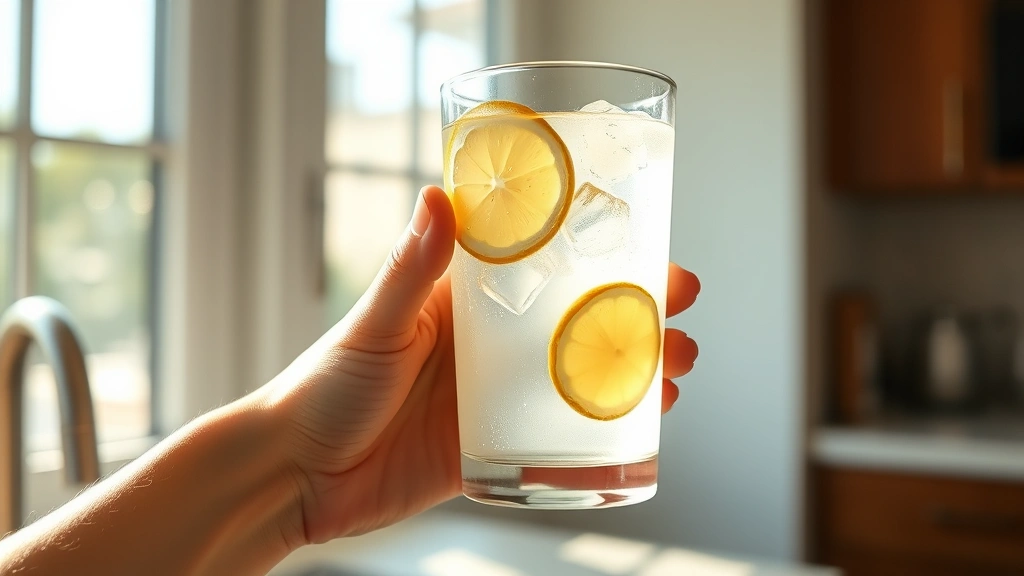
Lemon water combines the hydration benefits of water with compounds that may support weight loss and overall health. Lemons contain vitamin C, which supports immune function and collagen synthesis, and citric acid, which may enhance mineral absorption and support digestive health.
While lemon water doesn’t directly burn fat, the ritual of drinking it can support weight loss through improved hydration consistency and potential appetite suppression. Warm lemon water first thing in the morning may stimulate digestive function and support liver health. The acidity aids the liver’s detoxification processes, though the liver’s primary function—fat metabolism—requires overall calorie deficit and exercise.
One practical advantage: lemon water tastes better than plain water to many people, increasing daily fluid consumption. Since dehydration often masquerades as hunger, improved hydration through more palatable beverages can reduce unnecessary snacking. Squeeze half a fresh lemon into 8-16 ounces of water and drink throughout the day.
Avoid bottled lemon juice in favor of fresh-squeezed when possible—bottled versions often contain added sugars and preservatives. If you have sensitive teeth, drink lemon water through a straw to minimize enamel contact. After drinking, rinse your mouth with plain water to protect dental health.
FAQ
What’s the best drink for weight loss?
Water remains the gold standard—it’s free, calorie-free, supports all metabolic processes, and increases satiety. Green tea and black coffee offer additional metabolic benefits when consumed without added sugars or high-calorie additions. The best drink for you personally depends on your preferences, caffeine sensitivity, and lifestyle factors.
Can diet soda support weight loss?
While diet soda contains zero calories, evidence suggests artificial sweeteners may trigger metabolic dysregulation in some individuals, potentially increasing cravings for sweet foods. Research from obesity medicine associations remains mixed, but water-based beverages are clearly superior for sustainable weight loss. If you currently drink regular soda, transitioning to diet versions is a reasonable intermediate step, but ultimately replacing soda with water, tea, or sparkling water yields better results.
How much green tea should I drink daily?
Two to three cups of green tea daily provides optimal catechin benefits without excessive caffeine. Each cup contains approximately 25-50 mg of caffeine (compared to 95-200 mg in coffee), making it suitable for most people. Brew properly at 160-180°F for 3-5 minutes to maximize active compound extraction.
Are weight loss drinks effective without diet changes?
No. Beverages support weight loss within the context of overall calorie deficit and healthy eating patterns. You cannot out-drink poor nutrition choices. Think of weight loss drinks as tools that enhance a comprehensive approach including nutritious whole foods, consistent exercise, adequate sleep, and stress management. Our article on weight loss quotes includes motivational perspectives on sustainable habit change.
Can I drink these beverages while using weight loss medications?
Generally yes, but consult your healthcare provider about potential interactions. If you’re using Mounjaro weight loss medications or similar pharmaceutical interventions, discuss caffeine intake and any supplement-based beverages with your prescribing physician to ensure compatibility and optimize results.
What about coconut water or sports drinks?
Coconut water and sports drinks, while containing beneficial electrolytes, typically contain 9-15 grams of natural sugars per serving. For weight loss purposes, these are suboptimal unless you’re exercising intensely for 60+ minutes. For general hydration and weight management, water-based beverages remain superior. Reserve coconut water for post-intense exercise when carbohydrate replenishment supports recovery.
How quickly will I see results from drinking these beverages?
Weight loss from beverage changes alone occurs gradually—typically 1-3 pounds monthly depending on overall caloric intake and exercise. The benefit isn’t dramatic overnight transformation, but rather sustainable, consistent progress. Most people notice improved energy, reduced bloating, and better appetite control within 1-2 weeks of optimizing beverage choices.


