
Top Weight Loss Drinks? Nutritionist Recommends
Finding the right beverages to support your weight loss journey can be a game-changer. While no drink alone will melt away pounds, certain beverages can significantly enhance your metabolic rate, reduce appetite, and support your overall health when combined with balanced nutrition and regular physical activity. As a nutritionist specializing in weight management, I’ve identified the most effective drinks that have strong scientific backing and deliver real results for my clients.
The beverages you choose throughout the day matter more than many people realize. Sugary sodas, energy drinks, and fancy coffee beverages can easily add 500+ calories daily without providing satiety or nutritional value. In contrast, strategic drink choices can suppress hunger hormones, boost your metabolism, and help you maintain consistent energy levels while in a caloric deficit. Let’s explore the top weight loss drinks that actually work, based on current nutrition science and clinical evidence.
Water: The Foundation of Weight Loss
Water remains the single most important beverage for weight loss, yet it’s often overlooked in favor of trendy alternatives. Drinking adequate water boosts your resting metabolic rate by approximately 30% for up to 40 minutes after consumption—a phenomenon called thermogenesis. Research published by the Journal of Clinical Endocrinology & Metabolism demonstrates that increasing water intake by just 1.5 liters daily can lead to significant weight loss over time.
Beyond metabolism, water acts as a natural appetite suppressant. When you drink water before meals, you consume fewer calories because your stomach sends fullness signals to your brain more quickly. Many people confuse thirst with hunger, leading to unnecessary snacking. Replacing high-calorie beverages with water can create a caloric deficit of 200-300 calories daily without any dietary changes.
For optimal results, aim for half your body weight in ounces of water daily, adjusting for climate, activity level, and individual needs. Starting your morning with 16-20 ounces of water activates your digestive system and jumpstarts your metabolism. Adding lemon or cucumber creates a refreshing option that encourages consistent hydration without added calories.
Green Tea and Metabolic Benefits
Green tea stands out among weight loss beverages due to its unique combination of caffeine and catechins—powerful antioxidants that enhance fat oxidation. Multiple clinical studies show that individuals consuming green tea experience greater fat loss, particularly abdominal fat, compared to control groups. The catechin EGCG (epigallocatechin gallate) works synergistically with caffeine to increase fat burning by up to 17% during moderate exercise.
The beauty of green tea is its low calorie content (essentially zero without additions) paired with sustained energy without the jitters associated with coffee. Drinking 3-4 cups daily, spread throughout the day, provides optimal catechin intake for metabolic enhancement. Research from the American Journal of Clinical Nutrition indicates that green tea consumption correlates with improved weight loss outcomes, particularly when combined with regular exercise.
For maximum benefit, steep green tea for 3-5 minutes to allow full catechin extraction. Avoid adding honey or sugar, which negates the weight loss benefits. White tea and oolong tea offer similar advantages, with oolong showing particularly strong results for metabolic rate enhancement and fat utilization during physical activity.
Protein Shakes for Satiety
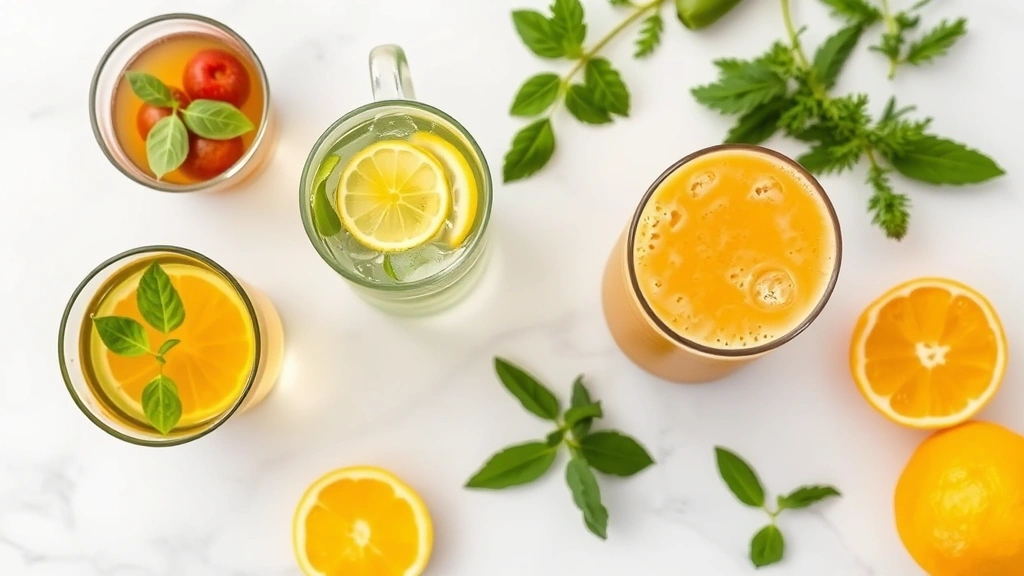
When you’re looking to incorporate protein shakes for weight loss, you’re tapping into one of the most researched nutritional strategies for appetite control. Protein triggers the release of peptide YY and GLP-1, hormones that signal fullness to your brain. Consuming a protein shake can reduce hunger for 2-3 hours, making it easier to maintain a caloric deficit without constant food cravings.
The thermic effect of protein is superior to carbohydrates and fats—your body burns 20-30% of protein calories during digestion compared to 5-10% for carbs. This means a 200-calorie protein shake actually costs your body 40-60 calories to process, creating additional metabolic advantage. Whey protein isolate offers the fastest absorption and highest amino acid profile, while plant-based options work well for those with dairy sensitivities.
Consider exploring weight loss smoothie recipes that combine protein powder with fiber-rich ingredients like spinach, berries, and ground flaxseed. These combinations provide sustained satiety while keeping calories controlled. For the best results, check out our guide to best protein shakes for weight loss to identify options aligned with your dietary preferences and fitness goals.
Aim for 20-40 grams of protein per shake, depending on your body weight and activity level. Consuming a protein shake post-workout supports muscle recovery while maintaining your caloric deficit—essential when combined with weight loss and resistance training strategies.
Black Coffee: More Than Just Caffeine
Black coffee deserves recognition as a legitimate weight loss tool, not merely a morning ritual. Caffeine increases fat mobilization by stimulating the nervous system and enhancing adrenaline release. Studies show that 400mg of caffeine daily (roughly 4 cups of coffee) can increase fat burning by 10-15%, with effects most pronounced in individuals who aren’t regular caffeine consumers.
The key is drinking coffee black—without cream, sugar, or specialty additions that transform a zero-calorie beverage into a 300-calorie indulgence. A single venti vanilla latte contains more calories than some people consume in a full meal. Black coffee provides sustained energy, improved mental focus, and enhanced exercise performance without any nutritional downside.
Timing matters when optimizing coffee for weight loss. Consuming coffee 30-60 minutes before exercise amplifies fat oxidation during your workout. The caffeine also suppresses appetite, making it easier to maintain your caloric deficit. However, avoid coffee after 2 PM if sleep quality affects your recovery and metabolic function—poor sleep can sabotage weight loss efforts by disrupting hunger hormones.
Apple Cider Vinegar Drinks
Apple cider vinegar (ACV) has gained popularity for weight loss support, and preliminary research supports some claims. The acetic acid in ACV improves insulin sensitivity, helping your body utilize glucose more efficiently and reducing fat storage. A study published in the Journal of the American Dietetic Association found that consuming vinegar with meals improved satiety and reduced overall calorie intake.
To use ACV for weight loss, mix 1-2 tablespoons of raw, unfiltered apple cider vinegar with 8 ounces of water. Never drink undiluted ACV, as the acidity can damage tooth enamel and irritate your esophagus. Consume this mixture 15-30 minutes before meals to maximize appetite suppression and blood sugar stabilization.
While ACV isn’t a magic solution, it serves as an effective complement to a comprehensive weight loss strategy. The sour taste can also help reduce cravings for sweet beverages, making it psychologically helpful for those transitioning away from sugary drinks. Some people find that ACV drinks reduce bloating and support digestive health, providing additional benefits beyond weight loss.
Herbal Teas for Weight Management
Beyond green tea, numerous herbal options support weight loss through different mechanisms. Oolong tea increases fat oxidation and metabolic rate similarly to green tea. Peppermint tea aids digestion, reduces bloating, and may help suppress appetite. Ginger tea boosts thermogenesis and provides anti-inflammatory benefits, particularly valuable if exercise-related inflammation impacts your recovery.
Hibiscus tea contains compounds that inhibit amylase enzymes responsible for carbohydrate digestion, potentially reducing calorie absorption. Chamomile tea, while not directly weight-loss promoting, supports better sleep quality—crucial since poor sleep increases hunger hormones and cravings for high-calorie foods. Rooibos tea provides a naturally sweet flavor without calories, helping satisfy desires for flavored beverages.
The advantage of herbal teas is their versatility and minimal calorie content. You can enjoy them hot or cold, experiment with combinations, and find options that suit your palate. Drinking herbal teas throughout the day provides hydration while delivering specific health benefits. Aim for 3-5 cups daily, choosing varieties based on your specific goals—metabolic enhancement, digestion support, or sleep improvement.
Bone Broth and Collagen Beverages
Bone broth has emerged as a nutrient-dense beverage supporting weight loss through multiple pathways. Rich in collagen, gelatin, and amino acids like glycine and proline, bone broth promotes satiety and supports gut health. The amino acid profile enhances muscle recovery, particularly important when combining weight loss efforts with strength training for fat loss.
Collagen peptides dissolved in warm water or coffee provide similar benefits in a more convenient format. Consuming 10-20 grams of collagen daily supports skin elasticity during weight loss, reducing the appearance of loose skin. The high protein content promotes satiety and increases thermogenesis, making bone broth an excellent meal replacement or between-meal beverage.
Bone broth is particularly valuable for individuals following low-carb or intermittent fasting protocols, as it provides nutrients and satiety without breaking a fast (depending on fasting approach). Homemade bone broth offers superior nutrient density compared to commercial versions, though quality store-bought options provide convenient alternatives. Consume 1-2 cups daily as part of your weight loss beverage strategy.
Vegetable Juices and Smoothies
While whole vegetables are preferable for weight loss (due to fiber retention), vegetable juices offer benefits when prepared thoughtfully. Fresh vegetable juices, particularly those emphasizing leafy greens, cucumbers, and celery, are nutrient-dense with minimal calories. The key is avoiding fruit-heavy juices, which concentrate natural sugars without providing satiety benefits.
Vegetable smoothies combining greens, protein powder, healthy fats (avocado or nut butter), and low-glycemic fruits create balanced beverages supporting weight loss. The fiber from whole vegetables and fruits enhances satiety significantly compared to juices alone. A well-formulated vegetable smoothie containing 25+ grams of protein and 5+ grams of fiber can serve as a complete meal replacement.
The advantage of vegetable-based beverages is their micronutrient density. While you can lose weight consuming less nutritious options, nutrient-rich drinks reduce deficiency risks during caloric restriction. This supports sustained energy, better workout performance, and improved body composition—since nutrient deficiencies can impair muscle preservation during weight loss.
FAQ
What’s the best weight loss drink if I’m always on the go?
Water remains your best option—it requires no preparation and works everywhere. If you want additional benefits, prepare a large batch of green tea in the morning and sip throughout the day, or purchase convenient protein shake options that require only water or milk. Black coffee from any café also works well when ordered without additions.
Can I drink diet sodas instead of these beverages?
While diet sodas contain zero calories, they offer no nutritional benefit and may actually increase cravings for sweet foods through artificial sweeteners. Research suggests that artificial sweeteners can disrupt metabolic processes and appetite regulation. The beverages recommended here provide active weight loss support rather than merely avoiding calories.
How much water should I drink daily for weight loss?
Aim for half your body weight in ounces, plus an additional 16-20 ounces for every 30 minutes of exercise. A 180-pound person should consume approximately 90-100 ounces daily, adjusting for climate and activity level. Thirst and urine color serve as reliable indicators—pale yellow urine suggests adequate hydration.
Are these drinks effective without diet and exercise changes?
No single beverage creates weight loss independently. These drinks enhance results when combined with a caloric deficit and regular physical activity. They work by increasing satiety, boosting metabolism, and reducing hunger—making it easier to maintain the lifestyle changes necessary for sustainable weight loss. Consider pairing beverage strategies with guidance from a weight loss coach for comprehensive support.
Which drink provides the fastest weight loss results?
No drink causes rapid weight loss safely. Sustainable weight loss occurs at 1-2 pounds weekly through consistent caloric deficit and lifestyle changes. Green tea, protein shakes, and water provide the strongest scientific evidence for supporting weight loss when combined with proper nutrition and exercise. Consistency matters more than choosing one “perfect” drink.
Can I drink these beverages if I have health conditions?
Most recommendations suit general populations, but individual needs vary. Those with caffeine sensitivity should limit coffee and tea. People with acid reflux should avoid ACV. Individuals with kidney issues may need modified water intake. Consult with a registered dietitian or healthcare provider before significantly changing your beverage consumption, particularly if you have existing health conditions.
What about visible results from beverage changes alone?
Beverage optimization typically contributes 10-20% to overall weight loss results. The remaining 80-90% depends on diet quality, portion control, exercise consistency, and lifestyle factors like sleep and stress. However, proper hydration and strategic beverage choices make these other factors significantly easier to execute, creating a compound effect that drives visible transformations.


