
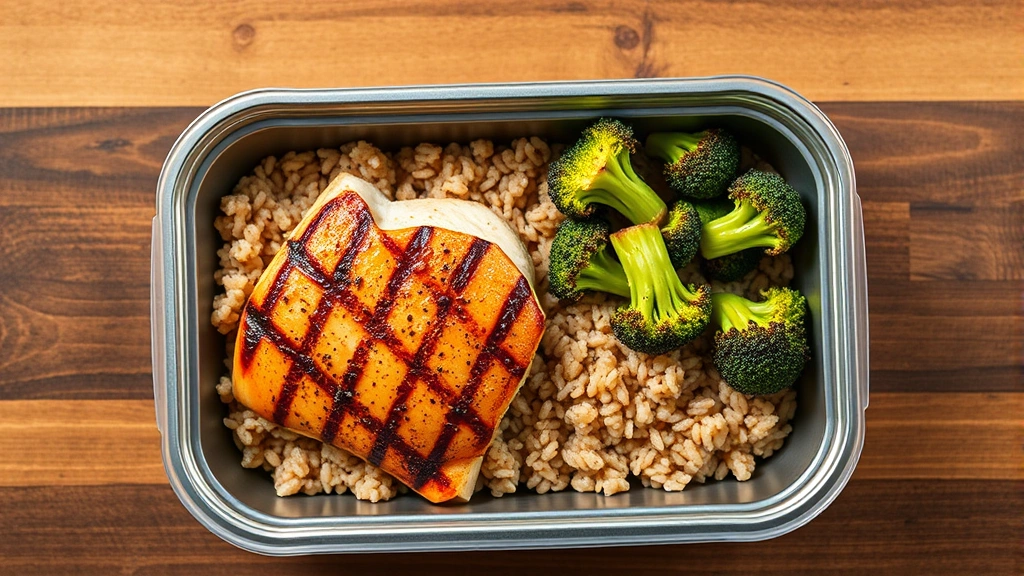
Top Frozen Meals for Weight Loss? Nutritionist Picks
Finding nutritious, convenient meals that support your weight loss goals doesn’t require hours in the kitchen. Frozen meals have evolved dramatically over the past decade, and many now offer genuinely healthy options packed with protein, fiber, and essential nutrients while keeping calories in check. Whether you’re managing a busy schedule, traveling, or simply looking for reliable portion-controlled options, quality frozen meals can be a legitimate part of a sustainable weight loss strategy.
The key to success with frozen meals lies in understanding nutrition labels, choosing options that prioritize whole ingredients, and complementing them with fresh produce and adequate hydration. This guide walks you through the best frozen meal options available, how to evaluate them critically, and how to integrate them into a comprehensive weight loss approach that includes regular physical activity and mindful eating habits.

Why Frozen Meals Work for Weight Loss
Frozen meals support weight loss through several mechanisms. First, they provide built-in portion control, eliminating the guesswork about serving sizes that often leads to overeating. A pre-portioned meal removes the temptation to add extra calories through oversized helpings. Second, quality frozen options preserve nutritional value through flash-freezing technology, which locks in vitamins and minerals at peak ripeness—often better than fresh produce transported long distances.
Third, frozen meals reduce decision fatigue. When you’re tired, stressed, or hungry, making healthy choices becomes harder. Having grab-and-go healthy options prevents you from defaulting to high-calorie takeout or processed convenience foods. Research from the CDC on nutrition and weight management emphasizes that consistency and convenience are critical factors in sustainable weight loss.
Additionally, many frozen meals offer superior nutritional profiles compared to restaurant meals and fast food. They’re often developed with registered dietitians who optimize macronutrient ratios for satiety and metabolic health. This is particularly valuable when you’re trying to maintain steady energy levels and avoid blood sugar crashes that trigger cravings.

Top Nutritionist-Recommended Frozen Meal Brands
Freshly stands out for personalized meal plans developed by registered dietitians. Their meals typically range from 500-700 calories with balanced macronutrients. They use real ingredients, minimal preservatives, and offer flexibility to adjust portions and dietary preferences. The convenience factor—meals arrive fresh and ready to heat—makes adherence easier.
Factor delivers chef-prepared meals with transparent nutrition information. Most options fall between 400-800 calories and emphasize whole foods without artificial ingredients. They accommodate various dietary approaches including keto, vegan, and high-protein, making them adaptable to different weight loss strategies.
Nutrisystem remains a classic choice specifically designed for weight loss. Their meals are portion-controlled and nutritionally balanced to support steady fat loss. While some consider them less “gourmet” than newer options, their proven track record and accessibility make them reliable for structured weight loss programs.
Lean Cuisine has significantly upgraded their offerings. Many frozen options now contain 300-400 calories with increased protein and fiber. Their affordability and widespread availability in standard grocery stores make them practical for budget-conscious dieters.
Home Chef provides chef-prepared meals with flexible portions. Their meals emphasize fresh ingredients and avoid excessive sodium, which is important for managing water retention during weight loss.
What to Look for in Weight Loss Frozen Meals
Protein content matters most. Aim for 20-35 grams of protein per meal. Protein increases satiety, preserves muscle mass during weight loss, and has a higher thermic effect than carbohydrates or fat, meaning your body burns more calories digesting it. This is why protein-rich smoothies are also popular weight loss tools.
Fiber should be substantial. Look for at least 5-8 grams per meal. Fiber slows digestion, stabilizes blood sugar, and promotes feelings of fullness. It also supports healthy gut bacteria, which emerging research links to weight management.
Sodium levels deserve attention. Frozen meals often contain 600-1200 mg of sodium. While not inherently problematic, excessive sodium causes water retention that can discourage people on the scale. Aim for options under 800 mg when possible, or balance higher-sodium meals with plenty of water and fresh vegetables.
Ingredient quality matters. Review the ingredient list for whole foods you recognize. Avoid meals with long lists of artificial preservatives, colors, or sweeteners. Look for meals featuring recognizable proteins (chicken breast, salmon, lean beef) rather than processed meat products.
Calorie density should match your goals. Most weight loss frozen meals range from 300-600 calories. Choose based on your total daily calorie target and whether you’ll pair the meal with sides. A 400-calorie meal plus a salad with vinaigrette gives you a complete, satisfying lunch around 500 calories.
Sugar content requires scrutiny. Aim for less than 8 grams of added sugar per meal. High sugar content causes blood sugar spikes and crashes that trigger cravings. Check labels carefully—some “health-focused” meals hide significant sugar in sauces.
Meal Prep Strategies with Frozen Options
Strategic use of frozen meals maximizes weight loss results. Create a rotation system where you stock 5-7 different meals. This prevents taste fatigue and ensures you’re not relying on a single meal type daily. Variety also ensures broader nutrient coverage.
Consider mixing frozen meals with fresh components. A frozen protein-and-grain base becomes more satisfying with added fresh vegetables, a side salad, or fresh fruit. This approach provides more volume and fiber while maintaining calorie control. For instance, pair a frozen rice bowl with a large garden salad dressed lightly with vinegar.
Use frozen meals strategically throughout your week. Reserve them for your busiest days when cooking isn’t realistic. On less hectic days, prepare fresh meals to maintain cooking skills and food enjoyment. This balance prevents the “diet fatigue” that derails many weight loss efforts.
Pair frozen meals with hydration strategies. Drink water or unsweetened beverages for weight loss throughout the day. Proper hydration supports metabolism, reduces false hunger, and helps your body process the sodium in frozen meals.
According to research published in Nutrients journal on meal planning and adherence, structured meal approaches—including frozen meals—improve long-term compliance compared to unstructured dieting.
Common Mistakes When Choosing Frozen Meals
Assuming “diet” labeled meals are always healthy. Many “light” or “lean” options still contain excessive sodium, added sugars, or minimal protein. Always read the full nutrition label rather than relying on marketing claims.
Choosing meals based on taste alone. While enjoyment matters for sustainability, prioritizing taste over nutrition often means selecting higher-calorie, less satisfying options. Find the balance by selecting brands known for both flavor and nutrition.
Relying exclusively on frozen meals. Eating only frozen food misses the nutritional benefits of fresh vegetables, whole grains, and diverse food sources. Frozen meals should comprise 30-50% of your meals, with the remainder from fresh cooking.
Ignoring portion control with “healthy” brands. Even nutritious frozen meals can lead to overeating if you consume multiple servings or pair them with high-calorie additions. Stick to the labeled serving size and be mindful of what you add.
Overlooking individual dietary needs. Someone managing metabolic syndrome or PCOS has different nutritional requirements than someone without these conditions. Choose meals aligned with your specific health profile.
Combining Frozen Meals with Fresh Foods
The most sustainable approach combines frozen meals with fresh ingredients. Build complete meals strategically. A frozen protein-focused entrée becomes more balanced with added fresh vegetables and a whole grain. This increases meal volume, fiber, and nutrient density without excessive calories.
Enhance with fresh vegetables. Pair a frozen meal with a large side salad, steamed broccoli, roasted Brussels sprouts, or raw vegetable crudités. These additions provide minimal calories while increasing satiety and micronutrient content.
Add healthy fats thoughtfully. A drizzle of extra virgin olive oil on roasted vegetables, a small handful of nuts, or a quarter avocado complements frozen meals while supporting nutrient absorption and hormone health.
Include whole grains when needed. If your frozen meal is light on carbohydrates, add a small portion of brown rice, quinoa, or sweet potato to sustain energy and prevent overeating later.
Research from the Academy of Nutrition and Dietetics supports combining convenience foods with whole foods as a practical, adherence-friendly approach to weight loss.
Remember that sustainable weight loss combines proper nutrition with consistent exercise, adequate sleep, and stress management. Frozen meals are one valuable tool within a comprehensive lifestyle approach.
FAQ
Are frozen meals really effective for weight loss?
Yes, when chosen thoughtfully. Frozen meals provide portion control, convenience, and nutritional consistency. Studies show that structured meal approaches improve adherence to weight loss programs. However, they work best as part of a comprehensive strategy including fresh foods, physical activity, and behavioral changes.
Can I eat frozen meals every day?
While possible, it’s not ideal. Eating frozen meals exclusively limits nutrient diversity and misses benefits of fresh, whole foods. Aim for frozen meals comprising 30-50% of your meals, with the remainder from fresh cooking.
What’s the ideal calorie range for frozen weight loss meals?
Most weight loss frozen meals range from 300-600 calories. Your ideal range depends on your total daily calorie goal and whether you’ll add sides. A common approach uses 400-500 calorie meals as your main meal base, then adds fresh vegetables and modest proteins.
How do I avoid sodium overload with frozen meals?
Choose meals with less than 800 mg sodium when possible. Drink plenty of water throughout the day to help your body process sodium. Balance higher-sodium frozen meals with fresh, low-sodium foods at other meals.
Are expensive meal delivery services better than grocery store frozen meals?
Not necessarily. Premium services like Freshly and Factor offer convenience and customization, but quality grocery store brands like Lean Cuisine and Nutrisystem can be equally effective and more affordable. Choose based on your budget and lifestyle needs.
What if I have specific dietary restrictions?
Most major frozen meal brands now offer keto, vegan, gluten-free, and dairy-free options. Check with your healthcare provider or registered dietitian about which approach aligns with your health conditions and weight loss goals.
Should I avoid frozen meals with medical weight loss treatments?
Frozen meals can work alongside medical treatments, but discuss with your prescribing physician. Some medications affect appetite or nutrient absorption, requiring meal adjustments.