Best Granola for Weight Loss? Nutritionist Picks
Granola often gets a bad reputation in weight loss circles, and for good reason—many commercial varieties pack 300+ calories and 15+ grams of sugar per serving. But here’s the truth: granola doesn’t have to sabotage your weight loss goals. When chosen strategically and portioned mindfully, granola can be a satisfying, nutrient-dense breakfast or snack that supports sustainable weight management.
The key lies in understanding what makes granola weight-loss friendly versus what turns it into a calorie bomb. Most people don’t realize that the difference between a granola that derails progress and one that supports it often comes down to ingredient quality, portion size, and how you incorporate it into your overall nutrition plan. This guide breaks down everything you need to know about selecting and enjoying granola while pursuing weight loss.
Why Granola Gets a Bad Reputation for Weight Loss
Granola’s poor standing in the weight loss community stems from legitimate nutritional concerns. Traditional granola is made by mixing oats, nuts, and dried fruit with oils and sweeteners—sometimes honey, sometimes refined sugar—then baking until crispy. A single cup of conventional granola contains 400-600 calories, often with 15-25 grams of sugar and minimal fiber relative to its calorie content.
The problem isn’t necessarily the ingredients themselves; it’s the combination and concentration. Oats are whole grains rich in soluble fiber. Nuts provide healthy fats and protein. Dried fruit offers vitamins and minerals. But when these components are bound together with added oils and sweeteners, portions become dangerously easy to exceed. Most people pour what they think is a reasonable serving—typically a cup or more—without realizing they’ve consumed 400+ calories before adding milk or yogurt.
Additionally, granola’s caloric density means it doesn’t provide the same satiety as other breakfast options with equivalent calories. A bowl of granola with milk might leave you hungry two hours later, while weight loss protein shakes or egg-based breakfasts keep you satisfied longer. This hunger gap often leads to mid-morning snacking, undermining weight loss efforts.
[IMAGE_1]
What to Look For in Weight-Loss-Friendly Granola
Finding granola that supports weight loss requires reading labels carefully and understanding key nutritional markers. Here’s what registered dietitians recommend prioritizing:
- Calories per serving: Look for granolas with 150-200 calories per ¼ cup serving. Anything higher requires extremely disciplined portioning.
- Protein content: Aim for at least 5-7 grams of protein per serving. Protein increases satiety and helps preserve muscle during weight loss.
- Fiber: Minimum 3-4 grams per serving. Fiber slows digestion, promotes fullness, and stabilizes blood sugar.
- Sugar: No more than 5-8 grams per serving. Many “healthy” granolas hide 12-15 grams of sugar in their nutrition labels.
- Fat quality: Granolas made with nuts, seeds, and coconut oil are preferable to those with refined vegetable oils.
- Whole grains: The first ingredient should be whole grain oats, not rolled oats or oat flour.
- Minimal added sweeteners: Avoid granolas with multiple sweetening agents (honey, brown sugar, coconut sugar) listed in the top five ingredients.
According to the American Heart Association, added sugars should constitute less than 6% of daily caloric intake for women and 9% for men. A granola with 15 grams of added sugar in a single serving can easily exceed these daily targets.
Nutritionist-Recommended Granola Brands
Several granola brands have earned recognition from nutrition professionals for their weight-loss-friendly formulations:
- Nature’s Path Organic Granola: Typically 150 calories per ⅓ cup serving with 5 grams sugar and 4 grams protein. Made with organic oats and minimal additives.
- Purely Elizabeth Ancient Grain Granola: Features 200 calories per ¼ cup with 6 grams protein and 4 grams fiber. Includes sprouted grains for improved nutrient bioavailability.
- One Degree Organic Sprouted Granola: 180 calories per serving, 6 grams protein, 3 grams sugar. Emphasizes sprouted grains and seeds.
- Allulose-Sweetened Options: Newer granolas sweetened with allulose (a sugar alcohol with minimal caloric impact) offer 150-170 calories per serving with less than 1 gram net carbs.
- Store-Brand High-Protein Granola: Many retailers now offer private-label granolas with 8-10 grams protein and reduced sugar, often at lower price points than premium brands.
Individual tolerance varies, so testing different brands helps identify which works best with your digestion and satiety patterns.
How to Portion Granola for Weight Loss
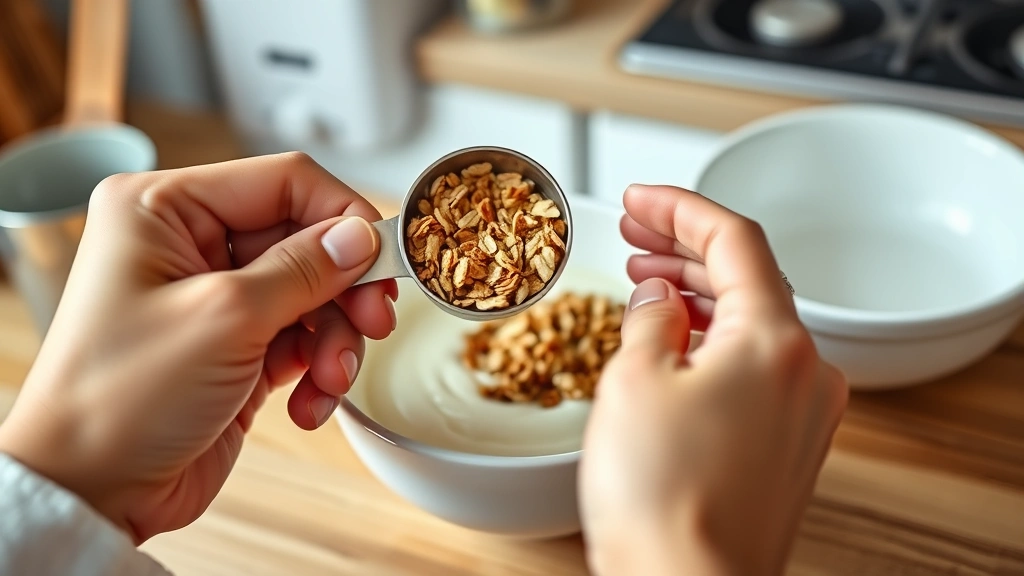
Portion control determines whether granola supports or sabotages weight loss. The nutrition label’s “serving size” is typically ¼ cup—roughly a small handful—which shocks most people accustomed to generous bowls of breakfast cereal.
Practical portioning strategies include:
- Use a food scale: Weigh granola for the first week to calibrate your eye. Most people dramatically underestimate portion sizes without measurement.
- Pre-portion into containers: Divide a box of granola into individual containers immediately after purchase. This removes the temptation to eyeball larger servings.
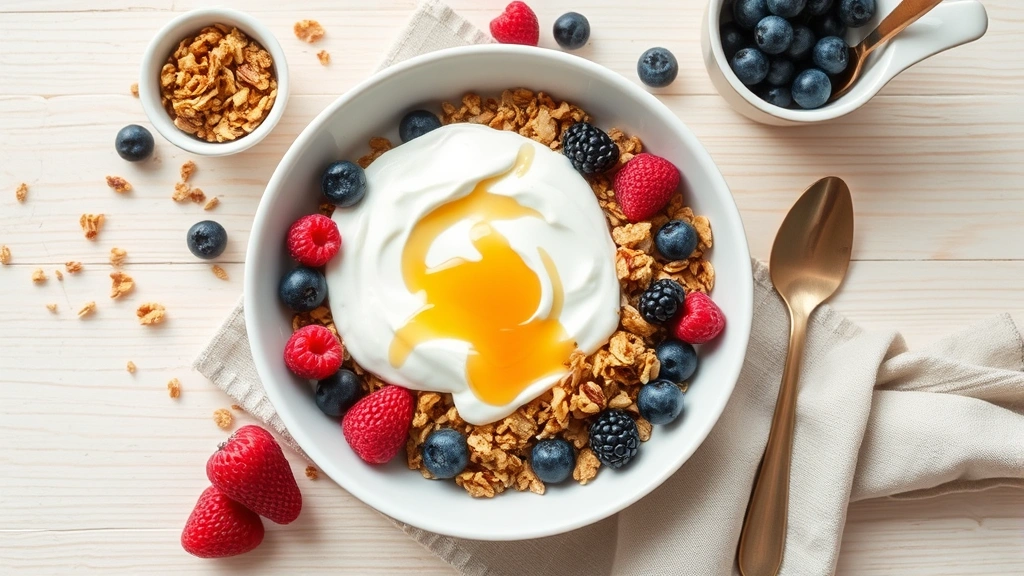
- Mix with lower-calorie bases: Combine 2 tablespoons of granola with 1 cup of plain Greek yogurt or cottage cheese. The creamy base stretches the granola further while adding protein.
- Layer in parfaits: Create layers alternating granola with berries and yogurt. This visual variety makes smaller portions feel more substantial.
- Sprinkle rather than pour: Use granola as a topping rather than the main component of breakfast. This naturally limits quantity while adding texture and flavor.
When incorporated into healthy meal plans for weight loss, granola typically occupies 100-150 calories of your breakfast macronutrient budget, leaving room for protein-rich dairy or plant-based options.
Best Ways to Eat Granola While Losing Weight
Strategic pairing maximizes granola’s benefits while minimizing hunger risk. Consider these combinations:
- Granola + Greek yogurt: 2 tablespoons granola with 1 cup plain Greek yogurt (0% fat) provides approximately 180 calories, 25 grams protein, and sustained satiety. The protein-to-calorie ratio is exceptional for weight loss.
- Granola + cottage cheese: Similar to yogurt but with slightly higher protein density. Add berries for additional fiber and micronutrients.
- Granola + milk: 2 tablespoons granola in 1 cup unsweetened almond milk (30 calories) creates a 130-calorie breakfast that works well for lighter eating days.
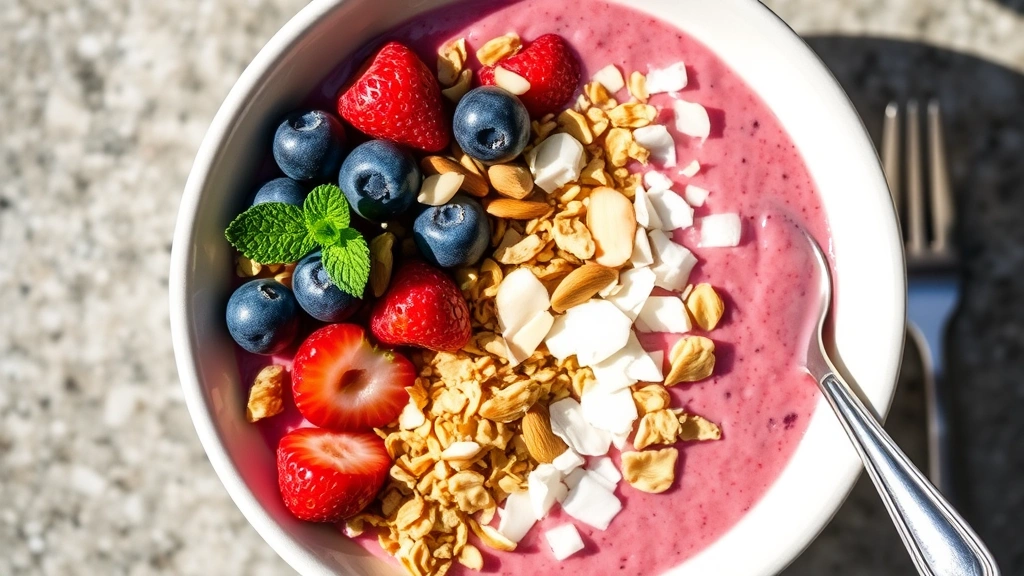
- Granola in smoothie bowls: Blend frozen fruit, protein powder, and milk into a thick smoothie base, then top with 2-3 tablespoons granola. The smoothie base provides satiety; granola adds crunch and satisfaction.
- Granola as snack component: Mix 1 tablespoon granola with ¼ cup nuts and dried fruit for a portable 150-calorie snack that pairs well with afternoon workouts.
The common thread in weight-loss-friendly granola consumption is pairing it with protein and fat sources. These macronutrients slow gastric emptying and extend satiety, preventing the blood sugar crashes that trigger cravings.
Homemade Granola Recipes for Weight Loss
Making granola at home provides complete control over ingredients and sweetness levels. Here’s a basic weight-loss-friendly recipe:
Low-Sugar Homemade Granola (makes 8 servings of ¼ cup each)
- 2 cups old-fashioned rolled oats
- ½ cup raw almonds, roughly chopped
- ¼ cup raw pumpkin seeds
- ¼ cup unsweetened coconut flakes
- 3 tablespoons coconut oil, melted
- 2 tablespoons allulose or monk fruit sweetener
- 1 teaspoon vanilla extract
- ½ teaspoon cinnamon
- ¼ teaspoon sea salt
Instructions: Combine dry ingredients in a bowl. Mix wet ingredients separately, then combine both mixtures until oats are evenly coated. Spread on parchment-lined baking sheet. Bake at 325°F for 20-25 minutes, stirring every 5 minutes to prevent burning. Cool completely before storing. Each ¼ cup serving contains approximately 160 calories, 5 grams protein, 3 grams fiber, and 2 grams sugar.
Homemade versions typically cost 40-60% less than premium store-bought brands while allowing customization for personal preferences. Some people add nutrient-dense additions like ground flaxseed or chia seeds for additional fiber and omega-3 fatty acids.
Common Granola Mistakes That Sabotage Progress
Understanding what derails weight loss helps avoid costly dietary errors:
- Misjudging portion sizes: Pouring granola straight from the box without measuring. A typical bowl often contains 300+ calories—nearly 20% of a 1,500-calorie daily budget.
- Choosing granola with hidden sugars: Products marketed as “natural” or “organic” often contain as much sugar as conventional granola. “Honey clusters” and “maple granola” are particular offenders.
- Pairing with sweetened dairy: Combining granola with flavored yogurts or sweetened milk drinks adds 100+ additional calories and 10+ grams sugar.
- Eating granola on its own: Without protein and fat accompaniment, granola causes rapid blood sugar spikes followed by crashes that trigger overeating.
- Treating granola as a “free” food: Because it’s whole grain and contains nuts, some people assume granola is calorically negligible. It’s not.
- Consuming granola bars as meal replacements: Granola bars typically contain 150-250 calories but lack the protein and fiber needed for meal-level satiety.
Research published in the New England Journal of Medicine on weight loss maintenance emphasizes that dietary adherence matters more than any single food choice. If granola makes you feel deprived, you’re more likely to abandon your weight loss plan entirely.
For those seeking comprehensive nutrition guidance, consulting a registered dietitian through the Academy of Nutrition and Dietetics provides personalized strategies for incorporating preferred foods into weight loss plans. Additionally, The Obesity Society publishes evidence-based recommendations for sustainable weight management that can inform granola selection.
Incorporating granola into smoothie recipes for weight loss offers another delicious option that combines satiety with satisfaction. The key is treating granola as a strategic ingredient rather than the foundation of breakfast.
For those combining dietary changes with physical activity, understanding how walking or running impacts weight loss helps create comprehensive lifestyle strategies. Medication users should also understand how treatments like Mounjaro weight loss by week interact with nutritional choices.
FAQ
Can I eat granola every day and still lose weight?
Yes, if you choose low-calorie, high-protein granola and maintain strict portion control. Eating 2 tablespoons of granola daily (approximately 80-100 calories) paired with protein-rich dairy is sustainable for most weight loss plans. However, many people find it easier to rotate breakfast options to prevent monotony and ensure diverse nutrient intake.
What’s the difference between granola and muesli for weight loss?
Muesli typically contains less added sugar and oil than granola, making it slightly more weight-loss-friendly in raw form. However, both require careful portioning and pairing with protein. The best choice depends on individual preference and satiety response.
Are granola bars better than loose granola for weight loss?
Granola bars are portion-controlled, which helps some people avoid overeating. However, most bars contain 150-250 calories with minimal protein and fiber, making them less satiating than loose granola paired with yogurt or milk. They work better as snacks than breakfast.
Which is better for weight loss: granola or cereal?
High-protein, low-sugar granola generally edges out most cereals because nuts and seeds provide more sustained satiety. However, some high-protein cereals with 10+ grams protein per serving rival granola nutritionally. Compare nutrition labels rather than assuming granola is automatically superior.
How much granola can I eat on a weight loss diet?
For most 1,500-calorie weight loss diets, 2-3 tablespoons of granola daily (150-225 calories) fits comfortably when paired with other breakfast components. For 2,000-calorie diets, 3-4 tablespoons (225-300 calories) is reasonable. Adjust based on individual caloric needs and satiety response.
Does homemade granola have fewer calories than store-bought?
Homemade and store-bought granolas contain similar calorie densities (approximately 160-200 calories per ¼ cup) when made with comparable ingredients. The advantage of homemade granola is reduced sugar content and ingredient transparency, not necessarily lower calories.


