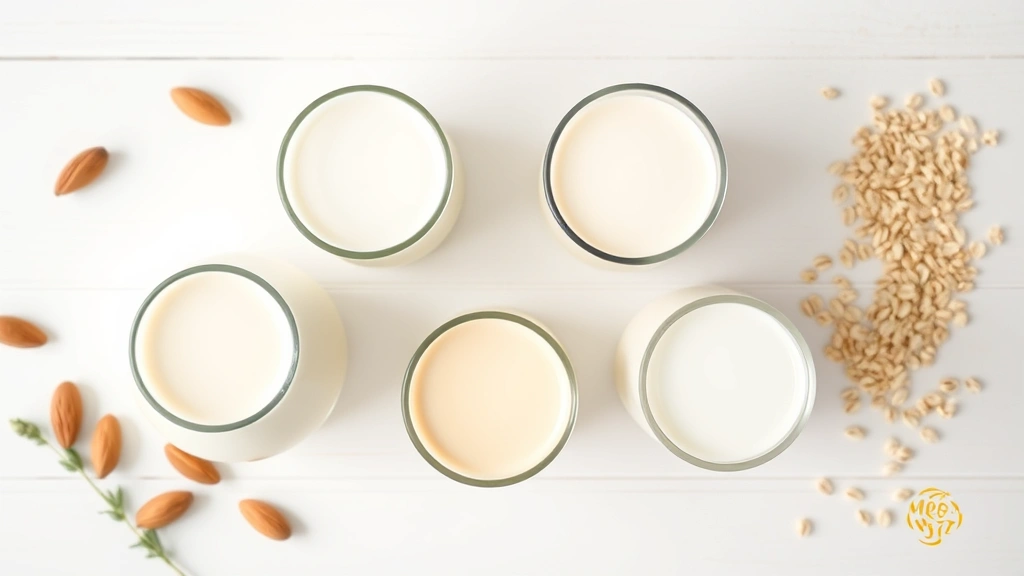
Best Milk for Weight Loss? Nutritionist’s Pick
Choosing the right milk can be a surprisingly powerful lever in your weight loss journey. While milk is often overlooked in weight management discussions, the type you consume directly impacts your calorie intake, hunger hormones, and nutrient absorption. From creamy whole milk to trendy plant-based alternatives, each option carries distinct nutritional profiles that either support or hinder your goals.
As a nutritionist specializing in weight loss strategies, I’ve worked with countless clients who were surprised to learn that their daily milk choice was sabotaging their progress. The good news? Making an informed switch can provide sustainable results without requiring extreme dietary restrictions. This guide breaks down every major milk option, examines the science behind weight loss nutrition, and reveals which milk truly deserves a place in your weight management plan.

How Milk Affects Weight Loss
Milk influences weight loss through multiple mechanisms that extend beyond simple calorie counting. The protein content in milk triggers satiety signals in your brain, reducing overall calorie consumption throughout the day. Additionally, dairy products contain bioactive compounds that may enhance fat metabolism and preserve lean muscle mass during caloric restriction.
Research published in the American Journal of Clinical Nutrition demonstrates that dairy protein is particularly effective for appetite suppression. The leucine content in milk proteins activates mTOR pathways, which regulate muscle protein synthesis and metabolic rate. This means that choosing a high-protein milk option can literally help your body burn more calories at rest.
The type of carbohydrates in milk also matters significantly. Added sugars in flavored varieties spike insulin levels, promoting fat storage and energy crashes that trigger hunger. Conversely, unsweetened options provide stable energy without the metabolic disruption. When combined with strategies like weight loss without exercise, choosing the right milk becomes even more critical since you’re relying on nutrition to do the heavy lifting.

Comparing Milk Options by Calories and Protein
Understanding the nutritional comparison of different milks is essential for making evidence-based choices. Here’s how the major options stack up per 8-ounce serving:
- Whole Milk: 150 calories, 8g protein, 8g fat
- 2% Milk: 120 calories, 8g protein, 5g fat
- Skim Milk: 80 calories, 8g protein, 0g fat
- Unsweetened Almond Milk: 30 calories, 1g protein, 2.5g fat
- Unsweetened Oat Milk: 30 calories, 2g protein, 1.5g fat (fortified varieties vary)
- Unsweetened Coconut Milk: 40 calories, 0g protein, 4g fat
- Unsweetened Soy Milk: 80 calories, 7g protein, 4g fat
The protein-to-calorie ratio reveals important distinctions. Dairy milk provides approximately 8 grams of protein per 100 calories, while most plant-based options deliver significantly less unless fortified. This matters because protein is the most satiating macronutrient and has the highest thermic effect of food, meaning your body burns calories digesting it.
Skimmed and Low-Fat Milk
Skim milk has long been positioned as the weight loss champion, and there’s legitimate science supporting this claim. With only 80 calories per 8-ounce serving and 8 grams of protein, skim milk provides maximum protein with minimal caloric investment. The protein density makes it exceptional for preserving muscle mass during weight loss, which is crucial for maintaining metabolic rate.
However, the conventional wisdom about skim milk requires nuance. Some research suggests that the removal of fat may reduce fat-soluble vitamin absorption and leave consumers feeling less satisfied, potentially leading to increased consumption of other foods. A meta-analysis from the National Center for Biotechnology Information found that low-fat dairy consumption showed modest weight loss benefits compared to whole milk, though the differences were not dramatic.
The key advantage of skim milk lies in its versatility and palatability. Many people find it easier to consume consistently in coffee, smoothies, and with meals. When you’re working on maintaining weight loss, consistency matters more than perfection. If skim milk helps you stick to your plan, it’s the right choice for you.
Unsweetened Almond Milk
Unsweetened almond milk has become wildly popular among weight loss enthusiasts, and the numbers explain why. At just 30 calories per serving with negligible sugar, it’s essentially a free pass for adding creaminess to beverages and recipes. The minimal caloric impact makes it an excellent choice for people counting calories strictly.
The critical limitation is protein content. Standard almond milk contains only 1 gram of protein per 8 ounces, making it inadequate as a standalone protein source. This matters because insufficient protein intake during weight loss leads to muscle loss and metabolic slowdown. However, protein-fortified almond milk varieties now offer up to 10 grams per serving, making them competitive with dairy options.
Almond milk also lacks the micronutrient density of dairy milk. While manufacturers fortify it with calcium and vitamin D, the bioavailability of these synthetic additions doesn’t match naturally occurring nutrients. If you choose almond milk, ensure it’s specifically fortified and consider supplementing with additional protein sources throughout the day.
Oat Milk for Weight Management
Oat milk represents a middle ground between plant-based convenience and nutritional substance. Containing 2-3 grams of protein per serving in standard varieties (and up to 10 grams in protein-boosted versions), oat milk provides more satiety than almond alternatives while remaining relatively low in calories.
The beta-glucan fiber in oats offers unique metabolic advantages. This soluble fiber slows gastric emptying, creating prolonged fullness and stabilizing blood sugar levels. When incorporated into weight loss smoothie recipes, oat milk’s natural creaminess and fiber content create exceptionally satiating beverages that can substitute for higher-calorie snacks.
One consideration: some commercial oat milk products contain added sugars and oils that inflate calorie content to 150+ calories per serving. Always check labels for unsweetened varieties with minimal additives. The environmental sustainability of oat milk also appeals to health-conscious consumers, though this shouldn’t override nutritional considerations when weight loss is the goal.
Plant-Based Alternatives
Soy Milk: Soy milk stands out among plant-based options for its exceptional protein content—7 grams per 8-ounce serving rivals dairy milk. It contains all nine essential amino acids, making it a complete protein source. For vegans and lactose-intolerant individuals pursuing weight loss, unsweetened soy milk is often the optimal choice. Research in the Journal of the Academy of Nutrition and Dietetics confirms soy milk’s effectiveness for weight management when unsweetened varieties are selected.
Coconut Milk (Beverage): Coconut milk beverages differ significantly from canned coconut milk used in cooking. The beverage versions contain 40 calories and minimal protein per serving. While MCT oil in coconut milk has been touted for metabolic benefits, the evidence is modest and doesn’t justify the protein deficit compared to other options. Reserve coconut milk for culinary applications rather than as a primary beverage.
Rice Milk: Rice milk typically contains 110+ calories per serving with negligible protein. Its high carbohydrate content and rapid glucose absorption make it suboptimal for weight loss. Most nutritionists recommend avoiding rice milk in favor of alternatives offering better macronutrient profiles.
Whole Milk and Weight Loss
Whole milk has been somewhat unfairly demonized in weight loss circles. At 150 calories per 8-ounce serving with 8 grams of protein and 8 grams of fat, whole milk is calorie-dense but not nutritionally inferior for weight management when portions are controlled.
Recent evidence suggests that whole milk consumption may actually support weight loss better than previously thought. The fat content increases satiety and fat-soluble vitamin absorption (vitamins A, D, E, and K). A landmark study from Harvard University found that individuals consuming full-fat dairy had lower obesity risk than those consuming low-fat alternatives, possibly because greater satisfaction prevented compensatory overeating.
The key is portion control and context. One 8-ounce glass of whole milk fits easily into a weight loss plan, but consuming multiple servings daily adds 300+ calories that could derail progress. Whole milk works best for people who prioritize satiety and nutrient density over absolute calorie minimization. Combined with best vegetables for weight loss, whole milk provides nutritional completeness that supports sustainable eating patterns.
Practical Tips for Choosing Milk
Read Labels Carefully: Marketing terms like “natural,” “healthy,” and “light” don’t guarantee weight loss benefits. Focus on three metrics: calories, protein, and added sugars. Avoid any product with more than 5 grams of added sugar per serving.
Match Milk to Your Goals: If maximizing satiety is your priority, choose dairy skim milk or fortified soy milk. If minimizing calories matters most, unsweetened almond or oat milk works. If nutrient density is paramount, whole milk or fortified soy milk provides superior micronutrient profiles.
Consider Your Lifestyle: Some people thrive with strict calorie counting and benefit from 30-calorie almond milk. Others find that slightly more calorie-dense options with higher protein keep them satisfied and consistent. Neither approach is inherently superior—adherence trumps perfection.
Monitor Portion Sizes: Even the best milk can sabotage weight loss if consumed excessively. Standard serving sizes are 8 ounces, though many people pour considerably more. Using measuring cups for the first week helps calibrate proper portions.
Evaluate Your Broader Diet: Milk choice matters less than overall nutritional quality. Someone drinking almond milk while consuming processed foods will lose less weight than someone drinking whole milk while eating whole foods. Ensure your milk selection aligns with broader dietary patterns emphasizing whole grains, lean proteins, and adequate vegetables.
Track Your Response: Individual responses to different milks vary based on metabolism, food preferences, and digestive factors. Try each option for one week while tracking your progress effectively, noting hunger levels, energy, and weight trends. Your optimal choice emerges from personal experimentation.
Account for Hidden Calories: Flavored milk varieties contain 20-30 grams of added sugar and 200+ calories per serving. Even seemingly innocent additions like honey or vanilla can double the caloric impact. Stick with unsweetened varieties and add your own flavorings if desired, controlling quantities precisely.
Combine with Protein: Regardless of which milk you choose, pair it with additional protein sources throughout the day. A glass of almond milk with breakfast should be accompanied by eggs, Greek yogurt, or other protein-rich foods to meet daily requirements (0.7-1 gram per pound of body weight for weight loss).
When considering your overall health, remember that weight loss and blood pressure management often improve together through consistent dietary improvements. The milk you choose is one component of a comprehensive nutritional strategy.
FAQ
Which milk has the most protein for weight loss?
Dairy milk (skim, 2%, or whole) and fortified soy milk tie with approximately 8 grams of protein per 8-ounce serving. Protein-fortified plant-based milks now match this level as well. Among unfortified options, soy milk naturally contains the most protein.
Is almond milk good for weight loss?
Unsweetened almond milk is excellent for reducing calorie intake due to its minimal caloric content (30 calories per serving). However, its protein deficit (1 gram per serving) makes it insufficient as a standalone protein source. Protein-fortified almond milk varieties overcome this limitation and become competitive for weight loss purposes.
Can I drink milk every day while losing weight?
Yes, consuming milk daily supports weight loss when portions are controlled and unsweetened varieties are selected. Most weight loss plans accommodate 1-2 servings of milk daily (80-150 calories depending on type), fitting comfortably within caloric targets while providing essential nutrients and satiety.
Does whole milk prevent weight loss?
Whole milk doesn’t inherently prevent weight loss. While it contains more calories than skim milk, its superior satiety and nutrient density may actually support weight loss by preventing overeating. The key is portion control—one 8-ounce glass fits easily into most weight loss plans.
What’s the best milk for weight loss smoothies?
For smoothies, choose based on your protein needs and calorie target. Skim milk or fortified soy milk provide maximum protein with moderate calories. Unsweetened almond or oat milk work if you’re adding protein powder separately. Avoid flavored varieties and always measure portions precisely.
Should I switch from whole milk to skim for weight loss?
Switching to skim milk typically saves 70 calories per 8-ounce serving compared to whole milk. Over a year, this amounts to 25,550 calories—approximately 7 pounds of fat loss if all else remains constant. However, if whole milk keeps you more satisfied and prevents overeating, the metabolic advantage may be minimal.


