Top Protein Shakes for Weight Loss? Nutritionist Picks
Protein shakes have become a cornerstone of modern weight loss strategies, and for good reason. When formulated thoughtfully, they can support your body composition goals by preserving lean muscle mass, reducing hunger, and fitting seamlessly into a structured nutrition plan. However, not all protein shakes are created equal—many commercial options are loaded with added sugars, artificial ingredients, and excessive calories that can actually sabotage your progress.
In this comprehensive guide, we’ll explore the science behind protein and weight loss, review the best protein shake options available, and show you how to integrate them effectively into your overall strategy. Whether you’re looking to replace a meal, create a convenient snack, or support your workout recovery, you’ll find evidence-based recommendations from nutrition experts to help you make the right choice.
Why Protein Matters for Weight Loss
Protein is the macronutrient most strongly associated with satiety—the feeling of fullness that keeps you satisfied between meals. According to research published in the American Journal of Clinical Nutrition, protein has a higher thermic effect than carbohydrates or fats, meaning your body burns more calories simply digesting protein. This metabolic advantage, combined with appetite suppression, makes protein a valuable tool when you’re working to create a calorie deficit.
When you’re in a calorie deficit for weight loss, your body doesn’t just lose fat—it can also break down muscle tissue for energy. Adequate protein intake, especially when combined with strength training exercises for weight loss, helps preserve your lean muscle mass. This is crucial because muscle tissue is metabolically active; it burns calories at rest and helps maintain your metabolism even as the number on the scale decreases.
Most nutrition experts recommend consuming 0.7 to 1 gram of protein per pound of body weight during weight loss phases. For someone weighing 180 pounds, that translates to 126–180 grams of protein daily. Protein shakes offer a convenient way to reach these targets without spending hours preparing elaborate meals.

Key Nutrients to Look For
Not every protein shake supports weight loss equally. When evaluating options, nutritionists focus on several critical factors:
- Protein content: Aim for at least 20–30 grams per serving. Higher protein content increases satiety and supports muscle preservation.
- Added sugars: Many commercial shakes contain 15–25 grams of added sugar per serving—equivalent to a candy bar. Look for products with less than 5 grams of added sugar.
- Calorie count: A weight loss shake should typically contain 150–250 calories. Higher-calorie options may be appropriate for post-workout recovery but not for meal replacement.
- Fiber: Dietary fiber enhances satiety and supports digestive health. Aim for at least 3–5 grams per serving.
- Ingredient quality: Choose shakes with recognizable, whole-food-derived ingredients rather than long lists of artificial additives.
- Micronutrients: Look for added vitamins and minerals, especially if using shakes as meal replacements. Calcium, iron, and B vitamins are particularly important.
Understanding your daily calorie needs helps you determine which shake fits best into your nutrition plan. A shake that works perfectly for one person’s goals might not be ideal for another’s.
Top Protein Shake Picks
Isopure Zero Carb
This shake delivers 50 grams of protein with zero grams of sugar and just 200 calories per serving. The ingredient list is refreshingly simple: whey protein isolate, water, and minimal additives. Isopure works exceptionally well as a post-workout shake or as a high-protein, low-calorie meal replacement. The trade-off is taste—it’s more clinical than indulgent, though the flavor options have improved significantly in recent years.
Orgain Organic Protein
For those prioritizing organic, plant-based options, Orgain offers 20 grams of protein, 4 grams of sugar, and 150 calories per serving. Made with organic pea protein, organic brown rice protein, and organic coconut oil, it appeals to environmentally conscious consumers. The taste is pleasant without being overly sweet, and it mixes well with water or unsweetened almond milk.
Premier Protein Shake
With 30 grams of protein, only 1 gram of sugar, and 160 calories, Premier Protein shakes offer an excellent macro profile for weight loss. They’re widely available in grocery stores and convenient for on-the-go consumption. The creamy texture and chocolate flavor are genuinely enjoyable, which matters for adherence. Some users report a slight artificial aftertaste, but most find it acceptable.
Optimum Nutrition Gold Standard 100% Whey
A trusted choice among fitness enthusiasts, this powder provides 24 grams of protein, 1 gram of sugar, and 120 calories per scoop (mixed with water). The ingredient profile is clean, and the mixability is excellent. It’s also cost-effective compared to ready-to-drink options, making it ideal for those who blend shakes at home.
Vega Sport Protein
This plant-based option delivers 30 grams of protein, 1 gram of sugar, and 190 calories per serving. It includes added BCAAs (branched-chain amino acids) and is certified vegan, making it suitable for diverse dietary preferences. The flavor profile is more sophisticated than many competitors, with options like chocolate coconut and berry.
Fairlife Core Power
A ready-to-drink shake with 42 grams of protein, 1 gram of sugar, and 240 calories, Fairlife uses ultra-filtered milk to achieve exceptional protein density. It’s particularly useful for busy professionals who need grab-and-go nutrition. The creamy mouthfeel rivals many whole-food meals.
How to Use Protein Shakes Effectively
Timing and context matter significantly when incorporating protein shakes into your weight loss strategy. Here are evidence-based approaches:
As a Meal Replacement
If you’re using a shake to replace breakfast or lunch, ensure it contains 25–35 grams of protein, at least 5 grams of fiber, and roughly 200–300 calories. Pair it with a piece of fruit or a small handful of nuts to create a more complete nutritional profile and enhance satiety. This approach works particularly well for people with chaotic morning schedules or limited lunch break time.
Post-Workout Recovery
After strength or cardio training, consume a shake within 1–2 hours containing 20–40 grams of protein and 30–50 grams of carbohydrates. The carbs replenish glycogen stores, while protein initiates muscle repair. This timing supports the benefits of your cardio exercises for weight loss and helps you build lean muscle tissue.
Between-Meal Snack
A lighter shake (150–200 calories, 15–20 grams protein) between meals can prevent energy crashes and reduce the likelihood of reaching for less nutritious snacks. This strategy is particularly effective in the afternoon, when many people experience a motivation dip.
Liquid Breakfast Before Training
Consuming a shake 30–60 minutes before exercise provides accessible energy without causing digestive discomfort. A shake with 15–20 grams of protein and 30–40 grams of carbs works well for this purpose.
Common Mistakes to Avoid
Adding Too Many Extras
While blending shakes with additions like peanut butter, granola, and sweetened yogurt sounds delicious, these additions can transform a 200-calorie shake into a 600-calorie dessert. If you want to enhance your shake, add protein-rich, calorie-conscious items like plain Greek yogurt, unsweetened almond milk, or a small amount of natural almond butter.
Neglecting Overall Nutrition
Protein shakes are a tool, not a complete solution. They should complement a balanced approach that includes whole foods, vegetables, fruits, and healthy fats. Relying exclusively on shakes often leads to nutrient deficiencies and makes long-term adherence difficult. Consider them part of a comprehensive healthy meal plan for weight loss.
Ignoring Hunger Cues
If a shake leaves you feeling unsatisfied within an hour, it may not have enough protein, fiber, or fat. Listen to your body and adjust accordingly. Some people do better with thicker, more substantial shakes, while others prefer lighter options.
Forgetting About Hydration
Protein shakes should never replace proper water intake and hydration. Protein metabolism requires adequate water, and dehydration can slow metabolism. Aim for at least 8–10 glasses of water daily, in addition to any beverages in your shakes.
Homemade vs. Store-Bought
Store-Bought Advantages
Ready-to-drink shakes and powders offer convenience, consistency, and precise nutritional information. They require minimal preparation, making them ideal for busy lifestyles. Many commercial products have been formulated by nutrition scientists to optimize macronutrient ratios and taste.
Homemade Advantages
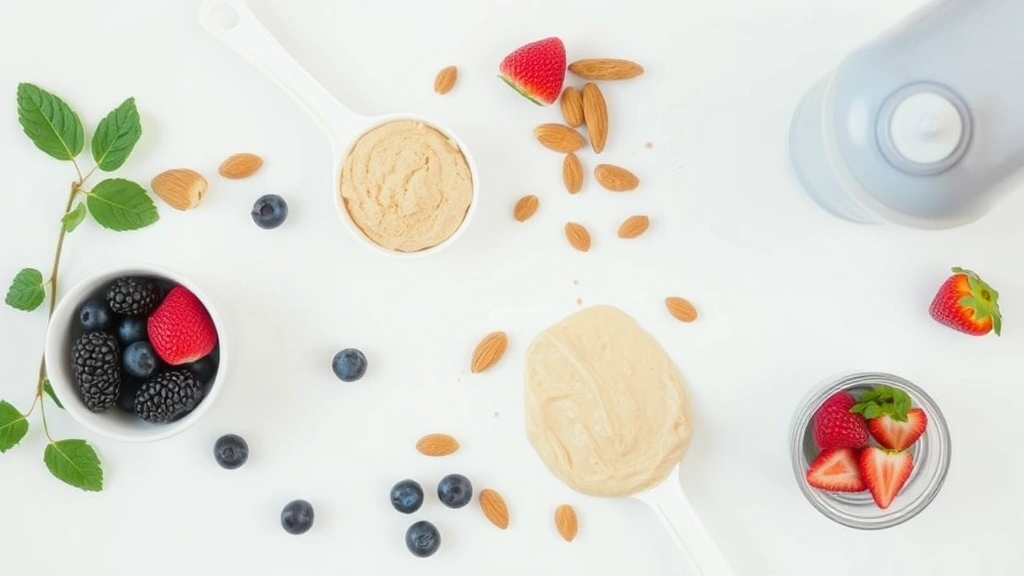
Blending your own shakes gives you complete control over ingredients and allows customization based on your preferences and dietary needs. A simple homemade shake might include protein powder, unsweetened almond milk, frozen berries, and spinach—all ingredients you can pronounce and trust. Homemade options are often more cost-effective long-term, especially for frequent shake consumers.
The Hybrid Approach
Many successful people use both. They might blend homemade shakes on weekends when they have time but rely on convenient store-bought options during hectic work weeks. This flexibility reduces the likelihood of abandoning your weight loss strategy due to inconvenience.
For sustained success, explore strategies outlined in our guide to maintaining weight loss effectively, which emphasizes finding sustainable approaches that fit your lifestyle.
FAQ
Can I replace all my meals with protein shakes?
While protein shakes are convenient, replacing all meals with shakes isn’t recommended. Whole foods provide fiber, diverse micronutrients, and compounds that shakes cannot fully replicate. Additionally, eating solid food is important for digestive health and satiety. Use shakes to replace one meal occasionally or as supplements to your diet, not as a complete meal replacement strategy.
How much protein do I actually need for weight loss?
Most research suggests 0.7–1 gram of protein per pound of body weight during weight loss, though some studies show benefits at 0.8–1.2 grams per kilogram. A registered dietitian can help you determine the optimal amount based on your individual needs, activity level, and goals.
Are plant-based protein shakes as effective as whey?
Plant-based and whey proteins can both support weight loss effectively. Whey protein is a complete protein containing all essential amino acids and absorbs quickly, making it excellent for post-workout recovery. Plant-based proteins often require combining multiple sources to achieve a complete amino acid profile, but many modern formulations blend different plant proteins to address this. Choose based on your dietary preferences and any allergies or intolerances.
Will protein shakes make me gain weight?
Protein itself doesn’t cause weight gain—excess calories do. A well-chosen protein shake is typically lower in calories than many whole-food meals and can actually support weight loss by reducing overall calorie intake and hunger. However, high-calorie shakes loaded with added sugars and fats can contribute to weight gain if they push you into a calorie surplus.
What’s the best time to drink a protein shake?
The timing depends on your goal. Post-workout (within 1–2 hours) is ideal for muscle recovery and growth. For weight loss specifically, consuming a shake 30–60 minutes before meals can reduce appetite and overall calorie intake. As a between-meal snack, shakes help prevent energy crashes and reduce cravings. The most important factor is consistency—choose a timing strategy you can maintain.
Do I need to exercise to see results from protein shakes?
Exercise isn’t strictly necessary for weight loss—creating a calorie deficit is the fundamental requirement. However, combining protein shakes with resistance training and cardiovascular exercise dramatically improves results. Exercise helps preserve muscle mass during weight loss, improves body composition, and supports long-term metabolic health.


