Best Rice for Weight Loss? Nutritionist Recommends
Rice is a staple carbohydrate in diets worldwide, but when you’re working toward weight loss, choosing the right type matters significantly. Many people assume all rice is created equal, but the truth is far more nuanced. The variety of rice you select can impact your blood sugar levels, satiety, calorie intake, and overall weight loss success. Understanding which rice options support your goals—rather than sabotaging them—is essential for sustainable, healthy weight management.
As a nutritionist, I’ve guided countless clients through the confusion surrounding rice and weight loss. The good news? You don’t have to eliminate rice entirely. Instead, strategic choices about which rice varieties to prioritize, portion sizes, and preparation methods can help you maintain this beloved grain while still achieving your weight loss objectives. Let’s explore the science behind different rice types and discover which options truly deserve a place on your plate.
Understanding Rice and Weight Loss Basics
Rice contains carbohydrates, which play a crucial role in your body’s energy production and metabolism. However, not all carbohydrates affect your body equally. The glycemic index (GI)—a measure of how quickly a food raises blood sugar—varies dramatically between rice types. When blood sugar spikes rapidly, your pancreas releases insulin to manage it. Chronically elevated insulin levels can promote fat storage and increase hunger, making weight loss more challenging.
The key to successful weight loss isn’t eliminating carbohydrates entirely; it’s choosing carbohydrate sources that keep you satisfied longer and maintain stable blood sugar levels. This is where rice selection becomes strategic. Research published in nutrition journals consistently shows that understanding insulin resistance and blood sugar management is fundamental to sustainable weight loss.
When evaluating rice for weight loss, consider these factors: fiber content (promotes satiety), protein content (supports muscle preservation), preparation method (affects digestibility), and portion size (controls calorie intake). Each of these elements influences whether rice supports or hinders your goals.
Brown Rice: The Fiber-Rich Champion
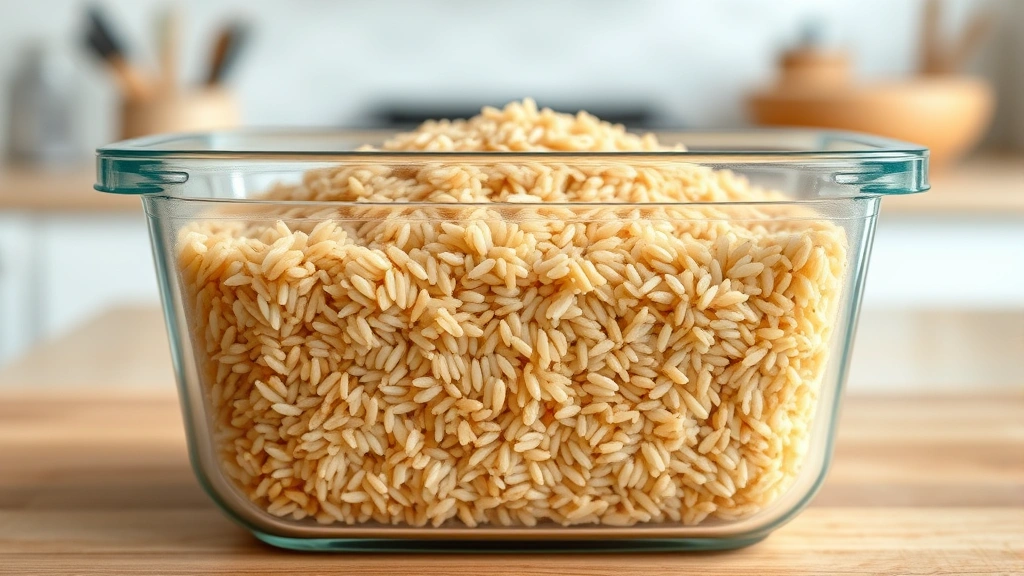
Brown rice stands out as one of the best rice options for weight loss. Unlike white rice, brown rice retains its bran and germ layers, which contain most of the grain’s fiber, vitamins, and minerals. A single cup of cooked brown rice provides approximately 3.5 grams of fiber, compared to less than 1 gram in white rice.
Fiber is your secret weapon for weight loss. It slows gastric emptying, meaning food stays in your stomach longer, keeping you feeling full and satisfied. This extended satiety reduces the likelihood of overeating or reaching for unhealthy snacks between meals. Additionally, fiber feeds beneficial gut bacteria, supporting digestive health and potentially enhancing metabolism.
Brown rice also has a lower glycemic index than white rice, typically ranging from 50-68 depending on the specific variety and cooking method. This slower glucose absorption means more stable blood sugar levels throughout the day, reducing energy crashes that often trigger cravings for sugary foods.
The protein content in brown rice (approximately 5 grams per cooked cup) also contributes to satiety. When combined with adequate protein intake, brown rice creates a more balanced meal that supports weight loss and muscle preservation during calorie restriction.
White Rice vs. Whole Grain Options
White rice undergoes processing that removes the bran and germ, leaving primarily the starchy endosperm. While this makes white rice quicker to cook and easier to digest, it also removes most beneficial nutrients and fiber. White rice has a high glycemic index (around 72-89), causing rapid blood sugar spikes that promote fat storage and increased hunger.
For weight loss purposes, white rice is generally not your best choice. However, if you prefer white rice for cultural, culinary, or digestibility reasons, there are strategies to make it work. Cooling cooked white rice in the refrigerator for several hours increases resistant starch content, improving its metabolic profile. Additionally, pairing white rice with vegetables, lean proteins, and healthy fats can moderate its glycemic impact.
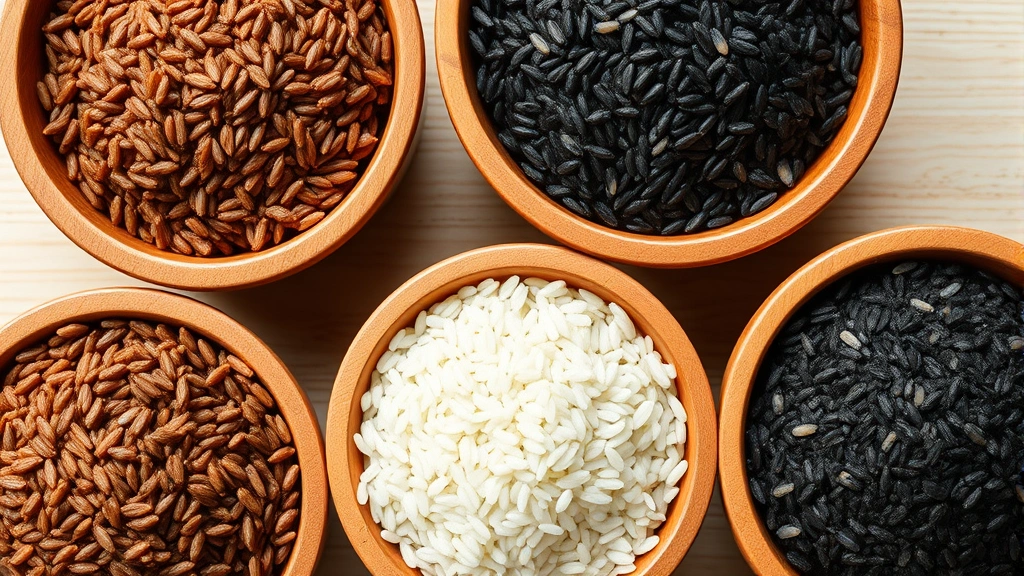
Whole grain rice options—including brown rice, wild rice, and black rice—preserve the entire grain structure, maintaining fiber, protein, and micronutrients. These options consistently outperform white rice for weight loss support. Research from CDC nutrition research demonstrates that whole grain consumption is associated with healthier body weights and improved metabolic markers.
The choice between white and whole grain rice isn’t just about calories—it’s about metabolic impact. Whole grain options work with your body’s hunger and satiety signals rather than against them.
Wild Rice and Black Rice Benefits
Wild rice deserves special mention as a superior choice for weight loss. Despite its name, wild rice is technically a grass seed rather than true rice, but it’s prepared and consumed similarly. With approximately 6.5 grams of protein per cooked cup and 3 grams of fiber, wild rice provides exceptional nutritional density.
The higher protein content makes wild rice particularly valuable for supporting your overall weight loss efforts alongside exercise. Protein increases thermogenesis (the energy required to digest food), supports muscle preservation, and enhances satiety more effectively than carbohydrates or fats alone.
Black rice (also called forbidden rice) offers another excellent option. Rich in anthocyanins—the same antioxidants found in blueberries—black rice provides anti-inflammatory benefits alongside weight loss support. It contains approximately 4 grams of protein and 3.5 grams of fiber per cooked cup, with a lower glycemic index than white rice.
Both wild and black rice cost slightly more than brown rice, but their superior nutritional profiles and enhanced satiety may justify the investment. They also add culinary variety, making weight loss feel less restrictive and more sustainable long-term.
Portion Control and Preparation Methods
Even the best rice for weight loss can sabotage your goals if portions are excessive. A standard serving of cooked rice is one cup, containing approximately 200 calories and 45 grams of carbohydrates. For weight loss, many people benefit from smaller portions—typically ½ to ¾ cup—combined with substantial amounts of vegetables and protein.
Preparation methods significantly impact rice’s weight loss potential. Boiling or steaming preserves nutrients without adding calories, while frying or cooking in butter dramatically increases caloric content. If you enjoy fried rice, use minimal oil and fill at least half your plate with vegetables.
The cooking-cooling method deserves special attention. When you cook rice and then refrigerate it for 12+ hours, the starches crystallize into resistant starch—a type of carbohydrate that functions more like fiber than typical starch. Resistant starch resists digestion, passes through to the colon, and feeds beneficial bacteria. This simple technique can reduce white rice’s glycemic impact by up to 50% without changing the rice itself.
Reheating cooled rice doesn’t significantly reduce resistant starch content, making this strategy practical for meal prep. You can cook rice in bulk, refrigerate portions, and reheat them throughout the week while maintaining improved metabolic benefits.
Combining Rice with Protein for Satiety
The most effective weight loss strategy isn’t choosing perfect foods in isolation—it’s creating balanced meals. Rice pairs beautifully with protein sources that enhance satiety and muscle preservation. Consider these combinations:
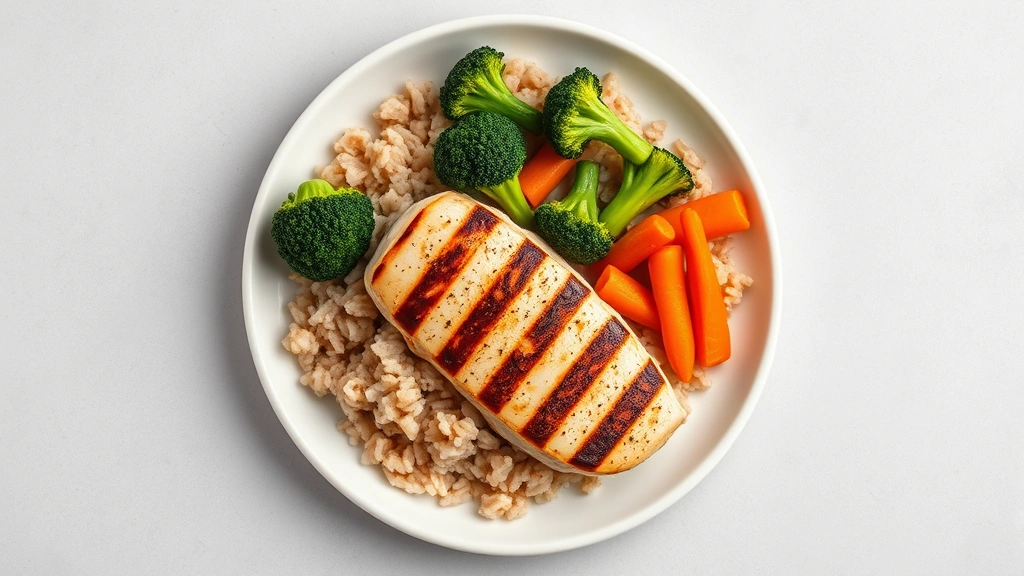
- Brown rice with grilled chicken breast and roasted vegetables—provides complete amino acids and sustained energy
- Wild rice with baked salmon and leafy greens—adds omega-3 fatty acids for anti-inflammatory benefits
- Black rice with tofu and stir-fried vegetables—creates a plant-based complete protein combination
- Brown rice with legumes—combines complementary amino acids for complete vegetarian protein
Protein increases satiety more effectively than any other macronutrient, meaning you’ll feel fuller longer and consume fewer calories overall. When you include 25-30 grams of protein with rice and vegetables, you create a meal that stabilizes blood sugar, supports muscle preservation during weight loss, and reduces subsequent hunger.
This balanced approach aligns with comprehensive protein intake guidance for weight loss, ensuring your body maintains metabolic function while losing fat.
Resistant Starch: The Hidden Weight Loss Advantage
Resistant starch represents one of the most interesting developments in weight loss nutrition. Unlike regular starch that’s quickly absorbed and converted to glucose, resistant starch passes through your small intestine largely undigested, reaching your colon where it ferments.
This fermentation process produces short-chain fatty acids, particularly butyrate, which fuel your colon cells and provide numerous metabolic benefits. Research from leading nutrition institutions shows that resistant starch improves insulin sensitivity, reduces post-meal blood sugar spikes, and enhances satiety—all crucial for weight loss success.
You can increase resistant starch intake through several methods:
- Cooling cooked rice—the primary method for rice-based meals, effective with any rice type
- Choosing legumes and beans—naturally high in resistant starch, excellent rice alternatives or complements
- Eating underripe bananas—another resistant starch source for diverse meal planning
- Combining cooking methods—cooking rice with added fat (like coconut oil) and cooling creates more resistant starch than cooking without fat
For weight loss, incorporating resistant starch-rich meals several times weekly can meaningfully improve your metabolic response to carbohydrates. This approach is particularly valuable if you’ve been struggling with insulin resistance or blood sugar management challenges.
Beyond weight loss, resistant starch supports digestive health, reduces inflammation, and may improve metabolic syndrome markers. It’s a win-win strategy that makes healthy eating more sustainable.
FAQ
Is rice bad for weight loss?
Rice isn’t inherently bad for weight loss, but the type, portion, and preparation method matter significantly. Brown rice, wild rice, and black rice can absolutely support weight loss when paired with protein and vegetables. White rice has a higher glycemic index and less satiety-promoting fiber, making it less ideal—though cooling it increases resistant starch and improves its profile.
How much rice can I eat while losing weight?
Most weight loss plans recommend ½ to ¾ cup of cooked rice per meal, combined with at least one palm-sized portion of protein and two handfuls of vegetables. This creates a balanced meal around 400-500 calories while maintaining stable blood sugar and satiety. Individual needs vary based on activity level, total calorie goals, and metabolic health.
Should I avoid rice entirely for weight loss?
No, eliminating entire food groups is unnecessary and often unsustainable. Strategic rice choices—prioritizing whole grains, controlling portions, and pairing with protein—allow rice to fit comfortably into weight loss plans. Many successful weight loss journeys include rice as a regular component, just with intentional choices about variety and preparation.
Can cooling rice really improve weight loss?
Yes, research demonstrates that cooling cooked rice increases resistant starch content, which resists digestion and provides metabolic benefits similar to fiber. This simple technique can reduce white rice’s glycemic impact by approximately 50%. The effect persists even after reheating, making it practical for meal preparation.
What’s the best rice for weight loss?
Wild rice offers the highest protein content (6.5g per cup) and excellent fiber (3g per cup), making it the top choice nutritionally. Brown rice is an excellent, more affordable option with solid fiber and protein content. Black rice provides unique antioxidant benefits and good nutritional density. All three substantially outperform white rice for weight loss support.
How does rice affect blood sugar during weight loss?
Whole grain rice varieties have lower glycemic indexes than white rice, causing slower blood sugar rises and more stable energy levels. This stability reduces insulin spikes that promote fat storage and hunger. Combining rice with protein and vegetables further moderates glycemic response. For those managing insulin resistance during weight loss, these considerations become especially important.
Can I eat rice every day while losing weight?
Yes, you can include rice in daily meals while losing weight by maintaining appropriate portions and choosing whole grain varieties. The key is creating balanced meals with protein and vegetables. Some people find rice at every meal supports their preferences and sustainability, while others prefer varying their carbohydrate sources. Consistency matters more than perfection.


