Top Weight Loss Smoothies? Nutritionist’s Picks
Smoothies have become a go-to solution for health-conscious individuals seeking convenient, nutrient-dense meals that support their weight loss goals. When crafted strategically with protein, fiber, and whole-food ingredients, smoothies can be powerful allies in your wellness journey. However, not all smoothies are created equal—many commercial versions contain hidden sugars and calories that sabotage your efforts. This guide explores the best smoothies for weight loss, drawing on nutritional science and practical recommendations from registered dietitians.
The key to successful weight loss smoothies lies in understanding how specific ingredients work together to promote satiety, stabilize blood sugar, and provide sustained energy. Rather than relying on sugary fruit juices or high-calorie add-ins, the most effective weight loss smoothies emphasize whole foods that deliver maximum nutrition with minimal empty calories. Whether you’re looking to complement your weight loss on keto diet approach or simply incorporate healthier beverages into your daily routine, these nutritionist-approved recipes offer practical solutions.
The Science Behind Weight Loss Smoothies
Weight loss fundamentally depends on creating a caloric deficit while maintaining nutritional adequacy and hormonal balance. Smoothies can support this goal when they contain the right macronutrient ratios. Research published in nutrition journals consistently demonstrates that meals and beverages high in protein and fiber promote greater satiety compared to carbohydrate-focused options, reducing overall calorie intake throughout the day.
A smoothie designed for weight loss should typically contain 15-30 grams of protein, 5-10 grams of fiber, and fewer than 300 calories. This composition helps stabilize blood glucose levels, reducing cravings and energy crashes that often lead to overeating. Additionally, protein requires more energy to digest than carbohydrates or fats, meaning your body burns more calories processing a protein-rich smoothie—a phenomenon known as the thermic effect of food.
The CDC recommends limiting added sugars to less than 10% of daily calories, making ingredient selection crucial. Many commercial smoothies contain 40-60 grams of sugar, equivalent to consuming multiple desserts in one drink. By preparing smoothies at home with whole ingredients, you maintain complete control over sugar content while maximizing nutrient density.
Essential Ingredients for Effective Smoothies
Protein Sources
Protein is non-negotiable in weight loss smoothies. Quality protein sources include Greek yogurt, cottage cheese, plant-based protein powders, and nut butters. Greek yogurt provides probiotics supporting digestive health, while cottage cheese offers casein protein for prolonged satiety. For those following plant-based diets, pea protein and hemp protein deliver complete amino acid profiles without dairy.
Leafy Greens and Vegetables
Spinach, kale, and other best vegetables for weight loss are nutritional powerhouses that add volume and nutrients without significant calories. These greens contain compounds that support natural detoxification processes and provide essential micronutrients. A full cup of raw spinach contains only 7 calories while delivering iron, magnesium, and vitamins K and A.
Healthy Fats
Contrary to outdated dietary myths, healthy fats are essential for weight loss success. They slow gastric emptying, promoting prolonged fullness. Chia seeds, ground flaxseeds, and small portions of avocado provide omega-3 fatty acids that reduce inflammation and support metabolic function. Include 1-2 tablespoons of these ingredients per smoothie.
Fiber-Rich Additions
Soluble fiber from oats, chia seeds, and ground flaxseeds creates a gel-like substance in your digestive tract, slowing nutrient absorption and promoting sustained energy. Insoluble fiber from vegetables and fruits supports digestive regularity and feeds beneficial gut bacteria. Aim for 5-10 grams of fiber per smoothie.
Low-Sugar Fruits
While fruits contain natural sugars, they also provide fiber, vitamins, and antioxidants. Berries—blueberries, raspberries, and strawberries—offer exceptional nutritional value with minimal sugar impact. One cup of raspberries contains only 12 grams of carbohydrates with 8 grams of fiber, resulting in just 4 grams of net carbs. Avoid tropical fruits like mango and pineapple in weight loss smoothies due to their high sugar concentration.
Liquid Base
Choose unsweetened almond milk, coconut milk, or water as your smoothie base. Avoid fruit juices, which concentrate sugars while removing beneficial fiber. Unsweetened almond milk contains only 30 calories per cup and provides a creamy texture without excess calories.
Top 5 Nutritionist-Recommended Smoothie Recipes
Recipe 1: Green Protein Power Smoothie
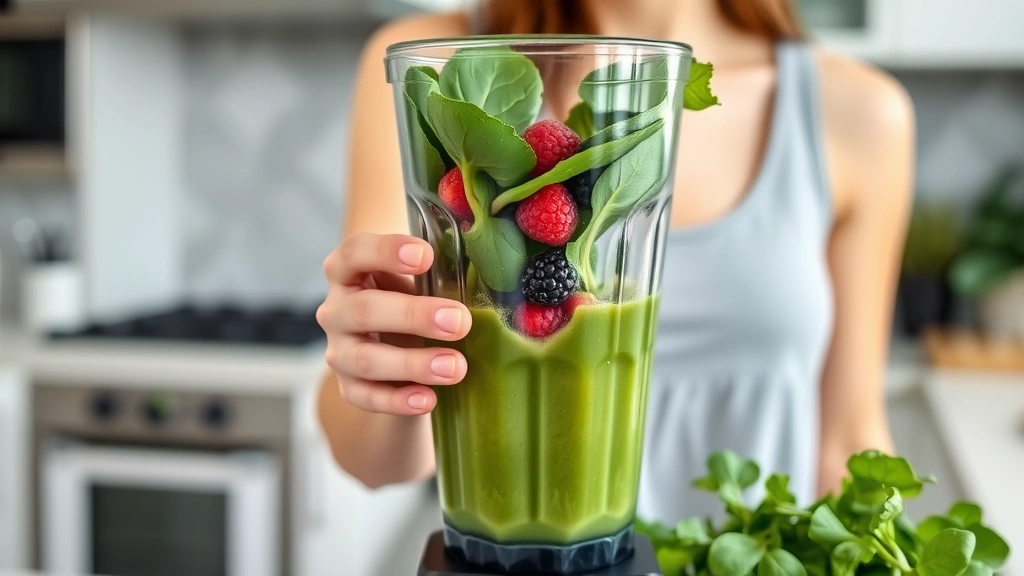
This foundational recipe supports metabolic health and sustained energy. Combine 1 cup unsweetened almond milk, 1 cup fresh spinach, ½ frozen banana, ½ cup Greek yogurt, 1 tablespoon almond butter, 1 tablespoon ground flaxseeds, and a handful of ice. This smoothie delivers approximately 22 grams of protein, 7 grams of fiber, and 240 calories. The combination of leafy greens with creamy protein sources creates a satisfying meal replacement that keeps you full for hours.
Recipe 2: Berry Metabolism Boost
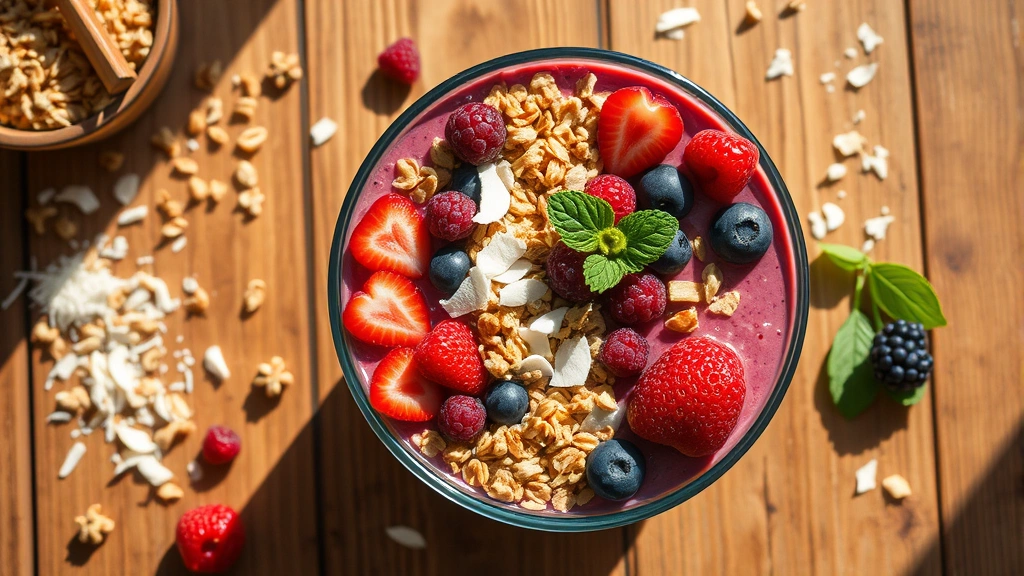
Berries contain anthocyanins, powerful antioxidants that may enhance fat oxidation. Blend ½ cup frozen blueberries, ½ cup frozen raspberries, ¾ cup plain Greek yogurt, 1 scoop vanilla protein powder, 1 tablespoon chia seeds, 1 cup unsweetened coconut milk, and ice. This recipe provides 28 grams of protein, 8 grams of fiber, and 260 calories. The polyphenols in berries support metabolic function while the protein and fiber promote satiety.
Recipe 3: Creamy Avocado Green Smoothie
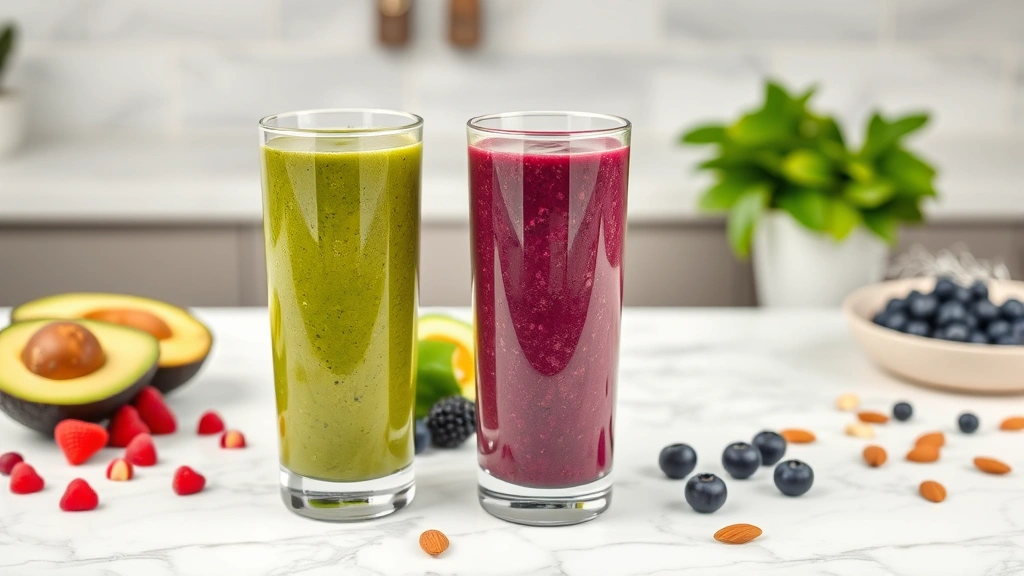
Healthy fats from avocado create exceptional creaminess while supporting hormone production. Combine ½ ripe avocado, 1.5 cups spinach, ½ cup unsweetened almond milk, ½ cup plain Greek yogurt, ½ frozen banana, 1 tablespoon ground flaxseeds, and ice. This smoothie contains 18 grams of protein, 6 grams of fiber, and 220 calories. The monounsaturated fats in avocado enhance the absorption of fat-soluble vitamins from the spinach.
Recipe 4: Chocolate Almond Protein Smoothie
For those craving chocolate, this recipe satisfies sweet cravings while supporting weight loss. Blend 1 cup unsweetened almond milk, 1 scoop chocolate protein powder, 1 tablespoon unsweetened cocoa powder, 1 tablespoon almond butter, ½ cup Greek yogurt, ½ frozen banana, and ice. This delivers 30 grams of protein, 5 grams of fiber, and 240 calories. The cocoa provides polyphenols associated with improved cardiovascular health and reduced inflammation.
Recipe 5: Tropical Green Smoothie (Lower Sugar)
While minimizing high-sugar tropical fruits, you can still enjoy tropical flavors. Combine 1 cup unsweetened almond milk, ½ cup frozen pineapple (limited portion), 1 cup spinach, ¾ cup Greek yogurt, 1 scoop vanilla protein powder, 1 tablespoon coconut oil, and ice. This smoothie provides 25 grams of protein, 4 grams of fiber, and 250 calories. The limited pineapple quantity keeps sugar under control while providing authentic tropical flavor.
Protein Powder Selection and Alternatives
Protein powder quality significantly impacts smoothie effectiveness and taste. Research on protein supplementation demonstrates that whey protein isolate provides the most complete amino acid profile with minimal lactose for those with sensitivity. Whey concentrate offers excellent value while containing slightly more lactose. Plant-based alternatives like pea protein, hemp protein, and brown rice protein serve those avoiding animal products, though they often require combination for complete amino acid profiles.
When selecting protein powder, examine the label for:
- Minimal added sugars (less than 1 gram per scoop)
- Complete amino acid profiles including all nine essential amino acids
- Third-party testing certifications (NSF, Informed Choice)
- Simple ingredient lists without artificial sweeteners if possible
- Unflavored options for maximum versatility
For those preferring whole-food protein sources, Greek yogurt, cottage cheese, and nut butters offer excellent alternatives. Two tablespoons of almond butter provide 7 grams of protein with healthy fats. One cup of Greek yogurt delivers 20 grams of protein with probiotics supporting gut health. Cottage cheese, often overlooked, provides 14 grams of protein per half-cup with minimal calories.
Common Smoothie Mistakes to Avoid
Understanding what sabotages smoothie weight loss potential helps you make informed choices. The most critical error is overloading smoothies with high-calorie ingredients. Many people add multiple tablespoons of nut butter, coconut oil, and dried fruit, creating 500+ calorie beverages that exceed entire meal allowances for some individuals.
Another frequent mistake involves using fruit juice as the liquid base. A single cup of orange juice contains 26 grams of sugar with negligible fiber, essentially delivering liquid sugar without satiety benefits. Similarly, commercial yogurt often contains 15-25 grams of added sugar per serving, negating weight loss advantages. Always select unsweetened, plain varieties.
Portion control with nuts and seeds presents another challenge. While chia seeds and walnuts offer exceptional nutrition, they’re calorie-dense. One tablespoon of chia seeds contains 60 calories; one ounce of walnuts contains 185 calories. Measure carefully rather than free-pouring to maintain appropriate caloric intake.
Many people neglect protein adequacy, creating smoothies that fail to promote satiety. A smoothie with only fruit and greens may taste pleasant but won’t sustain you for hours, leading to subsequent snacking that undermines weight loss efforts. Every smoothie should contain at least 15 grams of protein.
Additionally, relying exclusively on smoothies while neglecting whole foods creates nutritional gaps. Smoothies work best as part of a balanced diet including solid foods that promote digestive health and nutrient variety. Consider smoothies as meal replacements or snacks, not your entire nutritional intake.
Integrating Smoothies Into Your Weight Loss Plan
Strategic smoothie integration maximizes weight loss results. For breakfast, a protein-rich smoothie provides sustained energy and prevents mid-morning cravings. Research demonstrates that protein-forward breakfasts reduce subsequent calorie intake throughout the day by up to 20%.
Post-workout smoothies containing protein and carbohydrates support muscle recovery while replenishing glycogen. After a treadmill session, consuming treadmill workout for weight loss, a smoothie with 20-30 grams of protein and 20-30 grams of carbohydrates optimizes recovery. Berries provide carbohydrates with antioxidants that reduce exercise-induced inflammation.
As afternoon snacks, smoothies combat energy crashes and sugar cravings. A small smoothie (200-250 calories) with adequate protein prevents the late-afternoon hunger that often leads to poor food choices. This practice supports how to improve metabolic rate by maintaining stable blood sugar throughout the day.
Hydration remains essential for weight loss success. While smoothies contribute to daily fluid intake, they shouldn’t replace plain water. Ensure you’re consuming adequate water separately, as proper hydration supports weight loss and water intake for optimal metabolic function.
For comprehensive health benefits, combine smoothies with other lifestyle modifications. Pair smoothie consumption with regular physical activity, adequate sleep, and stress management. These complementary practices create synergistic effects that accelerate weight loss and improve overall health markers including weight loss and blood pressure regulation.
Track your smoothie intake within your overall calorie goals. While nutrient-dense, smoothies still contribute calories, and excessive consumption can hinder weight loss. Use food tracking apps to monitor macronutrient distribution, ensuring smoothies align with your personalized nutrition plan.
FAQ
Can I drink weight loss smoothies every day?
Yes, weight loss smoothies can be consumed daily as part of a balanced diet. However, ensure they complement whole foods rather than replacing them entirely. Vary your smoothie ingredients to maximize nutrient diversity. Daily consumption should remain within your overall calorie goals and macronutrient targets established with a healthcare provider or registered dietitian.
How much protein do I need in a weight loss smoothie?
Most nutrition experts recommend 15-30 grams of protein per smoothie, depending on whether it’s a meal replacement or snack. For meal replacements, aim for 25-30 grams. For snacks, 15-20 grams suffices. Individual protein needs vary based on body weight, activity level, and metabolic factors, so consulting a registered dietitian through the Academy of Nutrition and Dietetics provides personalized recommendations.
Are frozen smoothies less nutritious than fresh?
Frozen fruits and vegetables retain virtually identical nutrient profiles to fresh varieties. Freezing preserves vitamins, minerals, and phytonutrients without requiring preservatives. Frozen produce is often more economical and convenient while offering consistent quality year-round. The primary advantage of fresh produce is psychological—the sensory experience may enhance satisfaction for some individuals.
Can smoothies help with muscle recovery after exercise?
Absolutely. Post-exercise smoothies containing 20-30 grams of protein and carbohydrates support muscle protein synthesis and glycogen replenishment. Whey protein provides rapid amino acid availability, while carbohydrates from fruits trigger insulin response that facilitates nutrient uptake into muscle cells. Consuming smoothies within 30-60 minutes post-exercise optimizes recovery.
What sweeteners are best for weight loss smoothies?
Whole fruits provide natural sweetness with fiber and micronutrients, making them the optimal choice. If additional sweetness is desired, stevia and monk fruit offer zero calories without affecting blood sugar. Avoid artificial sweeteners like aspartame and sucralose, as emerging research suggests potential metabolic effects. A review in Nutrients journal indicates whole fruit consumption supports greater satiety than equivalent calories from sweetened beverages.
How long do homemade smoothies stay fresh?
Consume freshly prepared smoothies immediately for maximum nutrient retention and optimal texture. If preparing in advance, refrigerate in airtight containers for up to 24 hours, though separation may occur. Frozen smoothie packs—pre-portioned ingredients frozen together—maintain quality for 2-3 months, allowing convenient preparation by adding liquid and blending. This approach reduces food waste while maintaining nutritional integrity.


