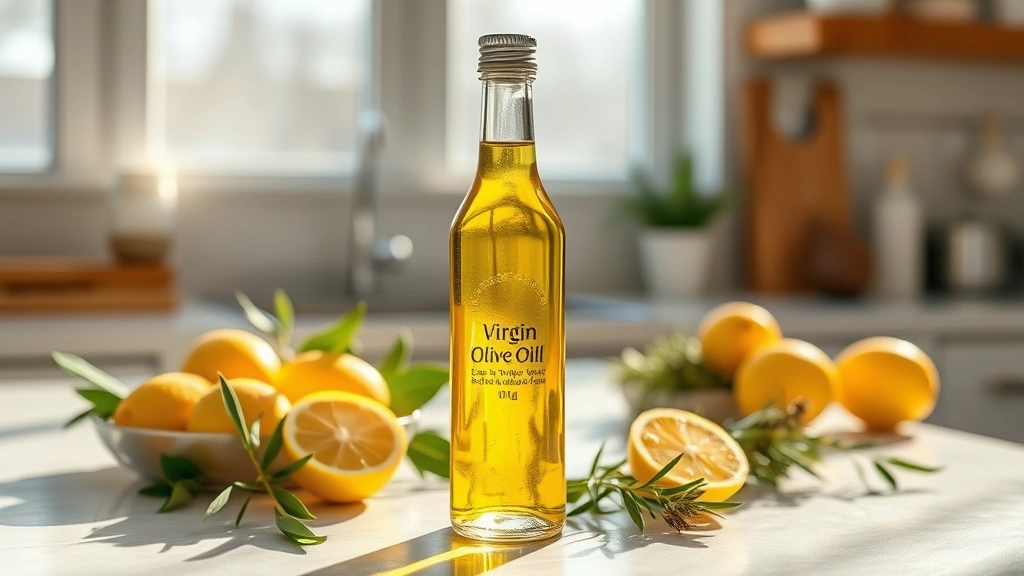
Olive oil has been celebrated for centuries as a cornerstone of Mediterranean nutrition, but recent interest in drinking olive oil specifically for weight loss has sparked important questions among health-conscious individuals. While olive oil offers genuine nutritional benefits, the timing and method of consumption significantly impact its effectiveness for weight management. This comprehensive guide explores when to drink olive oil, how it supports your wellness journey, and how it fits into a balanced approach to weight loss and hydration.
Understanding the science behind olive oil consumption helps you make informed decisions about incorporating this nutrient-dense ingredient into your daily routine. Extra virgin olive oil contains polyphenols, monounsaturated fats, and anti-inflammatory compounds that support metabolic health and satiety. However, consuming olive oil strategically—rather than randomly throughout the day—maximizes these benefits while supporting your weight management goals.
Best Times to Drink Olive Oil for Weight Loss
The timing of olive oil consumption plays a crucial role in maximizing its weight loss benefits. Morning consumption on an empty stomach represents one of the most effective windows for olive oil intake. When you consume one tablespoon of extra virgin olive oil first thing in the morning, before breakfast, your digestive system is primed to absorb its nutrients efficiently. This timing promotes satiety hormones and helps regulate appetite throughout the day, reducing overall caloric intake naturally.
Research from the University of California has demonstrated that consuming olive oil in the morning increases feelings of fullness and decreases subsequent food intake. The polyphenols in olive oil trigger the release of cholecystokinin (CCK), a hormone that signals satiety to your brain. This mechanism makes morning consumption particularly effective for individuals struggling with mid-morning hunger or excessive snacking.
Pre-meal consumption offers another strategic timing option. Drinking olive oil 15-20 minutes before your main meals slows gastric emptying, meaning food moves through your stomach more slowly. This extended digestion period enhances nutrient absorption and prolongs the feeling of fullness, naturally limiting portion sizes. This approach proves especially valuable during lunch or dinner when you’re most likely to overeat.
Evening consumption presents more nuanced benefits. While some nutritionists recommend avoiding olive oil within 2-3 hours of bedtime due to its fat content potentially affecting sleep quality, a small amount consumed 1-2 hours before dinner can support healthy fat metabolism and provide evening satiety. The key involves finding your personal optimal window based on your schedule and digestive response.
How Olive Oil Supports Metabolic Health
Olive oil’s weight loss benefits extend beyond simple appetite suppression. Monounsaturated fats in extra virgin olive oil improve insulin sensitivity, a critical factor in sustainable weight management. When your body processes insulin more efficiently, it’s less likely to store excess calories as fat and more likely to utilize existing fat stores for energy.
The polyphenolic compounds in olive oil—particularly oleuropein and hydroxytyrosol—activate brown adipose tissue (brown fat), which burns calories to generate heat in a process called thermogenesis. Studies published in the Journal of the Academy of Nutrition and Dietetics show that regular olive oil consumption increases metabolic rate by 3-5%, a modest but measurable improvement that compounds over months.
Olive oil also supports gut microbiome health, an increasingly recognized factor in weight management. The polyphenols act as prebiotics, feeding beneficial bacteria that produce short-chain fatty acids (SCFAs). These SCFAs improve intestinal barrier function, reduce inflammation, and enhance metabolic efficiency. A healthier gut microbiome directly correlates with easier weight loss and improved metabolic flexibility.
Additionally, olive oil reduces systemic inflammation, which often underlies metabolic dysfunction and weight gain resistance. Chronic inflammation triggers insulin resistance and impairs leptin signaling (the hormone that regulates appetite). By reducing inflammatory markers, olive oil helps your body’s natural weight regulation systems function optimally.
Optimal Dosage and Preparation Methods
The amount of olive oil you consume matters significantly for weight loss success. One tablespoon (15 ml) daily represents the evidence-based optimal dose for health benefits without excess calorie intake. This quantity provides approximately 120 calories and 14 grams of fat, along with meaningful amounts of polyphenols and vitamin E.
For maximum effectiveness, consume olive oil in its extra virgin form. Extra virgin olive oil retains the highest concentration of polyphenols and antioxidants because it undergoes minimal processing. Regular or light olive oils are refined, stripping away many beneficial compounds. When shopping, look for bottles labeled “cold-pressed” or “first cold-pressed,” which indicates mechanical extraction without heat damage.
Preparation method significantly impacts olive oil’s nutritional profile. Never heat extra virgin olive oil above 350°F (175°C), as high temperatures degrade polyphenols and create potentially harmful compounds. For weight loss purposes, consume olive oil raw—either alone with a small amount of water or mixed into salads, smoothies, or weight loss smoothie recipes.
If consuming olive oil straight feels unpleasant, mix one tablespoon with 4-6 ounces of warm water and a squeeze of lemon juice. The lemon enhances polyphenol absorption and improves palatability. Alternatively, add olive oil to your morning coffee or incorporate it into salad dressings for vegetables like those discussed in our best vegetables for weight loss guide.

Combining Olive Oil with Exercise and Nutrition
Olive oil alone doesn’t produce dramatic weight loss; it works synergistically with comprehensive lifestyle changes. Pairing olive oil consumption with regular exercise amplifies metabolic benefits. The polyphenols in olive oil enhance mitochondrial function in muscle cells, improving exercise performance and recovery. This means your workouts become more effective when supported by consistent olive oil intake. For detailed guidance on this integration, explore our weight loss and weight training complete guide.
Nutrition composition matters equally. Olive oil works best within a Mediterranean-style dietary pattern emphasizing whole grains, legumes, fish, vegetables, and nuts. This pattern, extensively studied by Harvard School of Public Health, demonstrates superior weight loss outcomes compared to low-fat diets. The synergy between olive oil and other whole foods creates a sustainable approach to weight management.
Hydration complements olive oil’s effects significantly. Proper water intake supports weight loss by enhancing metabolic rate, improving satiety signaling, and supporting digestive efficiency. Consuming olive oil with adequate water intake creates optimal conditions for fat metabolism and weight reduction.
Protein intake should remain adequate (0.8-1 gram per pound of body weight) when consuming olive oil. While olive oil provides healthy fats, sufficient protein preserves muscle mass during weight loss and enhances satiety. Combine your morning olive oil intake with a protein-rich breakfast or add olive oil to fish, chicken, or legume-based meals for optimal results.
Common Mistakes When Consuming Olive Oil
Many people fail to achieve weight loss results with olive oil due to common errors. Excessive consumption represents the most frequent mistake. Consuming more than 2 tablespoons daily adds 240 calories without proportional benefit increases. Remember that olive oil, while healthy, remains calorie-dense. Weight loss requires maintaining a moderate caloric deficit, and excessive olive oil consumption easily prevents this.
Consuming low-quality olive oil undermines your efforts. Refined olive oils lack the polyphenols providing weight loss benefits. Many inexpensive bottles contain adulterated oils mixed with cheaper seed oils. Invest in authentic extra virgin olive oil from reputable producers—the polyphenol content justifies the higher cost.
Timing inconsistency sabotages results. Consuming olive oil sporadically fails to establish the metabolic and appetite-regulating benefits that develop with consistent daily intake. Treat olive oil consumption like a supplement—take it at the same time daily for at least 8-12 weeks to evaluate effectiveness.
Pairing olive oil with refined carbohydrates negates its benefits. Consuming olive oil in the context of sugary foods, white bread, or processed snacks creates a calorie surplus that prevents weight loss. Olive oil works best with whole foods, vegetables, and lean proteins.
Ignoring personal digestive responses represents another common error. Some individuals experience nausea, digestive discomfort, or loose stools when consuming olive oil on an empty stomach. If this occurs, try consuming olive oil with food or reducing the dose to ½ tablespoon initially, gradually increasing as your digestive system adapts.
Practical Implementation Strategies
Successfully incorporating olive oil into your weight loss routine requires systematic planning. Create a consistent morning routine by placing a bottle of extra virgin olive oil on your kitchen counter as a visual reminder. Each morning, consume one tablespoon before eating breakfast. This simple habit, when maintained daily, delivers cumulative metabolic benefits.
Develop convenient consumption methods aligned with your preferences. Some people prefer taking olive oil straight with a lemon juice chaser. Others mix it into warm water with honey and cinnamon. Still others add it to smoothies or salad dressings. Finding your preferred method ensures long-term adherence—consistency matters more than the specific method chosen.
Work with a weight loss coach or weight loss specialist near you to integrate olive oil consumption into your comprehensive weight management plan. Professionals can assess your individual circumstances, identify optimal timing based on your schedule and digestion, and ensure olive oil complements your specific dietary approach.
Track your progress systematically. Monitor not just weight changes but also appetite patterns, energy levels, and digestive comfort. Most people notice improved satiety within 2-3 weeks and measurable weight changes within 4-6 weeks when olive oil is combined with appropriate nutrition and exercise.
Consider seasonal quality variations. Early harvest olive oils (September-November) contain higher polyphenol concentrations than late harvest oils. If possible, purchase early harvest olive oil during fall months and store it properly—in dark glass bottles, away from heat and light—to preserve its nutritional content throughout the year.
Maintain realistic expectations. Olive oil supports weight loss through multiple mechanisms, but it’s not a miracle solution. Expect 1-2 pounds of weight loss weekly when combined with appropriate caloric intake and physical activity. Sustainable weight loss comes from comprehensive lifestyle changes where olive oil serves as one beneficial component among many.
FAQ
Can I drink olive oil every day for weight loss?
Yes, consuming one tablespoon of extra virgin olive oil daily is safe for most people and provides consistent weight loss benefits. However, consistency matters more than quantity—daily intake of one tablespoon proves more effective than occasional larger amounts. Consult with your healthcare provider if you take blood thinners or have specific health conditions.
What’s the best time to drink olive oil—morning or night?
Morning consumption on an empty stomach is generally most effective for weight loss because it enhances satiety throughout the day and optimizes polyphenol absorption. However, personal tolerance varies. Some people experience better results with pre-meal consumption 15-20 minutes before lunch or dinner. Experiment to find your optimal timing.
Does heating olive oil destroy its weight loss benefits?
Yes, heating extra virgin olive oil above 350°F (175°C) degrades polyphenols and reduces weight loss benefits. For weight loss purposes, consume olive oil raw in salads, smoothies, or with water. If you cook with olive oil, use refined olive oil (which has a higher smoke point) and reserve extra virgin for raw applications.
How much weight can I lose by drinking olive oil?
Olive oil alone won’t produce significant weight loss. When combined with appropriate caloric intake and regular exercise, expect 1-2 pounds weekly. Most people notice appetite improvements within 2-3 weeks and measurable weight changes within 4-6 weeks of consistent consumption.
Is extra virgin olive oil better than regular olive oil for weight loss?
Absolutely. Extra virgin olive oil contains 5-10 times more polyphenols than refined olive oil. These polyphenols drive the metabolic and appetite-regulating benefits supporting weight loss. While extra virgin costs more, its superior nutritional profile makes it the better choice for health purposes.
Can I mix olive oil with other drinks for weight loss?
Yes, mixing olive oil with warm water, lemon juice, apple cider vinegar, or herbal tea improves palatability without reducing benefits. Some people add it to smoothies with protein powder and vegetables. Avoid mixing with sugary beverages, which negate the weight loss advantages.


