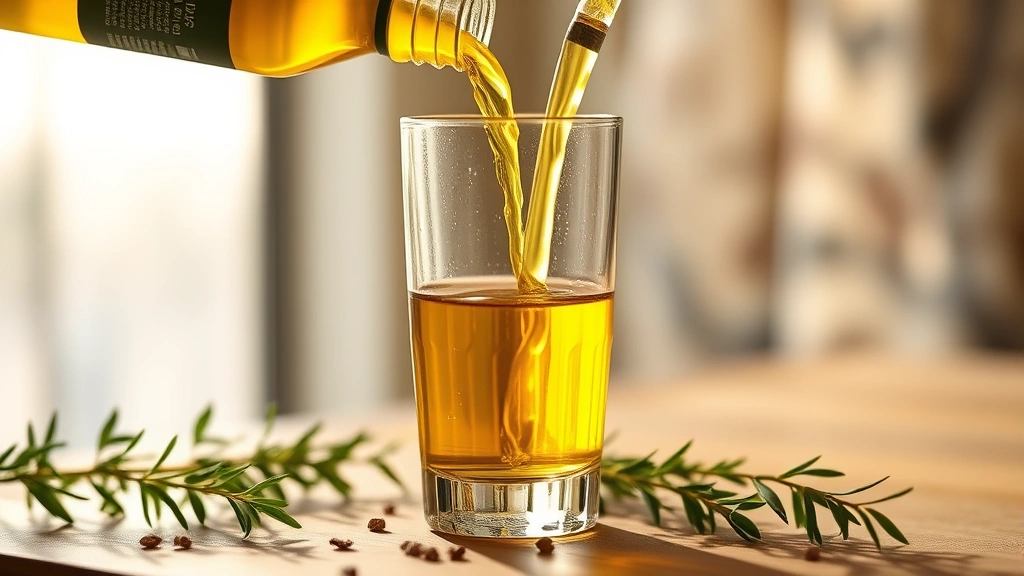
When to Drink Olive Oil? Nutritionist Recommends
Olive oil has become a cornerstone of healthy eating, celebrated for its heart-protective properties and rich antioxidant content. But timing matters when it comes to maximizing its potential benefits for weight loss and metabolic health. Many people wonder whether sipping olive oil at specific times of day can enhance fat burning, improve digestion, or support their wellness goals. The answer is more nuanced than you might think, and understanding the science behind olive oil consumption can transform how you incorporate this golden liquid into your daily routine.
Drinking olive oil—particularly extra virgin olive oil—isn’t just about swallowing a spoonful whenever you feel like it. The timing, quantity, and way you consume it can influence how your body processes it, how it affects your appetite, and whether it truly supports your weight management efforts. As a nutritionist, I’ve worked with countless clients who’ve experienced remarkable results by strategically timing their olive oil intake alongside proper nutrition and exercise strategies like cycling for weight loss or incorporating best protein shakes for weight loss into their regimen.

Best Times to Drink Olive Oil for Weight Loss
The ideal time to consume olive oil for weight management depends on your personal schedule, fitness goals, and digestive sensitivity. Research published in the American Journal of Clinical Nutrition suggests that consuming olive oil with meals—rather than on an empty stomach—provides superior metabolic benefits and improved satiety. This means that timing your olive oil intake around your main meals creates a synergistic effect that enhances fat oxidation and promotes feeling fuller for longer.
Morning consumption offers distinct advantages for those starting their day. Drinking a small amount of extra virgin olive oil in the morning activates your digestive system, stimulates bile production, and primes your metabolism for the day ahead. This practice aligns well with strategies for understanding your daily calorie needs, as morning olive oil can influence your overall energy expenditure throughout the day.
Alternatively, pre-meal timing demonstrates remarkable effectiveness for appetite control. Consuming one tablespoon of olive oil approximately 15-20 minutes before your main meals signals satiety hormones, reducing overall caloric intake at that meal. This strategy works particularly well when combined with proper nutrition planning and regular physical activity like using the best cardio machine for weight loss.
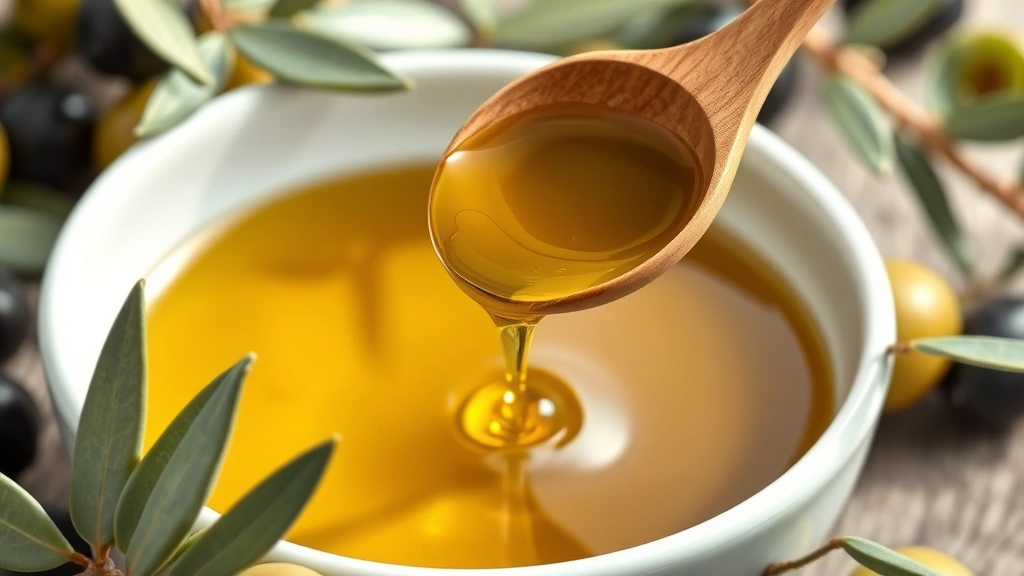
How Olive Oil Affects Your Metabolism
Understanding the metabolic impact of olive oil requires examining its unique composition of monounsaturated fats and polyphenols. Unlike saturated fats, monounsaturated fats found in olive oil actually enhance insulin sensitivity and support healthy blood sugar regulation. This is crucial for weight loss because stable blood sugar means fewer cravings, more consistent energy levels, and reduced likelihood of overeating.
The polyphenols in extra virgin olive oil—compounds like oleocanthal and oleuropein—possess anti-inflammatory properties that support metabolic health at the cellular level. Research from the National Institutes of Health demonstrates that these compounds can increase fat burning by up to 20% when consumed regularly as part of a balanced diet. This metabolic boost occurs because polyphenols activate pathways that encourage your body to utilize stored fat for energy.
Additionally, olive oil consumption triggers the production of adiponectin, a hormone that regulates glucose metabolism and fatty acid breakdown. Higher adiponectin levels correlate directly with improved weight management outcomes and reduced visceral fat accumulation. This hormonal cascade makes timing your olive oil intake strategically important—consuming it when your body is primed to utilize these metabolic advantages maximizes results.
Morning Olive Oil Consumption Benefits
Starting your day with olive oil offers cascading benefits that extend far beyond the initial consumption. When you consume a tablespoon of quality extra virgin olive oil first thing in the morning—ideally 30 minutes before breakfast—you activate several important physiological processes. Your liver begins producing bile more efficiently, your digestive enzymes increase, and your metabolism receives an early activation signal.
This morning routine proves especially beneficial for individuals following intermittent fasting protocols or those practicing time-restricted eating. The olive oil doesn’t break your fasting state in the traditional sense because it contains minimal protein or carbohydrates, yet it provides substantial metabolic stimulation. Many people report improved energy levels, better mental clarity, and reduced appetite throughout the morning when they establish this habit.
Furthermore, morning olive oil consumption improves the absorption of fat-soluble vitamins from your subsequent meals. If you’re consuming best protein shakes for weight loss that contain vitamins A, D, E, or K, the olive oil consumed earlier enhances your body’s ability to absorb and utilize these nutrients. This synergistic effect creates more efficient nutrient utilization and supports overall wellness goals.
The psychological benefit shouldn’t be overlooked either. Establishing a consistent morning olive oil ritual creates a sense of intentional health commitment that influences subsequent food choices throughout the day. People who begin their mornings with this deliberate wellness practice tend to make better nutritional decisions and stick to their weight loss plans more consistently.
Pre-Meal Olive Oil Timing Strategy
Perhaps the most evidence-based approach to olive oil consumption for weight loss involves consuming it 15-20 minutes before your main meals. This timing window allows the olive oil to trigger satiety hormones—particularly cholecystokinin (CCK) and glucagon-like peptide-1 (GLP-1)—before you begin eating substantial food. The result is a natural reduction in portion sizes and total caloric intake without requiring willpower or restriction.
This pre-meal strategy works remarkably well because it capitalizes on your body’s natural signaling mechanisms. Rather than fighting hunger or relying on willpower, you’re working with your biology to naturally consume less. Studies from The Obesity Society show that participants who consumed olive oil before meals lost significantly more weight over 12 weeks compared to control groups, even without explicit calorie restriction.
The optimal protocol involves consuming exactly one tablespoon (approximately 14 grams) of extra virgin olive oil about 20 minutes before lunch and dinner. This timing allows maximum satiety signaling while avoiding excessive calorie consumption from the oil itself. Some people prefer mixing their olive oil with a small amount of lemon juice or herbal tea for palatability, though this doesn’t significantly alter the metabolic benefits.
This approach pairs exceptionally well with understanding your best time to eat for weight loss, as timing both your meals and your pre-meal olive oil creates a comprehensive eating strategy that maximizes metabolic efficiency and fat loss outcomes.
Evening Olive Oil and Sleep Quality
Contrary to popular belief, consuming olive oil in the evening doesn’t necessarily lead to weight gain if timed appropriately. In fact, evening olive oil consumption can enhance sleep quality and support nighttime metabolic processes. The monounsaturated fats in olive oil support the production of serotonin and melatonin—neurotransmitters essential for quality sleep and circadian rhythm regulation.
However, timing is critical. Consuming olive oil immediately before bed can cause digestive discomfort and sleep disruption in sensitive individuals. Instead, consume your evening olive oil 2-3 hours before sleep, ideally as part of your dinner meal or as a pre-dinner appetizer. This timing allows your digestive system to process the oil while still benefiting from its sleep-supporting properties.
The anti-inflammatory polyphenols in olive oil also support recovery during sleep. If you’re engaging in regular exercise routines like cycling for weight loss, evening olive oil consumption supports muscle recovery and reduces exercise-induced inflammation. This recovery support enhances your next day’s performance and contributes to long-term fitness progress.
Quality sleep itself is fundamental to weight loss success. Poor sleep disrupts hunger hormones, increases cortisol levels, and impairs metabolic function. By supporting better sleep through evening olive oil consumption, you’re indirectly supporting your weight loss goals through improved hormonal balance and recovery optimization.
Optimal Daily Dosage for Weight Loss
The question of how much olive oil to consume daily is crucial—more isn’t necessarily better when pursuing weight loss. While olive oil provides tremendous health benefits, it remains calorie-dense at 120 calories per tablespoon. The optimal daily dosage for weight loss purposes is typically 1-2 tablespoons (14-28 grams) distributed throughout the day.
This dosage provides sufficient polyphenol content to trigger metabolic benefits without contributing excessive calories to your daily intake. For individuals actively working toward weight loss, one tablespoon taken as a pre-meal appetizer before lunch and another before dinner creates an effective protocol. The total additional caloric intake (240 calories) is offset by the reduced caloric consumption at those meals due to enhanced satiety.
However, individual factors influence optimal dosage. Your body weight, metabolic rate, activity level, and digestive sensitivity all play roles in determining your ideal olive oil intake. Someone consuming best cardio machine for weight loss regularly may tolerate and benefit from slightly higher olive oil intake due to increased metabolic demand. Conversely, individuals with sensitive digestion should start with smaller amounts and gradually increase.
The type of olive oil matters significantly. Extra virgin olive oil contains 30 times more polyphenols than refined olive oil, making it substantially more effective for weight loss purposes. While extra virgin olive oil costs more, its superior polyphenol content and metabolic benefits justify the investment for serious weight loss efforts.
Combining Olive Oil with Exercise Routines
The synergistic effect between olive oil consumption and regular exercise creates exponential weight loss benefits. When you consume olive oil strategically around your workout schedule, you amplify fat oxidation and enhance metabolic adaptation. The ideal protocol involves consuming olive oil 2-3 hours before exercise, allowing the monounsaturated fats to support sustained energy production during your workout.
This timing works because olive oil provides readily available fuel without causing digestive distress during exercise. The fats metabolize slowly, providing steady energy release perfect for endurance activities like cycling for weight loss. Additionally, consuming olive oil before cardio sessions enhances your body’s fat-burning capacity, as the polyphenols prime your metabolism to preferentially utilize fat stores for energy.
Post-workout olive oil consumption also offers benefits, though with different timing considerations. Consuming olive oil within 60-90 minutes after intense exercise supports recovery by reducing inflammation and supporting muscle protein synthesis. This recovery support accelerates adaptation and improves performance in subsequent workouts, creating a positive cycle of continuous improvement.
For individuals incorporating best protein shakes for weight loss into their regimen, consuming olive oil with these shakes enhances fat-soluble vitamin absorption and provides complementary macronutrient balance. The combination of protein, healthy fats, and polyphenols creates an optimal post-workout nutrition profile that maximizes muscle development and fat loss simultaneously.
The comprehensive approach combining olive oil timing with consistent exercise, proper nutrition, and adequate sleep creates a powerful weight loss framework. Rather than relying on any single factor, this integrated strategy addresses multiple metabolic pathways simultaneously, producing sustainable and substantial results.
FAQ
Is it safe to drink olive oil every day for weight loss?
Yes, consuming 1-2 tablespoons of extra virgin olive oil daily is safe for most people and supported by extensive research. However, individuals with gallbladder issues, certain digestive conditions, or allergies should consult healthcare providers. The key is consistency—daily consumption allows your body to adapt and fully experience the metabolic benefits of olive oil’s polyphenols.
Can I drink olive oil on an empty stomach?
While some people tolerate olive oil on an empty stomach, it’s generally not recommended for weight loss purposes. Consuming olive oil with meals or as a pre-meal appetizer (with water or herbal tea) provides superior satiety signaling and metabolic benefits. Empty stomach consumption may cause digestive discomfort in sensitive individuals and doesn’t leverage the appetite-suppressing benefits that make olive oil effective for weight management.
What’s the difference between extra virgin and regular olive oil for weight loss?
Extra virgin olive oil contains significantly more polyphenols—the compounds responsible for metabolic benefits—compared to refined olive oil. Extra virgin varieties retain up to 30 times more polyphenols, making them substantially more effective for weight loss. While more expensive, the superior polyphenol content justifies the investment for serious weight management efforts. Always choose cold-pressed, extra virgin olive oil for maximum benefits.
How long does it take to see weight loss results from olive oil?
Most people begin noticing improved satiety and appetite control within 3-5 days of starting a consistent olive oil protocol. However, measurable weight loss typically becomes evident within 2-4 weeks when combined with proper nutrition and exercise. The timeline depends on your starting weight, overall caloric intake, exercise consistency, and metabolic factors. Patience and consistency are essential—olive oil is a tool that works best as part of a comprehensive lifestyle approach.
Can I cook with olive oil or must I consume it raw?
For weight loss purposes, consuming olive oil raw provides superior benefits because heat destroys many polyphenols responsible for metabolic effects. While cooking with olive oil offers nutritional advantages, it shouldn’t replace your raw olive oil consumption for weight loss. The ideal approach involves both—consume raw olive oil strategically for weight loss, and use olive oil in cooking for general health and flavor benefits.
Should I adjust my calorie intake when adding olive oil?
Yes, olive oil contributes approximately 120 calories per tablespoon, so you should account for this in your daily caloric intake. However, the satiety benefits typically result in reduced caloric consumption at meals, often offsetting or exceeding the olive oil calories. Track your overall caloric intake and adjust portions of other foods accordingly to maintain your target calorie deficit for weight loss.


